Apple cider vinegar (ACV) can be a handy weed killer when you need quick knockdown in cracks, gravel, and along edges. It is not magic and it is not selective. If it touches a plant you like, it can burn that too. Used correctly, it is a practical tool for small jobs and careful spot treatments.
Quick definition: A spot treatment means spraying only the individual weeds you want to kill, not blanket-spraying an entire area.
Reality check: Household ACV (usually 5% acidity) is often inconsistent on anything beyond very small seedlings. Results vary by weed type and weather, and repeat applications are common.
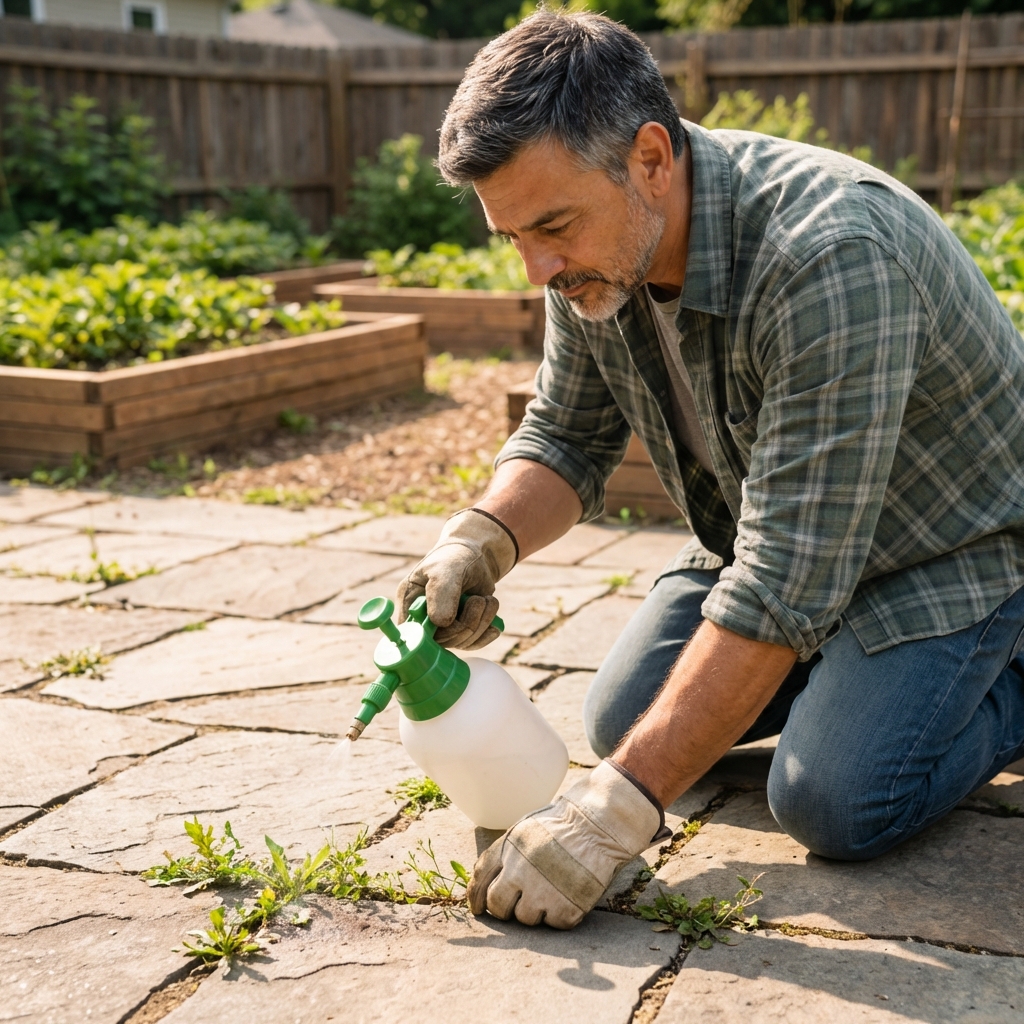
First, identify what you are trying to kill
ACV works best on young, tender weeds. The older and tougher the weed, the more likely it will regrow from the roots. Before you spray, take a moment to figure out what kind of weed you are dealing with. That tells you whether vinegar is worth your time or if you need to dig, mulch, or use a different method.
Quick weed ID: annual vs perennial
- Annual weeds sprout, set seed, and die in one season. They usually have shallow roots and soft stems. Vinegar often works well on these, especially when they are small.
- Perennial weeds come back from established roots, bulbs, rhizomes, or crowns. Vinegar may burn the top growth, but the plant often returns unless you repeat treatments or remove the root system.
Common weeds where ACV usually works pretty well
- Chickweed: low, mat-forming, small leaves, likes cool weather.
- Spurge: low and spreading, tiny leaves, can ooze milky sap when snapped.
- Crabgrass seedlings: young grassy clumps before they get established.
- Small broadleaf seedlings: anything under a few inches tall is the sweet spot.
Weeds that often come back after vinegar
- Dandelion: deep taproot. Vinegar burns leaves, root survives unless you remove it.
- Bermuda grass: spreads by runners and underground stems, very persistent.
- Nutsedge: grows from nutlets underground, top burn is rarely enough.
- Bindweed and thistle: extensive root systems that rebound quickly.
If you are dealing with a perennial with a serious root system, think of ACV as a top-growth suppressor, not a one-and-done cure.
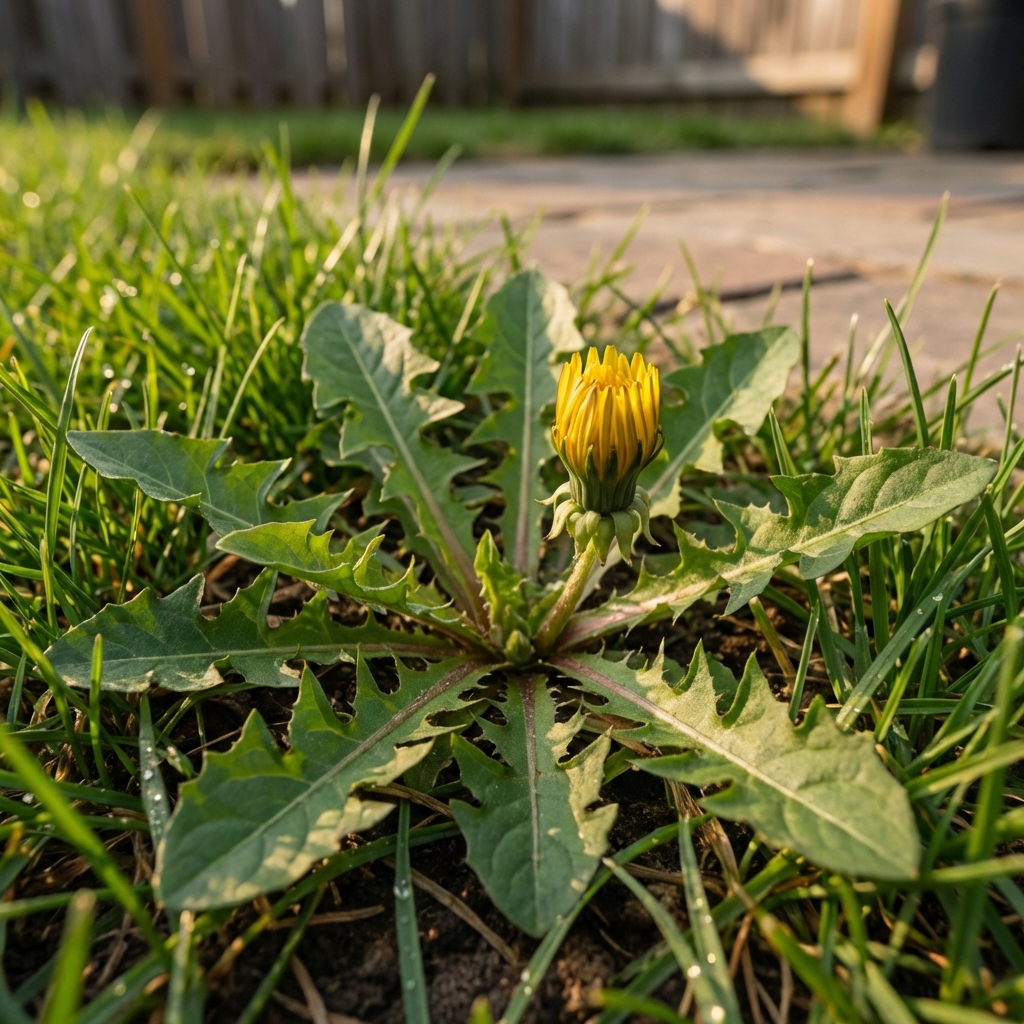
How apple cider vinegar kills weeds
Vinegar is an acid. When it coats leaves, it damages the leaf surface and cell membranes, which leads to rapid desiccation. That is why you often see wilting within hours on a hot, dry day.
- What it does well: burns leaf tissue and dries out small weeds quickly.
- What it does not do well: move through the plant and kill deep roots the way systemic herbicides can.
In plain terms, ACV is best for small weeds in places you do not want to dig, and for reducing seed production by knocking weeds back before they flower.
What results to expect
- 5% ACV: best on tiny seedlings and soft annual weeds. Expect uneven results on older weeds.
- Timing: you may see wilting the same day, with clearer burn by the next day.
- Re-sprays: often needed 2 to 7 days later, especially for tougher weeds.
- Perennials: usually return unless you also remove or exhaust the roots.
Where ACV weed control makes sense
- Cracks in sidewalks, driveways, and pavers
- Gravel paths and rock beds
- Along fence lines (with careful shielding)
- Spot treatment in areas you plan to re-mulch
Skip ACV in vegetable beds, near prized perennials, or anywhere runoff can flow into a pond or storm drain. Even though vinegar is common in kitchens, spraying it in the yard is still an herbicidal use and you should treat it like one.
Surface caution: Vinegar can dull or etch some natural stone (like limestone or marble) and may discolor some concrete finishes. It can also accelerate corrosion on some metals. If you are unsure, test a small, hidden spot first.
Local rules: Some jurisdictions and HOAs treat homemade weed sprays as pesticide use. Check local regulations before you apply any DIY herbicide outdoors.
What you need
- Apple cider vinegar (typically 5% acidity for household ACV)
- Clean spray bottle or pump sprayer dedicated to weed control
- Small funnel (optional, but keeps things tidy)
- Protective gear: gloves and eye protection
- Cardboard or a piece of plastic to shield nearby plants
Important: Do not mix vinegar with bleach. That combination can create dangerous gases. Also avoid mixing vinegar with ammonia-based cleaners, which can create irritating fumes. Keep it simple.
Step-by-step: apple cider vinegar spray for weeds
Step 1: Pick the right day
Timing matters more than people think. You want vinegar to dry on the leaves and stay there.
- Best conditions: sunny, warm, low wind
- Rain: no rain for at least a few hours. A full 24 hours is ideal, especially if you are dealing with tougher weeds or shaded spots.
- Avoid: breezy days (drift), rainy days (wash-off), and very cool cloudy days (slower results)
Step 2: Target young weeds
For best results, spray when weeds are small, ideally under 4 inches tall and before they flower or seed.
Step 3: Fill your sprayer
Start with straight apple cider vinegar for spot treatment. Household ACV is usually mild enough that you can test without overdoing it.
- Option A (simple): 100% apple cider vinegar
- Option B (better leaf coverage): add 1 teaspoon of mild liquid dish soap per quart of vinegar
The soap helps the spray cling to waxy leaves instead of beading up and rolling off. Use a light hand. Too much soap can cause excess runoff, which increases the chance of damaging nearby plants and surfaces.
Step 4: Shield the plants you want to keep
Vinegar does not care if a plant is a weed or your favorite flower. Use a piece of cardboard to block drift while you spray.
Step 5: Spray to wet, not to drip
Coat the leaves and stems lightly. If it is dripping into the soil, you are wasting product and increasing the odds of collateral damage.
Step 6: Wait and watch
You may see wilting in a few hours. By the next day, small annual weeds often look scorched and collapsed.
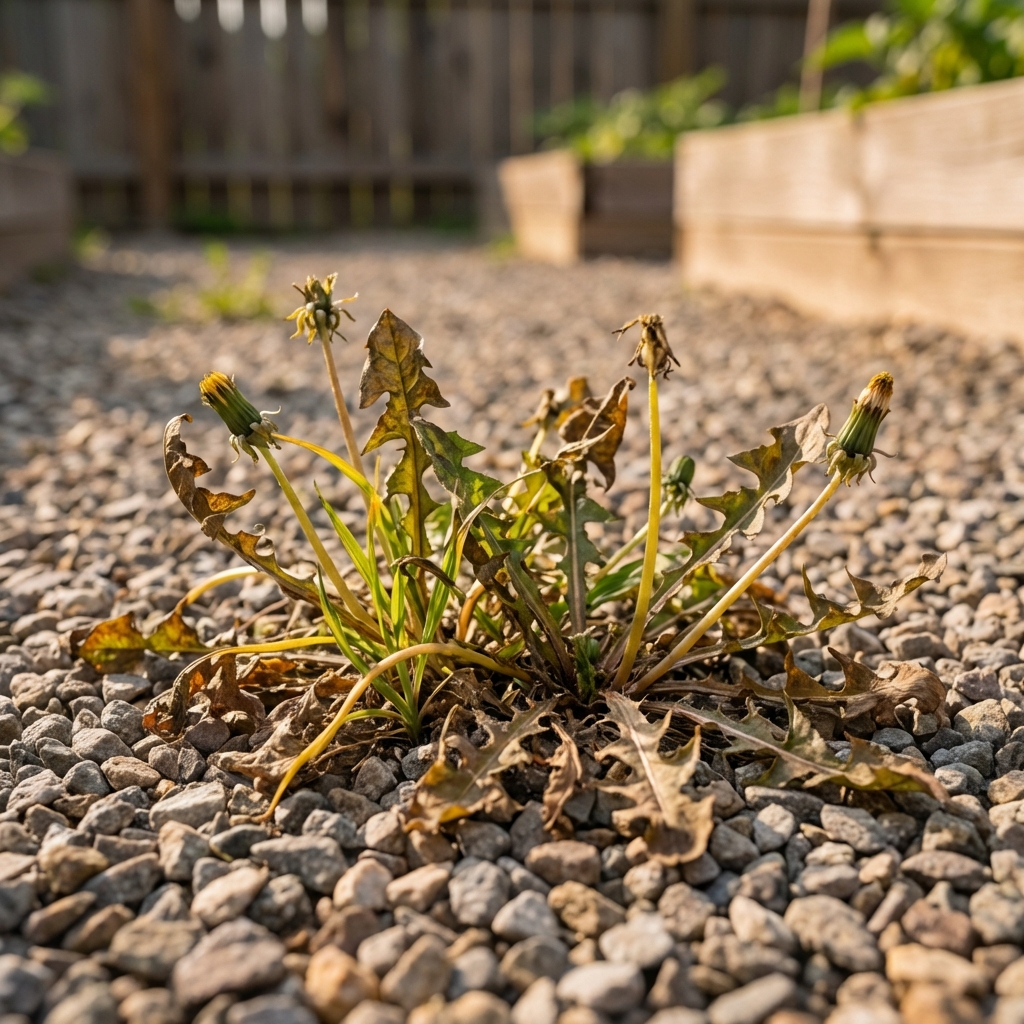
Step 7: Repeat if needed
For tougher weeds, plan on a second application a few days later, again with dry weather. Perennials may take multiple rounds and still return.
Aftercare: how to keep weeds from coming back
Vinegar is the knockdown. Prevention is what keeps you from repeating the same battle every week.
In cracks and hardscapes
- Pull the dead tops once they dry out, so you are not leaving a seedbed behind.
- Refill joints with polymeric sand or appropriate joint sand where it makes sense.
- Sweep regularly to remove windblown dirt that weeds germinate in.
In beds and borders
- Mulch 2 to 4 inches (wood chips, shredded bark, or leaf mulch) to block light.
- Hand-pull or dig perennials after vinegar weakens the top growth.
- Edge your beds to reduce creep from lawn grasses.
Safety and common mistakes
Protect skin, eyes, and lungs
Even household vinegar can sting and irritate. Wear gloves and eye protection. Avoid spraying upwind of yourself.
Keep kids and pets away until dry
Keep children and pets off treated areas until the spray has fully dried. Store vinegar and your dedicated sprayer out of reach.
Do not spray on windy days
Drift is the fastest way to accidentally burn ornamentals. If you feel a steady breeze, wait.
Do not use it like a pre-emergent
Vinegar does not prevent seeds from sprouting. It works on green growth it touches.
Be careful around soil you want to plant in
Repeated heavy vinegar applications can temporarily and locally shift surface soil pH, but the effect is usually short-lived because acetic acid is neutralized and breaks down fairly quickly. Still, avoid soaking garden soil. Aim for the leaves, not the ground.
Do not dump leftovers into storm drains
Mix only what you will use. If you have leftover spray, apply it to the same target weeds. Rinse the sprayer over gravel or the same weedy hardscape area, not into a storm drain or near waterways.
Apple cider vinegar vs stronger vinegar
You will see advice online recommending horticultural vinegar (often 20% acidity). It can be more effective, but it also raises the risk of skin burns and serious eye injury and should be handled with much more care.
- Household ACV (about 5%): better for tiny weeds and careful spot jobs.
- Higher-acidity vinegar: faster burn on tougher weeds, higher safety risk, not ideal around desirable plants.
If you choose stronger products, read and follow the label exactly, including protective gear. For most home gardeners, household vinegar plus good timing and prevention does the job for small problem areas.
FAQ
Will apple cider vinegar kill weeds permanently?
It can eliminate small annual weeds, especially seedlings. It usually does not permanently kill established perennials because it does not reliably destroy the root system.
How long does it take to work?
On a sunny warm day, you may see wilting the same afternoon. Full burn-down on small weeds typically shows by the next day.
Can I use apple cider vinegar in my lawn?
Not if you want to keep the grass. Vinegar is non-selective and will burn turf too, leaving brown patches.
Should I add salt?
I do not recommend it. Salt can linger and damage soil structure and nearby plants, and it can wash into areas you care about. For most home situations, vinegar plus prevention is the safer route.
Bottom line
Apple cider vinegar is a useful spot-treatment weed killer when you use it on very small weeds, on a dry sunny day, and in areas where you are not trying to grow anything. Expect some re-sprays with household 5% vinegar. Pair it with prevention like mulching, joint sand, and regular cleanup, and you will spend a lot less time fighting the same weeds.

Jose Brito
I’m Jose Britto, the writer behind The Country Store Farm Website. I share practical, down-to-earth gardening advice for home growers—whether you’re starting your first raised bed, troubleshooting pests, improving soil, or figuring out what to plant next. My focus is simple: clear tips you can actually use, realistic expectations, and methods that work in real backyards (not just in perfect conditions). If you like straightforward guidance and learning as you go, you’re in the right place.