Bed bug bites are miserable mostly because of the itch. The good news is that most bites can be treated at home with simple, standard over-the-counter care that clinicians commonly recommend. The bigger problem is usually the infestation itself, because as long as bed bugs are in the room, you can keep getting new bites no matter what cream you use.
Below is a straightforward, expert-style plan: what to do right away, what products actually help, what to avoid, and when it is time to call a clinician.
Quick reassurance: Bed bugs are not known to be an important source of disease spread in typical household settings. The main risks are itching, loss of sleep, and skin infection from scratching.
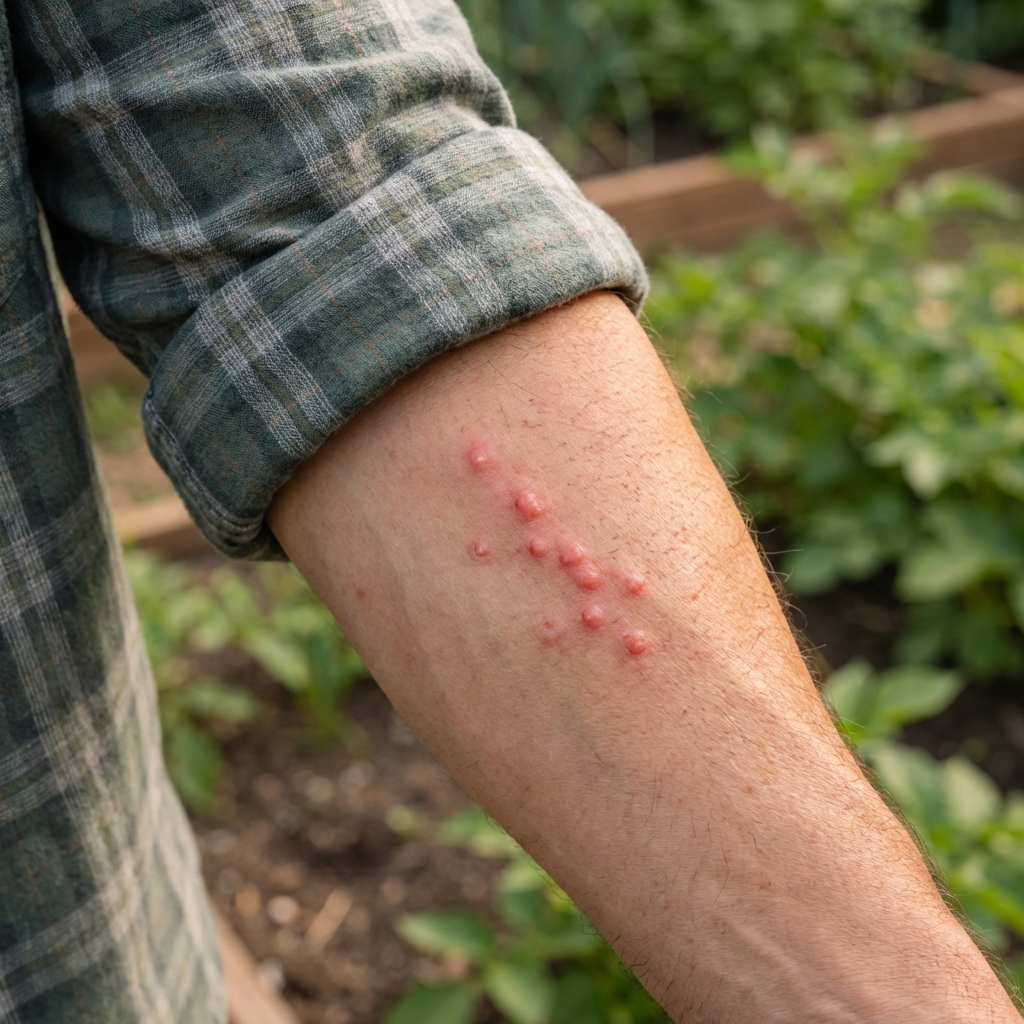
First aid: what to do right away
If you just noticed new bites, start with the basics. This helps with itching and lowers the chance of infection from scratching.
- Wash the area with mild soap and cool water. Pat dry, do not rub.
- Cold compress for 10 to 15 minutes, take a break, then repeat as needed. Cold can reduce swelling and numb itching.
- Do not scratch if you can help it. Scratching is what turns a simple bite into an infected sore.
- Keep nails short and consider wearing light cotton gloves at night if you scratch in your sleep.
If a child is bitten, the same steps apply. For kids, be extra cautious with medication choices and doses. Check age labels, and call a pediatrician if you are unsure.
Good to know: Bed bugs do not live on people like lice or scabies. Washing your skin can help with irritation and infection prevention, but it does not eliminate the infestation.
What to put on bed bug bites
Bed bug bites are an allergic-type reaction to proteins in the bug’s saliva. Treatment is mostly about reducing inflammation and itch while your skin heals.
Topicals that usually help
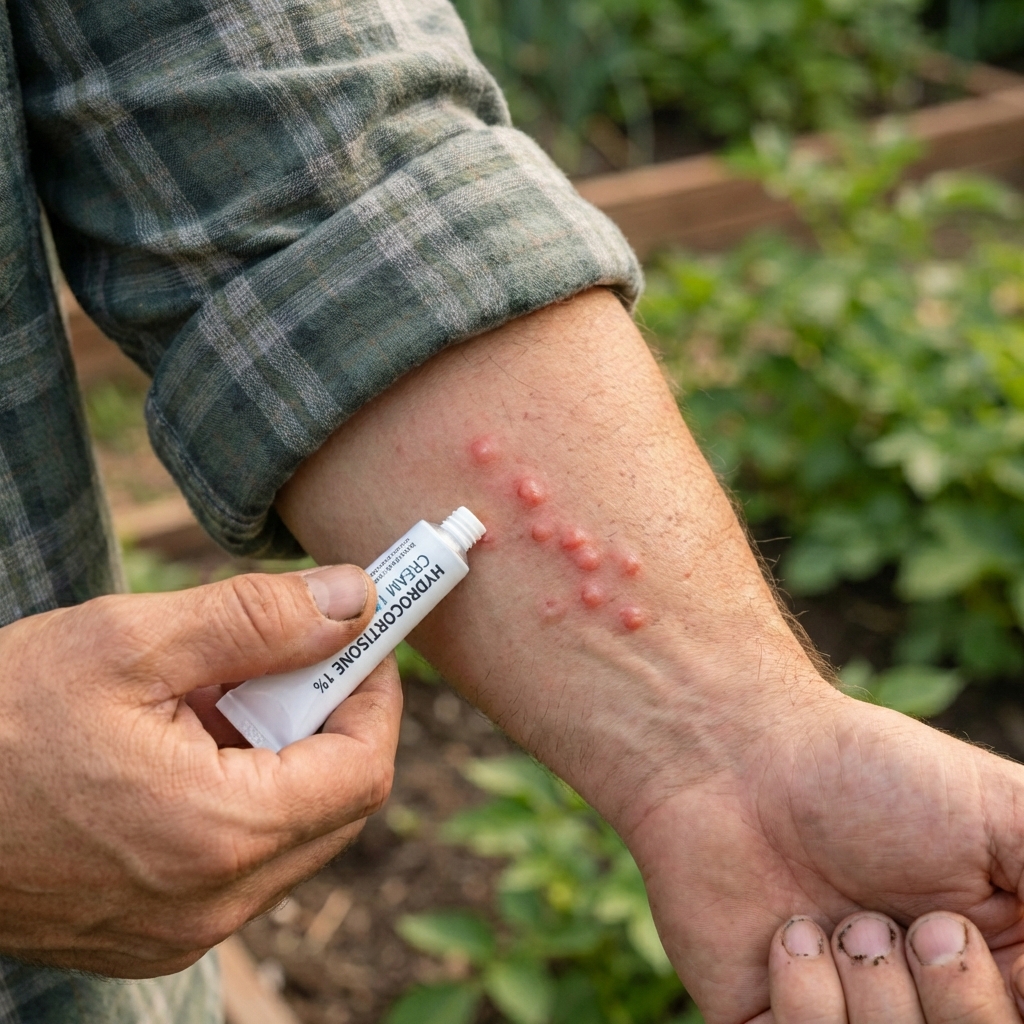
- Hydrocortisone 1% cream: A thin layer 1 to 2 times daily for a short period can reduce redness and itching. Avoid using it on broken skin.
- Calamine lotion: Can soothe itchy, irritated skin and may be especially helpful if the area is rubbed raw from scratching.
- Pramoxine anti-itch lotion (if available): Can numb itching for a few hours.
- Fragrance-free moisturizer: Helps support the skin barrier, especially if the bites are dry and irritated.
Oral options for itch (especially at night)
- Non-drowsy antihistamines (like cetirizine or loratadine): Often used for daytime itching.
- Drowsy antihistamines (like diphenhydramine): Some people use these at night, but they can cause strong sleepiness and are not appropriate for everyone. Follow the label and ask a clinician if you take other medications.
Extra safety notes on antihistamines: Be cautious for children, during pregnancy or breastfeeding, and for older adults. Sedating antihistamines can worsen confusion and falls, and can be risky with certain conditions (including glaucoma or urinary retention from enlarged prostate). Do not combine sedating antihistamines with alcohol, opioids, sleep aids, or other sedatives unless a clinician tells you it is safe.
Tip: If you are treating a cluster of bites, take a photo on day one. If redness spreads quickly or pain increases over the next 24 to 48 hours, that can help you judge whether you are healing normally or heading toward infection.
What to avoid
- Do not use antibiotics “just in case” unless a clinician tells you to. Most bites are not infected.
- Avoid harsh cleaners like hydrogen peroxide, rubbing alcohol, or bleach on bites. They can irritate skin and slow healing.
- Be careful with essential oils. Some people try tea tree or lavender, but they can cause dermatitis and do not reliably treat bites.
- Do not keep reapplying steroid cream for weeks. Overuse can thin skin, especially on children or sensitive areas.
How long bed bug bites last
There is a wide range. Some people barely react and the bumps fade in a few days. Others have a stronger allergic response and can itch for 1 to 2 weeks. The bite marks can leave temporary dark spots, especially on deeper skin tones, and those can take longer to fade.
If you are still getting new bites, that is usually not “slow healing.” It is a sign you are still being exposed.
When to see a clinician
Most bites are treatable at home, but get medical advice if any of these are true:
- Signs of infection: increasing warmth, swelling, pain, pus, red streaking, or fever.
- Redness that is getting worse, not better: normal bites can be red, but rapidly expanding redness with increasing tenderness or warmth is more concerning for cellulitis.
- Severe allergic reaction: widespread hives, facial swelling, trouble breathing, or dizziness. Call emergency services.
- Bites near the eye with significant swelling or worsening redness.
- Itching so intense you cannot sleep even with basic treatment.
- Health risks: diabetes, immune suppression, severe eczema, or a history of skin infections.
A clinician may recommend a stronger topical steroid, a prescription anti-itch medication, or antibiotics if there is a true infection.
How to tell bed bug bites from other bites
You cannot confirm bed bugs from skin marks alone, but patterns can give clues.
- Often appear in clusters or lines on exposed skin like arms, neck, shoulders, and legs.
- New bites after sleeping, especially if you notice them in the morning.
- Different reactions in the same home. One person may react strongly while another barely shows marks.
Mosquito bites are often more random and single. Flea bites tend to cluster around ankles and lower legs. Scabies usually causes intense itching with burrows and often affects finger webs and wrists. If you are unsure, a clinician can help, especially if itching is widespread or persistent.
Stop the bites at the source
Skin care is only half the solution. If bed bugs remain, you can keep reacting to new bites and feel like nothing works. Focus on confirmation and control.
Quick signs to check for
- Small rust-colored spots on sheets or mattress seams (digested blood).
- Tiny pale shed skins in mattress seams, headboard joints, or bed frame cracks.
- Live bugs hiding in seams, behind the headboard, or along baseboards.
- Musty, sweet odor in heavy infestations (not always present).
- Interceptor traps under bed legs can help detect activity and monitor progress.
Practical steps that help right now
- Wash and heat-dry bedding on the hottest safe setting. Heat is the killer. Many public health guides suggest high heat drying for at least 30 minutes, but time can vary by load and dryer. When in doubt, go longer on high heat if the fabric allows.
- Reduce clutter near the bed so you remove hiding places.
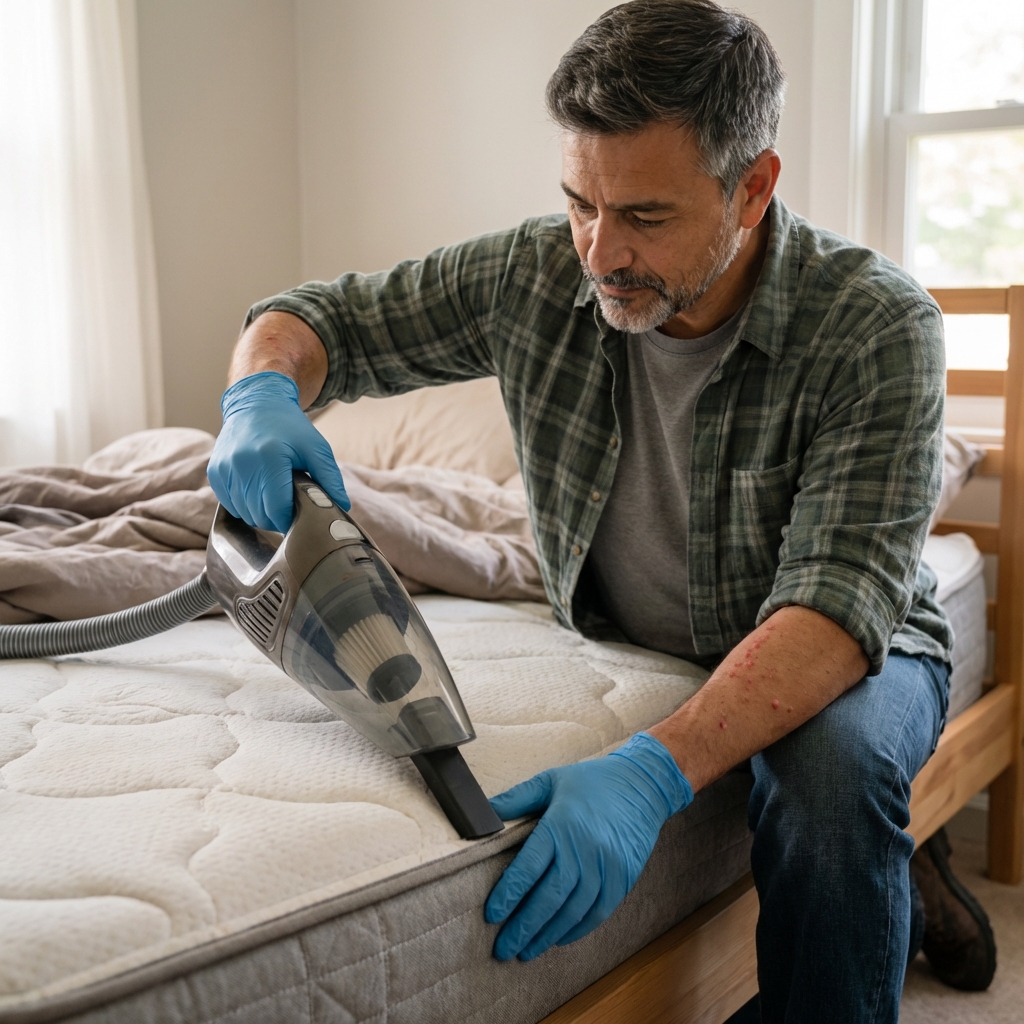
- Vacuum slowly along mattress seams, bed frame joints, and baseboards. Empty the vacuum into a sealed bag right away.
- Use a bed-bug-proof mattress encasement and keep it on. This helps trap bugs and makes inspections easier.
- Pull the bed slightly from the wall and keep bedding from touching the floor to reduce bridges.
For established infestations, professional pest control is usually the fastest path. Bed bugs are difficult to fully eliminate with store-bought sprays alone. In some cases, improper use can make control harder by scattering bugs into new hiding spots.
Comfort tips for sleeping
- Cool shower before bed, then apply your chosen anti-itch product.
- Wear long, light pajamas to reduce scratching damage and protect irritated areas.
- Keep the room cooler. Heat can intensify itching for many people.
- Use clean sheets after heat-drying to reduce irritation and help you spot new marks.
Quick checklist
- Clean bites with soap and water.
- Use cold compresses for swelling and itch.
- Try hydrocortisone 1% or calamine for short-term relief.
- Consider an antihistamine if itching is keeping you up (follow label guidance).
- Watch for infection or severe allergy signs.
- Work on bed bug control so bites stop happening.
If you want the most realistic expectation: you can usually get itching under control in a day or two, but bite marks may take a week or more to fade. The fastest fix is stopping exposure by addressing the bed bugs at the same time you treat your skin.
Medical note: This information is for general education and is not a substitute for personal medical advice. If you are worried about your symptoms or you have underlying health conditions, contact a clinician.

Jose Brito
I’m Jose Britto, the writer behind The Country Store Farm Website. I share practical, down-to-earth gardening advice for home growers—whether you’re starting your first raised bed, troubleshooting pests, improving soil, or figuring out what to plant next. My focus is simple: clear tips you can actually use, realistic expectations, and methods that work in real backyards (not just in perfect conditions). If you like straightforward guidance and learning as you go, you’re in the right place.