Bed bug bites are miserable, mostly because the itch can stick around for days and the anxiety of wondering where they came from is real. The good news is that bite care is usually straightforward, and you can take practical steps to reduce repeat bites without turning your whole life upside down.
This guide focuses on two things: treating the bites you already have and cutting down your exposure. If you garden, camp, travel, or store gear in a garage or shed, it also covers the everyday items that can quietly carry bed bugs from one place to another.
First, know what you are dealing with
Bed bug bites can look a lot like other bites. People react differently, even in the same household. Some get obvious welts, others barely show anything.
Common signs of bed bug bites
- Itchy red bumps or welts, often with a slightly darker center.
- Clusters or lines of bites, sometimes called “breakfast, lunch, dinner.”
- Bites on exposed skin like arms, neck, face, and lower legs.
- Itching that ramps up later. Some people do not itch much until hours after being bitten.
Quick reality check
Bed bugs do not live on you like ticks or lice. They feed and hide nearby. If you are getting new bites, the bigger problem is usually the environment, not your skin care routine.
How to confirm it is bed bugs
Bites alone cannot confirm bed bugs. If you are not sure, check your sleeping area for:
- Live bugs (flat, apple-seed sized adults) or tiny pale nymphs
- Dark specks along seams or edges (fecal spots)
- Shed skins (papery, tan cast skins)
- Small blood spots on sheets or pillowcases
If you find none of these, consider other common causes like mosquitoes, fleas (often around ankles), or skin irritation from a new detergent, plant exposure, or sunscreen.
Step-by-step bite treatment
Your goal is to calm inflammation, reduce itching, and prevent infection from scratching. Most bites improve on their own within 1 to 2 weeks, but the itch can be intense during the first few days.
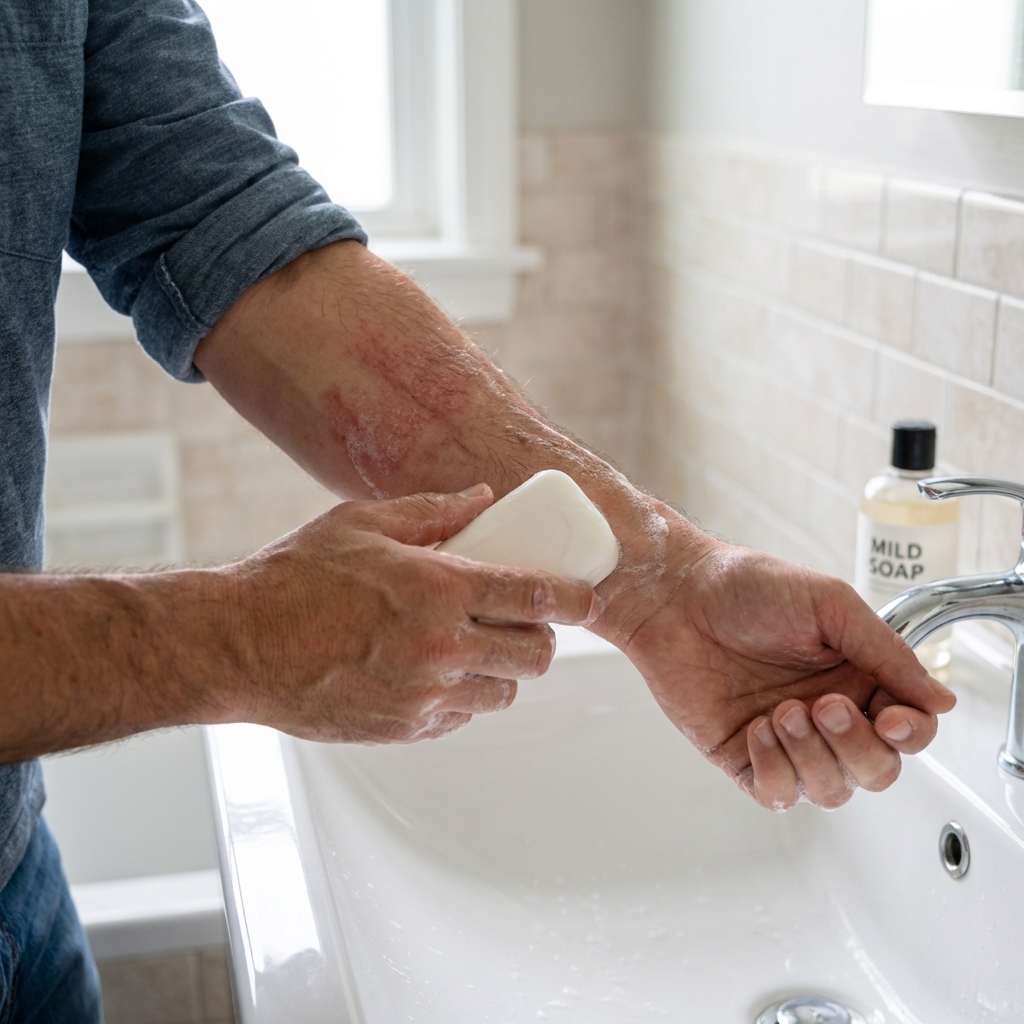
Step 1: Wash gently
- Wash bites with mild soap and cool water.
- Pat dry. Rubbing can fire up the itch.
Step 2: Use a cold compress
Cold is one of the simplest itch reducers.
- Apply a cold, damp cloth for 10 to 15 minutes.
- Repeat a few times a day, especially if you have been scratching.
Step 3: Pick one itch treatment
Choose one option and see how you respond. Layering too many products can irritate already sensitive skin.
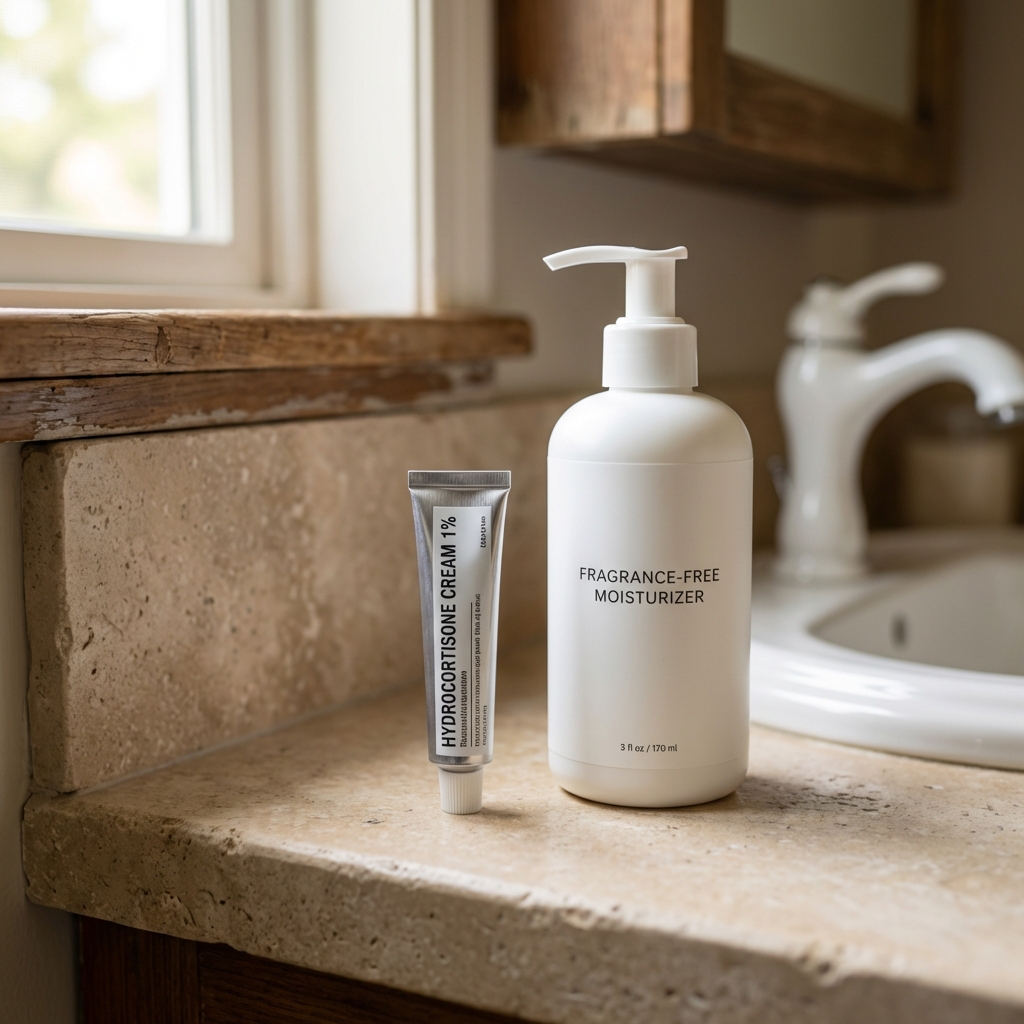
- Hydrocortisone 1% cream: Helps with inflammation and itch. Use a thin layer 1 to 2 times daily for a few days.
- Calamine lotion: Soothes itch and helps dry weepy irritation.
- Oral antihistamine (like cetirizine or loratadine): Helpful if you are reacting strongly or have many bites. Follow label directions.
- Diphenhydramine at night: Can help sleep, but it can cause drowsiness. Avoid driving. Do not combine with alcohol or other sedatives, and older adults may be more sensitive to side effects. Follow label guidance.
Step 4: Protect bites from scratching
- Keep fingernails short.
- At night, consider lightweight long sleeves or socks if bites are on arms or ankles.
- If a bite opens up, clean it with soap and water and cover it with a small bandage until it seals.
Step 5: Moisturize if your skin is dry
Dry skin itches more. A fragrance-free moisturizer can make a big difference, especially if you have been using anti-itch products that dry the skin.
What not to do
- Do not scratch if you can help it. Scratching is what turns a bite into a lingering sore.
- Avoid harsh cleaners like rubbing alcohol or bleach on bites. For minor wound care, soap and water is the safest default. If you use hydrogen peroxide, avoid repeated use since it can irritate skin and slow healing.
- Avoid heavy fragrances and essential oils on irritated skin. “Natural” does not always mean gentle.
- Do not pop any blister-like reaction. Keep it clean, cool, and protected.
When to get medical care
Most bed bug bites are a skin irritation problem, not an emergency. Still, there are a few times you should get help.
Get urgent care right away if you have
- Difficulty breathing, swelling of lips or face, or widespread hives
- Dizziness or fainting
Call a clinician if you notice
- Spreading redness, warmth, swelling, or increasing pain
- Pus, yellow crusting, or red streaks
- Fever or feeling generally ill
- Bites that do not improve after about 2 weeks
Those can be signs of infection or a stronger allergic reaction that needs medical treatment. If you are immunocompromised, pregnant, managing severe eczema, or treating a young child, check with a clinician or pharmacist before using new medications, even over-the-counter ones.
Stop the cycle indoors
Treating bites is only half the job. If bed bugs are present, you will keep getting new bites until you reduce or eliminate them. If you suspect an infestation, focus on containment first, then cleaning, then targeted treatment.
Containment you can do today
- Bag bedding and clothing from the room in sealed plastic bags until you can launder.
- Reduce clutter around the bed and along baseboards. Bed bugs love hiding spots.
- Pull the bed slightly away from the wall and keep blankets from touching the floor if possible.
- Avoid spreading them: Do not move piles of clothing, pillows, or gear from room to room. If you need to move items, bag them first.
Laundry and heat
- Wash on hot if the fabric allows.
- Dry on high heat for at least 30 minutes once items are fully dry. For bulky loads, comforters, or tightly packed dryers, go longer.
- For items you cannot wash, use the dryer alone if safe for the material.
Vacuuming and sealing
- Vacuum mattress seams, bed frame joints, baseboards, and carpet edges.
- Immediately empty the vacuum into a bag, seal it, and take it outside.
- Consider mattress and box spring encasements designed for bed bugs.
Monitor and reduce bites
- Consider interceptors under bed legs to help trap and monitor bed bugs moving to and from the bed.
Be careful with DIY pesticides
Foggers and “bug bombs” are a common mistake. They can scatter bed bugs into new hiding spots and increase exposure risk indoors. If you use any pesticide, follow the label exactly and focus on bed bug products used in targeted areas, not whole-room blasting.
If bites keep appearing after you have done the basics, it may be time to bring in a reputable pest professional. Bed bugs are stubborn, and a halfway approach can drag the problem out for months.
Garden and outdoor angles
Bed bugs rarely establish outdoors long-term. They do best in stable indoor conditions close to where people rest. The outdoor connection is usually about hitchhiking and stored items that move between the house, garage, shed, and outdoor seating.
Where they can hide temporarily
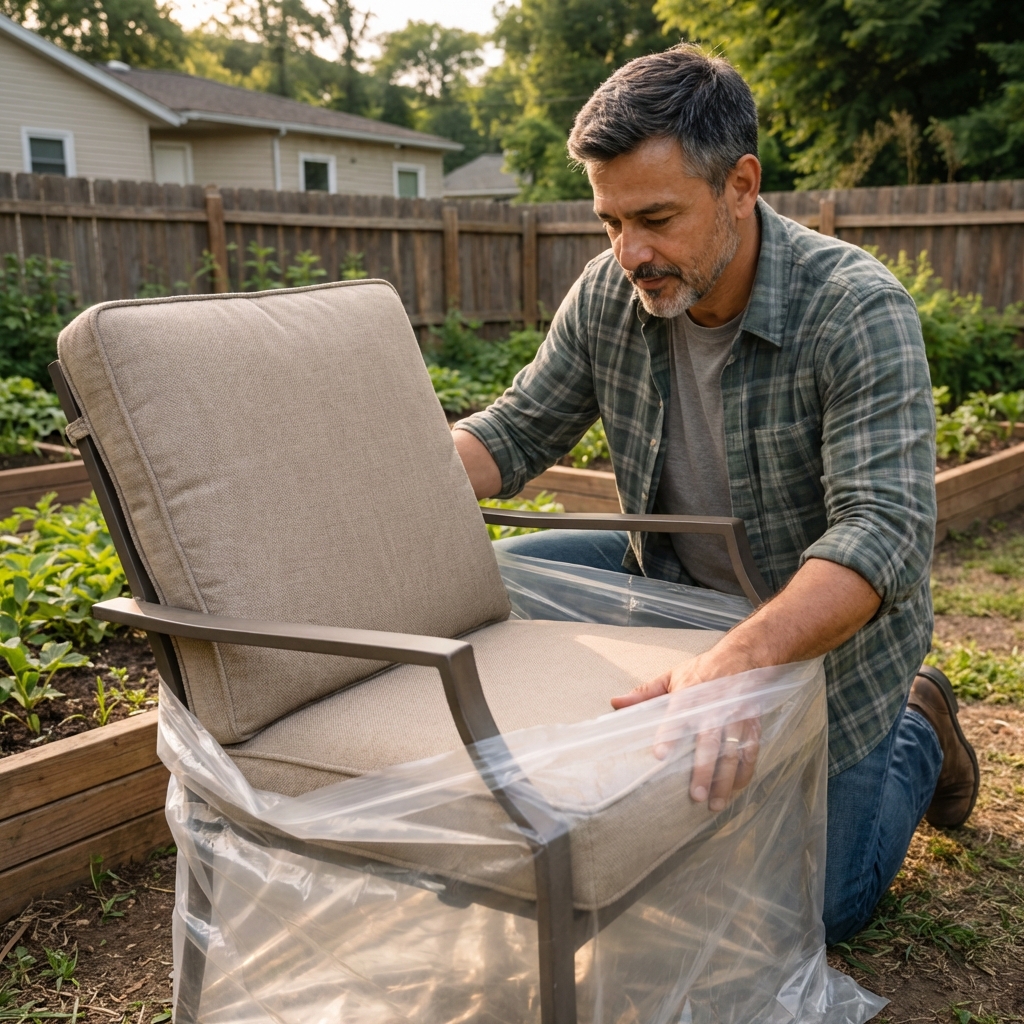
- Patio cushions stored in a garage, basement, or shed
- Outdoor blankets used for backyard movie nights or camping
- Potting bench drawers and stored fabric gloves or aprons
- Storage totes where you keep seasonal gear
- Secondhand furniture brought home for the porch, sunroom, or guest room
What to do with fabric outdoor gear
- If it is washable, launder and high-heat dry.
- If it is not washable, consider a careful dryer-only cycle if the item can tolerate it.
- Store cleaned items in sealed bins until you are confident the issue is resolved.
A note on spraying outdoors
Spraying random “bug killer” around patios and garden beds usually does not solve bed bugs and can create unnecessary exposure for kids, pets, and pollinators. If you suspect bed bugs, focus on inspection, heat, laundering, sealing, and targeted indoor control.
Simple bite care kit
If you garden, camp, travel, or buy secondhand items, it helps to have a small kit ready. Here is a practical, low-cost setup.
- Fragrance-free soap
- Cold pack or a clean washcloth for cold compresses
- Hydrocortisone 1% cream
- Calamine lotion or colloidal oatmeal product
- An oral antihistamine (non-drowsy option for daytime)
- Small bandages and a gentle moisturizer
FAQ
How long do bed bug bites last?
Many bites settle down in a few days, but visible marks can last 1 to 2 weeks. If you scratch a lot, they can linger longer and may scar or darken temporarily.
Why do my bites itch more at night?
Nighttime itching is common because you are warm, less distracted, and more likely to scratch without thinking. A cool room, clean sheets, and an antihistamine that is safe for you can help.
Can I put baking soda paste on bed bug bites?
Some people find it soothing, but it can also irritate sensitive skin. If you try it, test a small spot first and stop if it stings or dries you out.
Do bed bug bites mean my garden has bed bugs?
Usually no. Bed bugs rarely live outdoors long-term. The garden connection is more about stored outdoor fabrics and furniture that move between spaces.
Bottom line
Treat bed bug bites like an inflammation and itch problem: wash gently, cool the area, use a simple anti-itch option, and protect the skin from scratching. Then put your energy into stopping new bites by laundering with heat, reducing hiding places, monitoring activity, and checking the everyday items that travel between house, garage, and yard.
If you want one takeaway: calm the skin today, then chase the source tomorrow. That is how you get relief that actually sticks.

Jose Brito
I’m Jose Britto, the writer behind The Country Store Farm Website. I share practical, down-to-earth gardening advice for home growers—whether you’re starting your first raised bed, troubleshooting pests, improving soil, or figuring out what to plant next. My focus is simple: clear tips you can actually use, realistic expectations, and methods that work in real backyards (not just in perfect conditions). If you like straightforward guidance and learning as you go, you’re in the right place.