Bed bugs are one of those problems that can feel personal, but they are not. They show up in clean homes and messy homes alike, usually by hitchhiking in on luggage, used furniture, or even a visitor’s bag. The key is to confirm what you are dealing with, then work a step-by-step plan that limits spreading and hits every life stage.
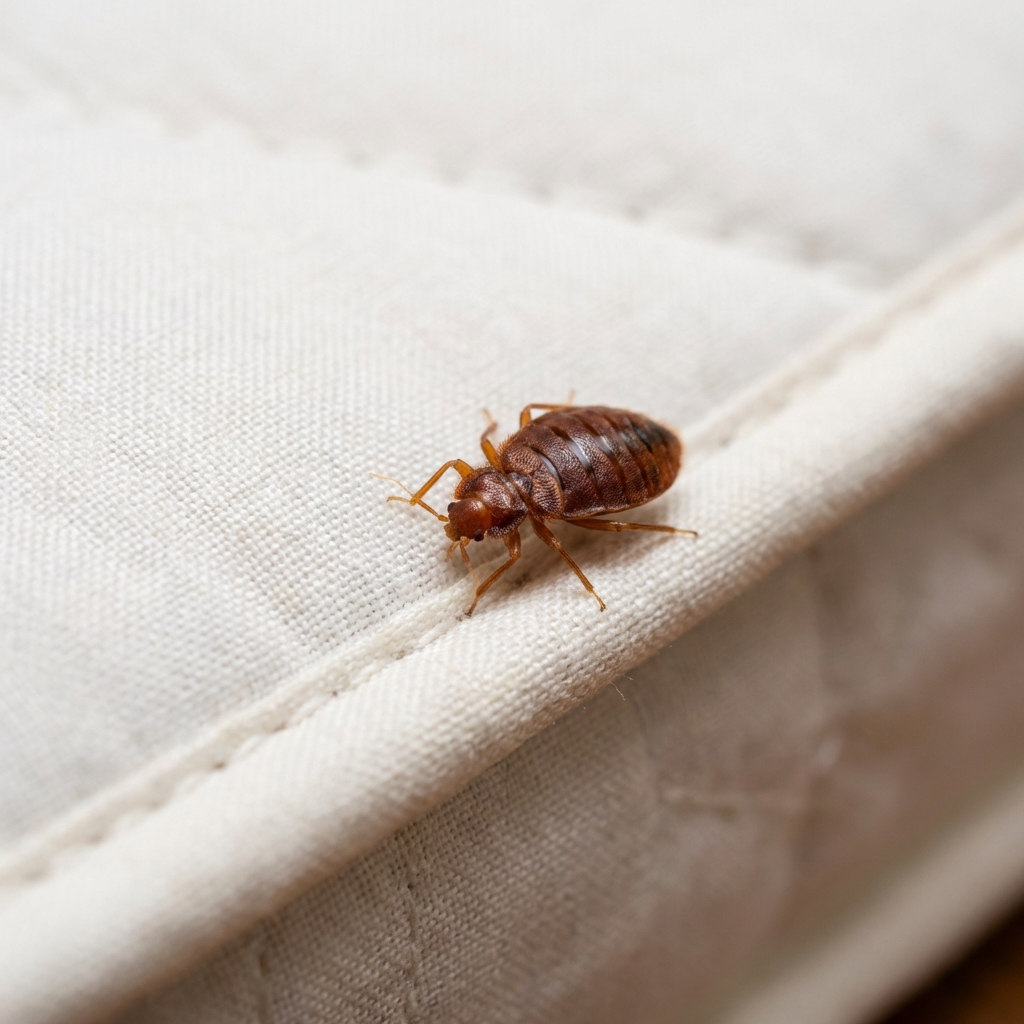
First: Make sure it is actually bed bugs
Plenty of things cause itchy bites or tiny specks on sheets. Before you spend money or start spraying, confirm the pest (or have a pro confirm it).
Common lookalikes
- Fleas: often linked to pets, bites tend to cluster around ankles and lower legs.
- Carpet beetles: the larvae can cause skin irritation, but they do not bite; you may see fuzzy larvae or shed hairs near fabrics.
- Bat bugs: very similar to bed bugs and often tied to bats in attics or wall voids; identification may require a professional.
What bed bugs look like (all life stages)
- Adults: Reddish-brown, oval, flat, about the size of an apple seed.
- Nymphs: Smaller, pale to translucent, often easier to spot after feeding.
- Eggs: Tiny, white, and stuck into cracks and seams.
Common signs (generally most reliable first)
- Live bugs or shed skins in mattress seams, bed frame joints, or along baseboards.
- Fecal spots: small dark dots that look like ink marks, often on seams, tags, and nearby wood.
- Blood smears on sheets or pillowcases.
- Musty odor in heavier infestations (not reliable on its own).
- Bites: can help you suspect bed bugs, but bites alone cannot confirm them.
Reality check: If you do not find physical evidence, keep looking. A lot of early infestations are missed because people only check the top of the mattress.
Step 1: Understand the cause (how they got in)
Bed bugs usually arrive as stowaways. Knowing the likely source helps you stop the problem from restarting.
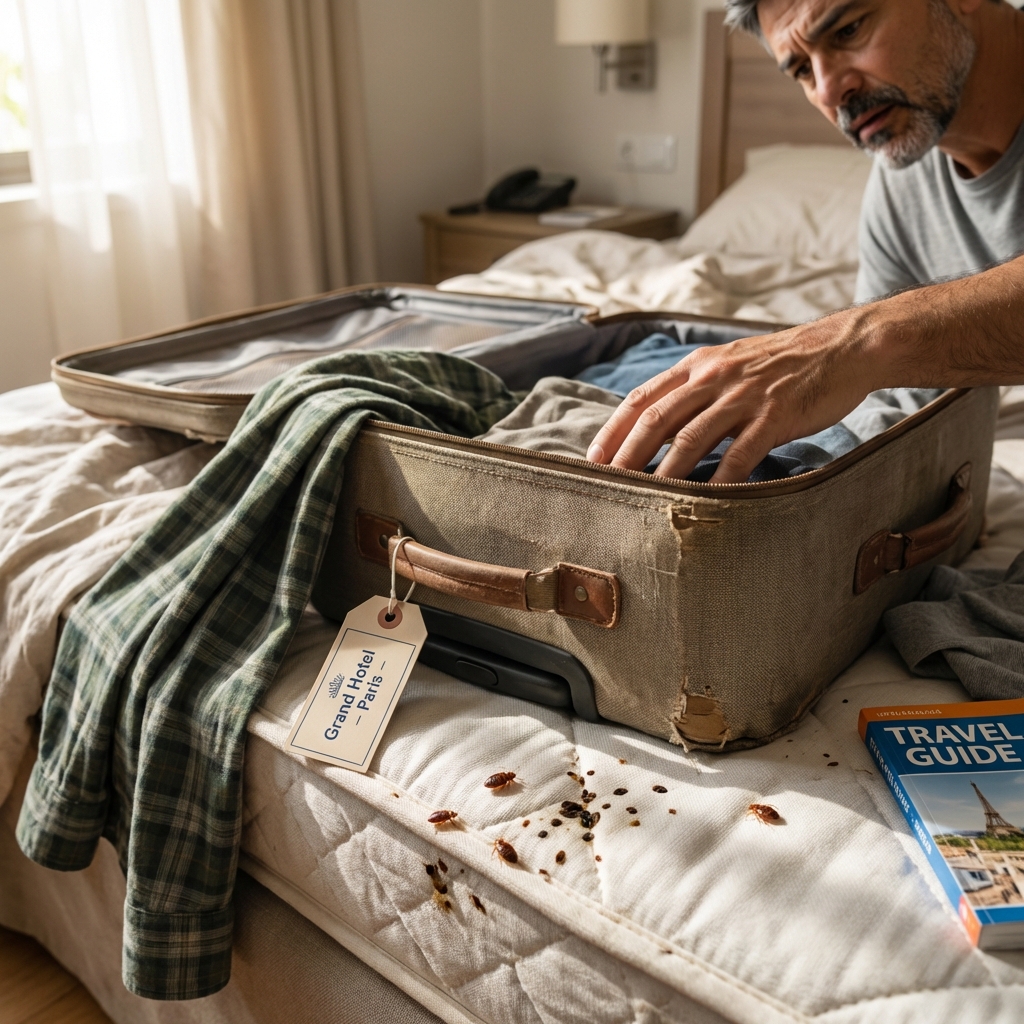
- Travel: hotel rooms, vacation rentals, trains, planes, shared luggage areas.
- Secondhand items: mattresses, bed frames, couches, recliners, nightstands.
- Visitors: bags, coats, or overnight guests from an infested environment.
- Multi-unit housing: bugs can move through wall voids, utility penetrations, and around pipes and wiring, and they also spread by hitchhiking on items moving between units.
Step 2: Inspect the right places (a quick checklist)
Bed bugs like tight, dark cracks close to where people rest. Use a flashlight, an old credit card to probe seams, and something to collect samples (clear tape or a small jar).
Start with the bed
- Mattress seams, piping, tags, and corner folds
- Box spring edges, fabric underside, and stapled seams
- Bed frame joints, screw holes, slats, and headboard cracks
Then move outward 3 to 6 feet
- Nightstands and dressers, especially drawer corners and underside
- Baseboards, carpet edges, and floor cracks
- Behind pictures, mirrors, and wall hangings near the bed
- Curtain folds and the top edge of drapes
Do not forget couches and chairs
- Cushion seams, zippers, and under cushions
- Stapled fabric under the furniture
- Recliner mechanisms and frame joints

Step 3: Confirm and contain (before you treat)
This step prevents you from spreading bugs to other rooms while you troubleshoot and treat.
Containment moves that help immediately
- Stop moving items room to room. That is the fastest way to spread an infestation.
- Bag soft items at the source. Use sealed plastic bags for bedding, clothes, and stuffed items.
- Pull the bed slightly from the wall. Keep blankets from touching the floor.
- Set up bed bug interceptors under bed and couch legs if possible. Interceptors are small traps that catch bugs as they climb up or down, helping you reduce bites and monitor activity.
If you can capture a bug, keep it. A pest control company or local extension office can confirm the ID quickly, and you will know you are not treating the wrong pest.
Step 4: Non-chemical control you should do no matter what
Even if you plan to hire a professional, these steps make treatments work better and reduce the number of bugs fast.
Declutter without spreading
- Do not carry loose piles of clothing or linens through the home. Bag first, then move.
- Sort into “treat” and “trash.” For trash, seal in a bag before removing from the room.
- Treat before storing elsewhere. Heat-dry, steam, or otherwise treat items before they leave the affected space.
Launder and heat-dry correctly
- Move bagged laundry straight to the washer.
- Wash with hot water when the fabric allows.
- Dry on high heat (heat is the real killer). Dry times vary by dryer and load size. A common approach is running high heat for about 30 minutes after items are fully dry, or following public health or product guidance when available.
- After drying, store items in clean sealed bags or bins until the problem is solved.
Vacuum with purpose
- Vacuum mattress seams, bed frame joints, baseboards, and carpet edges.
- Use a crevice tool and go slowly.
- Immediately seal and discard the vacuum bag. If bagless, empty into a bag, seal, and take outside.
Steam treatment (very effective when done right)
- Use a steamer that produces continuous vapor, not a small handheld that spits water.
- Move slowly over seams, tufts, and cracks so the heat penetrates.
- Do not blast so hard that you blow bugs deeper into gaps.
- Safety and damage note: Steam can burn skin and can warp finishes or soak materials if overdone. Test a small hidden spot first and keep kids and pets away while you work.
Encase the mattress and box spring
- Use bed bug-rated encasements.
- Keep them on for about 12 months (sometimes longer), or per manufacturer guidance. This helps ensure any trapped bugs eventually die and prevents new hiding spots on the surface.
- Encasements trap bugs inside and remove hiding spots on the outside.

Step 5: Targeted chemical control (only where it counts)
Spraying random products around the room is one of the most common mistakes. Bed bugs hide in cracks and can be resistant to many over-the-counter insecticides. If you use chemicals, use them carefully and strategically.
Safer, practical options for DIY
- Silica gel or diatomaceous earth (labeled for bed bugs): Use a very light dusting in cracks, voids, and along baseboards. Too much dust can make them avoid the area.
- Crack-and-crevice labeled sprays: Apply to hiding spots like bed frame joints and baseboards, not across bedding or sleeping surfaces.
What to avoid
- Bug bombs or foggers: They rarely reach the hiding places that matter and may drive bed bugs into deeper hiding or spread them to new areas.
- Unlabeled “home remedies”: Rubbing alcohol, essential oils, and strong cleaners can be flammable or irritating and typically do not solve infestations.
Safety note: Always follow the product label. Keep kids and pets away during and after application as directed. If you have asthma or chemical sensitivities, lean on non-chemical steps and professional help.
Step 6: Consider professional treatment (often the fastest path)
If you have multiple rooms affected, live in an apartment building, or keep finding bugs after 2 to 3 weeks of serious effort, it is time to bring in a licensed pest professional.
Common professional options
- Heat treatment: Raises room or whole-home temperature high enough to kill bugs and eggs when done correctly. Fast, but needs proper prep and can be costly.
- Targeted insecticide program: Usually multiple visits spaced about 7 to 14 days apart to catch newly hatched bugs, depending on the operator’s protocol.
- Combination approach: Often the most reliable, especially in established infestations.
If you rent or share walls
- Notify property management early. Multi-unit infestations often require coordination to prevent reinfestation.
- Ask about adjacent units. Neighboring units may need inspection or monitoring.
- Follow the building’s protocol. It can affect treatment choices, prep rules, and follow-up access.
Questions to ask before hiring
- How many visits are included and how far apart?
- What prep work is required from me?
- Do you use bed bug monitors or interceptors to confirm progress?
- What is your guarantee and what does it cover?

Step 7: Follow-up and monitoring (where most plans fail)
Bed bugs are tough because eggs can survive some treatments and hatch later. Proper heat treatments can kill eggs, but many sprays and dusts are less reliable against them. A one-and-done mindset is how infestations rebound.
- Keep interceptors in place for at least 6 to 8 weeks after you stop seeing signs.
- Re-inspect weekly: mattress encasements, bed frame joints, and baseboards.
- Repeat vacuuming and laundering as you reduce clutter and treat.
- Do not remove encasements early.
One practical note: If it is safe to do so, many professionals recommend continuing to sleep in the treated room during the process so bugs are not encouraged to spread in search of a meal. Situations vary, especially with severe reactions or medical concerns, so follow professional guidance when you have it.
If you are still seeing live bugs after a couple rounds of proper treatment, resistance or missed harborages are likely. That is a strong sign you need professional support or a different strategy.
Prevention: keep bed bugs from coming back
Once you have dealt with bed bugs, prevention becomes simple habits, especially around travel and secondhand items.
Travel habits that help
- Keep luggage on a rack, not on the bed.
- At hotels, quickly check mattress seams and the headboard area.
- When you get home, dry travel clothes on high heat before putting them away.
- Store luggage away from bedrooms if possible.
Secondhand furniture rules
- Avoid used mattresses and upholstered furniture unless you can verify the source.
- Inspect seams, undersides, joints, and screw holes before bringing items inside.
- If you do bring something in, isolate it in a garage or sealed area and monitor.
Quick FAQ
Can bed bugs live in clean homes?
Yes. Cleanliness does not prevent bed bugs. Clutter can make them harder to eliminate, but it does not cause them.
Do bed bugs spread disease?
They are not known to spread disease the way mosquitoes or ticks do, but bites can cause itching, welts, lost sleep, and secondary skin infections from scratching.
How long does it take to get rid of bed bugs?
Light infestations can sometimes be controlled in a few weeks with consistent work. Established infestations often take 6 to 8 weeks or more, especially if multiple treatments are needed.
Simple action plan you can follow today
- Tonight: Inspect mattress seams, bed frame joints, and the nearest nightstand. Look for spots, shed skins, and live bugs.
- Tomorrow: Bag bedding and clothes, then heat-dry on high. Vacuum and dispose of vacuum contents outside.
- This week: Encase mattress and box spring, set interceptors, reduce clutter using sealed bags, and steam key areas if you can.
- Next 2 to 6 weeks: Re-inspect weekly and continue targeted treatment and monitoring.
If you want the fastest results and the least guesswork, professional help is often worth it, especially once bed bugs are in more than one room.

Jose Brito
I’m Jose Britto, the writer behind The Country Store Farm Website. I share practical, down-to-earth gardening advice for home growers—whether you’re starting your first raised bed, troubleshooting pests, improving soil, or figuring out what to plant next. My focus is simple: clear tips you can actually use, realistic expectations, and methods that work in real backyards (not just in perfect conditions). If you like straightforward guidance and learning as you go, you’re in the right place.