Fleas are one of those problems that feel out of proportion to their size. One minute you are weeding the beds, the next your ankles are getting bitten and the dog is scratching nonstop. The good news is you can get real results with home remedies, but only if you treat fleas like a cycle, not a single bug.
Fleas have four life stages: egg, larva, pupa, adult. Most of what is happening is hidden in carpet fibers, pet bedding, shaded soil, and leaf litter. That is why a quick spray might knock down adults but still leave you with “mystery fleas” a week later.
First: confirm it is fleas
Before you throw treatments at the problem, make sure you are targeting the right pest.
- Bites: Flea bites often show up as small itchy bumps in clusters, especially around ankles and lower legs.
- Pets: Look for “flea dirt” on pets: tiny black specks that turn reddish-brown when wet on a paper towel.
- Indoors: Fleas often hang out where pets sleep and where people sit, like rugs, couches, and pet beds.
If your bites are mostly after walking in tall grass and you do not have pets, you may be dealing with chiggers or mosquitoes. The yard steps below still help, but the indoor and pet steps matter most for typical flea problems.
The core strategy: break the flea life cycle
If you remember one thing, let it be this: you will not win by only killing adult fleas. You need a plan that targets adults now and prevents eggs and pupae from becoming the next wave.
What works best together
- Immediate knockdown: soap and water traps, vacuuming, laundering, pet combing
- Egg and larva pressure: frequent cleaning, yard sanitation, targeted safe treatments
- Consistency: repeat for 2 to 4 weeks (sometimes 6 or more in cool, humid conditions or severe infestations)
Best home remedies for fleas indoors
1) Vacuuming (boring, but it is the heavy hitter)
Vacuuming removes adults, eggs, and larvae from carpets and cracks. It can also stimulate pupae to emerge (vibration and disturbance are part of it), which is one reason repeated vacuuming helps.
- Vacuum rugs, pet areas, couch cushions, and baseboards daily for 7 to 10 days.
- Use the crevice tool along edges and under furniture.
- Vacuum, then immediately seal and toss the bag. If bagless, empty into a sealed trash bag outdoors.
Tip: If you have a HEPA vacuum or a HEPA filter option, use it. Flea debris and fine dust are not what you want floating back into the room.
2) Hot wash and high heat drying
Wash anything your pet uses: bedding, throw blankets, crate pads, washable rugs, and soft toys.
- Use hot water when fabric allows.
- Dry on high heat for at least 30 minutes.
- Repeat weekly until you have zero signs for a couple weeks.
3) Dish soap trap (for monitoring and light control)
This is a simple home remedy that can reduce adult fleas and help you see where activity is highest.
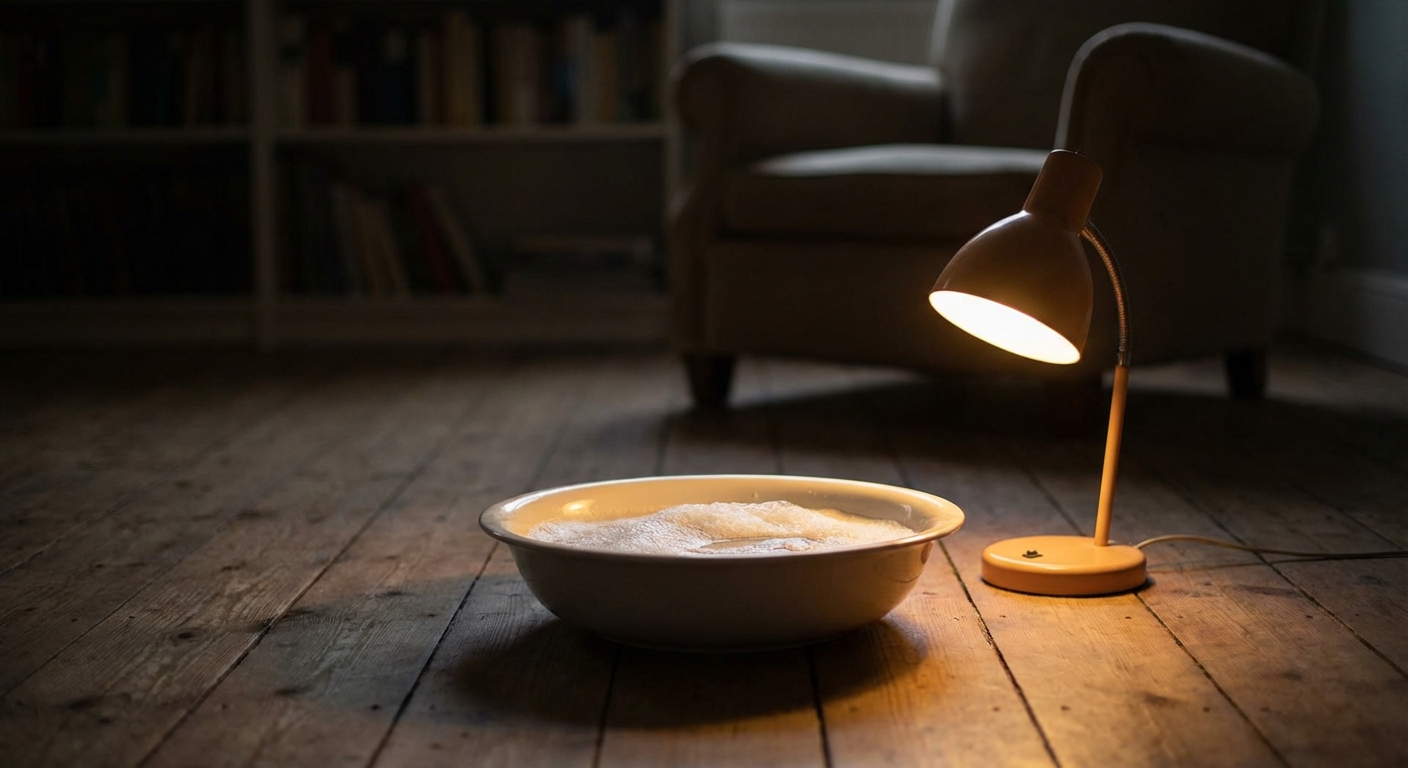
- Set a shallow bowl of warm water with a few drops of dish soap near pet sleeping areas.
- At night, aim a small lamp toward the bowl. Light and warmth can draw fleas in, and the soap breaks surface tension so they sink.
- Check each morning and refresh as needed.
4) Baking soda and salt (use carefully)
Salt can help dry out flea stages in carpets, and baking soda can help work it into fibers. Results vary, but it can be a useful add-on when paired with vacuuming.
- Lightly sprinkle fine salt (or a salt and baking soda mix) into carpet.
- Brush in gently, let sit 12 to 24 hours, then vacuum thoroughly.
Important: Keep powders away from pet and kid lungs and anywhere pets will lick. If you have small kids, pets with breathing issues, or a very dusty home, skip this and lean on vacuuming and laundering instead.
5) Diatomaceous earth (food grade only)
Food grade diatomaceous earth can help in dry indoor areas by damaging flea exoskeletons. It is not a quick kill, it must stay dry, and it tends to work poorly in humid conditions.
- Apply a very light dusting into cracks, along baseboards, and under appliances.
- Leave for 24 to 48 hours, then vacuum.
Safety note: Avoid breathing the dust. Wear a mask, keep pets and kids away until it settles, and never use pool-grade diatomaceous earth.
Best home remedies for fleas on pets
Quick gardener truth: yard fleas almost always route through the pet. If you do not protect the pet, the house and yard work can turn into an endless loop.
I am all for natural options, but fleas on pets are where “gentle” can turn into “not effective,” and that is when infestations drag on. If your pet is suffering, talk with a vet about the safest effective product for your animal. You can still keep your approach practical and low-tox.
Non-negotiable: Treat all pets in the household with a vet-approved flea control plan for the full cleanup window. Home remedies help, but they often fail without effective on-pet protection.
1) Flea comb plus soapy water
This is the most useful immediate home remedy for pets.
- Comb daily, especially around the neck, tail base, and belly.
- Dip the comb into a cup of warm water with dish soap to kill what you catch.
2) Bathing (for dogs, not usually for cats)
A bath can reduce adult fleas fast. Use a pet-safe shampoo. If you use dish soap, do it sparingly and not often, since it can dry skin.
- Start by wetting and soaping the neck first. This helps block fleas from running to the head.
- Work down the body, then rinse thoroughly.
For cats: Many cats do not tolerate baths well, and some essential oils are dangerous to them. A flea comb and vet-approved options are usually safer.
3) Avoid essential oils as “flea cures”
You will see recommendations for tea tree, peppermint, eucalyptus, pennyroyal, and others. Some can be toxic to pets, especially cats, and “natural” does not mean safe. If you want a good-smelling home, use pet-safe cleaning routines instead of oil-based sprays.
Best home remedies for fleas in the yard
In many flea problems, the yard is the refill station. Adult fleas and wildlife hang out in cool, shaded, protected spots. Your job is to make those areas less comfortable.
1) Clean up the shady, damp hangouts
Fleas love leaf litter, tall grass, and moist shade.
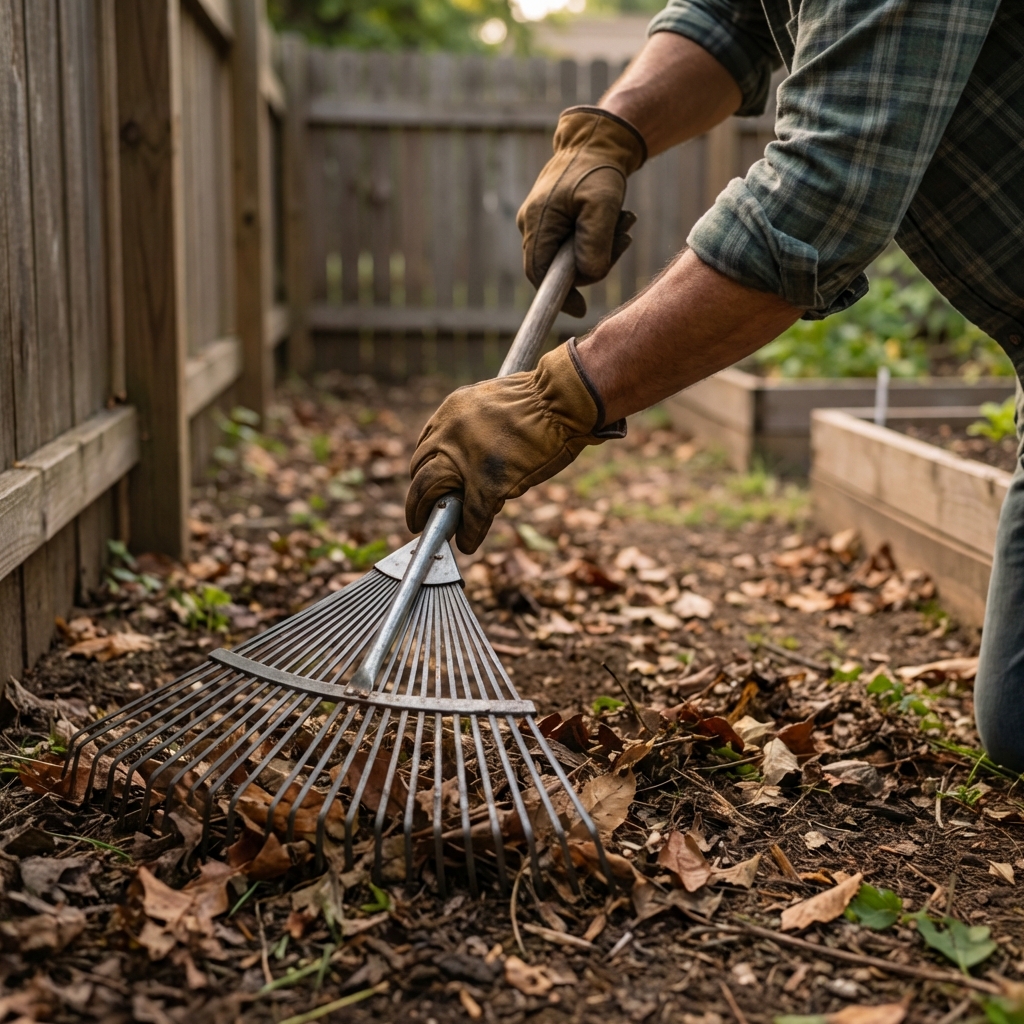
- Rake up leaves and debris under shrubs, decks, and fences.
- Mow regularly and trim weedy edges.
- Open up airflow where possible by thinning dense groundcover.
2) Target pet zones
Focus on the places your pets actually use. Treating the entire yard is usually unnecessary and harder on beneficial insects.
- Pick up and wash outdoor pet bedding weekly.
- Move pet resting spots into sunnier, drier locations when possible.
- Keep mulch layers reasonable in pet pathways, since deep mulch holds moisture and creates cover.
3) Nematodes (a natural yard option that actually makes sense)
Beneficial nematodes, especially Steinernema carpocapsae or Steinernema feltiae, can reduce flea larvae in soil. They work best in moist, shaded areas and during mild temperatures. Species availability and performance can vary by supplier and region.
- Apply in the evening or on a cloudy day to protect them from UV light.
- Water the area before and after application, then keep soil lightly moist for about a week.
- Use them where fleas develop: shaded edges, under decks, along fence lines, and pet lounging zones.
4) Yard sprays: what to know
Vinegar sprays, garlic sprays, and strong herb teas are popular online. In real yards, they tend to be short-lived and inconsistent. If you like them, treat them as a temporary repellent in small areas, not a cure.
If you need a stronger yard approach, consider products based on insect growth regulators (IGRs) or professional guidance. That is beyond “home remedy,” but it is often the difference between chasing fleas all summer and actually stopping them.
5) Watch for wildlife
Wildlife like raccoons, opossums, and feral cats can keep flea pressure high in the yard. If you are constantly reinfested, reduce attractants (pet food left outside, open trash) and block access to crawl spaces or under-deck nesting spots where practical.
A simple 14-day flea plan
Days 1 to 3: hit adults and hotspots
- Start or confirm vet-approved flea protection for every pet in the home.
- Vacuum daily (rugs, edges, couch cushions, pet areas).
- Wash and dry pet bedding on hot.
- Flea comb pets daily.
- Set soap traps in 1 to 3 rooms to monitor activity.
Days 4 to 10: keep pressure on the next wave
- Vacuum every day or every other day.
- Repeat bedding laundry mid-week.
- Do yard cleanup in shaded corners and pet zones.
- If using nematodes, apply once during this window.
Days 11 to 14: verify and prevent
- Vacuum twice during the week.
- Keep traps out and check results.
- Maintain mowing and leaf litter cleanup.
- Stay consistent with the pet plan.
If you are still seeing fleas after two full weeks of consistent work, you likely have a pet treatment gap, wildlife activity, or pupae still emerging. Stay the course another 2 weeks and consider vet support or an IGR-based indoor treatment.
Common mistakes
- Only treating the yard: Flea stages are often concentrated indoors where pets sleep.
- Only treating the house: Pets can pick them back up from shaded yard edges.
- Stopping too soon: Pupae can wait and hatch later. Consistency is what ends the cycle.
- Overusing strong DIY sprays: You can irritate pets and people while not solving the real problem.
- Not treating every pet: One untreated animal can keep the whole infestation going.
When to get help
Home cleanup can work well, but it is smart to bring in a vet or a professional if:
- Your pet has severe itching, open sores, or signs of flea allergy dermatitis.
- You see tapeworm segments (fleas can transmit tapeworms).
- You have a very young, small, or frail pet (risk of anemia is real).
- You cannot get control after 4 to 6 weeks of consistent effort.
FAQ
What is the best home remedy for fleas?
For most homes, it is the combination of frequent vacuuming, hot laundering of pet bedding, and flea combing pets, repeated for at least 2 weeks. No single DIY spray beats consistent mechanical removal, and most cases improve faster when pets are on effective vet-approved protection.
Does vinegar kill fleas?
Vinegar can repel some insects, but it is unreliable for killing fleas and does not address eggs and pupae well. It can be a short-term helper, not a full solution.
Is diatomaceous earth safe around gardens?
Food grade diatomaceous earth can be used carefully, but it can also harm beneficial insects if overapplied. Use it in targeted cracks indoors, not broadly across flower beds where pollinators are active.
Can fleas live in raised beds?
They can be present in soil and mulch if conditions are shaded and moist, especially near pet paths. Sun, airflow, and reducing debris make raised bed areas less friendly to them.
Bottom line
If you are a gardener, you already know the secret: you get results by doing the basics well and repeating them. Fleas are the same. Clean the indoor hotspots, protect the pet side responsibly, and tidy up the cool shaded corners outdoors. Do that for a few weeks, and you can usually go from constant scratching to zero bites.

Jose Brito
I’m Jose Britto, the writer behind The Country Store Farm Website. I share practical, down-to-earth gardening advice for home growers—whether you’re starting your first raised bed, troubleshooting pests, improving soil, or figuring out what to plant next. My focus is simple: clear tips you can actually use, realistic expectations, and methods that work in real backyards (not just in perfect conditions). If you like straightforward guidance and learning as you go, you’re in the right place.