Container gardening is one of the fastest ways to go from “I might try growing something” to actually harvesting dinner. You do not need perfect soil, a big yard, or fancy gear. You need a decent pot, good potting mix, sunlight, and vegetables that are happy to live in containers.
This guide focuses on vegetables that reliably perform in real-world pots, plus the simple DIY setup that keeps them productive.
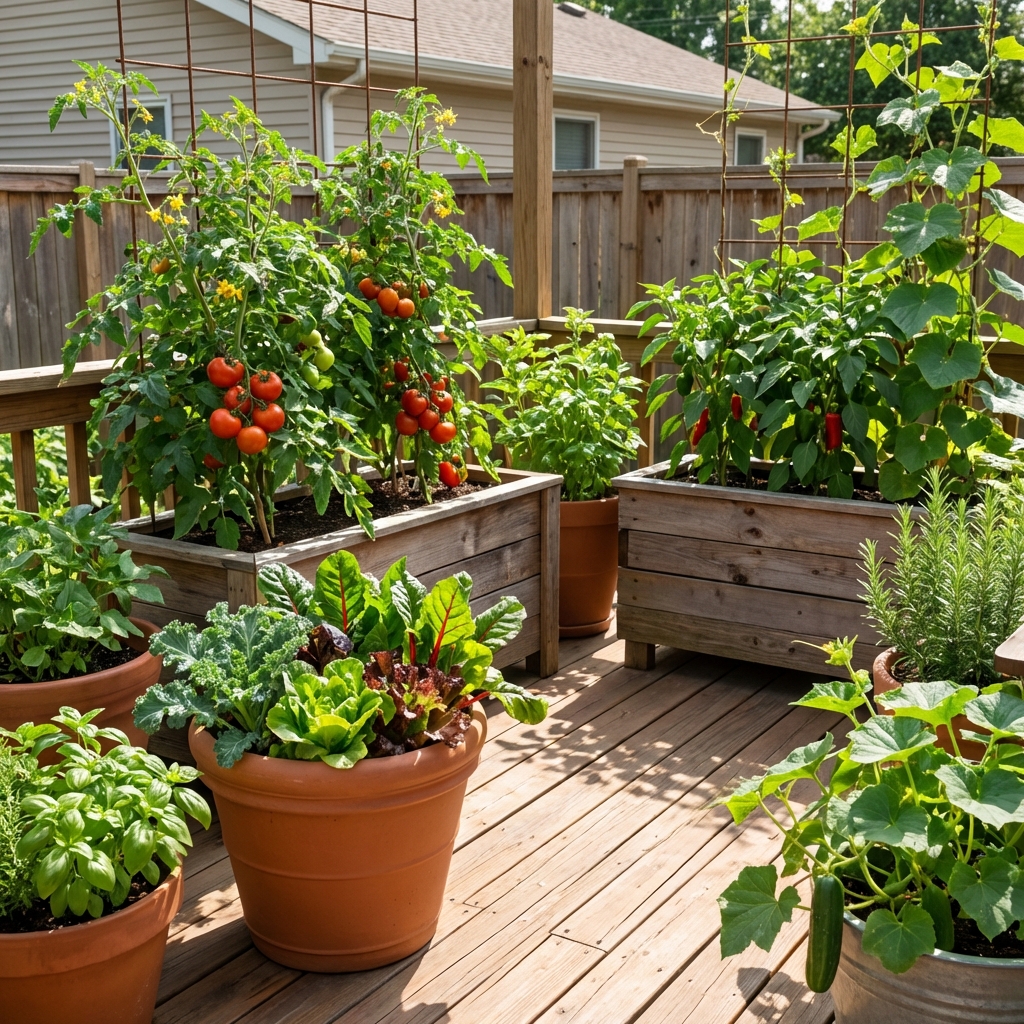
Quick DIY setup (so your vegetables actually thrive)
Quick summary: big pot, light mix, consistent water.
1) Pick the right container size first
Most container failures come from pots that are too small. Small pots dry out fast, run out of nutrients quickly, and stress plants into low yields. When in doubt, go bigger.
- 5-gallon (19 L) container: good for peppers, bush beans, compact cucumbers with a trellis, and many herbs.
- 7 to 10-gallon (26 to 38 L): better for eggplant and larger pepper varieties, or one tomato if you are serious about harvest.
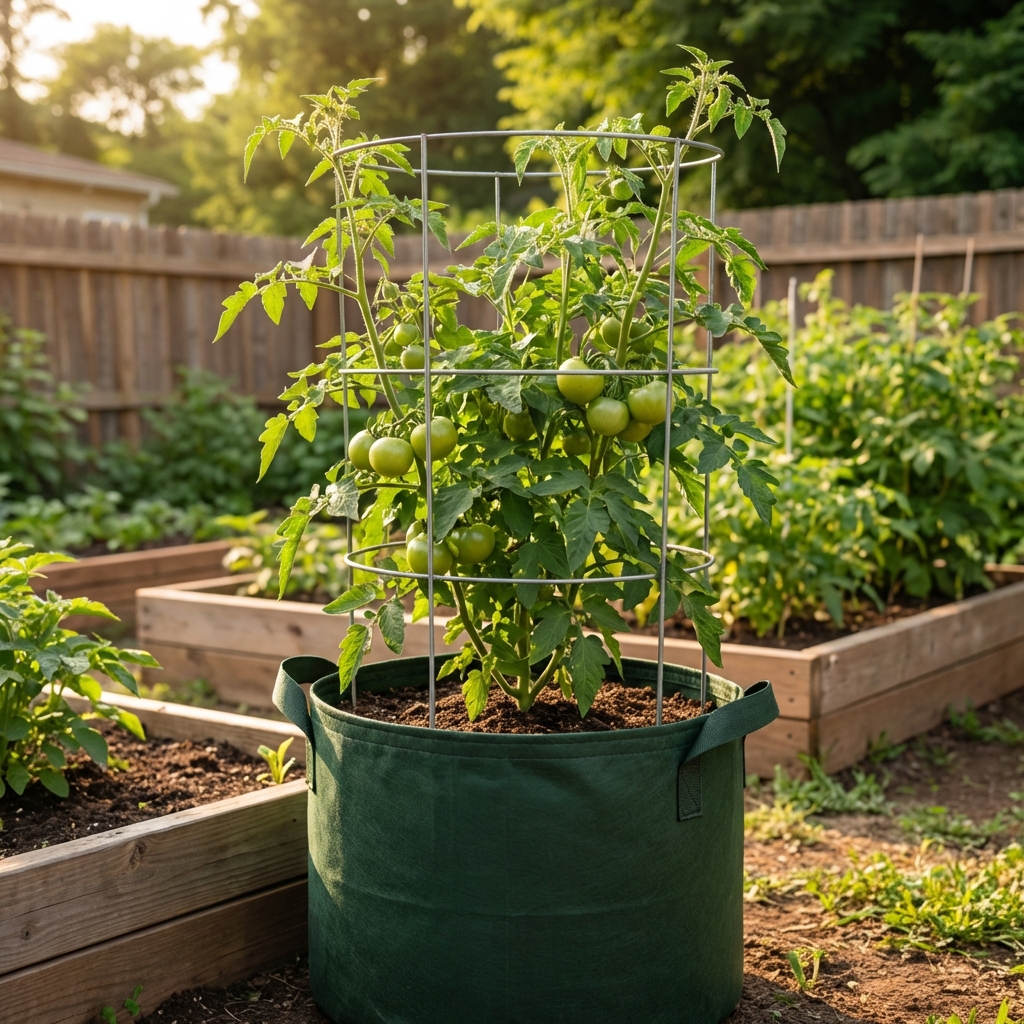
- 15 to 25-gallon (57 to 95 L): best for big, productive tomatoes or a small “mini raised bed” style planting.
- Window box or shallow planter (6 to 8 inches deep): ideal for lettuce, arugula, spinach, radishes, and green onions.
Drainage is non-negotiable. If your container has no drainage holes, add them or pick a different container. If you use a saucer, empty it after watering so the roots do not sit in water.
2) Use potting mix, not garden soil
Garden soil compacts in containers and can stay soggy or turn brick-hard. Use a quality potting mix and plan to feed your plants, because potting mix does not contain endless nutrients.
- Start with a general vegetable potting mix.
- Mix in compost if you have it, roughly 20 to 30% by volume.
- For thirsty crops (tomatoes, peppers), consider adding perlite for drainage if your mix feels heavy.
3) Sunlight targets
- 6 to 8+ hours: fruiting vegetables like tomatoes, peppers, cucumbers, eggplant.
- 4 to 6 hours: leafy greens tolerate this well, especially with afternoon shade in summer.
- Root crops: many can manage 4 to 6 hours, but most do best closer to 6+ hours (carrots especially).
4) Watering rule that saves beginners
Water deeply until you see water run from the bottom, then wait until the top inch of mix is dry before watering again. In hot weather, that may be daily. In mild weather, it might be every 2 to 4 days.
5) A quick note on container heat
Containers can overheat in summer, especially small or dark pots on concrete. If your plants wilt hard in the afternoon even with decent moisture, give them afternoon shade, move pots off hot surfaces, or use lighter-colored pots. Fabric grow bags run cooler but dry out faster, terra cotta breathes (also dries faster), and plastic holds moisture longer.
Simple best vegetables for containers (with pot sizes)
1) Lettuce and salad greens
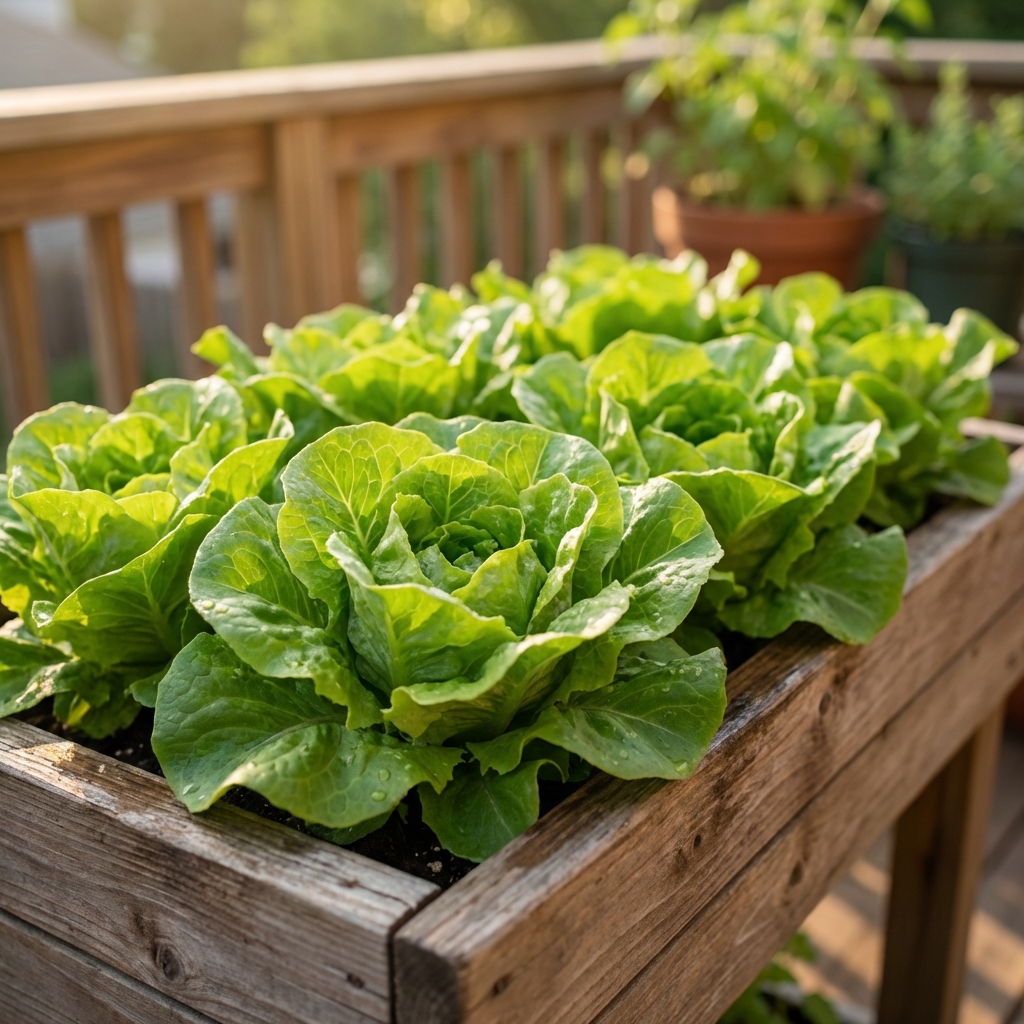
If you want quick wins, start here. Lettuce, arugula, baby kale, and spinach grow fast, tolerate smaller containers, and you can harvest leaves as you go.
- Container: 6 to 8 inches deep, any width you can fit
- Sun: 4 to 6 hours, afternoon shade helps in summer
- Harvest tip: “Cut and come again” by snipping outer leaves, leaving the center to regrow
- Season tip: greens prefer cooler weather and may bolt in heat. Plant a little every 2 to 3 weeks for steady salads.
2) Tomatoes (choose the right type)
Tomatoes are famous for containers and also famous for disappointing people when the pot is too small. Use a big container and support the plant early.
- Best types for containers: cherry tomatoes and compact determinate varieties
- Container: 10 gallons minimum, 15+ gallons for best production (usually 1 plant per pot)
- Support: sturdy cage or stake at planting time
- Water: consistent moisture to reduce blossom end rot and cracking
3) Peppers (sweet or hot)
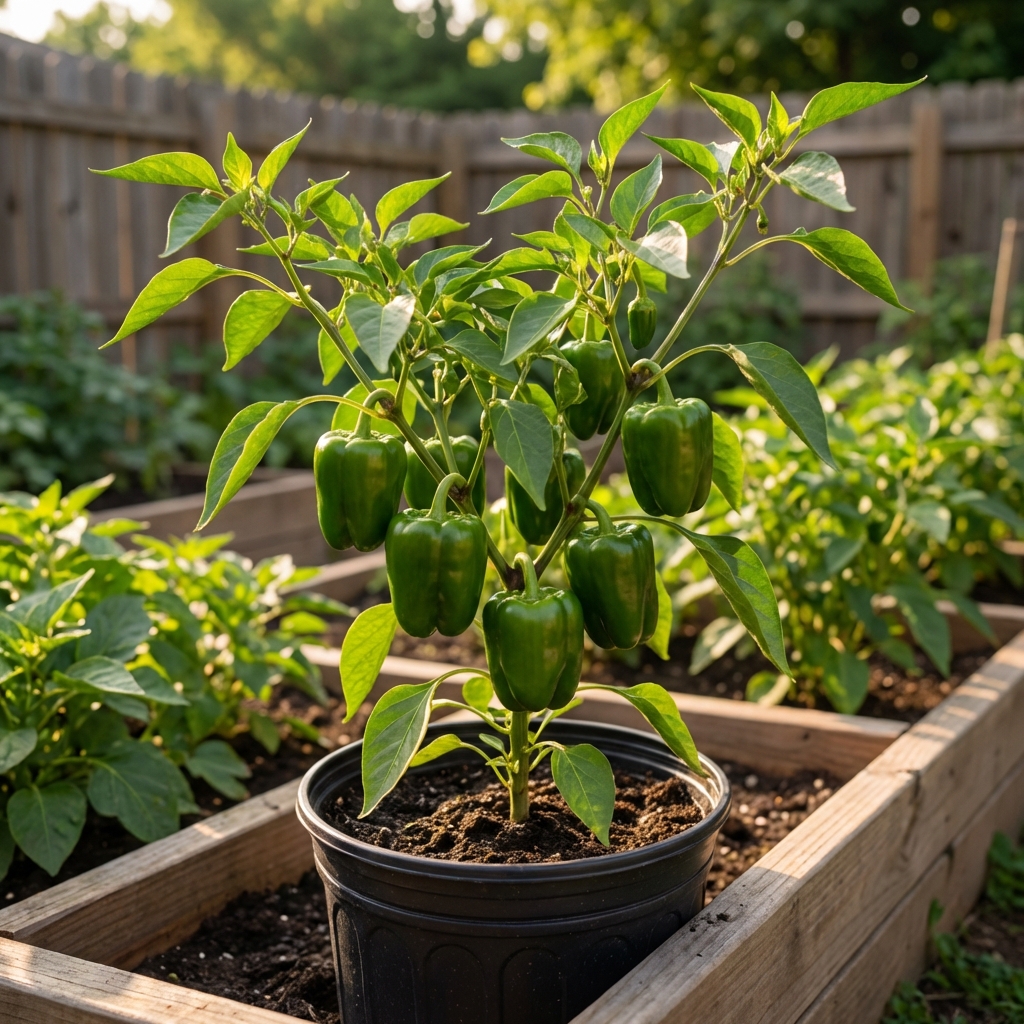
Peppers are one of my favorite “set it and steady harvest” container crops. They like warmth, they do well in pots, and they do not demand as much space as tomatoes.
- Container: 3 to 5 gallons for most varieties (typically 1 plant per pot), 7 gallons for larger plants
- Sun: 6 to 8+ hours
- Tip: a simple stake prevents branches from snapping when fruit loads up
4) Bush beans
Bush beans are quick, forgiving, and productive. They are also great for beginners because they tell you fast whether your setup is working.
- Container: 3 to 5 gallons per plant, or a wider planter for multiple plants (2 gallons can work for a single plant if you stay on top of watering and feeding)
- Sun: 6+ hours
- Spacing: about 4 to 6 inches apart in a wide planter
- Harvest tip: pick often to keep the plant producing
5) Cucumbers (best with a trellis)
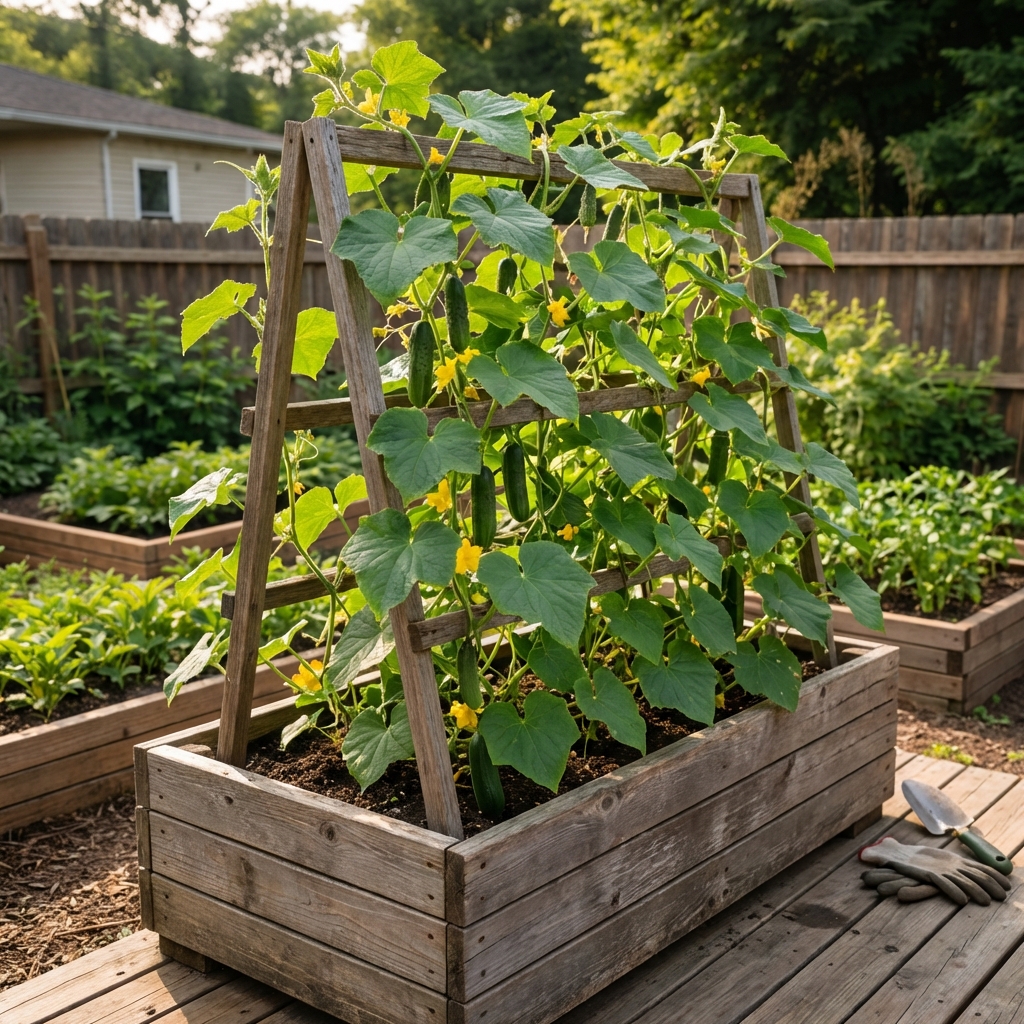
Cucumbers love to sprawl, so give them vertical support and they become a solid container crop. Look for “bush” or “patio” cucumber varieties for easier management.
- Container: patio or bush types: 5 to 7 gallons per plant; full-size vines: 7 to 10+ gallons per plant
- Support: trellis, netting, or a simple stake setup
- Water: do not let them dry out fully, bitterness and misshapen fruit can follow
6) Radishes
Radishes are the ultimate confidence builder. Many varieties are ready in about a month, and they do not need deep soil.
- Container: 6 inches deep is usually enough
- Sun: 4 to 6+ hours
- Tip: keep soil evenly moist to avoid woody or split roots
7) Green onions (scallions)
Green onions are practically made for containers. They handle crowding, they are easy to snip as needed, and they fit on a sunny windowsill or porch.
- Container: shallow planters work fine
- Sun: 4 to 6+ hours
- Harvest tip: snip greens, leave the base to regrow
8) Carrots (with the right depth)
Carrots work in containers when you match the variety to the pot depth. Short and round types are easiest for beginners.
- Container: 10 to 12 inches deep for short varieties, deeper for long types
- Sun: best with 6+ hours, but can manage 4 to 6 in a pinch
- Key tip: sow thinly and keep the surface consistently damp until germination
9) Eggplant (one plant, big pot)
Eggplant can be surprisingly productive in containers if it has warmth, sun, and steady feeding. It is a good “one plant in a big pot” crop.
- Container: 7 to 10 gallons (10+ gallons for large varieties or maximum yield)
- Support: stake or small cage once it starts fruiting
- Tip: if flowers drop, check for heat stress or inconsistent watering
Best container sizes at a glance
If you just want a quick reference, use this as your starting point.
- Lettuce, arugula, spinach: 6 to 8 inches deep, wide planter
- Radishes, green onions: 6 inches deep
- Carrots: 10 to 12 inches deep (short types), deeper for long
- Peppers: 3 to 5 gallons (most), 7 gallons (large)
- Bush beans: 3 to 5 gallons per plant or wide planter
- Cucumbers: patio types 5 to 7 gallons; full-size vines 7 to 10+ gallons with trellis
- Tomatoes: 10 gallons minimum, 15+ gallons best
- Eggplant: 7 to 10 gallons (10+ for large varieties)
DIY soil and feeding plan (simple, realistic)
Mix you can use for most vegetables
- 70 to 80% quality potting mix
- 20 to 30% finished compost
- Optional: a handful of perlite for extra drainage if your mix feels dense
Fertilizer basics
Containers are closed systems. Nutrients wash out with watering, and vegetables are hungry. A simple routine beats a perfect one you never follow.
- Leafy greens: light feeding every 2 to 3 weeks keeps them tender and growing.
- Fruiting crops (tomatoes, peppers, cucumbers, eggplant): start feeding once they are established and keep it consistent through harvest.
- Slow-release option: mix a slow-release fertilizer into the potting mix at planting, then supplement later if growth slows.
Common mistake: overfeeding early. Too much nitrogen can mean huge leaves and fewer fruits, especially with tomatoes.
Easy DIY supports for container veggies
You do not need a fancy kit. You need stable support that will not fall over in wind.
- Tomato cage in the pot: best added at planting so you do not damage roots later.
- Bamboo stake and soft ties: quick fix for peppers and eggplants.
- Simple trellis for cucumbers: a few wooden stakes and garden netting works well.
Simple spacing rules (to avoid crowding)
Overcrowding is the sneaky reason container gardens look lush and then under-produce. These are safe, beginner-friendly targets.
- Tomatoes: 1 plant per 15 to 25-gallon pot (or 10 gallons minimum if you stay on top of water and feeding).
- Peppers and eggplant: usually 1 plant per 3 to 5 gallons (peppers) or 7 to 10 gallons (eggplant).
- Cucumbers: 1 plant per pot is easiest, trained up a trellis.
- Bush beans: 4 to 6 inches apart in a wide planter.
- Leafy greens: sow thick for baby greens, or thin to a few inches apart for bigger leaves.
Common container problems (and quick fixes)
Leaves are yellowing
- Most likely: not enough fertilizer, inconsistent watering, or poor drainage.
- Try: feed lightly, check drainage holes, and water deeply when the top inch dries.
Flowers but no fruit (tomatoes, peppers, cucumbers)
- Most likely: heat stress, too much nitrogen, or weak pollination (especially on balconies).
- Try: shade during extreme afternoon heat, switch to a more balanced feeding approach, gently shake flowering stems midday.
Blossom end rot on tomatoes or peppers
- Most likely: uneven watering that limits calcium uptake (even when calcium is present in the potting mix).
- Try: keep moisture consistent, use a larger container, and avoid letting the pot dry out completely.
Soil dries out too fast
- Try: move up a pot size, add a thin mulch layer on top of the soil, water early in the day, and consider a self-watering container if you are gone during hot afternoons.
Quick pest checks (container edition)
You do not need to panic-spray. Catch problems early and you will usually stay ahead.
- Aphids: cluster on tender tips. Try a strong water spray, then insecticidal soap if they keep coming back.
- Spider mites: tiny speckles and fine webbing, common in hot dry weather. Rinse leaves (especially undersides) and increase humidity around plants if possible.
- Tomato hornworms: big green caterpillars that can strip a plant fast. Hand-pick at dusk or early morning and check stems and leaf undersides.
Easy container combinations (small space, steady harvest)
These combos keep things simple and productive. Just avoid crowding fruiting crops.
- Salad box: lettuce + arugula + green onions in a wide planter
- Salsa pot setup: 1 tomato (15+ gallon) with basil in the same container if there is space and sunlight
- Pick-and-snack pot: 1 pepper plant (5 gallon) with a small herb like oregano nearby in a separate pot
- Vertical crunch: 1 cucumber (5 to 10+ gallon, depending on type) plus a separate shallow planter of radishes
What to plant first (if you are brand new)
If you want the easiest on-ramp, start with leafy greens and green onions. They handle beginner mistakes, give quick harvests, and teach you the watering rhythm of your space.
Once you feel good about that, add peppers and a cherry tomato in a properly sized container. Keep it simple, keep it consistent, and you will be surprised how much food a few pots can produce.
Jose Brito
I’m Jose Britto, the writer behind The Country Store Farm Website. I share practical, down-to-earth gardening advice for home growers—whether you’re starting your first raised bed, troubleshooting pests, improving soil, or figuring out what to plant next. My focus is simple: clear tips you can actually use, realistic expectations, and methods that work in real backyards (not just in perfect conditions). If you like straightforward guidance and learning as you go, you’re in the right place.