Raccoons are smart, strong, and stubborn. If one has decided your yard is a buffet or your attic is a hotel, you need a plan that works in the real world. The best way to get rid of raccoons is not one “magic” product. It is a short sequence of steps: remove food, secure access, use the right deterrent, then lock in prevention so they do not return.
This guide is focused on quick results you can do at home, without hurting wildlife, pets, or kids.
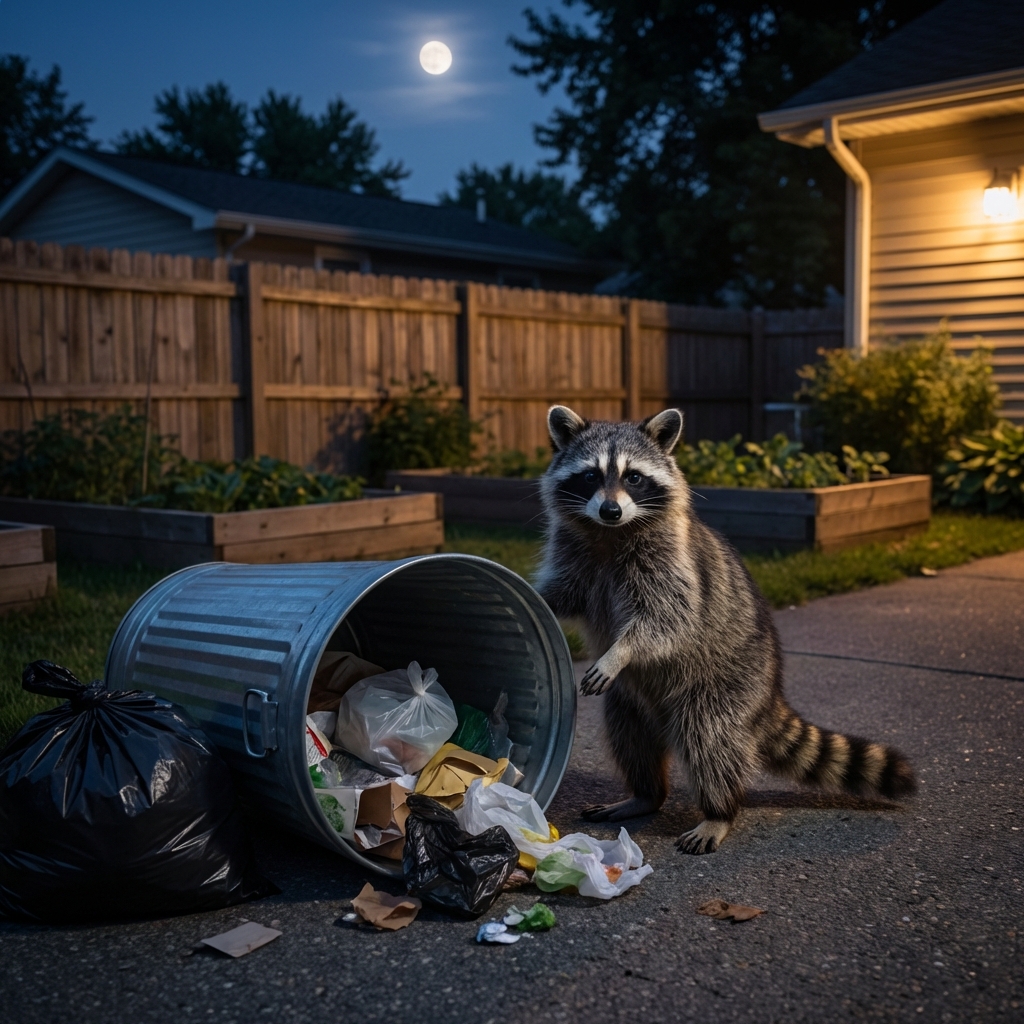
First, confirm it is raccoons
Before you buy anything or start blocking holes, take two minutes to confirm what you are dealing with. Raccoon solutions differ from skunks, opossums, feral cats, or rats.
- Tracks: Five toes on both front and back feet, often look like tiny human hands.
- Droppings: Often found in the same “latrine” spot, can contain seeds or berry skins.
- Damage pattern: Torn sod, opened trash lids, raided bird feeders, corn or melons ripped open, and ductwork or soffits pulled apart.
- Timing: Most activity happens at dusk through early morning.
If you suspect raccoons have been in an attic, crawlspace, wall, or chimney, treat that as higher priority. That is where they can cause serious damage fast.
Quick checklist: what works fastest
If you need the “do this today” version, start here.
- Remove food tonight: Bring pet food in, pick up fallen fruit, pause bird feeding, and lock trash down.
- Change the trash setup: Use a locking lid or strap, store cans in a garage or shed if possible.
- Use light + motion: Add a motion-activated light or sprinkler where they enter (great while you prep repairs).
- Block access after you are sure they are out: Repair holes in soffits, vents, and under decks using hardware cloth and solid fasteners.
- Clean up latrines: Remove droppings safely to reduce the “come back here” scent and health risks.
Step 1: Cut off the food sources (this is the real secret)
Raccoons do not keep visiting because your yard is cozy. They keep visiting because it pays. If you remove the payoff, raccoons often move on within days, although persistent animals can take longer.
Trash and compost
- Use a locking trash can or add a tight bungee or strap that hooks under handles.
- Rinse food containers before tossing them, especially meat, fish, and sweet items.
- Freeze extra-stinky scraps (like seafood) until trash day.
- Compost smart: Keep meat, dairy, oils, and cooked foods out of open piles. Use a lidded bin if raccoons are active.
Pet food, chicken feed, and bowls
- Feed pets indoors, or pick up bowls immediately after meals.
- Store feed in a sealed metal can with a tight lid.
- Lock coop doors at dusk. Raccoons can open simple latches, so use a carabiner or two-step latch.
Bird feeders
If raccoons are visiting nightly, take feeders down for 1 to 2 weeks. That short “food drought” often breaks the habit. If you keep feeding, switch to a setup they cannot climb to, and bring feeders in overnight.
Step 2: Make the yard feel unsafe
Raccoons are bold, but they still prefer quiet, dark, predictable routes. Your goal is to make your problem area annoying and risky. This step works best while you are removing food and getting ready for exclusion and repairs.
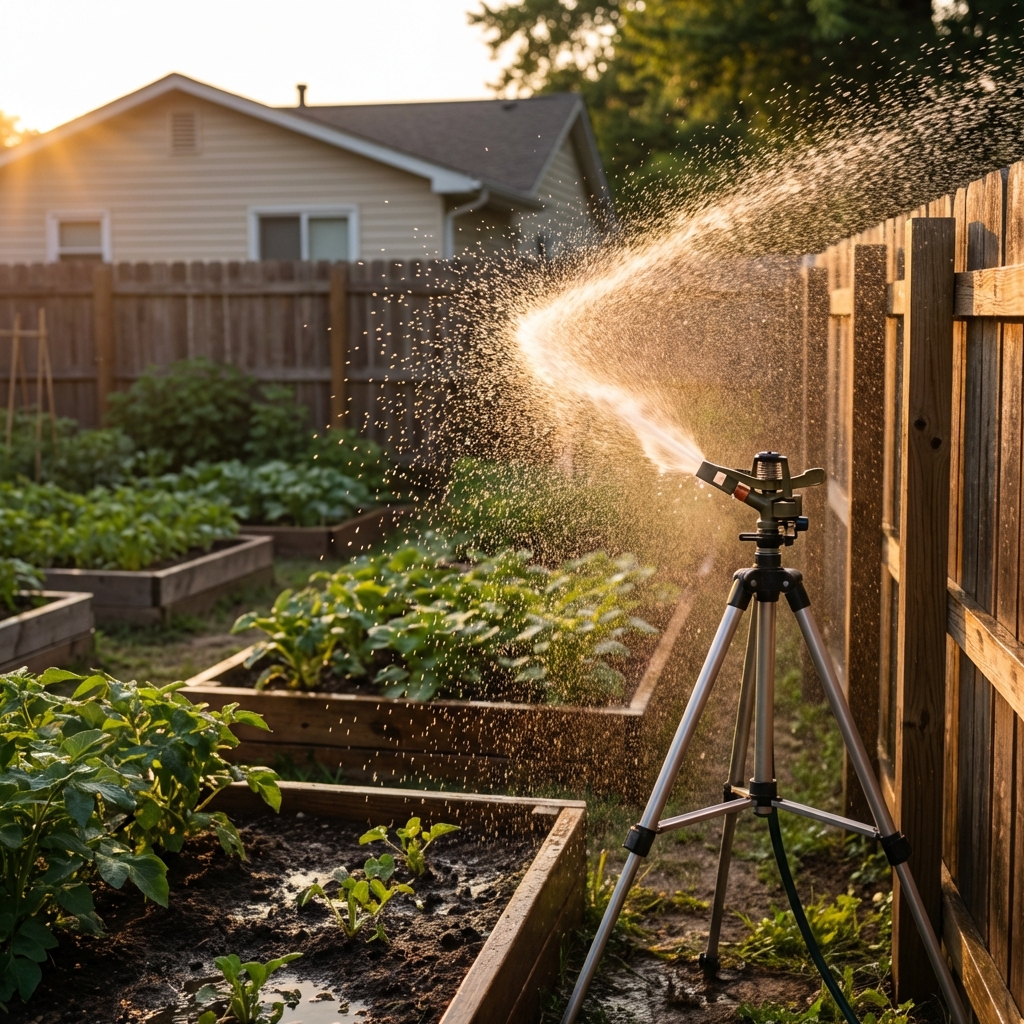
Motion-activated sprinklers
These are one of the fastest humane deterrents for gardens, ponds, and trash areas. Place it so it covers the approach path, not just the target.
Motion lights
Install motion lights facing the trash cans, along fence lines, or near the deck steps. Lights alone do not stop every raccoon, but they work well when combined with food removal and access blocking.
Short-term noise
A talk radio in a covered area can help for a few nights if they are denning in a shed or under a deck. Keep expectations realistic. Noise is a temporary push, not a permanent fix.
Step 3: Exclude them the right way (do not seal them in)
Exclusion is what keeps raccoons gone. The key is timing: never close up an entry point until you are confident the animal is out. In spring, also assume there could be kits (babies). Laws and rules vary by location, and some areas restrict trapping, relocation, and certain exclusions during denning season, so check local guidance if you are unsure.
Common entry points to check
- Loose soffits and fascia boards
- Roof vents and gable vents
- Chimneys without a cap
- Crawlspace vents
- Gaps under decks and sheds
- Pet doors
Materials that hold up
- Hardware cloth (galvanized welded wire mesh), not chicken wire. In many cases, 1/2 inch openings are a good all-around choice for vents and gaps.
- Heavy screws and washers (not just staples)
- Metal flashing for edges that get chewed
For decks and sheds, use an L-shaped barrier with hardware cloth to discourage digging and prying at the edge: down about 6 to 12 inches and out about 12 inches. Soil conditions and other animals can require deeper or wider burial, but this is a solid starting point for many homes.
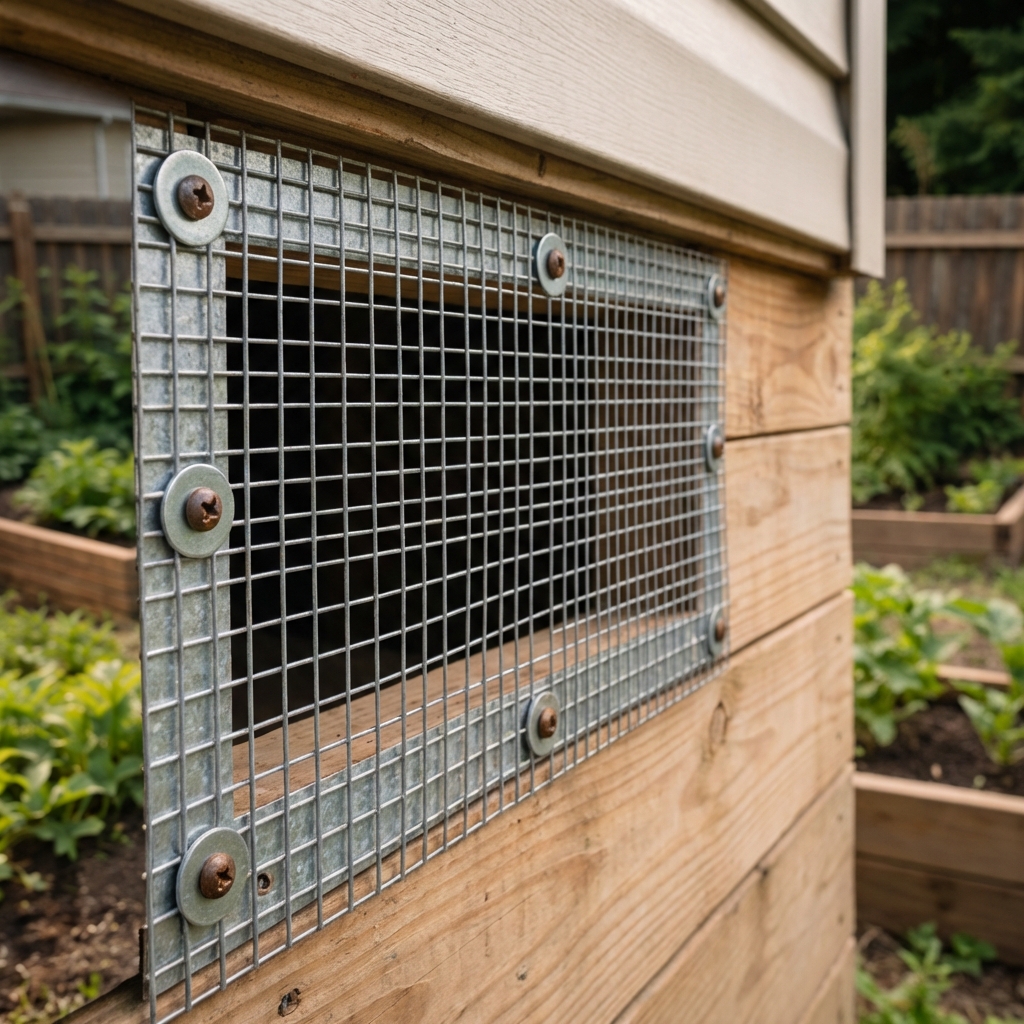
One-way doors
If raccoons are using a specific hole, a one-way door can let them exit and prevent re-entry. This is often used on attic or roofline access points. If you are not experienced, this is a good spot to call a wildlife control professional because sealing mistakes can create bigger problems.
Chimneys
Chimneys are a common den site. If you suspect activity, do not cap it until you are sure the chimney is clear. Once it is confirmed empty, install a properly sized chimney cap to prevent a repeat visit. If you have any doubt, call a pro. Getting this wrong can trap an animal inside.
Step 4: Use repellents and deterrents with realistic expectations
Repellents can help, but they work best as part of a full plan. If the food is still available, raccoons often tolerate bad smells.
What tends to work (short-term)
- Motion sprinklers (most consistent deterrent in typical yards)
- Capsaicin-based repellents used exactly as the label directs. Prefer products that are registered for your region (for example, EPA-registered in the US), and only apply to edible plants or edible portions if the label specifically allows it.
Use caution with strong odors
Some people try strong-smell approaches like ammonia-soaked rags near outdoor entry routes. Results are inconsistent, and fumes can be hazardous. If you use any strong chemical odor deterrent, keep it outdoors in open air only, away from kids and pets, and never in enclosed spaces like attics. Never mix ammonia with bleach or other cleaners.
What usually disappoints
- Ultrasonic devices: mixed results, often ignored
- Predator urine: inconsistent outdoors, washes away quickly
- Random hot sauce solutions: may damage plants and is hard to apply safely
Garden-specific fixes (so you can actually harvest something)
If raccoons are raiding your garden, they are usually after easy calories and water. Sweet corn, melons, berries, grapes, and ripe tomatoes are common targets.
Use a physical barrier when possible
- Fence height: 4 feet can help for some yards, but raccoons can climb. A top overhang or electric wire is more effective.
- Electric fencing: A low, properly installed electric fence is one of the most reliable options for persistent raccoons. Follow local rules and safety instructions, especially if children or pets are present.
- Netting: Can work for berries and grapes when secured tightly. Loose netting creates entanglement risk for wildlife, so keep it taut and check daily.
Remove water attractants
Fix dripping spigots, dump standing water, and cover ponds with sturdy mesh if raccoons are fishing. If you have a small pond, adding a steep edge or hiding spots for fish can reduce losses.
If raccoons are in the attic, chimney, or wall
This is where you move from backyard nuisance to home damage risk. Raccoons can tear insulation, rip ductwork, and leave droppings that carry health risks.
- Do not trap and relocate yourself unless it is legal in your area and you know how to do it humanely. Many places restrict relocation, and it can spread disease.
- Do not seal openings until you are sure the raccoon is out.
- Call a licensed wildlife control pro if you hear multiple animals, crying sounds, or heavy movement at night (common signs of a den).
After removal, the real fix is repair plus sanitation. If you skip cleanup, another raccoon can pick up the scent and try the same entry later.
Clean-up and safety (important)
Raccoon droppings can contain parasites and pathogens, including raccoon roundworm (Baylisascaris). Treat any latrine like a serious contamination risk.
- Wear disposable gloves and a mask.
- Lightly mist droppings with water to reduce dust before removal.
- Bag waste securely and follow local disposal guidelines.
- Wash hands and tools thoroughly afterward.
Important detail: disinfectants do not reliably kill raccoon roundworm eggs. The safest approach is careful physical removal, and in some situations controlled heat treatment may be needed. If droppings are in an attic, on insulation, or in a place where dust could spread, consider professional cleanup.
When to call a professional
You can solve a lot of raccoon issues yourself, but a pro is worth it when:
- Raccoons are inside the attic, chimney, or walls
- You suspect babies are present
- You cannot safely access the roofline
- Damage is ongoing despite removing food and securing trash
- You are dealing with aggressive behavior or unusual activity
Daytime raccoon activity does not always mean rabies, but abnormal behavior is a red flag. Keep distance and contact local animal control if you see staggering, disorientation, paralysis, unusual aggression, or an animal that seems unaware of people.
Prevention that actually sticks
Once you get rid of raccoons, keep them from returning by making your property “low reward.” These basics do the heavy lifting:
- Lock trash lids and store cans in a secure area when possible
- Bring pet food in at night
- Pause bird feeding during active raccoon periods or bring feeders in overnight
- Fix roofline gaps early, before an animal finds them
- Cover vents and openings with sturdy hardware cloth (often 1/2 inch mesh) secured with screws and washers
- Pick up fallen fruit and keep compost secured
- Keep chimney caps in good shape and replace damaged screens
If you do only one thing: secure food. Most raccoon “mysteries” are solved by closing the kitchen.

Jose Brito
I’m Jose Britto, the writer behind The Country Store Farm Website. I share practical, down-to-earth gardening advice for home growers—whether you’re starting your first raised bed, troubleshooting pests, improving soil, or figuring out what to plant next. My focus is simple: clear tips you can actually use, realistic expectations, and methods that work in real backyards (not just in perfect conditions). If you like straightforward guidance and learning as you go, you’re in the right place.