If you have ever finished weeding, showered, and then suddenly felt an itchy line of bites around your ankles or waistband, you have met chiggers. The good news is you can usually handle the itching at home and prevent a repeat with a few practical changes to your garden routine.
This guide covers what chiggers are, what actually helps after you have been bitten, and the simple steps that keep them off you in the first place.

What chiggers are (and what they are not)
Chiggers are the larval stage of certain mites. They are tiny, often hard to see, and they like humid areas with tall grass, weeds, brushy edges, and leaf litter. In many regions they are most active during warm months.
Common myths to clear up
- Myth: Chiggers burrow under your skin. Reality: They attach to the skin surface, inject enzymes that break down skin cells, and then feed for a while. After feeding, they detach. The itch can last long after the chigger is gone.
- Myth: You need nail polish, bleach, or gasoline to “smother” them. Reality: Those can irritate or burn your skin and do not solve the real issue.
- Myth: You will always see a red bug on you. Reality: Adults can be red, but the biting larvae are extremely small.
Typical bite pattern: clusters or lines of itchy bumps where clothing fits snugly, like sock lines, waistbands, bra lines, and behind knees.
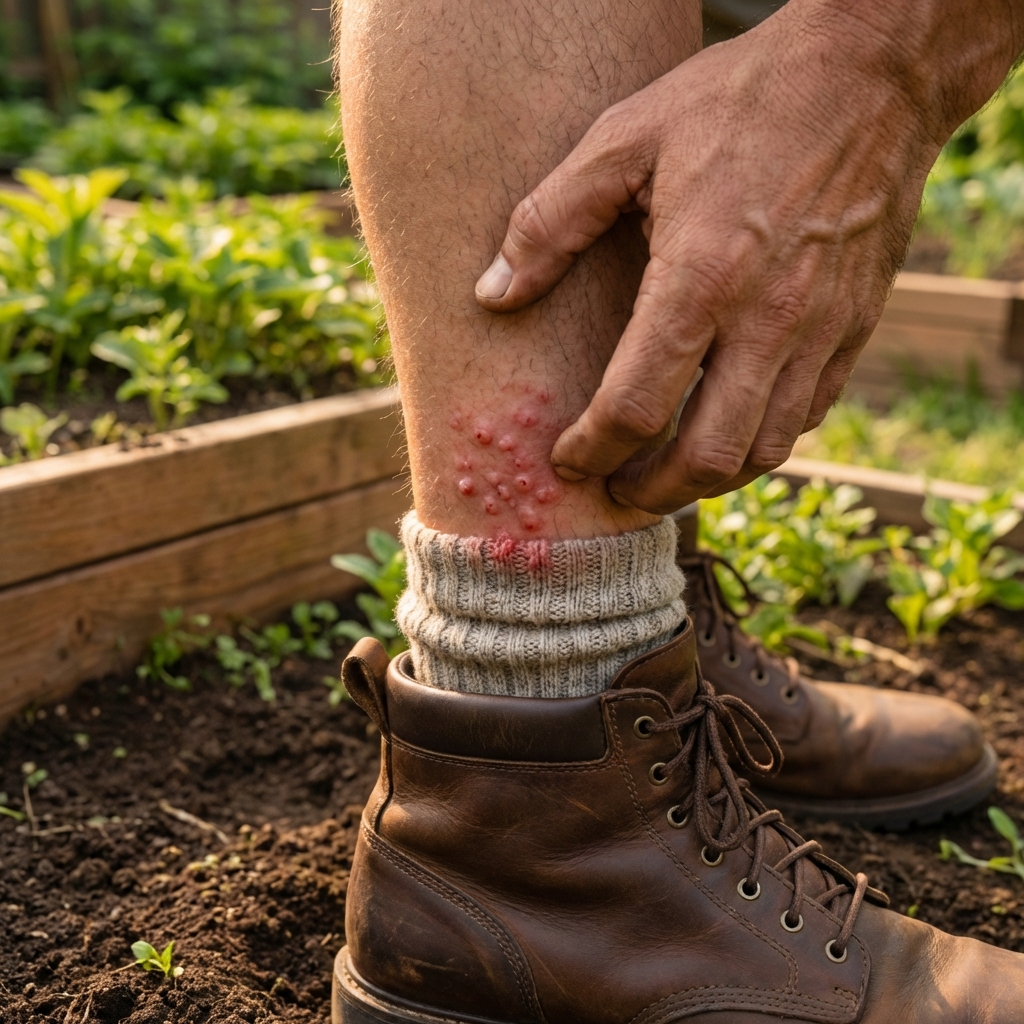
Right after garden time
When you suspect chiggers, your goal is to remove any stragglers fast and reduce irritation. Chiggers can attach quickly, so think of this as lowering the odds of more bites, not “undoing” the ones you already got.
1) Shower as soon as you can
Use warm water and soap. Pay attention to ankles, behind knees, waistline, and anywhere clothing was tight. Showering soon after exposure may help rinse off any larvae that have not attached yet or are only loosely attached.
2) Wash gently, do not scrub hard
A washcloth is fine. Avoid aggressive scrubbing that can inflame skin and make itching worse.
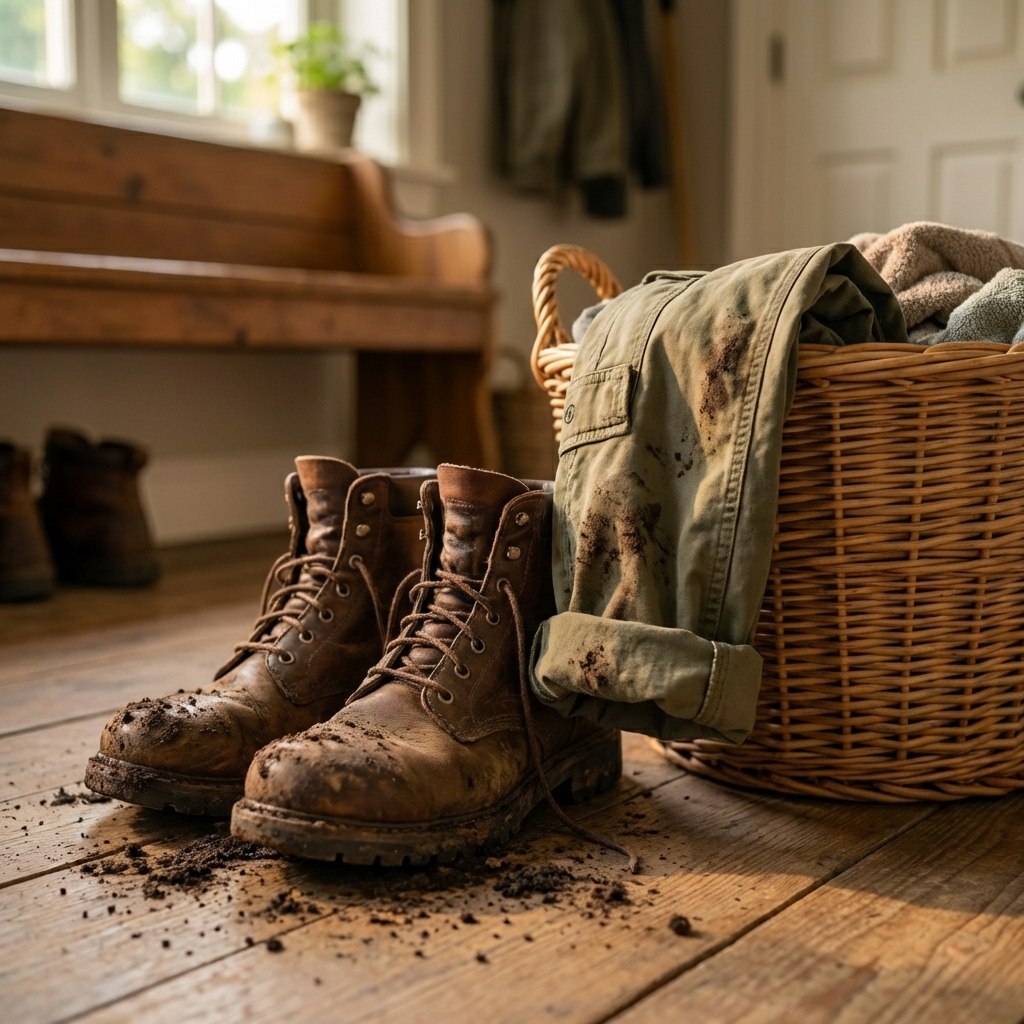
3) Change and wash clothes
Put garden clothes straight into the wash. Wash in hot water if the fabric allows, then dry on high heat. Heat helps kill lingering mites. Do not re-wear unwashed socks, shorts, or work pants after a chigger day.
4) Avoid scratching
Scratching breaks skin, invites infection, and can keep bites irritated for longer. If you cannot help it, trim nails short and focus on itch control instead.
Home remedies that actually help
There is no instant “cure” once bites happen, because the itching is your skin reacting. What you can do is calm inflammation and stop the itch cycle.
Cold compress
Simple and effective. Apply a cold, damp cloth for 10 to 15 minutes, repeat as needed. This reduces swelling and temporarily numbs the itch.
Oatmeal bath or paste
Colloidal oatmeal is finely milled oatmeal sold for skin soothing (you will see it in the bath aisle). Soak in a lukewarm oatmeal bath for 10 to 20 minutes. For spot treatment, mix oatmeal with a little water and apply as a paste for several minutes, then rinse.
Baking soda paste (use with care)
Mix baking soda with a small amount of water to make a paste, apply a thin layer to bites for 5 to 10 minutes, then rinse and moisturize. Stop if it stings or dries your skin too much.
Aloe vera gel
Plain aloe gel can soothe irritated bites. Choose fragrance-free if possible. Reapply as needed.
Calamine lotion or 1% hydrocortisone (over-the-counter, not a “home” item but worth knowing)
Calamine helps dry and calm itchy bumps. Hydrocortisone reduces inflammation. Use as directed on the label and do not apply to broken skin. For young children, pregnancy, or if you have a skin condition, check the label carefully and ask a clinician if you are unsure.
Oral antihistamine for nighttime itch
If itching keeps you awake, an oral antihistamine may help. Follow label directions and be mindful of drowsiness. For children, always use age-appropriate products and dosing, and ask a pediatrician when in doubt.

What to avoid putting on bites
- Bleach, ammonia, rubbing alcohol in heavy amounts, hydrogen peroxide repeatedly
- Nail polish, gasoline, kerosene, turpentine
- Undiluted essential oils (tea tree, peppermint, etc.)
- Harsh scrubs or exfoliants
These can irritate skin, increase inflammation, and raise the chance of infection. If a remedy feels like it is “working” because it burns, it is usually just damaging the skin.
How long bites last
Many bites calm down in several days, but itching can last up to 2 weeks depending on your sensitivity, how many bites you got, and how much the area gets rubbed by clothing.
Signs the bites are healing
- Less itch each day
- Bumps flattening
- No spreading redness
When to see a doctor
- Increasing pain, warmth, swelling, or pus (possible infection)
- Fever or you feel unwell
- Redness rapidly spreading beyond the bite area
- Severe allergic reaction signs like facial swelling or trouble breathing (seek urgent care)
- Bites not improving after about 2 weeks
Do chiggers spread disease?
In most of North America, chiggers are mainly a misery, not a disease risk. In some parts of the world, related mites can spread illness. If you traveled recently or feel sick after bites, get medical advice.
Prevention in the garden
Prevention is where you win. Chiggers tend to be patchy, meaning one corner of the yard can be loaded while another is fine. Your job is to reduce contact and remove their favorite habitat.
Dress like you mean it
- Wear long socks and tuck pants into socks when working in tall grass or weedy edges.
- Choose closed-toe shoes or boots.
- Wear long sleeves when trimming brush or working in overgrown areas.
- Light-colored clothing makes it easier to spot hitchhikers like ticks, even if you cannot see chiggers.
Use repellent in the right places
For chiggers, repellents are most helpful on shoes, socks, lower pant legs, and waistline areas.
- Permethrin (for clothing and gear only): Treat pants, socks, and shoes according to the product label. Let items dry fully before wearing. This is one of the most effective options for mites and ticks.
- Skin-applied repellents: DEET and picaridin are solid, well-supported choices when used correctly. Oil of lemon eucalyptus (PMD) may help, but evidence is less consistent for chiggers than for mosquitoes and ticks. Follow label directions, especially for children.
Three-minute “chigger check”
This overlaps with the post-garden routine on purpose, because it works.
- Brush off shoes and socks before going inside.
- Put clothes directly into the wash.
- Shower soon after yard work.
Yard and garden fixes
Chiggers thrive where it stays shady, damp, and overgrown. You do not need a perfect lawn, but you do need to manage the edges.
Mow and trim the problem zones
- Keep grass shorter, especially near paths, play areas, and garden beds.
- Cut back weeds and brush along fences and wood lines.
- Reduce tall groundcover right next to places you kneel or sit.
Mulch paths and work areas
A clean mulched path between beds gives you a place to stand and kneel without being in tall grass. It also helps you avoid brushing against weedy edges.
Manage moisture
- Fix leaky spigots or hoses that keep the ground damp.
- Water the garden efficiently rather than soaking surrounding weedy areas.
- Improve drainage in low spots if they stay wet.
Discourage small wildlife hangouts
Chiggers can be more common where rodents and other small animals nest. Clean up brush piles near high-traffic areas, store birdseed securely, and keep compost tidy.
About yard sprays
Insecticide treatments can reduce chiggers, but they also affect beneficial insects. If you go this route, consider targeted applications in known hot spots and follow the label exactly. Many gardeners also check local extension guidance for what works in their region and how to apply it with pollinators in mind (including timing and avoiding blooms). For a lot of home gardens, clothing protection plus edge maintenance gets the job done without blanket spraying.
Quick relief checklist
- Right away: shower, wash clothes, cold compress
- Itch control: oatmeal, aloe, calamine, or 1% hydrocortisone
- Do not: use harsh chemicals or scratch until skin breaks
- Next time: long socks, tuck pants, repellent on lower legs, treat clothes with permethrin
- In the yard: mow and trim edges, mulch paths, reduce damp weedy zones
Common questions
Can chiggers live in raised beds?
They are more common in grassy, weedy, moist areas, but you can still get bites while working around beds if the paths and edges are overgrown. Keep bed edges trimmed and use mulch or gravel in walkways.
Why do bites show up hours later?
The itch is a reaction that ramps up after the bite. It is normal for symptoms to hit later in the day or overnight.
Do chiggers fall from trees?
Most contact happens from low vegetation. Think grass tops, weeds, and brush at ankle to knee height.
Is it chiggers or something else?
Chigger bites often cluster at sock lines and waistbands after time in tall grass. Fleas tend to bite lower legs but are usually tied to pets or indoor areas. Mosquito bites are often more scattered. Ticks attach and stay in place. Poison ivy and other contact dermatitis can also create very itchy clusters, often with streaks where the plant brushed your skin. If you are unsure or symptoms are severe, get medical advice.
My gardener take
Chiggers are one of those backyard problems that feel personal, because the itch is relentless. Focus on two things: calm the skin now, and change your routine so you are not feeding the cycle. A shower, clean clothes, and smart protection on your lower legs go a long way. Pair that with trimming the weedy edges you keep brushing against, and you will spend more time harvesting and less time scratching.

Jose Brito
I’m Jose Britto, the writer behind The Country Store Farm Website. I share practical, down-to-earth gardening advice for home growers—whether you’re starting your first raised bed, troubleshooting pests, improving soil, or figuring out what to plant next. My focus is simple: clear tips you can actually use, realistic expectations, and methods that work in real backyards (not just in perfect conditions). If you like straightforward guidance and learning as you go, you’re in the right place.