Mice are opportunists. If they find easy food, water, and a warm hiding spot, they move in fast. Natural repellents can help, especially for light activity or as a backup layer, but the real win is using repellents alongside basic exclusion and cleanup. That combination is what actually changes the odds in a real home or backyard.
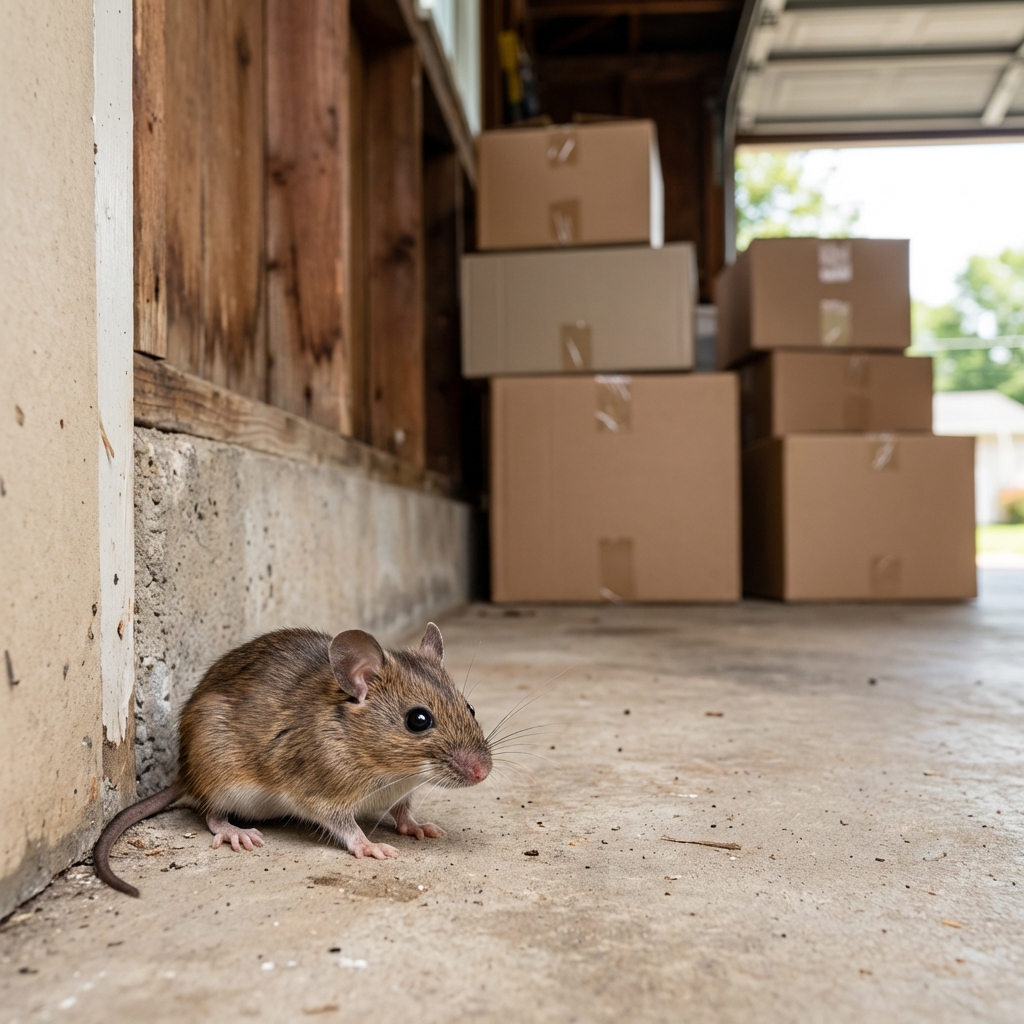
First, set realistic expectations
Natural mouse repellents work best as deterrents. They can make an area less appealing and may help steer mice away from specific spots, but they usually will not clear a well-established infestation on their own. Results vary, and research support for scent based repellents is limited, so treat them as a helper, not a guarantee.
Use repellents when:
- You are seeing early signs like a couple droppings in a pantry, garage, or shed.
- You want to protect a specific area like a compost bin, feed storage, or a garden shed.
- You already sealed entry points and want an extra layer of discouragement.
If you are hearing scratching in walls, finding droppings daily, or seeing mice in daylight, skip straight to a stronger plan: seal entry points, remove food access, and consider snap traps or a professional.
What attracts mice in the first place
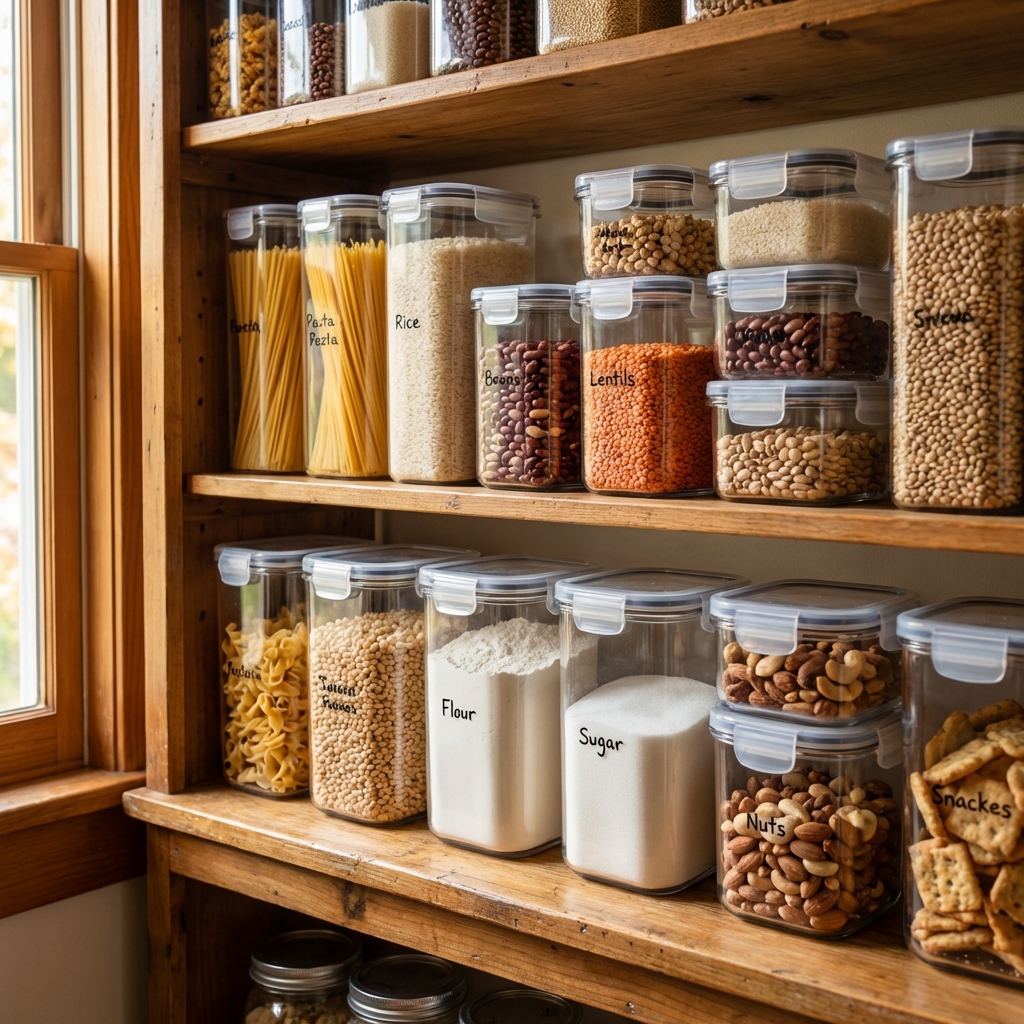
Repellents struggle when the “reward” is too good. Before you spend time refreshing scents, take 15 minutes to remove the big draws:
- Food: bird seed, pet food, chicken feed, pantry goods, fallen fruit, compost scraps.
- Water: leaky hoses, pet bowls overnight, condensation near freezers, dripping spigots.
- Shelter: cluttered corners, tall weeds, stacked lumber, dense groundcover near foundations.
Classic natural repellents worth trying
Here are the old standby options people reach for, plus how to use them in a way that gives them the best chance of working.
Peppermint oil
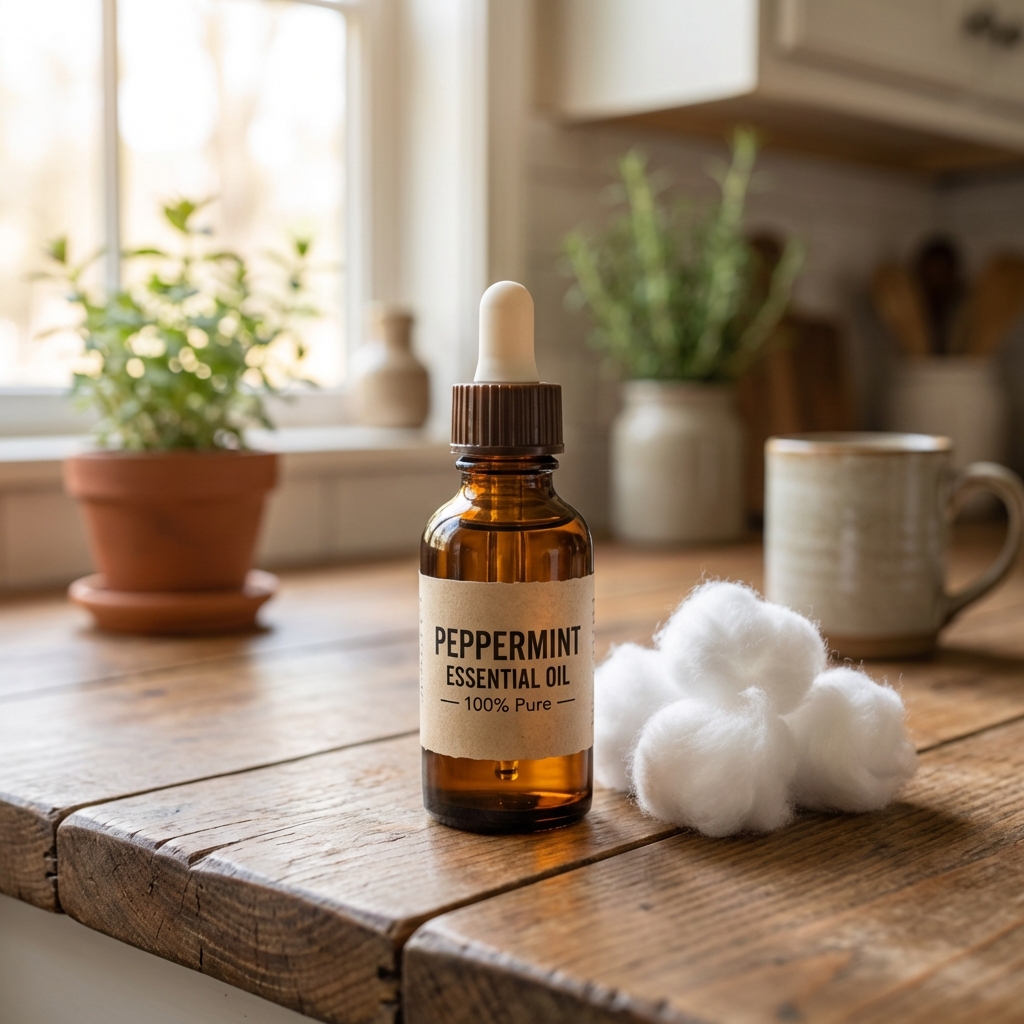
Peppermint is the most common natural scent repellent. It can help in small enclosed areas like cabinets, crawl space access doors, and along known travel routes.
- How to use: Put 10 to 15 drops on cotton balls and place them in shallow lids or small dishes.
- Where to place: behind appliances, under sinks, near suspected entry points, inside storage closets, in the garage along the wall line.
- Refresh: every 3 to 5 days at first, then weekly if activity drops.
Tip: Peppermint oil can stain some surfaces. Keep it off painted trim and unfinished wood. Use a dish or a piece of foil underneath the cotton ball.
Pet safety: Keep essential oils away from pets and kids. Concentrated oils can be harmful if ingested or heavily inhaled. Do not place cotton balls where a pet can lick or chew them, and use only in well ventilated areas. Cats in particular can be sensitive to certain essential oils.
Clove oil or whole cloves
Clove has a strong, spicy scent that can be unpleasant for rodents. It tends to hold up a little better than some lighter scents.
- How to use: clove oil on cotton balls, or a small breathable sachet with whole cloves.
- Best spots: drawers, pantry corners, shed shelves, storage bins.
- Refresh: oil every week, whole cloves every 2 to 3 weeks.
White vinegar
Vinegar is more of a reset tool than a long-lasting repellent. It helps remove food odors and musty smells that can encourage repeat visits.
- How to use: wipe down surfaces with a 1:1 mix of white vinegar and water.
- Where it helps: under sinks, inside cabinets, pantry floors, garage shelves.
- Refresh: after cleaning and after you find droppings.
Do not use vinegar on natural stone surfaces like marble or granite.
Citrus peels
Fresh citrus peels smell great to us but can be irritating to rodents. The downside is they dry out quickly and can mold if placed in damp spots.
- How to use: place fresh peels in a dish near activity areas for 1 to 2 days.
- Best spots: dry cabinets, enclosed shelves, inside a shed away from moisture.
- Replace: every 1 to 2 days.
Used coffee grounds (limited help)
Coffee grounds are a popular folk remedy. They may add an odor layer, but they are hit or miss and can attract other pests if left damp.
- If you use them: keep them dry, place in a breathable container, and replace often.
- Skip them in humid spaces, crawl spaces, or anywhere mold is a concern.
Ultrasonic repellents (mixed results)
Ultrasonic plug-ins are heavily marketed, but real-world results are inconsistent, especially once mice are established. If you try one, treat it as a bonus layer, not a replacement for sealing and trapping.
The natural method that beats all scents: seal openings
If you do only one thing, do this. Mice can squeeze through gaps as small as 1/4 inch. Any repellent becomes much more effective once you stop new mice from entering.
Quick inspection checklist
- Where pipes enter walls under sinks
- Garage door corners and weatherstripping
- Dryer vent and bathroom fan vent exits
- Crawl space doors and foundation vents
- Gaps under exterior doors
- Cracks where siding meets foundation
What to use
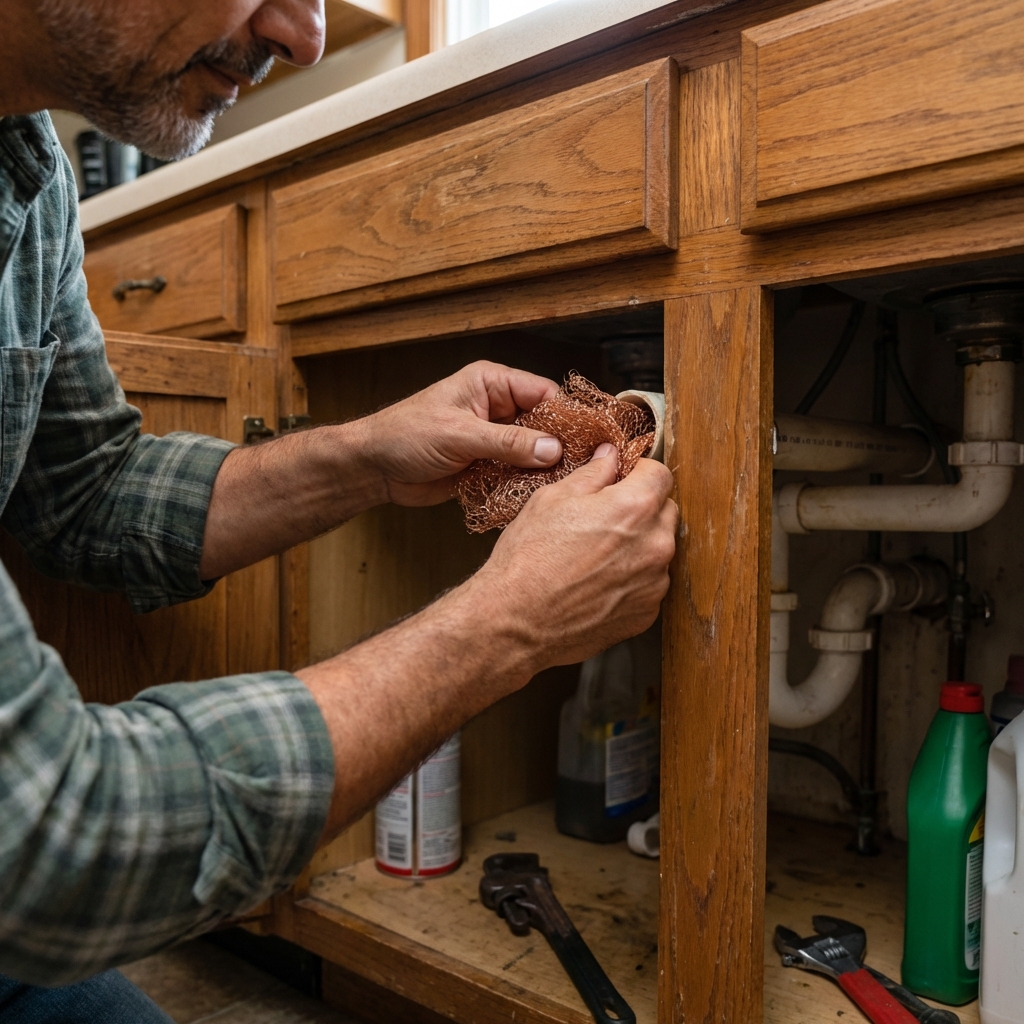
- Steel wool + caulk: pack steel wool into small gaps, then seal over with caulk. Mice hate chewing through it.
- Copper mesh: similar to steel wool but resists rust better in damp areas.
- Hardware cloth: for larger openings and vents. Choose 1/4 inch mesh.
- Door sweeps: especially on garage side doors and back doors.
Droppings cleanup safety
If you are dealing with droppings, clean them safely. Avoid dry sweeping or vacuuming, which can kick particles into the air.
- Wear disposable gloves. A mask is a good idea, especially in enclosed spaces.
- Ventilate the area if possible.
- Spray droppings and nesting material with disinfectant or a bleach solution (about 1 part bleach to 10 parts water) and let it sit for 5 minutes.
- Wipe up with paper towels, bag it, and wash hands well.
Best places to use repellents indoors
Think like a mouse: edges, corners, and hidden runs. Place repellents where you see signs and where you suspect travel.
- Behind the stove and refrigerator: warm, quiet, and often crumbs collect there.
- Under the sink: water access and pipe gaps are common entry points.
- Pantry corners: especially near pet food or snack storage.
- Garage perimeter: along the wall base and near door corners.
- Basement and crawl space access: near doors, vents, and penetrations.
Best places to use repellents outdoors
Outdoor repellents are tougher because wind and rain strip scent fast. Use outdoor repellents as a short-term layer while you handle the real drivers: brush, fallen fruit, feed, and foundation gaps.
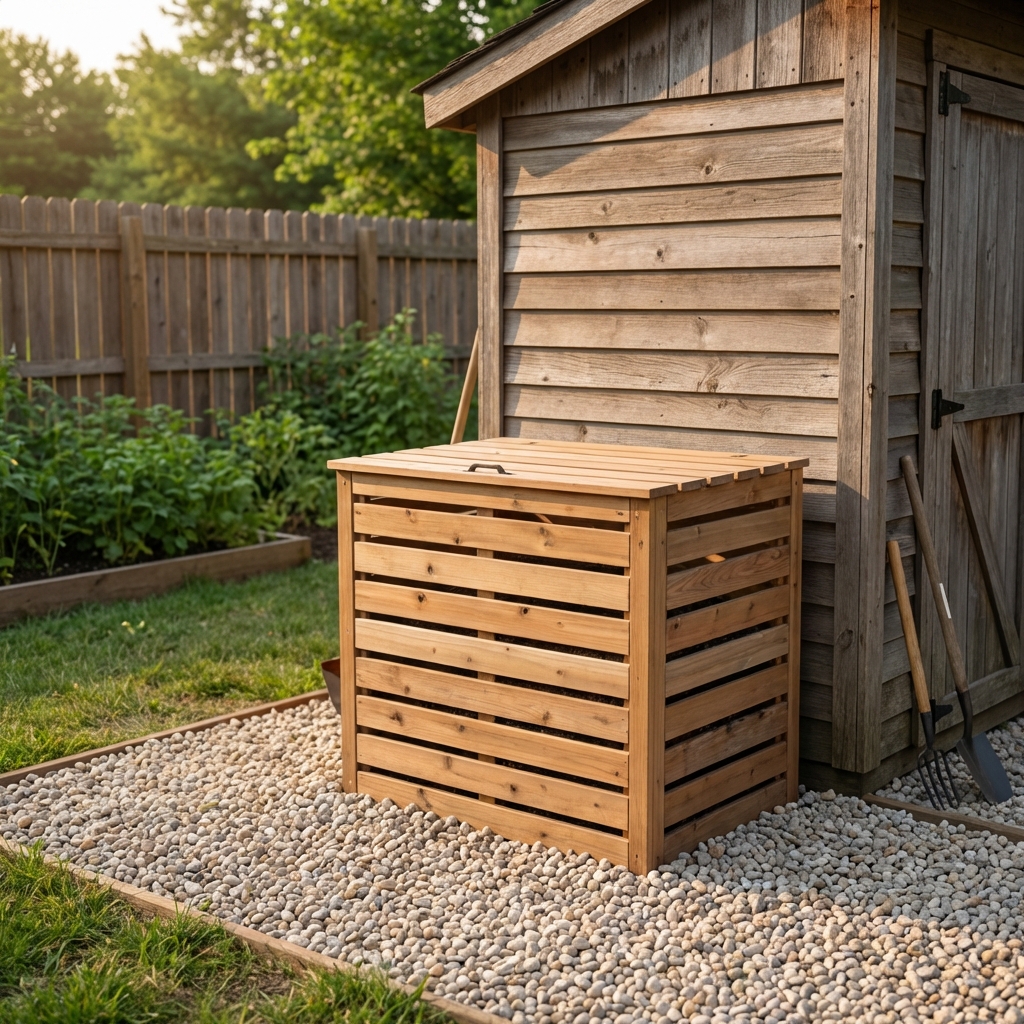
- Near compost (not in it): reduce attractants by burying food scraps and using a secure lid.
- Around shed doors: focus on door corners and thresholds.
- Near trash storage: keep bins closed and clean, and avoid food residue on the outside.
- Garden structures: tool sheds, potting benches, and areas where seed is stored.
A quick 15 minute routine
If you want a simple routine you can repeat weekly, this is the one:
Clean the hot spots: vacuum crumbs, wipe with a 1:1 vinegar and water mix, and remove clutter.
Seal one gap: pick the easiest visible opening and close it with copper mesh or steel wool plus caulk.
Place peppermint or clove: cotton balls in dishes along the wall line where you saw signs.
Store food correctly: move pet food and seed to hard plastic or metal containers with tight lids.
Recheck in 48 hours: look for new droppings, gnaw marks, or disturbed cotton balls.
When this is not enough
Switch to trapping and stronger prevention if you notice any of these:
- Droppings continue to appear daily in the same area
- Chewing damage on packaging, wiring, or wood
- Multiple sightings in a week
- Nests made of shredded paper or insulation
- Scratching sounds in walls or ceilings at night
Natural repellents are fine as a first layer, but they should not be the only tool when mice are actively living in the space.
A note on poison: DIY rodenticides can create problems indoors, including odor from hidden carcasses and secondary poisoning risk for pets and wildlife. If you think poison is necessary, it is usually best handled with professional guidance.
FAQ
Do dryer sheets repel mice?
They can add a strong smell, but results are inconsistent and the scent fades. If you try them, treat them like a short-term stopgap while you seal entry points.
Is mothball use a safe natural option?
No. Mothballs are pesticides and can be dangerous to people and pets, especially in enclosed spaces. Avoid using them as a mouse solution.
Will a repellent keep mice out of my car or RV?
Sometimes, but only if you also remove food crumbs and block access points. For vehicles, focus on cleaning, parking area hygiene, and sealing obvious entry routes. Repellents can be added as a supporting layer.
How long does peppermint oil last?
In most homes it is strongest for a few days. Plan to refresh cotton balls every 3 to 7 days depending on airflow and temperature.
Bottom line
Classic natural mouse repellents like peppermint and clove can help, but they work best when you pair them with the boring basics: clean up food, reduce shelter, and seal the entry points. Do those three things and your repellents finally have a fighting chance.

Jose Brito
I’m Jose Britto, the writer behind The Country Store Farm Website. I share practical, down-to-earth gardening advice for home growers—whether you’re starting your first raised bed, troubleshooting pests, improving soil, or figuring out what to plant next. My focus is simple: clear tips you can actually use, realistic expectations, and methods that work in real backyards (not just in perfect conditions). If you like straightforward guidance and learning as you go, you’re in the right place.