Rats are not picky. If your yard has steady food, water, and a safe hiding spot, they will move in and invite friends. The good news is you can push them out with a few classic, practical steps that work in regular neighborhoods and real gardens.
One expectation to set up front: repellents alone rarely solve a rat problem. What changes rat behavior is a simple combo: remove attractants, block access, and add pressure with targeted deterrents.
First, confirm you are dealing with rats
Before you buy repellents, take five minutes to confirm what is causing the problem. Rats leave different clues than mice, squirrels, or raccoons.
- Droppings: Rat droppings are larger, typically about the size of a raisin. Mouse droppings are closer to rice-sized.
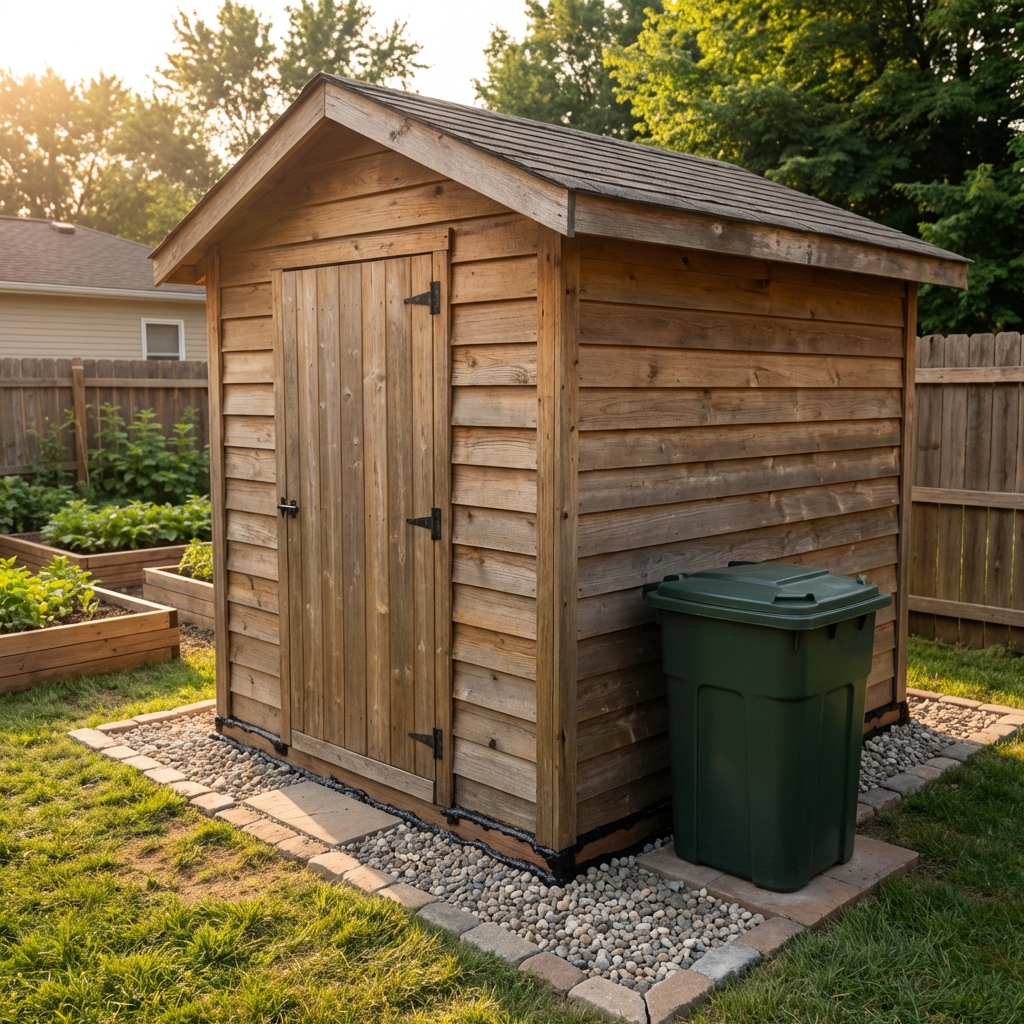
- Burrows: Look for holes along fences, under sheds, near compost piles, or under dense shrubs.
- Rub marks: Dark, greasy smudges along walls, pipes, or beams from repeated travel.
- Noises: Scratching in walls or ceilings, often at dusk and overnight.
- Chew damage: Gnawed plastic, wood edges, and even irrigation tubing or wires.
If you see fresh droppings inside the home, or hear activity in walls or attic spaces, treat it as urgent. Outdoor issues become indoor issues fast.
The quick-win checklist
If you only do a few things, do these. These steps reduce attraction fast.
- Lock down trash: Use tight-fitting lids. If it is not tightly sealed, rats can get in.
- Remove pet food at night: Feed pets, then pick bowls up. Store food in sealed containers.
- Harvest fallen fruit: Citrus, figs, apples, and stone fruit on the ground is basically an all-you-can-eat buffet.
- Secure chicken feed and scratch: Metal bins with snug lids work best.
- Clean up spilled seed: Bird feeders and seed trays are a common rat magnet.
- Reduce hiding spots: Move wood piles off the ground and away from structures. Thin dense groundcover near the house.
- Fix water sources: Dripping spigots, leaky irrigation, and pet water left out overnight can keep rats around.
Method 1: Exclusion
Repellents help, but exclusion is what stops repeat visits. Rats can squeeze through small openings and will enlarge weak spots.
What to seal
- Gaps under garage doors and side doors
- Holes where pipes and cables enter the home
- Vents without sturdy screens
- Cracks in foundations and siding corners
- Shed floors, corners, and areas where the base meets soil
What to use
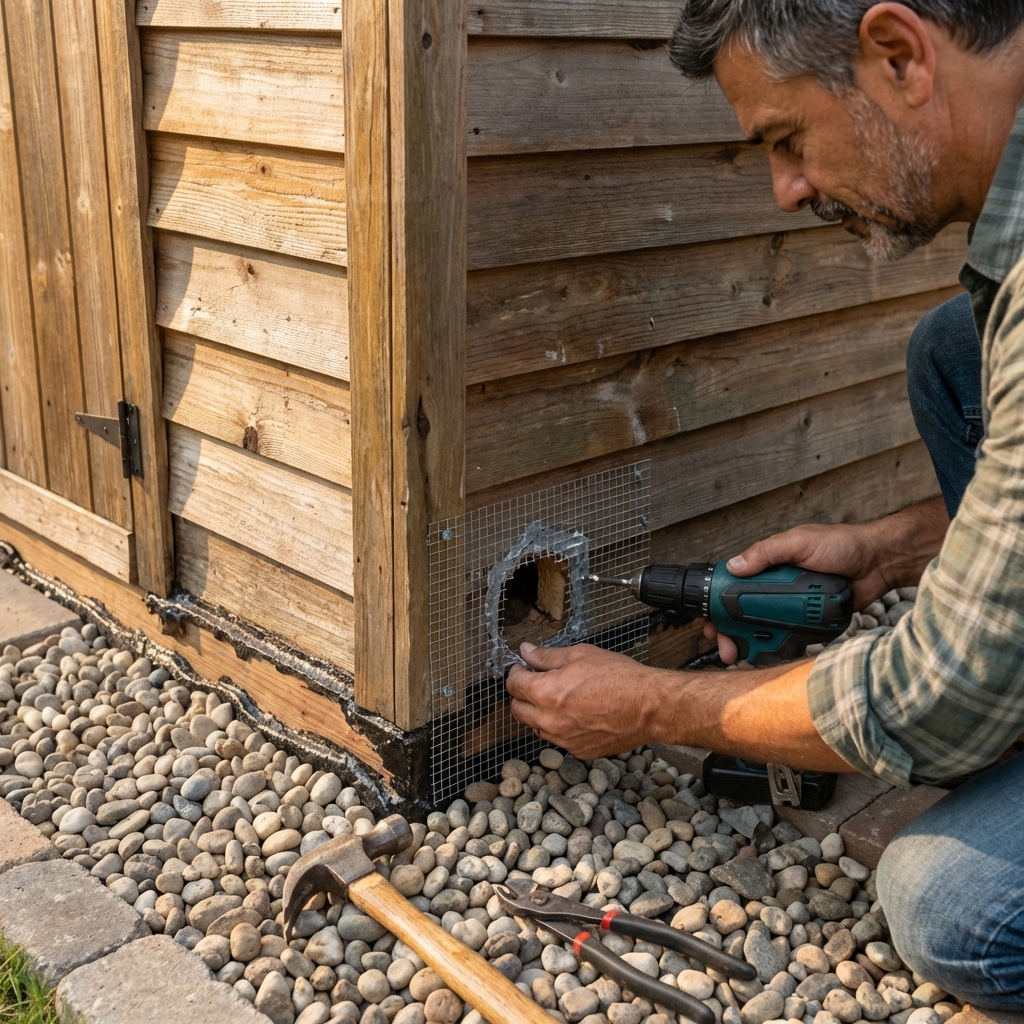
- Steel wool packed tightly into small gaps, then sealed with a quality exterior sealant.
- Hardware cloth (metal mesh) over vents and openings. Choose sturdy mesh that will not flex easily.
- Door sweeps and thresholds for doors with light showing underneath.
- Concrete patch for cracks and damaged edges rats can chew through.
Tip: A common benchmark is that rats can enter openings around 1/2 inch (about 12 to 13 mm). Your pinky test is still useful as a fast check, but if a gap is anywhere near that size, treat it like a problem. Also check behind stored items in garages and sheds. Rats love hidden edges.
Method 2: Sanitation
Rats rarely stick around where they cannot reliably eat. The catch is that the food source might be next door, in a nearby alley, or even tied to sewer access. Sanitation is not glamorous, but it is one of the fastest ways to reduce activity you control.
Focus areas
- Compost piles: Keep food scraps buried in the center, not on top. Avoid meat, grease, and oily foods in open compost. Use a rodent-resistant bin if rats are already present.
- Garden beds: Pick produce promptly. Do not leave cracked melons, corn cobs, or fallen tomatoes on the soil.
- Storage: Store bird seed, grass seed, and bulbs in sealed containers. Thin plastic bags get chewed easily.
- Outdoor grills: Clean grease trays and cover the grill.
Most “repellent failures” happen because there is still an easy food source nearby. Start here and you will get better results from everything else.
Method 3: Habitat changes
Rats want cover. They prefer traveling along edges and hiding in thick vegetation or clutter. Your goal is to reduce their safe pathways.
- Trim vegetation: Keep shrubs and groundcover thinned near the house and shed. Leave some open space where possible.
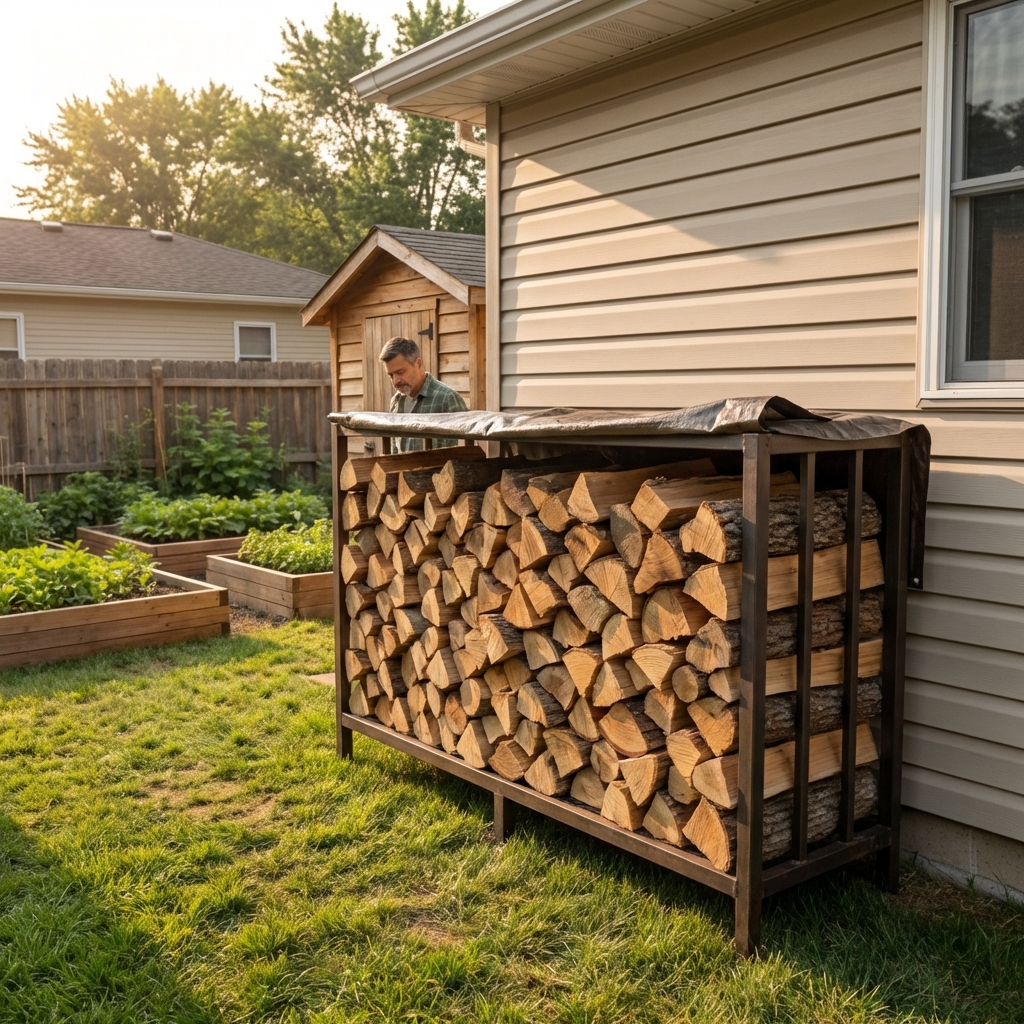
- Elevate wood piles: Stack firewood on a rack or pallets and keep it away from walls.
- Declutter: Old pots, boards, and “I might use it later” piles become nesting zones.
- Manage vines: Vines can act like ladders to attics and rooflines. Keep them away from structures.
- Cut roof access: Trim tree branches back from rooflines (many pros recommend at least a few feet of clearance). Check roof vents and add sturdy screening, and cap chimneys if needed.
Method 4: Deterrents
Deterrents work best as part of a bigger plan. Think of them like pressure that encourages rats to move along, not a magic force field.
Peppermint oil (limited but useful)
Peppermint oil can help in small, contained areas like a shed corner, cabinet, or a specific entry gap you have already sealed. Outdoors, it fades quickly and needs frequent reapplication.
- Soak cotton balls and place them in protected spots where pets and kids cannot reach.
- Refresh often, especially after rain or high heat.
Motion-activated lights or sprinklers
These can help for outdoor travel routes, especially along fences, near compost, or around a coop. Effectiveness varies and rats can get used to them over time, so pair them with food cleanup and exclusion, and consider changing placement occasionally.
Predator scent products (use cautiously)
Some people use predator-urine products. Results vary, and outdoors they can wash away or be ignored. In some areas they may also draw the attention of curious predators. If you try them, follow label directions and keep them away from spaces where people and pets spend time.
Ultrasonic devices (manage expectations)
These can be hit-or-miss. In open outdoor spaces, sound does not stay contained and rats may ignore it over time. If you use one, treat it as an extra layer, not the main solution.
Simple trapping basics
If you need to reduce the population quickly, trapping can be a practical next step, especially once food sources are controlled.
- Use covered stations outdoors: Place snap traps inside tamper-resistant boxes to reduce risk to pets, kids, and wildlife.
- Place along runways: Set traps along walls, fence lines, shed edges, and other “edge” routes where you see rub marks or droppings.
- Use the right bait: Peanut butter, dried fruit, or nesting material can work, depending on what they are targeting in your yard.
- Check daily: Reset as needed and remove captures promptly.
If you are seeing heavy activity or repeated trap shyness, a licensed pro can help you avoid wasted time and misplaced traps.
Burrows and droppings
Burrow management
After you remove food and improve exclusion, you can deal with burrows so you can monitor activity.
- Knock down or collapse burrow openings and lightly fill with soil.
- Recheck the next day or two. Reopened holes mean you still have active use.
- Once activity drops, pack and repair the area more firmly and reduce nearby cover.
Clean-up safety
When handling droppings or nesting material, wear gloves and avoid sweeping or vacuuming dry droppings. Lightly mist with disinfectant first, wipe up, and wash hands after.
What not to do
- Do not rely on poison as a casual fix. It can lead to secondary poisoning of pets and wildlife, plus dead rodents in walls and crawlspaces. Risk varies by product and how it is used. If you are considering bait, talk with a licensed professional and use secured bait stations where legal.
- Do not leave snap traps outdoors uncovered. They can harm birds and other animals. Use them in protected boxes designed for trapping.
- Do not ignore one or two rats. A small problem can grow quickly, especially if food is steady.
Quick and easy yard plan
If you want a simple, realistic plan, do this over a weekend:
- Day 1: Remove fallen fruit, clean up spilled seed, lock down trash, and store all feed in sealed bins.
- Day 1: Move clutter and lift wood piles off the ground. Clear a buffer around the shed and house edges.
- Day 2: Walk the perimeter and seal obvious gaps with metal mesh, steel wool, and door sweeps.
- Day 2: Add motion lighting or a motion sprinkler near the most active area, then consider protected trapping if needed.
Then watch for fresh droppings and new digging over the next 7 to 10 days. Less sign usually means you are winning.
When to call a pro
Get professional help if any of the following are true:
- You see rats inside the house or hear them in walls or attic spaces.
- You find multiple burrows, heavy droppings, or daytime activity.
- You have a chicken coop or livestock feed that you cannot fully secure.
- You have sealed gaps but activity continues for more than two weeks.
A good pest professional should focus on exclusion and habitat changes, not just “spray and pray.”
FAQ
What smell do rats hate most?
Strong odors like peppermint can be unpleasant to them, but smell alone rarely solves an outdoor rat problem. Removing food and sealing entry points works better than any scent.
Will mothballs repel rats?
Mothballs are not a safe or reliable rat solution outdoors or in living spaces. Use proper exclusion, sanitation, and targeted deterrents instead.
Do rats go away on their own?
Sometimes, but usually only when food, water, and shelter stop being reliable. If conditions stay good nearby, they tend to stay and multiply.

Jose Brito
I’m Jose Britto, the writer behind The Country Store Farm Website. I share practical, down-to-earth gardening advice for home growers—whether you’re starting your first raised bed, troubleshooting pests, improving soil, or figuring out what to plant next. My focus is simple: clear tips you can actually use, realistic expectations, and methods that work in real backyards (not just in perfect conditions). If you like straightforward guidance and learning as you go, you’re in the right place.