Cockroaches are one of those pests that feel like they come out of nowhere, especially when you start gardening and suddenly you have mulch, compost, a watering schedule, and a few cozy hiding spots. The good news is you do not have to fog your whole yard to get results. Outdoor roach control is mostly about removing what they need and then using targeted baits where it actually matters.
This page focuses on controlling roaches in real garden spaces like raised beds, patio containers, compost areas, potting benches, sheds, and along the foundation.
One quick expectation check: in many areas, outdoor roaches may never be “zero.” The goal is to reduce numbers, make your yard less inviting, and stop wanderers from getting inside.
Know what you are dealing with
Different roaches behave differently. The big outdoor ones often live outside and wander in. The smaller kitchen-type roaches tend to set up shop indoors, but in warm, humid climates you may also spot them outdoors near buildings.
- American roaches (large, reddish-brown): love warm, damp spots like mulch, leaf piles, sewer lines, and crawlspaces. They often come in through gaps.
- Smokybrown roaches (dark brown to black): common in humid regions. They like gutters, wood piles, and dense landscaping.
- German roaches (small, tan with stripes): usually an indoor problem. In warm climates they may be found outdoors near structures, but persistent activity often ties back to an indoor source (or nearby trash/dumpsters, shared walls, or neighboring units).
ID caveat: a lot of “palmetto bugs” people see around porches and woodpiles are outdoor roaches or wood roaches that wander indoors and do not typically infest homes. If you are unsure which you have, traps (and a close-up photo) can help you confirm before you treat.
If you are mostly seeing roaches at night on the patio, around the outdoor spigot (hose bib), under pots, or near the compost, you are usually dealing with outdoor species. The control plan below still helps either way, but if you are seeing lots of small German roaches, plan on inspecting and treating indoors too.
Start with the “three basics”: food, water, shelter
1) Cut the water first (this is the fastest win)
Roaches can go longer without food than they can without moisture. In garden spaces, water usually comes from good intentions: drip lines, sprinklers, leaky spigots, wet pot saucers, and overwatered beds.
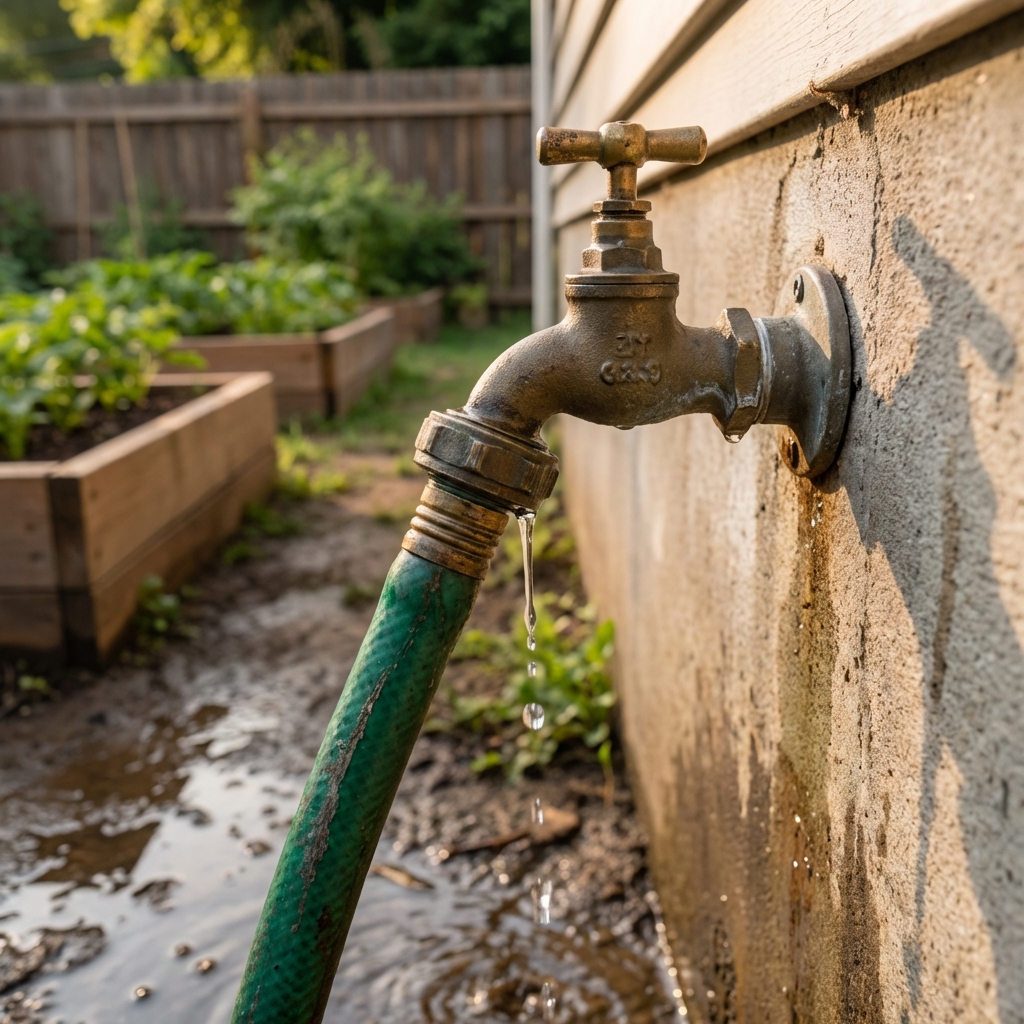
- Fix drips at hoses, timers, and spigots. Even a slow leak creates a roach-friendly zone.
- Water early so the surface dries by nightfall.
- Empty saucers under pots or switch to pot feet so drainage does not sit.
- Improve drainage where puddles linger near the foundation.
- Check gutters for clogs and overflow that keeps mulch soaked.
2) Reduce easy food sources
Outdoors, roaches eat almost anything: decaying leaves, pet food, fallen fruit, spilled bird seed, and even the glue on cardboard.
- Pick up fallen fruit under trees and vines.
- Keep pet food indoors and rinse bowls after feeding.
- Do not store cardboard in sheds or against walls. Use sealed plastic bins.
- If you compost, cover fresh kitchen scraps with browns (dry leaves, shredded paper, straw) to reduce odor and access.
3) Remove shelter and hiding spots
This is the part most people skip, and it is why sprays feel like they “do nothing.” Roaches hide in tight, protected spaces during the day (also called harborages).
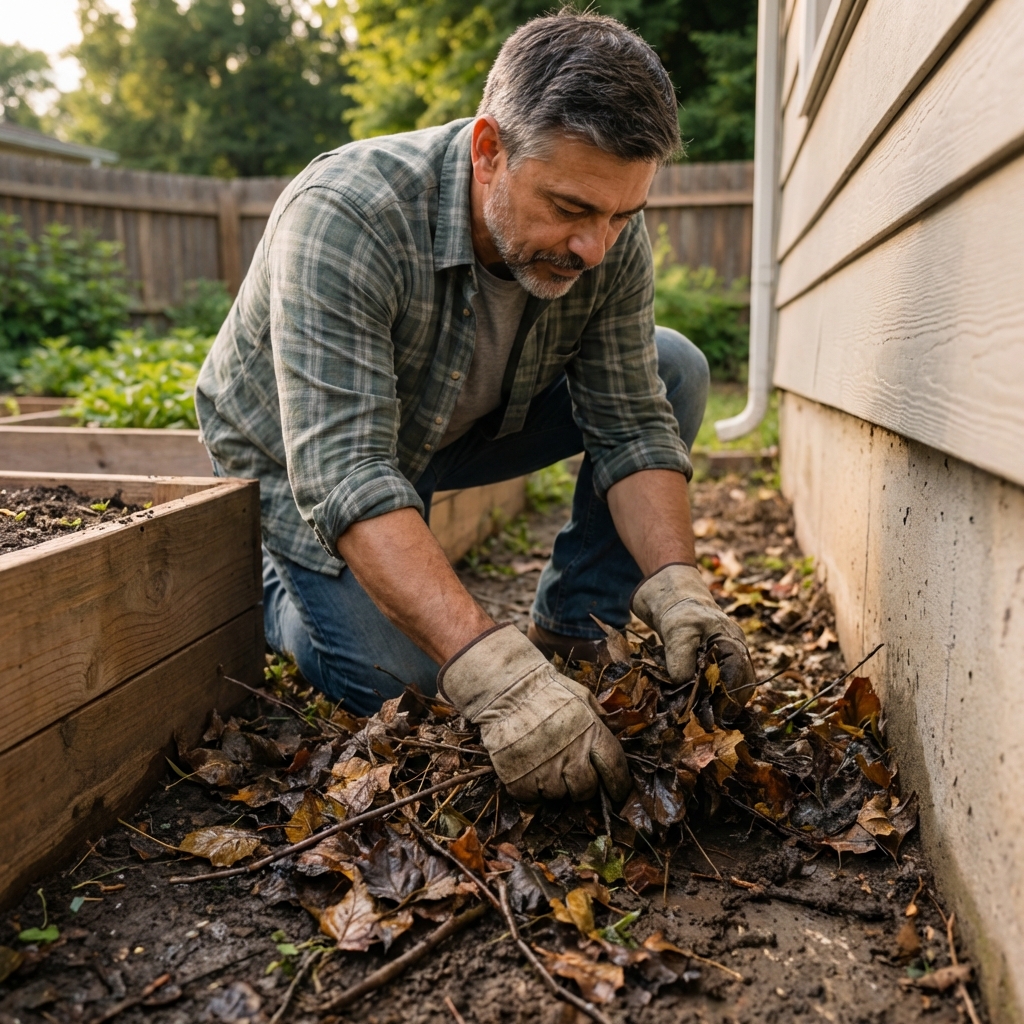
- Pull mulch back 6 to 18 inches from the foundation. Local guidance varies, but the goal is a dry, clear strip. A gravel strip can help in wet climates.
- Trim dense groundcovers and shrubs so air and light reach the soil.
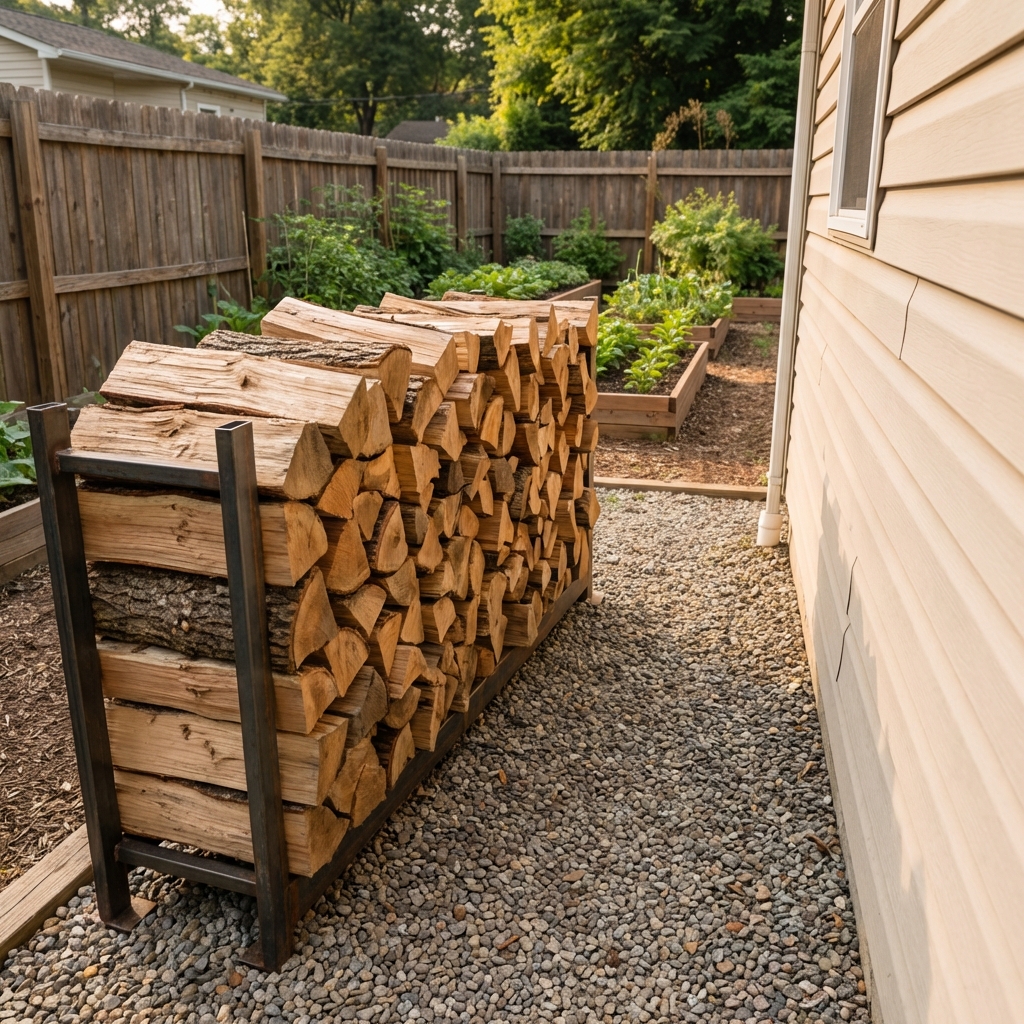
- Store firewood off the ground and away from the house if possible.
- Flip and clean under pots, trays, pavers, and boards near beds.
- Keep shed floors swept and avoid cluttered corners.
Block their path indoors (and into sheds)
Even if your main issue is “garden roaches,” most people care because they sometimes wander into the home. Sealing entry points is boring but extremely effective.
- Door sweeps on exterior doors and shed doors.
- Seal cracks around pipes, cables, and AC lines with appropriate caulk or foam.
- Repair screens and add screen to vents where practical.
- Weatherstrip gaps around doors and windows.
If you garden near a garage or back door, focus your sealing effort there first.
Baits beat sprays for roaches (when used correctly)
If I had to pick one tool that gives the most consistent results, it is bait. With many products and species, roaches can affect each other through things like feces, secretions, and scavenging, but that “secondary kill” varies a lot. The reliable win is that bait gets roaches to feed where they are hiding, not just where you can spray.
Bait types (quick guide)
- Gel bait: great for cracks and sheltered spots, but it dries out faster outdoors.
- Enclosed bait stations: safer around kids and pets, and helpful in wet areas.
- Granular bait: sometimes labeled for perimeter or mulch areas, but always check the label before using it near beds.
Important: choose a product that is labeled for outdoor or perimeter use where you plan to apply it.
Where to place bait outdoors
- Along the foundation in sheltered spots (under siding edges, behind downspouts, near utility penetrations)
- In enclosed, tamper-resistant bait stations near (not inside) utility areas where roaches travel
- In sheds near corners, under shelving, and behind stored bins
- Under paver edges or in cracks where roaches travel
How to avoid common bait failures
- Do not spray insecticide over bait. Repellent sprays can keep roaches from feeding.
- Use small amounts in many spots. Think pea-sized placements instead of big globs.
- Replace when dusty, dry, or eaten. Outdoors, bait does not last forever.
- Keep it dry and shaded when possible for better longevity.
Safety note: Always follow the product label and keep baits out of reach of kids and pets. If you have chickens, ducks, or free-roaming pets, use enclosed bait stations and avoid placing bait where it can wash into beds or where wildlife can access it.
About electrical boxes: do not put bait (or anything) inside electrical boxes or panels unless a licensed pro tells you it is safe and the product label explicitly supports that use. It is usually safer to place a station nearby in a dry, protected spot.
Safer, garden-friendly options that actually help
If you want a lower-impact approach, you can still make serious progress. The key is to use these as part of a plan, not as the only step.
Diatomaceous earth (DE)
DE can help in dry, protected areas like a shed corner or under an appliance in an outdoor kitchen. It is much less effective once it gets wet.
- Apply a light dusting, not piles.
- Use a food-grade product for general home use, and treat it like any fine dust: avoid breathing it and keep it out of eyes. A mask or respirator is a good idea during application.
- Reapply after rain or heavy moisture.
Boric acid (use carefully)
Boric acid can be effective but needs careful placement. It is not something I recommend broadcasting in garden beds. Keep it in cracks, voids, and protected areas where it will not blow around, and keep it away from kids, pets, and wildlife.
Sticky traps for monitoring
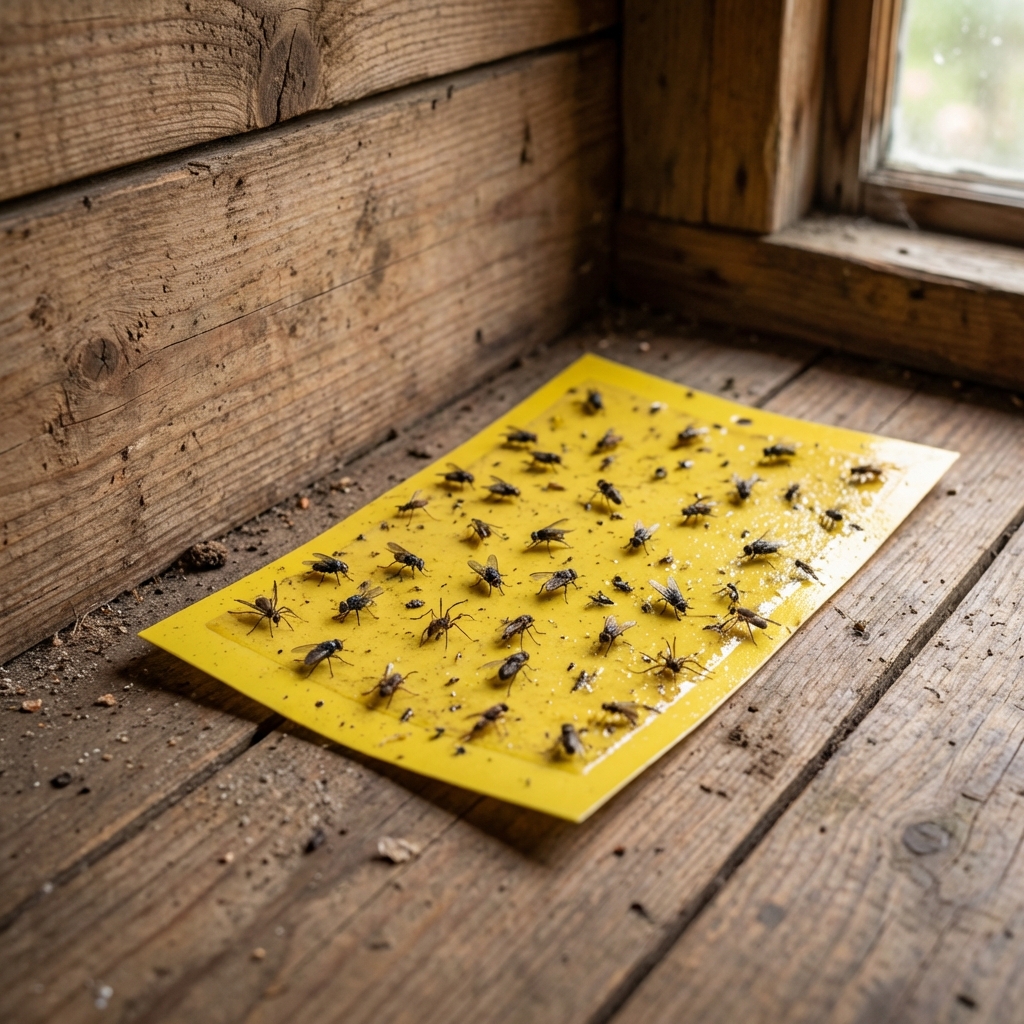
Traps will not eliminate a population, but they are great for answering two questions: Where are roaches traveling, and is your control plan working?
- Place traps near the shed door, behind pots, and along the wall where you see activity.
- Check weekly and move them based on what you catch.
What about spraying?
Sprays can help, but they are best used as a targeted perimeter treatment, not a blanket application across your garden. If you spray everywhere, you increase exposure risk for beneficial insects and you still miss the hidden roach harborages.
If you choose to spray, do it this way
- Focus on cracks and crevices, not open soil.
- Treat the foundation line, entry points, and sheltered pathways.
- Avoid spraying flowering plants where pollinators land.
- Do not spray directly on edibles unless the label explicitly allows it and you follow harvest intervals.
For many households, a combination of sanitation + moisture control + bait beats heavy spraying.
Garden zones that attract roaches and how to fix them
Mulch and leaf litter
Mulch is great for soil, but thick, constantly damp mulch near the house is a roach hotel.
- Aim for about 2 to 4 inches of mulch, depending on your goals and mulch type. Avoid thick, soggy layers.
- Maintain a dry, clear strip next to the foundation.
- Rake out wet leaf mats, especially in shady corners.
Compost piles and bins
Compost can attract roaches if it stays wet and is loaded with exposed kitchen scraps.
- Bury scraps in the center and cover with dry browns.
- Avoid meat, grease, and dairy in open systems.
- Keep the area around the bin clean and free of spilled material.
Potting benches and container gardens
- Do not leave empty pots stacked with damp soil inside.
- Store bagged soil in a sealed bin if possible.
- Lift containers off the ground for airflow.
Sheds and garden storage
- Replace cardboard with plastic totes.
- Sweep regularly, especially around feed, seed, and fertilizer.
- Set traps and place bait (preferably in stations) in protected corners.
A simple 7-day action plan
Day 1 to 2: Cleanup and dry-out
- Fix leaks and empty saucers.
- Pull debris and leaf piles away from walls.
- Move firewood, boards, and stacked pots.
Day 3: Seal and block
- Add a door sweep and seal obvious gaps around pipes and cables.
- Repair torn screens near the problem area.
Day 4: Place monitoring traps
- Put sticky traps where you suspect travel routes.
Day 5: Bait where you see activity
- Use small placements in protected spots (or stations if you have pets or wildlife).
- Keep bait away from rain and irrigation spray.
Day 6 to 7: Adjust
- Check traps and relocate bait if needed.
- Remove any remaining “roach hotels” you missed.
Most people see a noticeable improvement within 1 to 3 weeks if they stay consistent, especially with moisture control and bait maintenance.
When to call a pro
If you are seeing roaches during the day, finding them in multiple rooms, or spotting lots of small German roaches, it is time to bring in help. A good pest pro can identify the species, locate harborages, and use targeted treatments that are hard to match with DIY tools.
Also call a professional if you suspect a moisture issue under the home, in a crawlspace, or around plumbing. Roaches love the same damp conditions that can cause bigger structural problems later.
Quick FAQ
Will keeping chickens eliminate roaches?
Chickens will eat some insects, but they rarely solve a roach problem by themselves. You still need to cut moisture and remove hiding spots.
Do roaches mean my garden is dirty?
Not necessarily. Gardens naturally have organic matter. Roaches show up when there is steady moisture, shelter, and easy food. Small adjustments often make a big difference.
Is mulch a bad idea?
No. Just keep it away from the foundation, avoid over-mulching, and do not let it stay soggy.

Jose Brito
I’m Jose Britto, the writer behind The Country Store Farm Website. I share practical, down-to-earth gardening advice for home growers—whether you’re starting your first raised bed, troubleshooting pests, improving soil, or figuring out what to plant next. My focus is simple: clear tips you can actually use, realistic expectations, and methods that work in real backyards (not just in perfect conditions). If you like straightforward guidance and learning as you go, you’re in the right place.