Deer pressure is different everywhere. In some neighborhoods, deer nibble the “tasty” stuff and move on. In others, they clean the buffet and come back for seconds. That is why the best approach is not one miracle plant. It is a plan that combines deer-resistant plants with smart placement and a few simple deterrents.
This guide focuses on plants deer often avoid, how to use them effectively, and what to do when deer ignore the rules.
Quick note: Deer preferences vary by region, season, and what is available nearby. If you want the most reliable picks for your area, cross-check with your local extension office or garden center’s “deer-resistant” list.
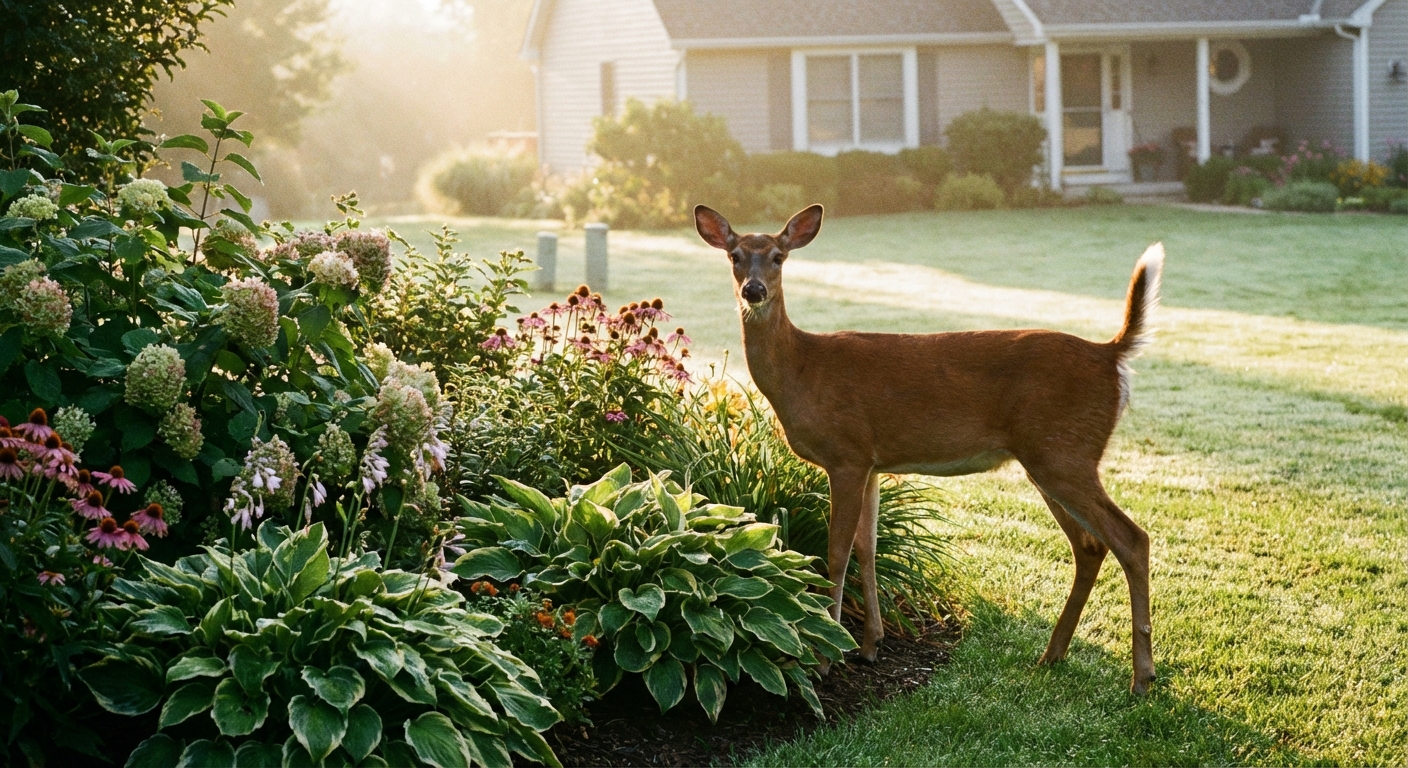
First, a reality check about “deer-proof” plants
No plant is 100 percent deer-proof. Deer are browsers, and they make decisions based on:
- Hunger and population pressure (more deer, less food, more risk-taking)
- Season (spring and early summer growth is extra appealing)
- Weather (drought can push deer into irrigated yards)
- What else is available (a landscape full of salad invites grazing)
- Young plants (tender new growth is easier to chew)
Think of deer-resistant plants as lowering the odds, not eliminating them.
Why deer avoid certain plants
Deer typically skip plants with strong scents, fuzzy leaves, bitter sap, or thorny textures. The most reliable “repellent” traits are:
- Aromatic foliage: minty, resinous, or perfumed leaves
- Fuzzy or rough leaves: unpleasant mouthfeel
- Milky sap or bitterness: less palatable
- Spines and stiff stems: harder to browse
When you choose plants with these traits, you are using the deer’s own preferences against them.
Top deer-repellent plants
These are common, easy-to-find plants that home gardeners use again and again because deer often leave them alone.
Aromatic herbs
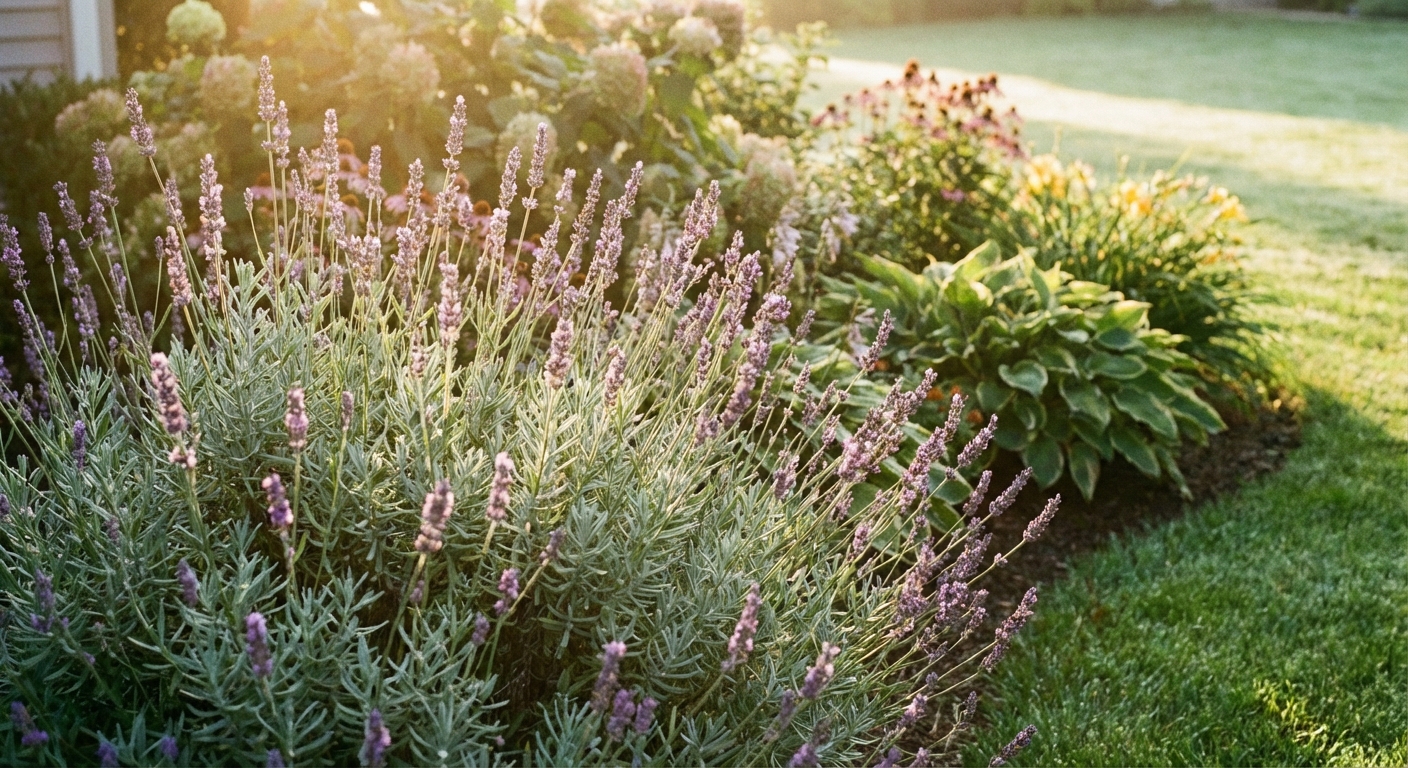
- Lavender (Lavandula): full sun, well-drained soil, great for borders
- Rosemary (Salvia rosmarinus): tough, drought tolerant once established, best in mild winters or containers in cold zones
- Sage (Salvia officinalis): loves sun, good in beds and pots
- Thyme (Thymus): groundcover option, handles poor soils well
- Mint (Mentha): strongly scented, but plant in a pot or contained area because it spreads
Strong-scented ornamentals
- Russian sage (Salvia yangii): airy purple blooms, heat tolerant
- Catmint (Nepeta): long bloom period, low maintenance
- Yarrow (Achillea): drought tolerant, flat-topped blooms, good for pollinators
Fuzzy or bitter-leaf plants
- Lamb’s ear (Stachys byzantina): soft, fuzzy leaves deer often avoid
- Artemisia (wormwood): silvery foliage, strong scent, likes sun and drainage
Toxic or irritating (use responsibly)
- Foxglove (Digitalis): showy spikes, toxic if eaten, keep away from pets and kids
- Daffodils (Narcissus): one of the best spring “no thanks” bulbs for deer
- Alliums (ornamental onions): onion scent, good companion bulb with tulips
Tip: Even deer-resistant plants are most vulnerable when newly planted. Protect new installs for the first month (or until you see strong new growth) while roots settle.
Deer-resistant shrubs and small trees
If deer walk through your yard daily, a few “backbone” shrubs can make your whole landscape less appealing.
- Boxwood (Buxus): classic evergreen structure, deer often avoid the scent (but can browse in winter)
- Inkberry holly (Ilex glabra): native option in many areas, good for wetter soils
- Spirea (Spiraea): tough flowering shrub, sometimes browsed depending on cultivar and local pressure
- Butterfly bush (Buddleja): deer may ignore it, pollinator magnet, can be invasive in some regions so check local guidance (deer resistance varies)
- Juniper (Juniperus): prickly, aromatic evergreen, good for slopes and dry spots
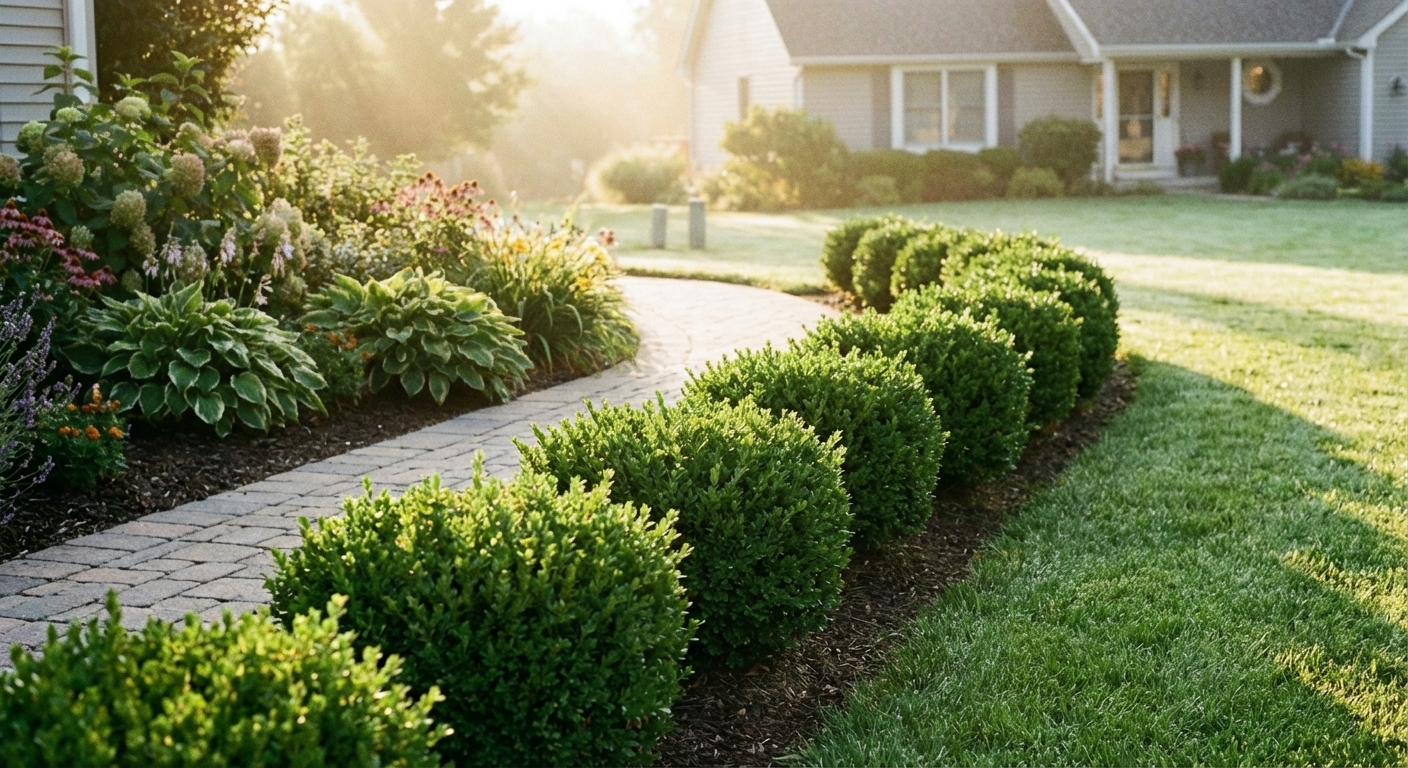
Watch-out: Deer may still browse tender tips during harsh winters or droughts. Evergreens can get targeted when other food is scarce.
Perennials that often get a pass
These are solid choices for beds where deer are a recurring problem. Results vary, but they tend to perform well.
- Peony (Paeonia): deer usually leave it alone
- Bee balm (Monarda): fragrant foliage, also supports pollinators
- Blanket flower (Gaillardia): heat tolerant, long bloom
- Coreopsis: bright blooms, easy care
- Salvia (ornamental sages): many types, generally deer-resistant
- Irises: often avoided due to bitterness
If you want a simple deer-resistant bed, start with salvia + catmint + yarrow for sun, and add daffodils as a spring anchor.
Annuals and containers
Annuals are not always deer-resistant, but a few do better than most. Containers also let you move plants closer to doors, patios, and high-traffic areas where deer feel less comfortable.
- Marigolds: strong scent can help, especially in dense plantings (but deer can still eat them)
- Sweet alyssum: not a top favorite for deer, useful as an edging filler
- Heliotrope: fragrant blooms, often skipped (note: toxic if eaten, especially for pets)
- Geraniums (Pelargonium): strong scent, commonly left alone
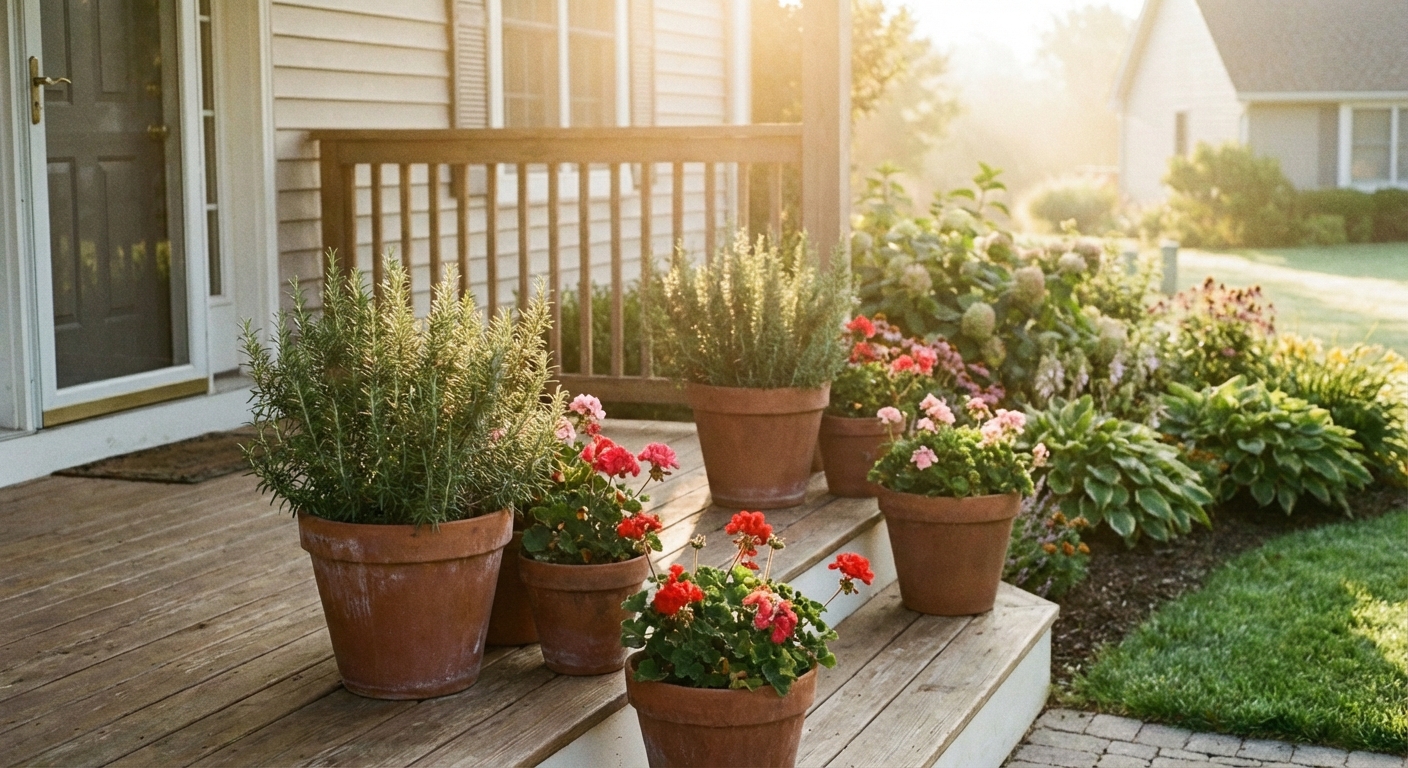
Container tip: If deer are bold in your area, keep the tastiest flowers (like petunias) in containers right by the entry where human activity is constant.
How to use deer-repellent plants
Plant choice matters, but layout matters more than most people think.
1) Build a “stinky border”
Line the outer edge of beds with aromatic, deer-resistant plants (lavender, catmint, sage, thyme). This does not create a true barrier, but it can reduce casual browsing.
2) Hide the salad
Deer love hostas, roses, tulips, and many vegetables. Instead of planting those on the perimeter, tuck them closer to the house, behind resistant plants, or inside a protected area.
3) Cluster, do not sprinkle
A few random resistant plants among favorites does not change the deer’s decision much. Larger clusters of strong-scented plants make the whole area less appealing.
4) Protect new growth windows
Deer often browse when plants push tender growth: early spring, after pruning, or after heavy watering and fertilizing. That is when repellents and barriers matter most.
When plants are not enough
If deer are eating “deer-resistant” plants, you have high pressure. You will likely need at least one of these approaches.
Physical barriers (most reliable)
- Fencing: typically 8 feet (sometimes 7.5 to 8 feet) is the standard for jumping deer, but local conditions and deer behavior matter. If deer can see a clear landing zone, they are more likely to jump.
- Garden netting or floating row cover: helpful for small beds, new shrubs, and veggies
- Tree and shrub guards: protect trunks and lower branches, especially in winter
Netting safety note: Secure netting tightly and keep it taut to reduce the risk of wildlife entanglement.
Repellents (best as a routine)
The most effective repellents tend to be:
- Odor-based (often using ingredients like putrescent egg solids or garlic)
- Taste-based (applied to plant tissue so browsing is unpleasant)
They can work well, but only if you apply them consistently and follow the label, especially on edible crops.
- Reapply after rain and heavy irrigation.
- Consider rotating products to maintain effectiveness through changing conditions.
- Start early, before deer form a habit.
Motion and light deterrents (hit or miss, but useful)
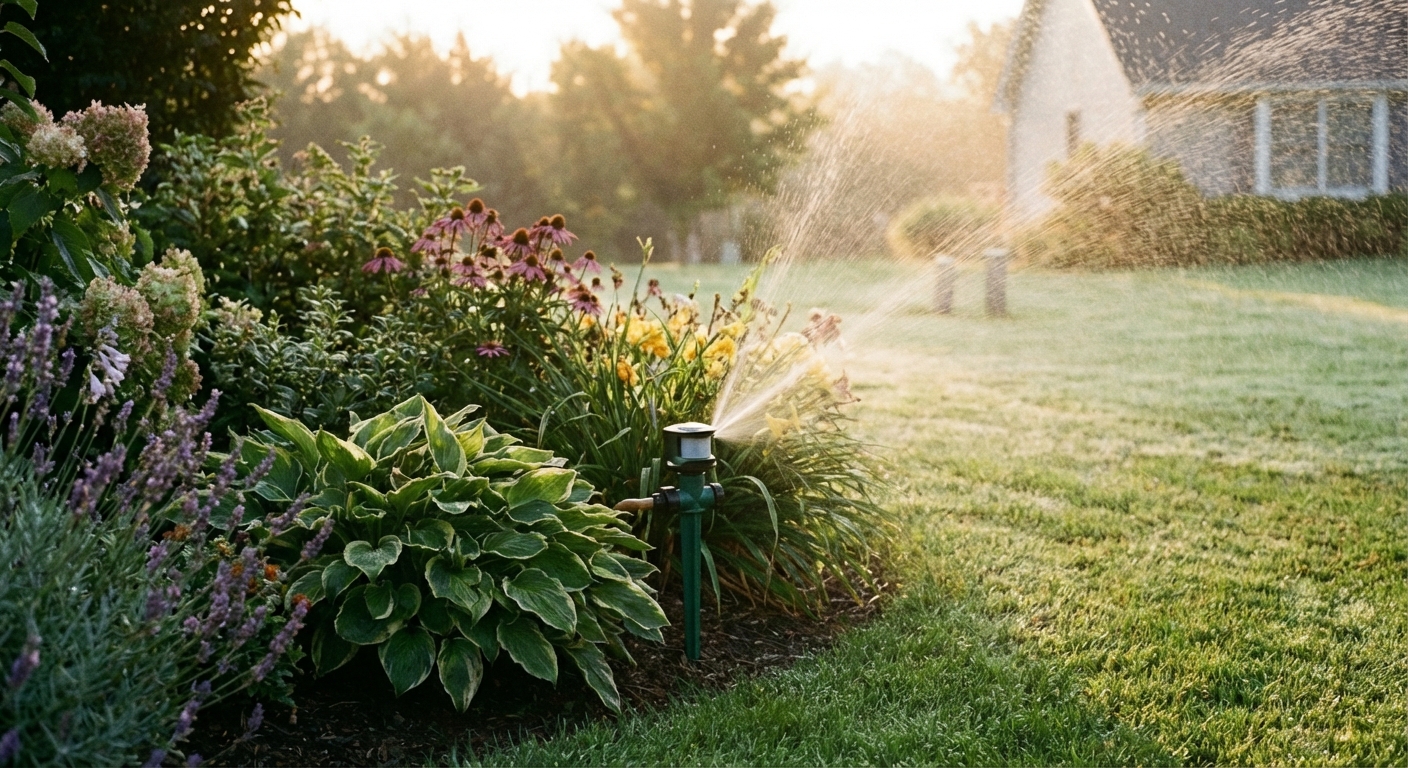
- Motion-activated sprinklers: surprisingly effective for many yards
- Motion lights: can help near entry points, less effective in bright neighborhoods
My realistic take: If you can only do one thing, do a barrier for the plants you care about most. If you can do two things, add a routine repellent schedule during peak browsing seasons.
Deer-resistant garden plans
Sunny foundation bed
- Front border: lavender + thyme
- Middle: catmint + yarrow
- Back: Russian sage
- Spring bulbs: daffodils and alliums
Part shade near the house
- Edge: spotted deadnettle (Lamium) or lady’s mantle (Alchemilla)
- Structure: boxwood or inkberry holly
- Accent: hellebores (Helleborus, Lenten rose) for early-season flowers and tough foliage
Veggie garden setup
- Primary: fence the vegetable bed if you can
- Backup: use netting over seedlings and new transplants
- Perimeter planting: rosemary, sage, thyme in containers around the outside
Vegetables are basically a deer magnet. For edible gardens, deterrents and barriers matter more than plant choice.
Common questions
What is the single best deer-repellent plant?
Daffodils are one of the most reliably avoided plants in many regions. For summer beds, lavender and catmint are strong contenders.
Will marigolds keep deer out of my garden?
Marigolds can help a little, but they will not stop hungry deer. Use them as part of a broader plan, not as your only line of defense.
Why are deer eating my “deer-resistant” plants?
Usually it is high deer pressure, drought, winter scarcity, or tender new growth. In those conditions, deer get less picky and will sample almost anything.
Do coffee grounds, human hair, or soap bars work?
Sometimes they work briefly, especially in small areas, but results are inconsistent. If you need dependable protection, prioritize fencing and proven repellents.
Quick action checklist
- Pick 3 to 5 deer-resistant plants with strong scent or texture for your main beds.
- Plant them in clusters and use them as an outer border.
- Move favorite plants closer to the house or behind resistant plantings.
- Protect new plantings with netting or a temporary barrier until established.
- If deer are still browsing, add a routine repellent schedule or install a fence around your highest-value area.
If you tell me your zone, sun exposure, and which plants deer keep eating, I can help you narrow this down to a short shopping list that fits your yard.

Jose Brito
I’m Jose Britto, the writer behind The Country Store Farm Website. I share practical, down-to-earth gardening advice for home growers—whether you’re starting your first raised bed, troubleshooting pests, improving soil, or figuring out what to plant next. My focus is simple: clear tips you can actually use, realistic expectations, and methods that work in real backyards (not just in perfect conditions). If you like straightforward guidance and learning as you go, you’re in the right place.