Fleas are one of those problems that can make a good dog miserable fast. The tricky part is that fleas are not just on your dog. They are in your carpets, bedding, and yard, cycling through egg, larval, pupal, and adult stages.
This beginner’s guide walks you through practical DIY home remedies that are generally safe, plus the home cleanup steps that actually break the flea life cycle. I will also point out the popular “natural” ideas that can harm your dog or simply do not work.
Quick reality check: In moderate or heavy infestations, DIY steps alone often do not fully solve the problem without an effective, vet-approved flea preventive. Think of DIY as the support team. Prevention is often the cornerstone.
Not veterinary advice: This article is educational and not a substitute for veterinary care.
First, confirm it is fleas
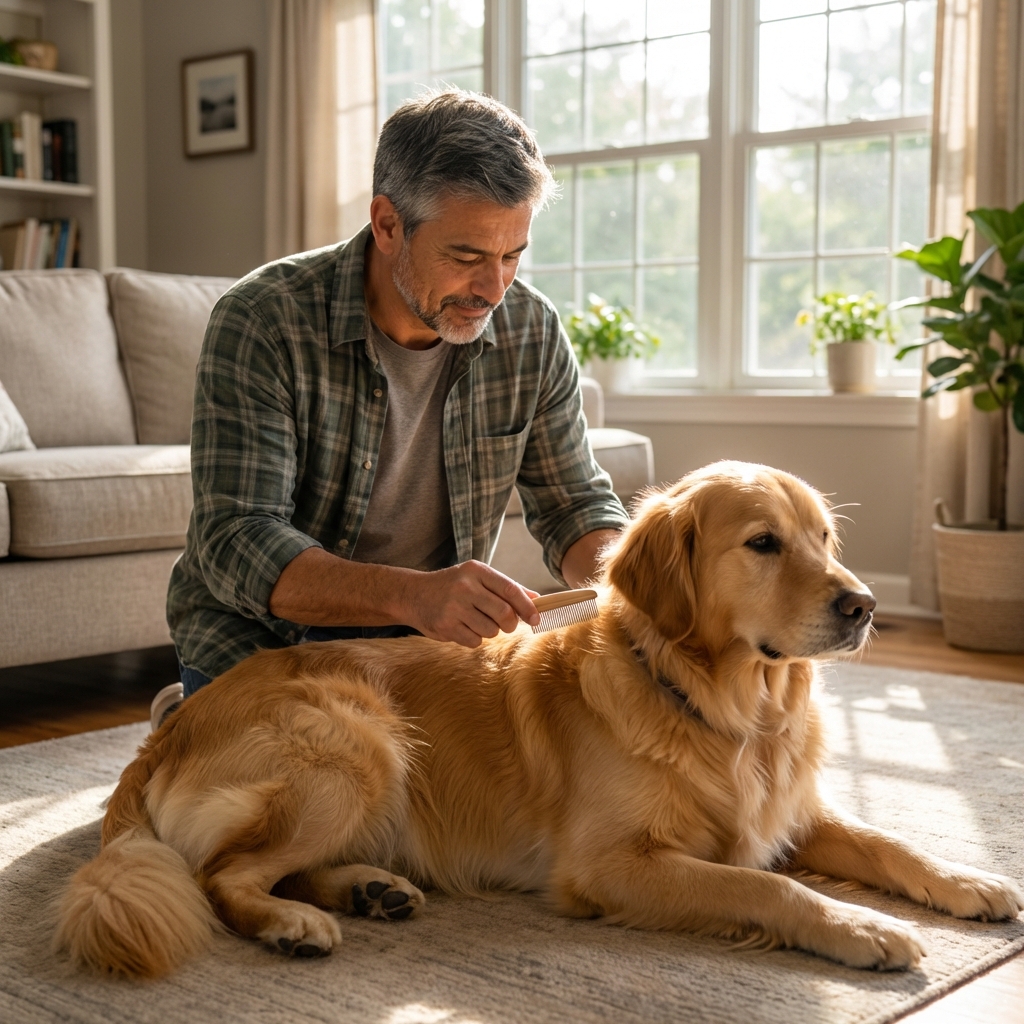
If your dog is scratching, chewing at the base of the tail, or you are seeing tiny dark specks in the coat, fleas are likely. Here is a quick check you can do at home:
- Flea comb test: Comb along the neck, back, and base of the tail. Wipe anything you catch onto a damp white paper towel. If it smears reddish brown, that is flea dirt (digested blood).
- Look for jumping adults: They are small, fast, and dark. You might see them when you part the fur.
- Check common hangouts: Dog bed seams, rugs near resting spots, and under furniture.
Common look-alikes: Dry skin, environmental allergies, and mites can also cause itching. If you cannot find fleas or flea dirt but the itching is intense, your vet can help you avoid chasing the wrong problem.
If your dog has severe redness, hair loss, open sores, pale gums, lethargy, or you have a very young puppy, pregnant dog, or a dog with health issues, skip DIY trials and call your vet. Fleas can trigger allergic dermatitis and can contribute to anemia, especially in small dogs and puppies.
Before you start: what to gather
- Flea comb
- Dish soap that is plain and unscented (for an occasional bath only)
- Dog shampoo (gentle, fragrance-free is ideal)
- White vinegar (for a diluted rinse or spray for bedding, not for eyes or open skin)
- Clean towels
- Vacuum with a hose attachment
- Laundry detergent and access to hot water and high heat drying
- Optional: food-grade diatomaceous earth for home cracks and carpets (used carefully)
DIY remedies that actually help your dog
1) Flea combing (simple, but powerful)
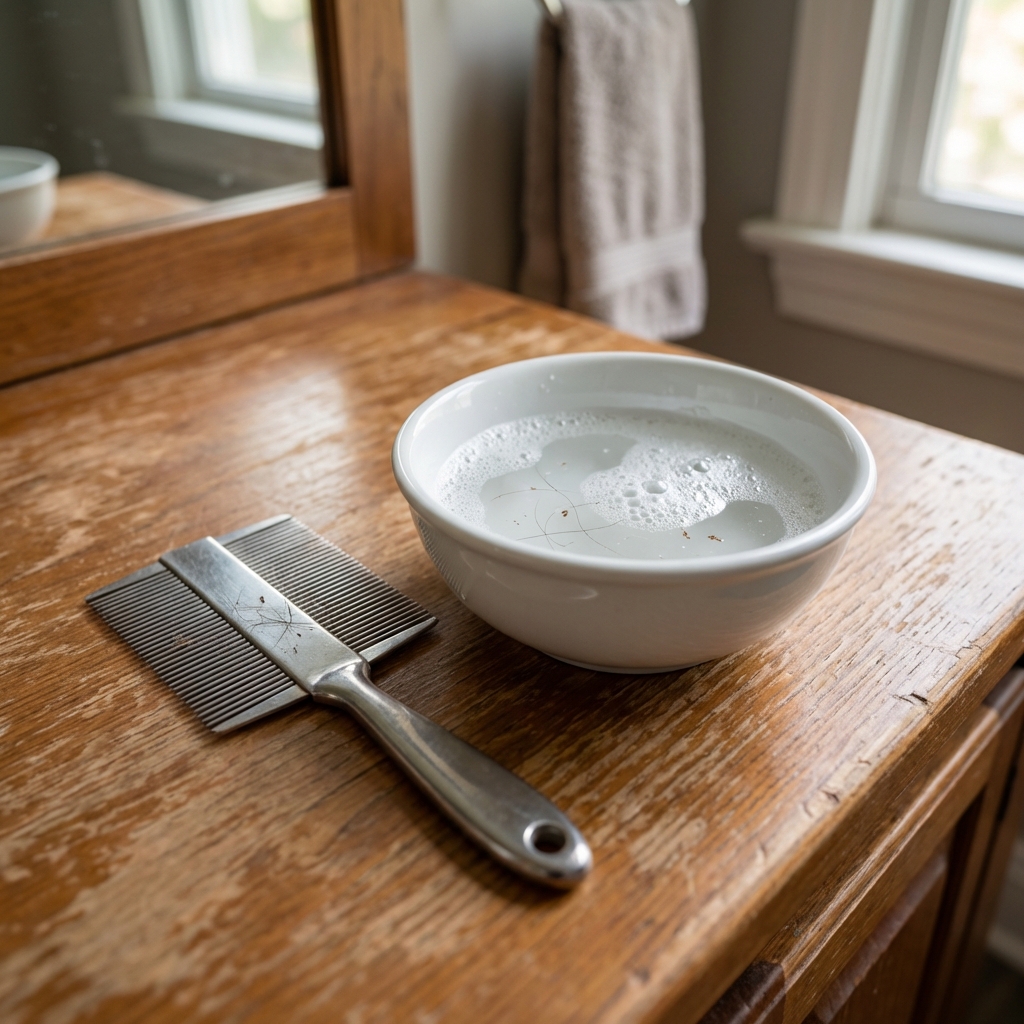
Combing removes adult fleas right away and helps you measure progress. It is slow, but it is reliable.
- Comb for 5 to 10 minutes once or twice daily for the first week.
- Focus on the neck, behind ears, armpits, groin, and base of the tail.
- Keep a cup of warm water with a few drops of dish soap nearby. Dunk the comb to trap and kill fleas.
2) The soap ring bath technique
If your dog tolerates baths, this is a beginner-friendly way to catch fleas that try to run to the face. You are making a barrier, then washing the body.
- Before wetting your dog, apply a thin ring of dog shampoo or plain dish soap around the neck.
- Wet the body from the neck down with lukewarm water.
- Lather with dog shampoo. If you are using dish soap, use it sparingly and only as an occasional emergency option because it can dry the skin.
- Let suds sit for about 5 minutes (do not let your dog get chilled).
- Rinse thoroughly and towel dry.
Avoid the eyes, nose, mouth, and inside the ears. If you see fleas on the face, use the flea comb, not soap.
3) Diluted vinegar rinse (comfort only)
Vinegar is not a reliable flea killer, and it is not a proven repellent. Some owners report that a diluted rinse helps with coat odor and comfort after bathing. Treat this as a mild support step, not the main event.
- Mix 1 part white vinegar to 3 parts water.
- After a bath and rinse, lightly pour over the coat (avoid the face and any irritated skin).
- Towel dry. Do not overdo it if your dog has dry skin.
If your dog has raw spots, skip vinegar. It stings.
4) Soothe itchy skin safely
Flea bites can leave your dog itchy even after you remove the fleas. These comfort steps can help while you work the bigger plan:
- Cool compress: A damp, cool washcloth on irritated areas for a few minutes.
- Oatmeal bath (dog-safe): Use a dog oatmeal shampoo, or a small amount of finely ground plain oats in the bath water. Rinse well.
If itching is intense or ongoing, your vet may recommend allergy relief or treatment for secondary infection.
Home cleanup: the part most people skip
Here is the hard truth: if you only treat the dog, you are mostly removing adult fleas. Eggs, larvae, and pupae in the house keep maturing for weeks. Your goal is to keep removing new adults until the cycle collapses.
Step 1: Vacuum like you mean it
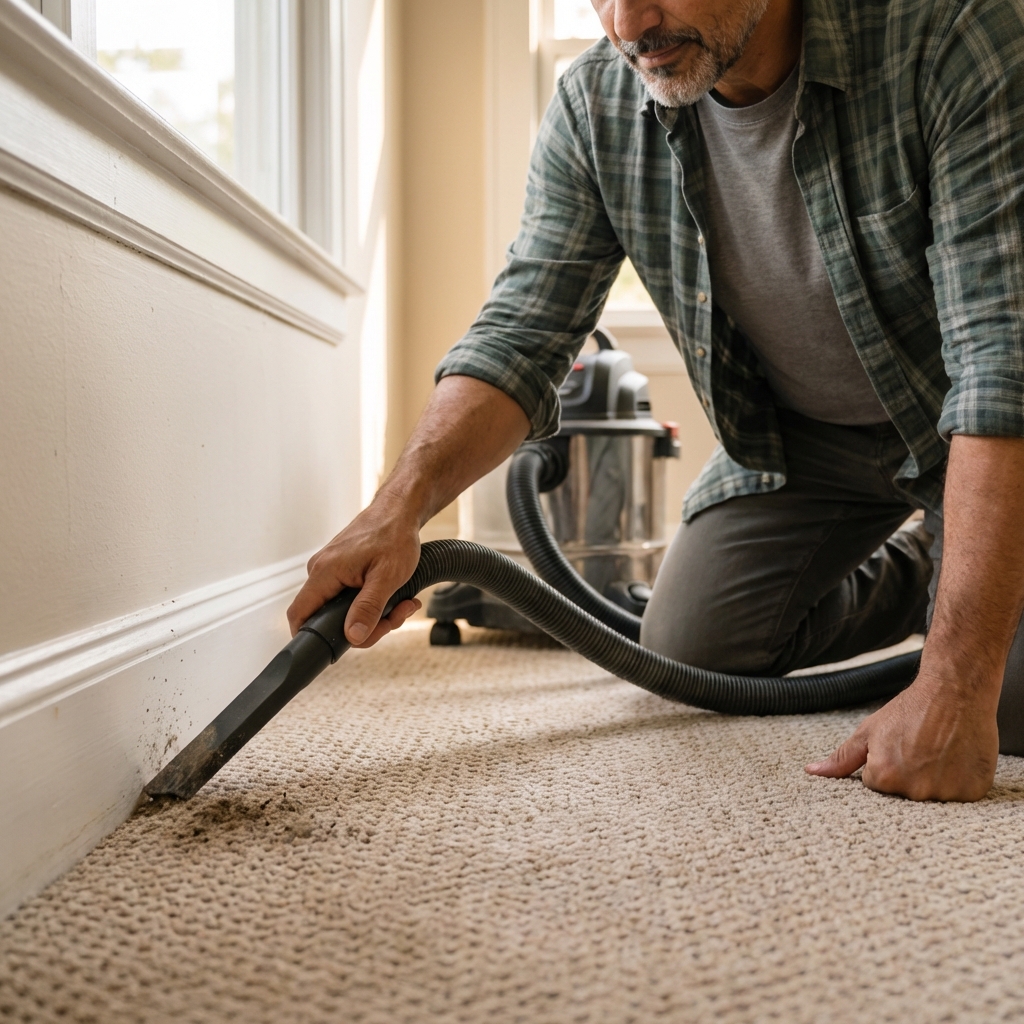
- Vacuum carpets, rugs, and upholstery daily for 7 to 10 days, then 2 to 3 times per week for a month.
- Use the hose tool along baseboards, under furniture, and in cracks.
- Immediately empty the canister into an outdoor trash bag, or remove and discard the vacuum bag.
Vacuuming helps remove eggs and larvae and may stimulate pupae to hatch (vibration and activity can be a cue). That sounds bad, but it is often helpful because it brings them out where you can remove them.
Step 2: Wash and heat-dry everything your dog touches
- Wash dog bedding, blankets, and washable toys in hot water if the fabric allows.
- Dry on high heat for at least 30 to 40 minutes.
- Repeat every few days during the first two weeks of treatment.
Step 3: Treat resting spots, not the whole house
If you want a DIY approach, focus on the tight areas where larvae hide: under couch cushions, pet bed seams, and carpet edges. This targets the highest-impact zones and reduces unnecessary exposure to dusts and sprays.
- Food-grade diatomaceous earth (DE): Lightly dust into carpet and cracks, let sit 24 to 48 hours, then vacuum thoroughly. Use a very light layer. Avoid creating airborne dust. Do not use DE on your dog’s coat or skin.
- Reality check: DE works mechanically by damaging insects’ outer surfaces, and its effectiveness can be limited in humid environments. It is not a magic fix.
- Safety note: Even food-grade DE can irritate lungs. Keep pets and kids away during application, and do not puff it into the air.
If you have asthma in the household, skip DE and stick with vacuuming and laundering.
Yard basics: stop the reinfestation loop
If your dog spends time outside, the yard can keep re-seeding the problem. You do not need to nuke the whole lawn. Start with practical, high-impact steps:
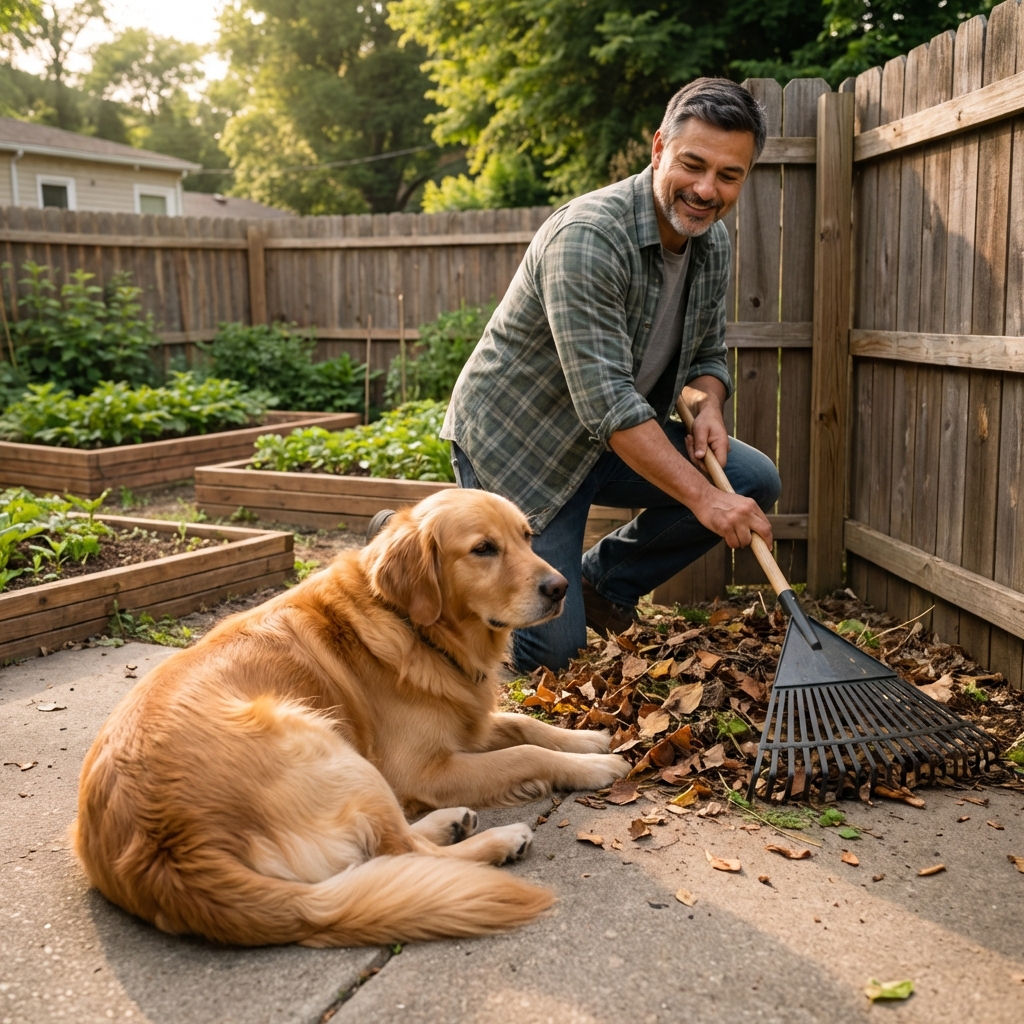
- Mow and remove debris: Fleas tend to do best in shaded, humid spots.
- Focus on shade zones: Under decks, along fences, under shrubs, and where pets nap.
- Wash outdoor dog beds: Or replace them during heavy infestations.
- Watch for wildlife: Raccoons, feral cats, and other visitors can continually reintroduce fleas, which explains why some cases keep coming back.
DIY remedies to avoid
- Essential oils on dogs: Tea tree, peppermint, eucalyptus, clove, pennyroyal, and citrus oils can cause poisoning, skin burns, drooling, tremors, and worse. Even “pet-safe” blends can be too concentrated.
- Garlic or supplements as flea control: Not reliable, and garlic can be harmful to dogs in enough quantity.
- Rubbing alcohol: Dries skin and can be toxic if licked. Also flammable.
- Straight vinegar or lemon on broken skin: Painful and irritating.
- Homemade sprays used like a pesticide: If it is strong enough to kill fleas consistently, it may also be harsh for your dog.
Multi-pet homes: do not miss this
If you have more than one pet, you usually need to treat all pets in the household (with species-appropriate products), or fleas will keep cycling.
- Cats matter: Even indoor cats can carry fleas and reinfest the home.
- Important cat safety: Never use dog-only flea products on cats. Products containing permethrin (common in some dog spot-ons) can be extremely toxic to cats.
A beginner-friendly 2-week plan
Days 1 to 3
- Give a bath (dog shampoo, or dish soap once if needed).
- Flea comb 5 to 10 minutes daily.
- Vacuum daily and wash bedding.
Days 4 to 10
- Continue daily vacuuming.
- Wash bedding every 2 to 3 days.
- Flea comb daily. You should see fewer adults.
Days 11 to 14
- Vacuum every other day.
- Keep combing and spot-checking.
- Do a final deep bedding wash and a thorough vacuum session.
If you are still seeing multiple live fleas per day by the end of week two, you are likely dealing with a heavy home or yard infestation. Talk with your vet about proven flea prevention (often the fastest way to stop the cycle) and, if needed, targeted home treatment options.
When to call the vet
- Your dog is a puppy, senior, pregnant, nursing, or has chronic illness.
- You see signs of anemia: weakness, pale gums, fast breathing.
- Skin is oozing, crusty, or has a strong odor (possible infection).
- Your dog has flea allergy dermatitis (intense itching, hair loss, scabs).
- You cannot get control after 2 to 3 weeks of consistent cleaning.
Vet-approved preventatives are not “giving up.” They can be the fastest way to stop the cycle, especially in bad infestations. You can still use the cleaning steps here to make results stick.
FAQ
Will dish soap kill fleas on my dog?
It can kill adult fleas during a bath by helping them drown or suffocate (detergents reduce water surface tension and can disrupt the flea’s protective waxy layer). It does not prevent new fleas from jumping on later. Use it sparingly because it can dry out skin.
How long does it take to get rid of fleas with home methods?
Often 2 to 4 weeks, because pupae can keep emerging. Consistent vacuuming and washing are what make the difference. In tougher cases, adding a vet-approved preventive can shorten the timeline dramatically.
Can fleas live in human hair?
Fleas may jump onto people briefly, but they prefer animal fur and do not typically live in human hair like lice.
Should I treat my house if I only saw one flea?
Yes. One flea often means more are present, especially eggs and larvae you cannot see yet.

Jose Brito
I’m Jose Britto, the writer behind The Country Store Farm Website. I share practical, down-to-earth gardening advice for home growers—whether you’re starting your first raised bed, troubleshooting pests, improving soil, or figuring out what to plant next. My focus is simple: clear tips you can actually use, realistic expectations, and methods that work in real backyards (not just in perfect conditions). If you like straightforward guidance and learning as you go, you’re in the right place.