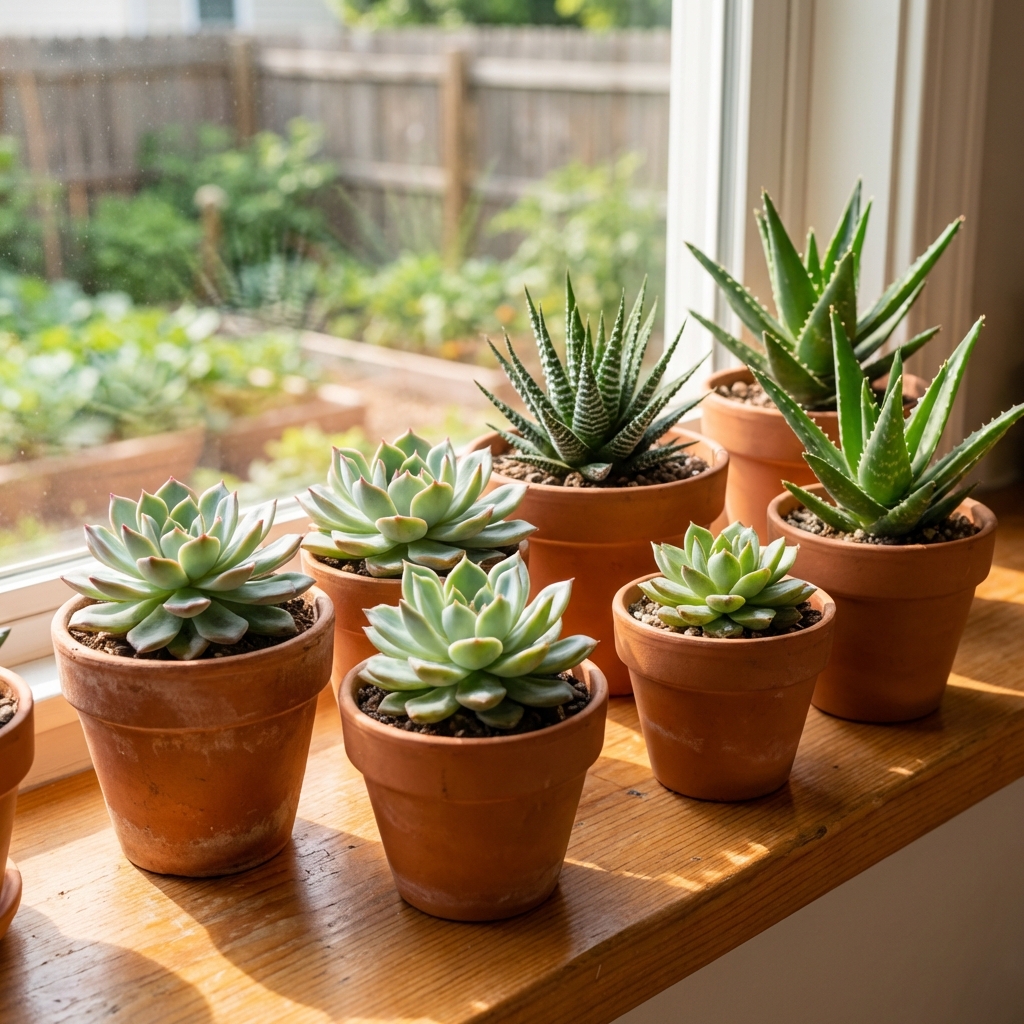
Succulents get labeled as “unkillable,” and that is how a lot of beginners end up with mushy leaves, stretched stems, or a plant that slowly fades out. The good news is succulent care is simple once you match their basic needs: strong light, fast-draining soil, and watering only when the plant actually needs it.
This guide keeps it DIY and realistic. No fancy equipment required, just a few smart choices and a routine that fits normal home conditions.
Know what succulents want
Succulents store water in their leaves and stems. That storage is their superpower, but it also means they hate sitting in wet soil. Most beginner problems come from one of two things: not enough light, or too much water.
- Light drives compact growth and good color.
- Airy, gritty soil prevents root rot.
- Deep, infrequent watering mimics natural rain cycles.
Quick reality check: not all succulents want the same setup. Haworthia and Gasteria often tolerate bright indoor light better than full sun, while Echeveria usually needs very strong light (often direct sun or a grow light) to stay compact.
Light: the make or break factor
Succulents want brighter light than most houseplants. Indoors, “bright” to us is often still dim to a sun-loving plant.
Where to place them
- Best indoor spot: a south or west-facing window (Northern Hemisphere). In the Southern Hemisphere, flip that (north or east-facing is often strongest). East-facing can work for many, especially if the plant is right up against the glass.
- Rotate the pot: turn it a quarter turn every week or two so it grows evenly instead of leaning.
- Outdoor option: morning sun and afternoon shade is a safe starting point for many succulents, especially when moving them from indoors.
DIY tip: A bright window that gets several hours of sun is ideal for many sun-lovers. If you can read comfortably there without turning on a lamp during the day, you are closer to “bright.” If the plant still stretches, it needs more.
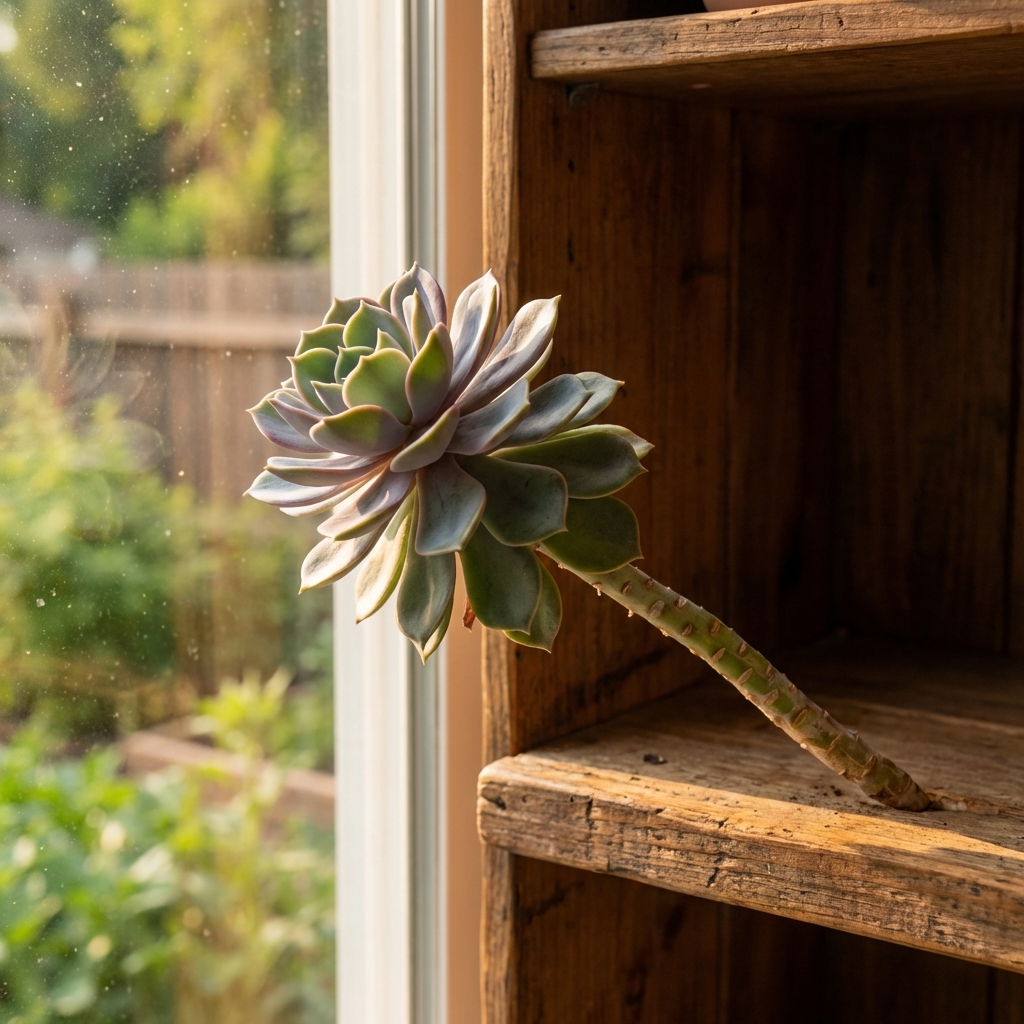
Signs it needs more light: stretched stem, wide gaps between leaves, pale color, leaning hard toward the window.
Signs of too much sun too fast: white or tan patches that look bleached or crispy, especially after moving a plant outdoors.
Grow lights: a simple fix
No good windows? A basic LED grow light works surprisingly well and still keeps things DIY.
- Type: a simple LED bar or clip-on grow light is fine.
- Timing: aim for about 10 to 14 hours per day.
- Distance: start around 6 to 12 inches from the plant, then adjust based on results. Stretching means closer or longer. Bleaching means back it off.
Watering: fewer times, more thoroughly
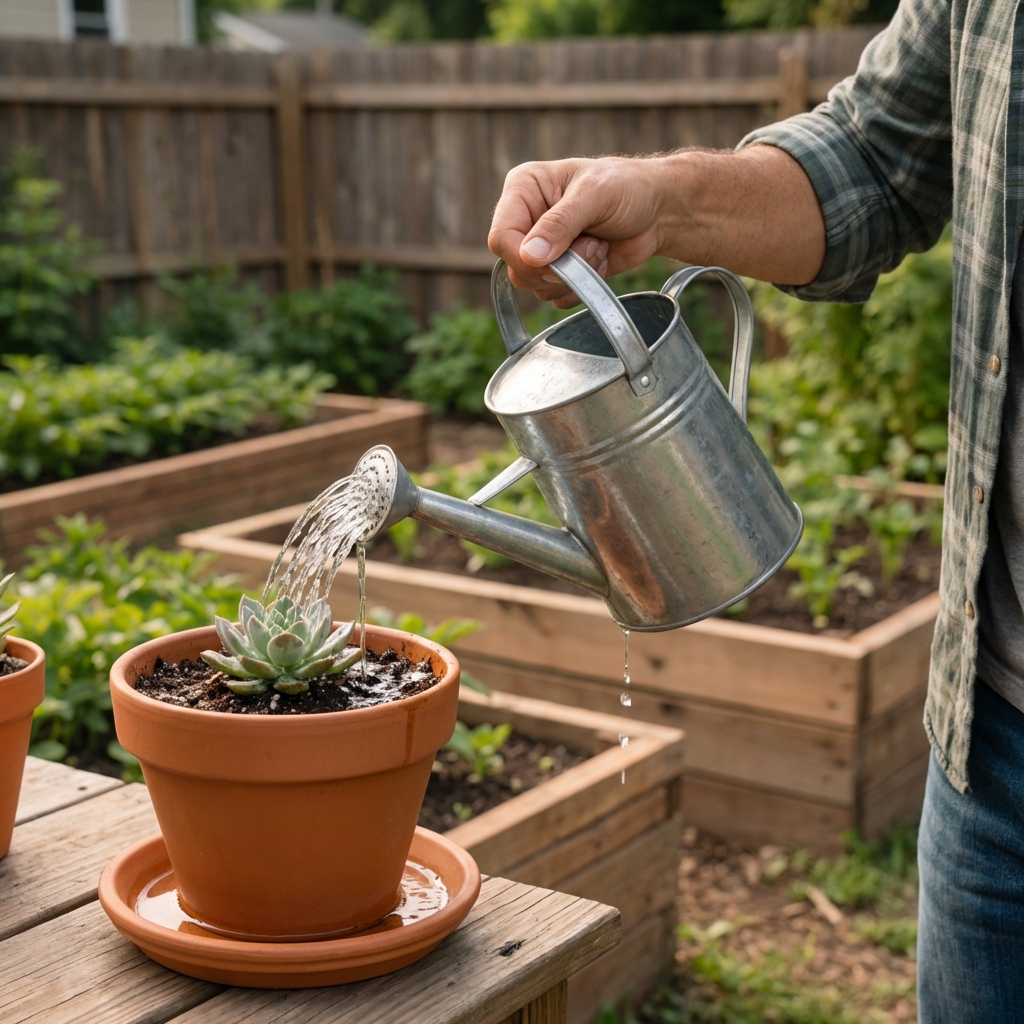
Most succulents do better with a soak and dry routine: water fully, then let the soil dry out all the way before watering again.
How to water the right way
- Water until it runs out the drainage hole.
- Empty the saucer so the pot does not sit in water.
- Do not water again until the soil is dry to the bottom.
How to tell it is time to water
- Leaves look less firm: slightly wrinkled or thinner, not plump.
- Pot feels light: pick it up right after watering, then compare later.
- Soil check: use a wooden skewer or chopstick. If it comes out cool and damp, wait.
Realistic timing: In bright light and warm temps, maybe every 7 to 14 days. In winter or low light, it might be every 3 to 5 weeks. Terracotta and gritty mixes dry faster. Plastic, glazed pots, bigger pots, and humid rooms dry slower. Your conditions matter more than the calendar.
Soil: a DIY mix that drains fast
Regular potting soil holds moisture too long for most succulents. You want a gritty mix that dries quickly and lets air reach the roots.
Easy DIY succulent soil mix
Try this simple starter blend:
- 1 part potting mix (basic indoor mix is fine)
- 1 part perlite (or pumice if you have it)
If your home runs cool, humid, or your light is limited, go grittier:
- 1 part potting mix
- 2 parts perlite or pumice
What to avoid: heavy garden soil, mixes that stay wet for days, and adding sand that is too fine. Fine sand can pack down and reduce airflow.
Top-dressing note: Pebbles on top look clean, but a thick layer can slow drying by sealing the surface. If you use it, keep it thin and watch your watering.
Pots and drainage: keep it simple
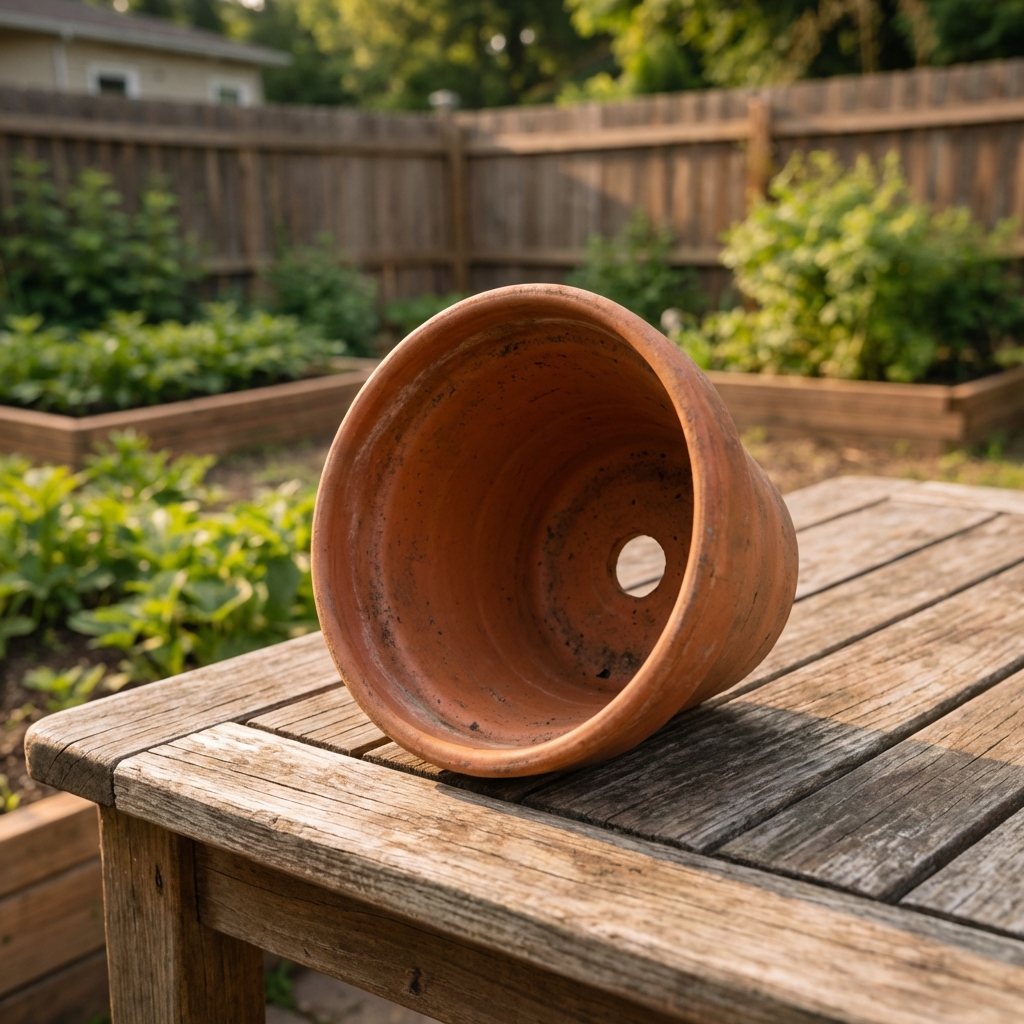
If you do one upgrade as a beginner, make it this: use a pot with a drainage hole.
Best pot choices
- Terracotta: forgiving and breathable. Great for beginners because it dries faster.
- Plastic or glazed ceramic: works, but holds moisture longer. Water less often.
- Size: choose a pot only slightly bigger than the root ball. Oversized pots stay wet longer.
DIY workaround for decorative pots: Keep the succulent in a nursery pot with holes and set that inside the decorative pot. Take it out to water, let it drain, then put it back.
Temp, airflow, humidity
Most common succulents are happy in typical home temperatures.
- Typical indoor range: about 60 to 80°F works for many varieties.
- Airflow helps: stagnant air plus wet soil is a rot recipe.
- Humidity: high humidity slows drying. If your home is humid, use a grittier mix and water less often.
Outdoor warning: many popular succulents are frost-tender. If nights dip near freezing, bring them in.
Fertilizer: optional, but useful
Succulents are light feeders. They do not need frequent fertilizer, but a small boost during active growth can help.
- Use a balanced houseplant fertilizer diluted to 1/4 to 1/2 strength.
- Feed once in spring and optionally once in summer if the plant is actively growing.
- Skip feeding in winter for most indoor setups.
Rule of thumb: If the plant is struggling from low light or overwatering, fertilizer will not fix it. Correct the conditions first.
Repotting: when and how
New succulents often come in peat-heavy nursery soil that stays wet too long. Repotting into a gritty mix is one of the best beginner moves.
When to repot
- Within a week or two of bringing it home, especially if the soil feels dense or stays wet.
- When roots circle the bottom or grow out the drainage hole.
- If the soil is breaking down and holding water longer than it used to.
How to repot without drama
- Let the plant dry for a few days first.
- Gently shake off old soil and remove any mushy, black roots.
- Set into dry new mix and wait 3 to 7 days before watering (especially if roots were disturbed).
Propagation: the easiest DIY way
Propagation is perfect for beginners because it is low-pressure. You get to experiment, and if one leaf fails, you have not lost the whole plant.
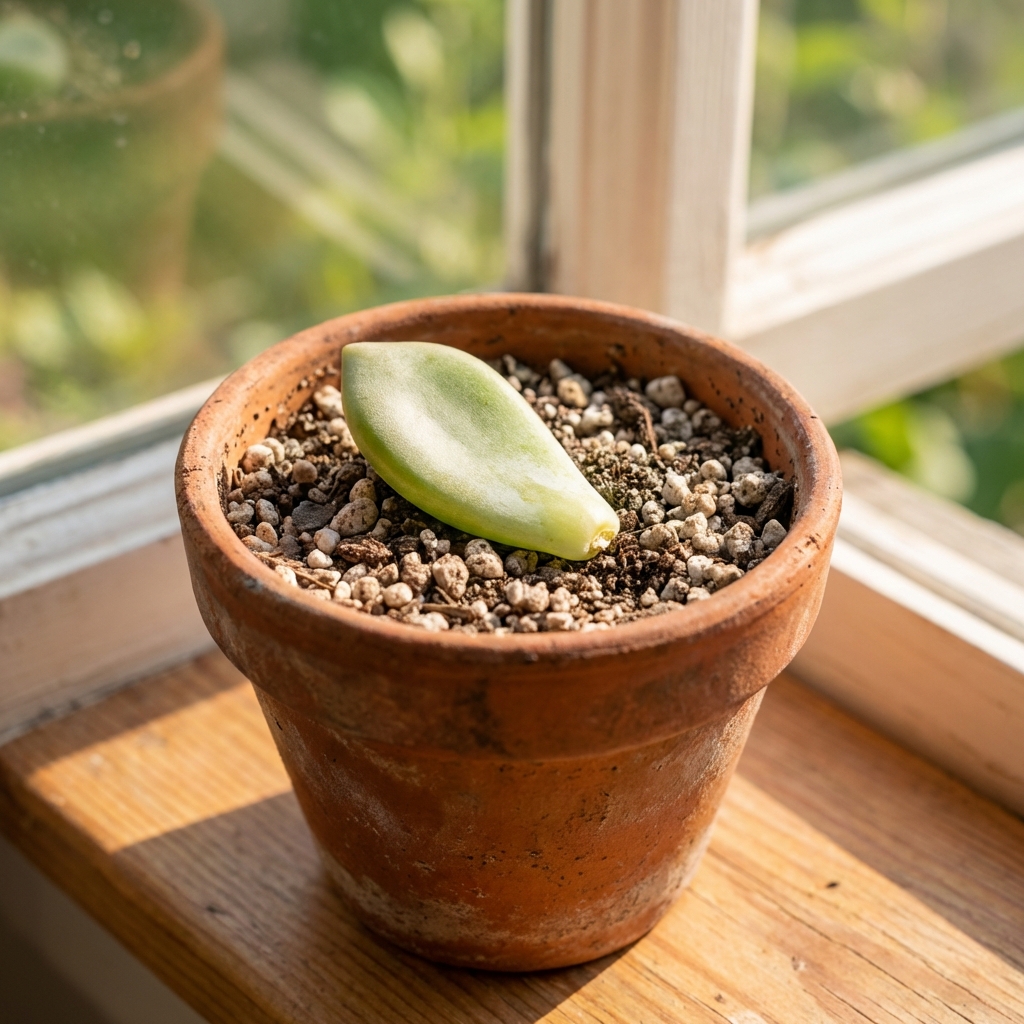
Leaf propagation
- Twist a healthy leaf off cleanly so the base stays intact.
- Let it dry and callus for 2 to 5 days.
- Place it on top of dry gritty soil in bright light. Indirect light is a safe start, and brighter light is fine as long as it is not harsh, hot sun.
- Avoid misting the leaf. Wet leaves can rot. If your home is extremely dry, you can lightly moisten the soil (not the leaf) once roots show, or use gentle bottom watering.
Stem cuttings
- Cut a healthy piece of stem.
- Let it callus for several days.
- Stick it into dry mix and wait about a week to water.
Common problems and quick fixes
Mushy leaves or a black stem (rot)
- Cause: too much water, soil staying wet, no drainage, low light.
- Fix: stop watering, move to brighter light, repot into gritty dry mix. If the stem is rotting, take healthy cuttings above the rot and re-root them.
Wrinkled leaves
- Cause: often underwatering, but can also happen with rot because roots cannot take up water.
- Fix: check roots and soil. If roots look healthy and soil is bone-dry, water deeply. If roots are damaged, repot and hold off watering for a few days.
Stretched, leggy growth
- Cause: not enough light.
- Fix: move to brighter light gradually. You can also behead and re-root the top to reset the shape.
Leaves dropping
- Normal: many rosette succulents slowly shed older bottom leaves as they grow, especially if the leaves dry up one by one.
- Cause (when it is a problem): sudden changes, overwatering, or low light, especially if leaves are dropping fast or getting translucent and soft.
- Fix: stabilize care. Bright light, gritty soil, and water only when dry.
Mealybugs or scale
- What to look for: white cottony spots (mealybugs) or brown bumps (scale), often in leaf joints.
- DIY fix: dab pests with 70% isopropyl alcohol on a cotton swab. Test a small area first and keep the plant out of strong sun for a day after treatment to reduce burn risk. Repeat weekly and isolate the plant until clear.
A simple beginner routine
If you want a no-fuss plan you can stick to, use this:
- Weekly: check light exposure and rotate the pot if needed. Look for pests and soft spots.
- Watering check: test the soil dryness first, then water deeply only when dry.
- Monthly: wipe dusty leaves with a dry brush or soft cloth so the plant can use light efficiently.
- Seasonally: expect slower growth and less watering in winter.
Good starter succulents
Some succulents forgive mistakes better than others. If you are building confidence, start here:
- Haworthia (great for bright indoor light, not full blazing sun)
- Gasteria (tolerates indoor conditions well)
- Jade plant (Crassula ovata, sturdy and long-lived)
- Echeveria (beautiful, but needs stronger light to stay compact)
Quick checklist
When a succulent looks off, run through this fast checklist. It solves most issues without guesswork.
- Is it getting enough light for compact growth?
- Is the pot small enough and does it have a drainage hole?
- Is the soil gritty and fast-draining?
- Are you watering based on dry soil, not the calendar?
- Did it recently move locations and need time to adjust?
Get those right and you will be surprised how quickly succulents bounce back. They are tough plants, they just want tough love.

Jose Brito
I’m Jose Britto, the writer behind The Country Store Farm Website. I share practical, down-to-earth gardening advice for home growers—whether you’re starting your first raised bed, troubleshooting pests, improving soil, or figuring out what to plant next. My focus is simple: clear tips you can actually use, realistic expectations, and methods that work in real backyards (not just in perfect conditions). If you like straightforward guidance and learning as you go, you’re in the right place.