When someone searches “easy way to tell if I have bed bugs,” what they usually mean is: I need a simple way to tell what is biting me and I do not want to overreact. If you garden, the confusion gets worse because there are plenty of outdoor insects that bite, itch, and leave marks that look similar.
Here is the good news: bed bugs leave clues. And so do outdoor biters. With a few focused checks, you can usually figure out which direction to go.
Quick decision guide
- Bites mostly show up after sleep + you find spots, shed skins, or bugs near the bed = treat it like possible bed bugs.
- Itching starts after yard work + bites cluster at socks, waistbands, or tight clothing = treat it like an outdoor biter first.
- Not sure = do the bed inspection anyway. Evidence around the bed is the fastest way to lower the guesswork.
Reality check: bed bugs generally do not come from garden soil
Bed bugs are indoor hitchhikers. They do not breed in soil like grubs, ants, or beetles. They are most often introduced through luggage, used furniture, or close contact with infested items. They can also be picked up in everyday places like hotels, public transit, offices, schools, and other shared spaces.
Shared laundry areas can be a possible route (for example, through infested items or baskets), but it is less consistent than luggage or used furniture.
That said, gardeners are outdoors more often, which means you can get bitten by mosquitoes, biting midges, fleas, chiggers, or other mites depending on your region. Those bites can make it feel like a bed bug problem when it is not.
Easy signs it might be bed bugs
1) Bites that show up after sleeping
Bed bug bites often show up overnight or by morning. A classic pattern is clusters or lines on exposed skin like arms, shoulders, neck, or legs. Not everyone reacts, though, so bites alone are not proof.
2) Mattress and bed frame clues
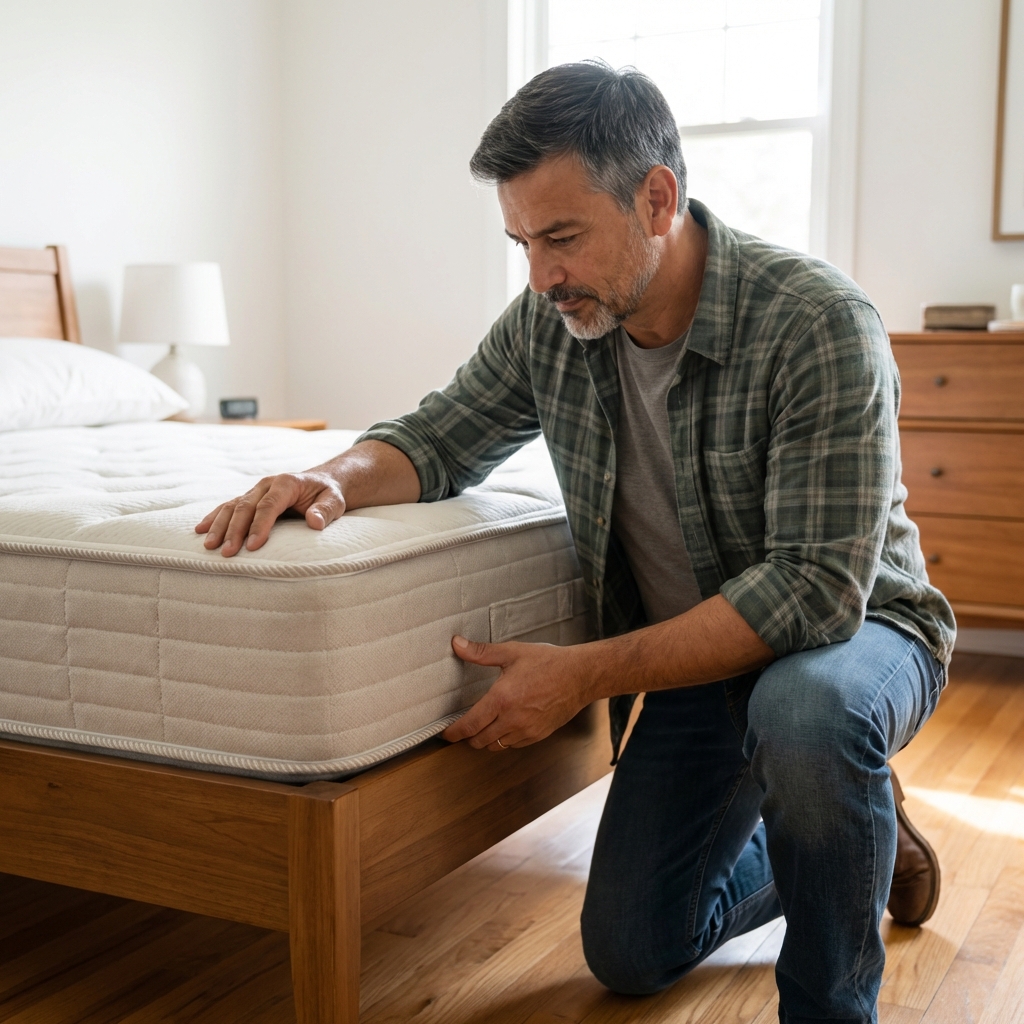
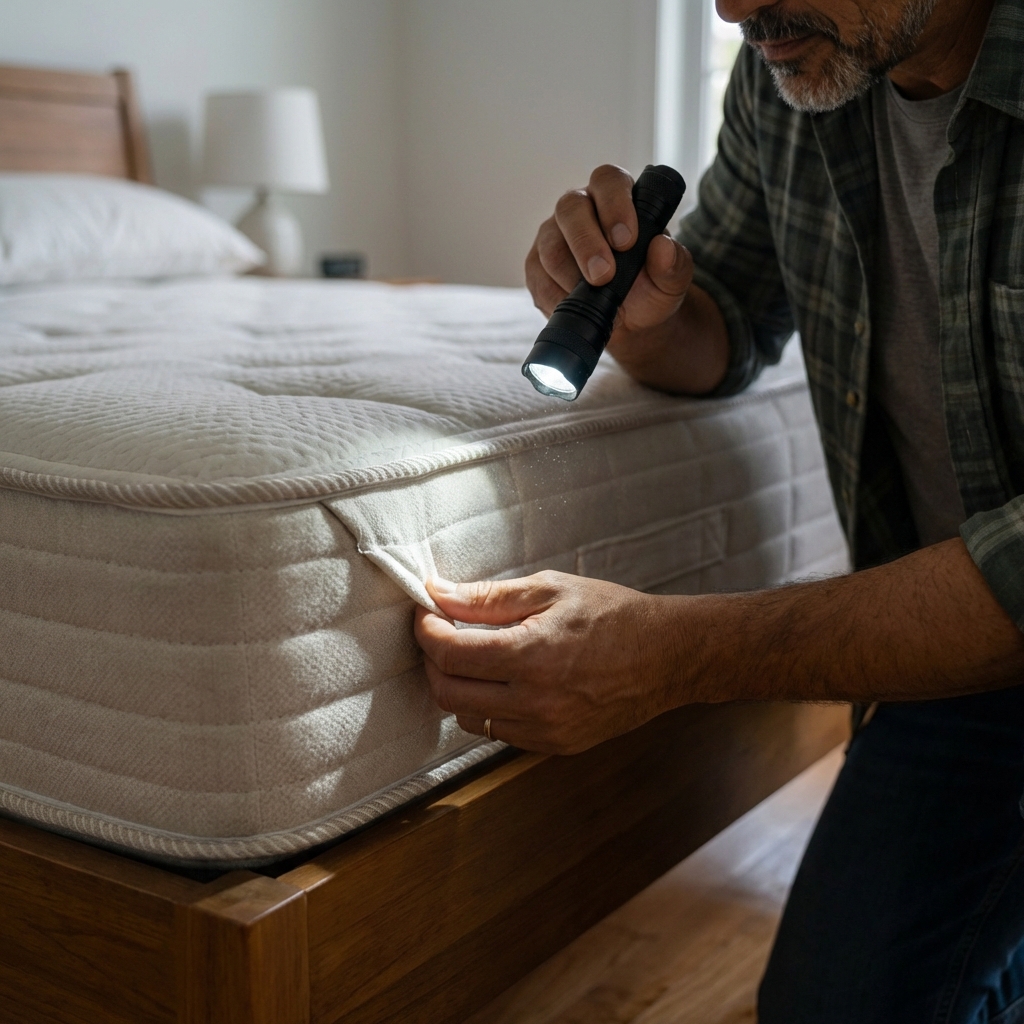
The quickest “yes or no” check is your bed. Use a bright flashlight and look closely at:
- Mattress seams and piping
- Box spring edges
- Headboard cracks and screw holes
- Bed frame joints
What you are looking for:
- Tiny dark spots that look like ink dots or pepper (fecal spotting)
- Rusty stains on sheets or mattress fabric
- Shed skins that look like pale, papery bug shells
- Live bugs which are flat, oval, and about apple-seed-sized when adult
- Eggs (tiny, whitish) which can be hard to spot, especially on light fabric
3) Nearby bedroom hiding spots show evidence
Bed bugs prefer hiding near where people sleep. If you suspect them, also check:
- Nightstands and drawer corners
- Baseboards and carpet edges near the bed
- Picture frames, curtain seams, and cracks in nearby furniture
4) You see bugs indoors, not on your plants
If the only “bugs” you see are outside on plants, that points away from bed bugs. Bed bugs do not hang out on tomato leaves.
Easy signs it is more likely an outdoor biter
1) You itch right after yard work
If you feel itchy within minutes to a few hours after weeding, harvesting, mowing, or sitting on the lawn, you are probably dealing with an outdoor culprit.
2) Bites are concentrated at socks, waistbands, or tight clothing
That pattern often matches chiggers or mites that crawl until they hit a tight spot. Bed bug bites can be anywhere exposed while sleeping, but outdoor bites frequently cluster around ankles, behind knees, waistline, and under bra straps.
3) Seasonality lines up
- Late spring through early fall: mosquitoes, fleas, chiggers, biting flies
- After rain or heavy watering: mosquitoes and gnats can spike
- Warm, humid stretches: mites and midges often feel worse

Two quick checklists
If you suspect bed bugs
- Inspect mattress seams, box spring, headboard, and bed frame with a flashlight.
- Check sheets and pillowcases for tiny dark spots or small rusty stains.
- Check nearby areas like nightstands, baseboards, and picture frames.
- Place interceptor traps under bed legs if available.
- Reduce clutter around the bed so hiding spots are limited.
- Bag bedding and dry on high heat for 30 to 60 minutes (or until fully hot-dried).
Important: If you find clear evidence, consider calling a licensed pest professional. Bed bugs are beatable, but DIY gets expensive fast if you are guessing.
If you suspect garden-related bites
- Wear long sleeves, long pants, and closed shoes for weeding and harvesting.
- Tuck pants into socks when working in tall grass or ground covers.
- Shower soon after gardening and wash work clothes in hot water.
- Use an EPA-registered repellent appropriate for your area and follow the label.
- Focus on habitat control: remove standing water, keep grass trimmed, reduce dense weeds at garden bed edges.
Common outdoor pests people confuse with bed bugs
Fleas
Fleas usually come from pets, wildlife, or shaded yard areas where animals rest. Bites often show up around ankles and lower legs. If you have a pet that goes outside, check their flea control first.
Chiggers and harvest mites
These are classic “I weeded and now I am miserable” pests. The itching can be intense and often concentrates where clothing is tight. They are commonly picked up in tall grass, brushy edges, and weedy areas. (In the U.S., many people call these chiggers.)
Mosquitoes and biting midges
Mosquito bites are familiar, but biting midges can be sneakier because you may not notice them at the time. If you garden near damp, shaded areas, around standing water, or where soil stays wet, this is a usual suspect.
Plant bugs and other incidental hitchhikers
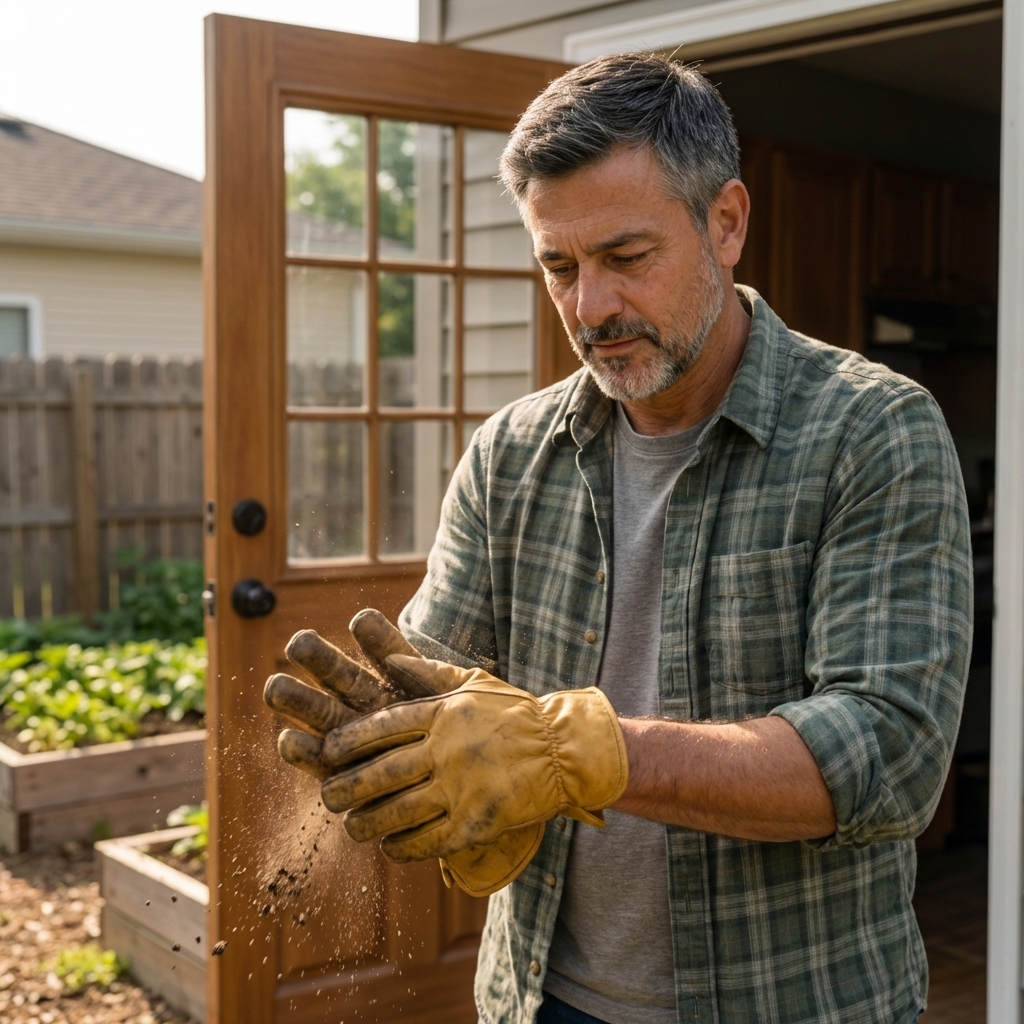
You might bring home aphids, leaf-footed bugs, stink bugs, or beetles on clothing. They are annoying, but they are not bed bugs and they are not usually feeding on you. Shake out gloves and clothing outside and do a quick check before heading indoors.
Other common causes of “bed-bug-like” skin reactions
- Contact dermatitis from plants, mulch, fertilizers, or detergents
- Allergic reactions (including to mosquitoes or other bites you did not notice at the time)
- Scabies or other medical skin conditions that need proper diagnosis
- Spiders are less common than people think, but skin irritation gets blamed on them often
If your reaction is severe, worsening, spreading, or not improving, it is worth checking with a medical professional. Many rashes and bite reactions look alike.
What to do right now if you are unsure
Step 1: Separate “bites” from “bed bug proof”
Bites are a clue, not a verdict. The fastest way to reduce anxiety is to focus on evidence in the sleeping area: spots, shed skins, eggs, or live bugs.
Step 2: Do a controlled laundry reset
Whether it is bed bugs or outdoor pests, a hot dryer cycle helps. Bag your bedding and recently worn pajamas, dry on high heat for 30 to 60 minutes, then store in a clean bin or sealed bag while you inspect.
Step 3: Tighten your garden to house routine
- Keep a dedicated set of “garden clothes.”
- Leave shoes at the door.
- Shake off hats and gloves outside.
- Shower soon after heavy garden work.
This will not “cause” or “cure” bed bugs, but it reduces the noise from outdoor itch sources so you can read the situation clearly.
What not to do
- Do not move bedding, pillows, or clutter into other rooms “to be safe.” That can spread an indoor problem.
- Do not throw out your mattress unless you have confirmed evidence and a plan. Replacements can get infested too.
- Do not use bug bombs or foggers for bed bugs. They tend to scatter bugs deeper into hiding spots and can add risk without solving the problem.
When to call in help
Get professional help if:
- You find confirmed bed bug signs in the bed or nearby furniture.
- Bites continue even after you have limited outdoor exposure for a few days.
- Multiple rooms show signs or you recently brought in used furniture.
If bites are severe, infected, or you have swelling or breathing issues, contact a medical professional. Skin reactions can look similar across many causes, and it is worth getting proper care.
Bottom line
Garden time can absolutely leave you itchy, but bed bugs leave a trail in the bedroom. Do the simple bed inspection first, then work backward. Once you know which problem you are solving, the fix gets a lot more straightforward.

Jose Brito
I’m Jose Britto, the writer behind The Country Store Farm Website. I share practical, down-to-earth gardening advice for home growers—whether you’re starting your first raised bed, troubleshooting pests, improving soil, or figuring out what to plant next. My focus is simple: clear tips you can actually use, realistic expectations, and methods that work in real backyards (not just in perfect conditions). If you like straightforward guidance and learning as you go, you’re in the right place.