Lemongrass is one of those plants people swear by for “keeping bugs away.” And there is a real reason for that. Lemongrass is closely related to citronella grasses, and their scents come from similar families of plant oils. Lemongrass (Cymbopogon citratus) is usually high in citral, while citronella oil is typically distilled from Cymbopogon nardus or Cymbopogon winterianus and is richer in citronellal, citronellol, and geraniol.
But here is the down-to-earth truth: lemongrass is not a magic force field. A plant sitting in the corner of the patio will not stop mosquitoes from finding you across the yard. What lemongrass can do is help reduce nuisance bugs in a small area when you use it in ways that release more of its scent.
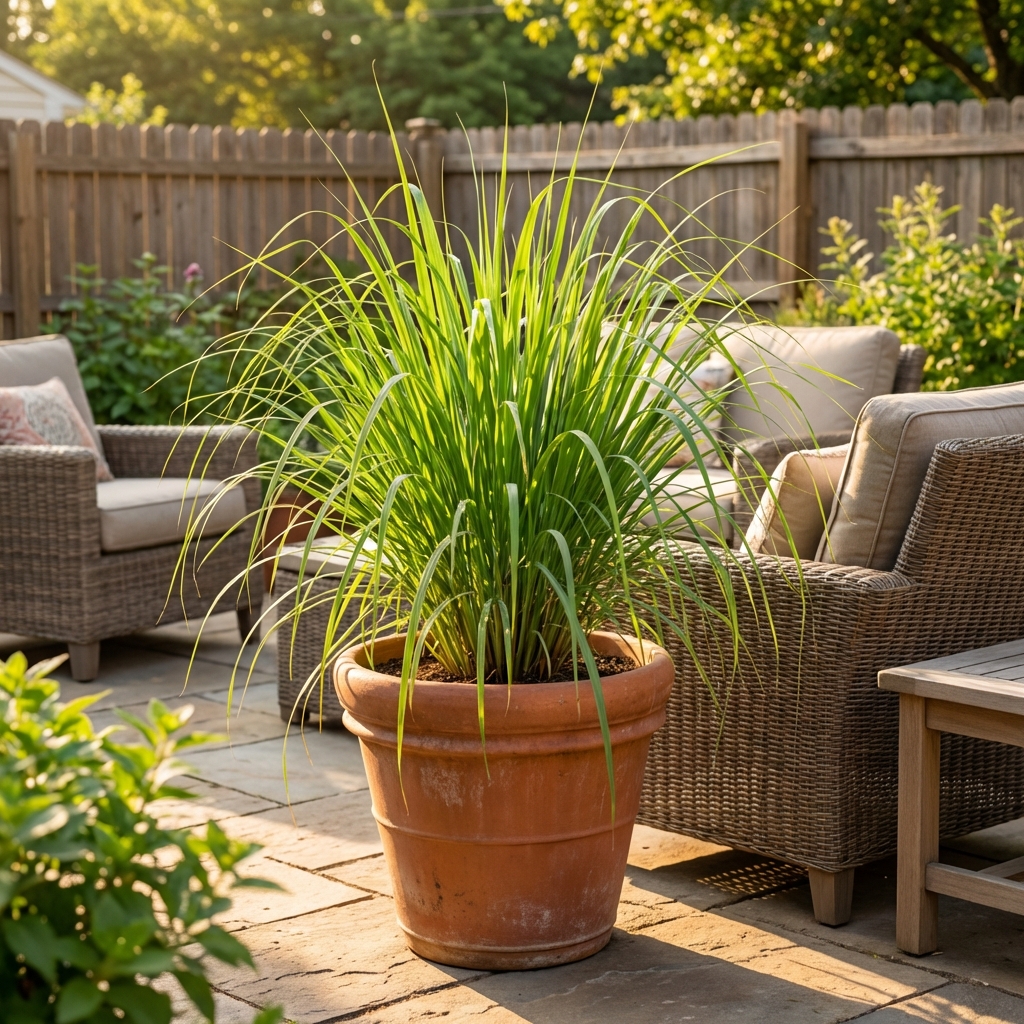
Why lemongrass may repel bugs
Lemongrass has a strong lemony smell thanks to natural oils, especially citral and related compounds. Some studies suggest certain plant oils can disrupt how insects smell their way to people, animals, or food.
In the real world, it comes down to concentration and proximity. The stronger the scent in the air right around you, the more likely you will notice an effect.
Plant vs oil
Many studies and products focus on essential oils, not a living plant. Oils are concentrated. A plant is much weaker unless you crush leaves, trim it often, or place multiple plants close to where you sit.
What bugs it helps with
Lemongrass is most often used for mosquitoes, but results vary based on wind, humidity, time of day, and how much scent is actually being released.
Mosquitoes
Lemongrass is best thought of as a mild helper for mosquitoes, especially in small spaces like:
- Small patios and balconies
- Near doorways (right next to the door, not 10 feet away)
- Beside outdoor seating where you can brush against leaves
Flies and gnats
Some people notice fewer nuisance flies when lemongrass is close by, but it is inconsistent. If you are dealing with gnats, the bigger win is usually moisture management and sanitation rather than relying on any single plant.
Ants
Lemongrass scent may discourage ants in a very localized way, but it will not fix an established trail by itself. Ant control is mostly about removing food sources and addressing entry points.
Garden pests
In the vegetable garden, lemongrass is not a reliable solution for common plant pests. For those, you will get more consistent results from:
- Row covers
- Hand-picking
- Targeted sprays (like insecticidal soap for soft-bodied pests)
- Encouraging beneficial insects
What it will not do
If you go into this with realistic expectations, you will be happier with the results.
- It will not protect your whole yard. Scent dissipates fast outdoors.
- It will not replace a proven skin repellent in heavy mosquito pressure.
- It will not stop mosquitoes breeding in standing water. If they are breeding nearby, you have to address the water.
- It will not cure a major indoor infestation of flies, roaches, or ants.
Think of lemongrass as part of a “stack” of tactics, not the only tactic.
Quick reality check
- Most reliable protection comes from EPA-registered repellents with verified duration, like DEET, picaridin, or oil of lemon eucalyptus (PMD). If mosquitoes are intense, start there.
- When to skip the plant-only approach: if you are in an area with mosquito-borne disease risk or you are getting lots of bites, use proven repellents, wear long sleeves, and use screens or fans.
Make it work better
1) Put it where you sit
The best placement is boring but effective: right next to chairs, doors, or gathering spots. If you can smell it while you are sitting still, you are doing it right.
Quick setup idea: two large pots of lemongrass on either side of a patio table.
2) Use pots
Lemongrass is perfect for containers. You can shift it to where you need it most, and you can bring it inside if your winters are cold.
- Use a pot at least 12 to 18 inches wide.
- Use well-draining potting mix.
- Water deeply, then let the top inch dry.
3) Increase scent release
A plant just sitting there is mild. If you want more effect, you need more aroma in the air.
- Brush the leaves as you pass, or lightly crush a leaf and set it on the table (keep away from eyes).
- Trim regularly. Cutting encourages new growth and releases scent.
- Cluster plants. Several pots together make a bigger scent “cloud” than one lonely pot.
4) About rubbing leaves on skin
You will see advice online to rub crushed lemongrass on skin. Realistically, this is short-lived scent at best, and it can cause irritation or contact dermatitis. If you still want to try it, keep it conservative:
- Do a patch test first and stop if you feel burning, redness, or itching.
- Avoid eyes, face, and broken skin.
- Skip this for young kids, during pregnancy, or if you have sensitive skin.
- Do not use on pets.
This is not a substitute for an EPA-registered repellent when mosquitoes are aggressive.
5) Pair it with the real mosquito fix
If mosquitoes are bad, lemongrass is not your first step. This is:
- Dump standing water weekly (buckets, saucers, toys, tarps).
- Clean gutters and low spots that hold water.
- Refresh birdbaths every few days.
- Use Bti mosquito dunks in water you cannot dump (like rain barrels), following the label. These target larvae, so they do not reduce existing adult mosquitoes immediately.
How to grow it well
Healthy lemongrass smells stronger, grows faster, and gives you more leaves to trim and use.
Sun
Full sun is best, at least 6 to 8 hours. In too much shade, it gets thin and less fragrant.
Water and drainage
Lemongrass likes consistent moisture but hates soggy roots. Containers need drainage holes. In ground, avoid heavy clay spots that stay wet.
Feeding
It is a grassy, fast grower. A light feeding during the growing season helps.
- In pots: a balanced fertilizer at half strength every few weeks, or slow-release pellets.
- In beds: compost plus a balanced fertilizer if growth stalls.
Frost and overwintering
Lemongrass is frost-tender. In cold-winter climates, many people treat it as an annual or bring the pot indoors before frost.
Harvesting
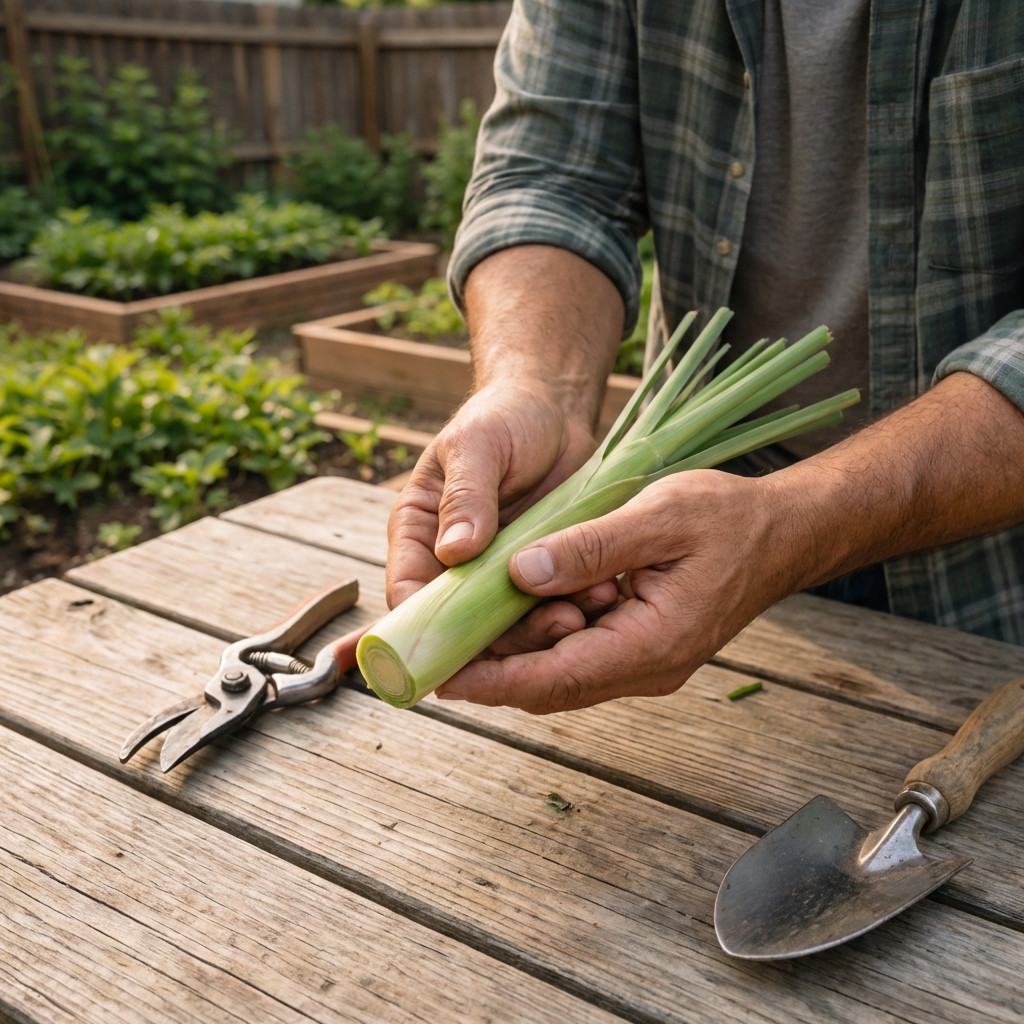
You can harvest outer stalks as needed. For scent, use the leafy tops too. Cutting encourages bushier growth, which is what you want for repelling and for cooking.

Lemongrass vs citronella
They are related but not the same plant, and the naming is a mess in stores.
- Lemongrass is usually Cymbopogon citratus, grown for its lemony, citral-heavy scent and culinary stalks.
- Citronella oil often comes from Cymbopogon nardus or Cymbopogon winterianus, grown for oil production.
- Many “citronella plants” sold at garden centers are actually scented geraniums (Pelargonium) marketed for their smell.
For bug repelling, what matters is the strength of the scent and the amount of oil released into the air. That is why oils and candles can feel stronger than a single plant, although candles are often underwhelming outdoors in windy conditions.
Safety notes
- Do not use essential oils directly on skin unless properly diluted and you know what you are doing. Skin irritation is common.
- Keep strong oils away from pets. Cats in particular are sensitive to many essential oils.
- Fresh lemongrass leaves can still irritate eyes and sensitive skin. Wash hands after crushing leaves.
Quick backyard plan
If you want a simple, realistic way to try lemongrass for bugs, do this:
- Put two to four lemongrass plants in large pots.
- Place them within arm’s reach of your main seating area.
- Trim weekly and brush the leaves when you head outside.
- At the same time, remove standing water so you are not fighting a losing battle.
- If bites are still a problem, switch to a proven repellent (DEET, picaridin, or PMD) and use physical barriers like fans or screens.
That combo gives you the best odds of noticing a difference without turning your patio into a science project.
FAQ
Does lemongrass repel bugs indoors?
Not in any dependable way. Indoors, your best approach is to find the source (food, moisture, entry gaps). A potted lemongrass might smell nice, but it is not a control method for an indoor infestation.
How many lemongrass plants do I need?
There is no perfect number, but one plant usually is not enough. Start with two large pots close to where you sit and add more if you like the effect.
Can I make lemongrass spray from the plant?
You can steep chopped leaves in hot water, strain, and use it as a short-lived scent spray for outdoor areas. Do not expect long duration, and test on a small area if spraying near delicate plants or fabrics.

Jose Brito
I’m Jose Britto, the writer behind The Country Store Farm Website. I share practical, down-to-earth gardening advice for home growers—whether you’re starting your first raised bed, troubleshooting pests, improving soil, or figuring out what to plant next. My focus is simple: clear tips you can actually use, realistic expectations, and methods that work in real backyards (not just in perfect conditions). If you like straightforward guidance and learning as you go, you’re in the right place.