Peppermint oil gets recommended for everything from ants to mice, so it is no surprise it shows up in snake advice too. Snakes do use chemical cues, but many scent-based repellents do not perform reliably outdoors. Snake movement is usually driven by simple needs: food, water, shelter, and safe travel routes.
So, does peppermint oil repel snakes? In some situations, a snake may avoid a strongly treated spot for a brief period. But controlled field evidence is limited and results are mixed, and peppermint oil is not a reliable or lasting solution for yards and gardens.
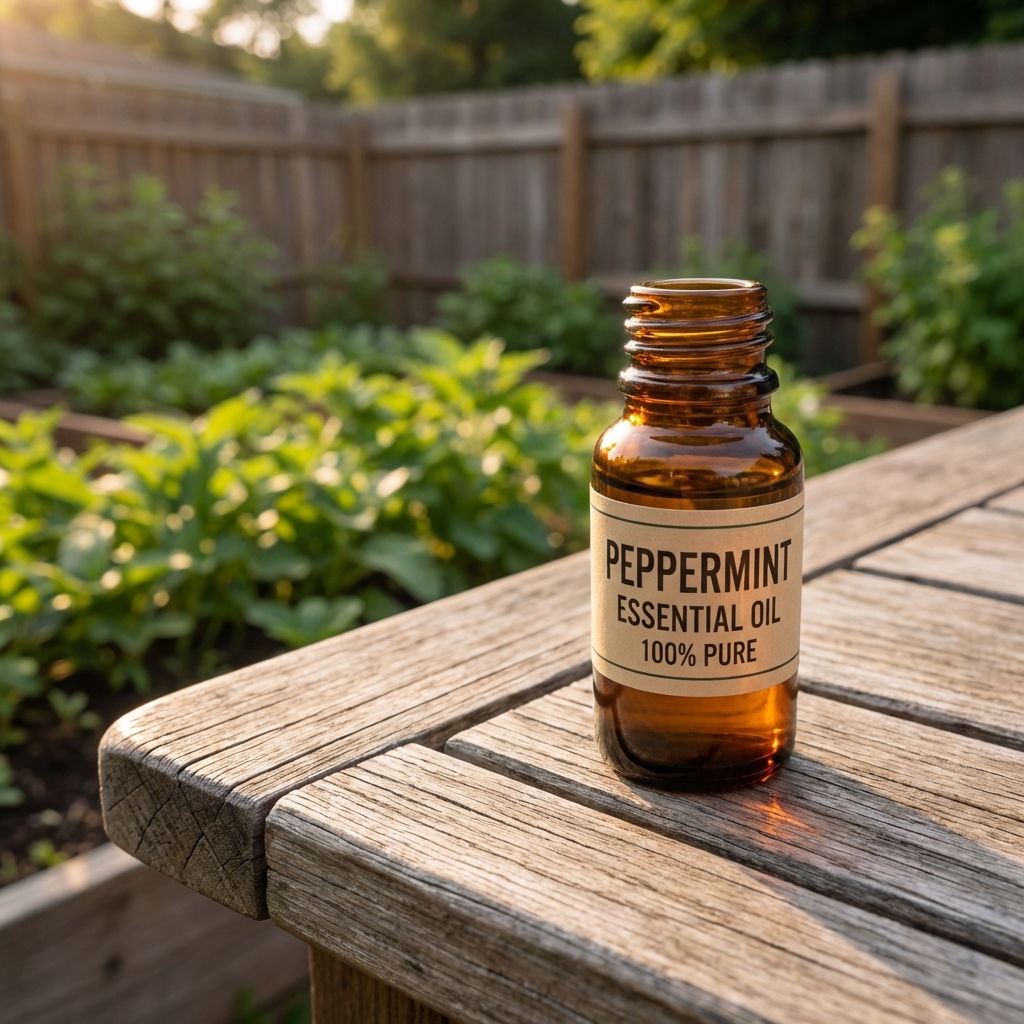
Quick answer: what peppermint oil can do
- May discourage a snake from lingering in a very small, heavily treated spot for a short time.
- Will not “snake-proof” your yard, garden, porch, or shed.
- Breaks down fast in sun, wind, and rain, so it is a poor outdoor barrier.
- Works best as a cue to fix the conditions that attract snakes in the first place.
If you are seeing snakes regularly, peppermint oil alone is usually like spraying air freshener in a messy kitchen and hoping the ants move out.
Why snakes show up in backyards
Most yard snakes are not “hunting people.” They are hunting what your yard provides. Common attractants include:
- Rodents: spilled birdseed, compost scraps, pet food, chicken feed, and dense groundcover.
- Frogs and insects: damp areas, leaky hoses, overwatered lawns, and thick mulch kept constantly wet.
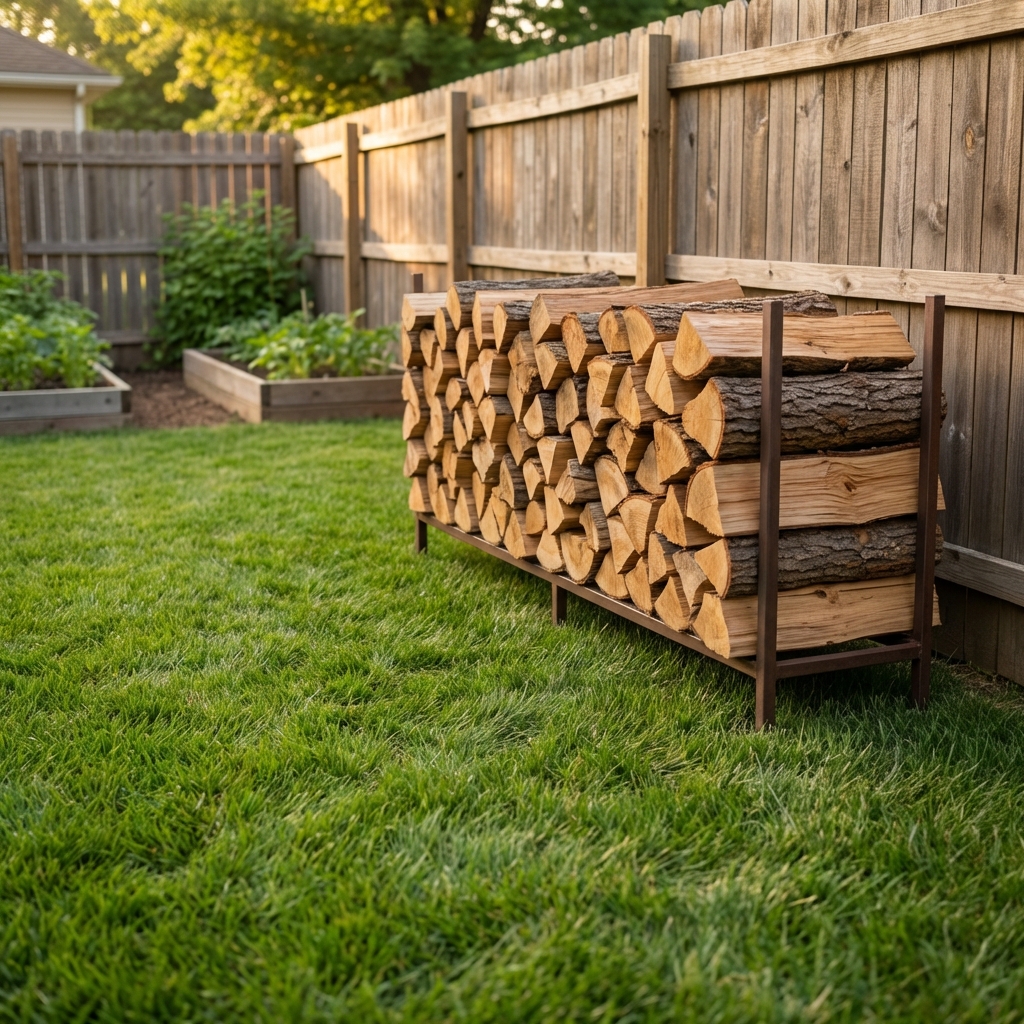
- Cool hiding places: woodpiles, stacked pots, rock borders, sheet metal, tarps, and clutter near foundations.
- Easy travel lanes: tall grass, brushy fence lines, and gaps under sheds or decks.
If you remove the “hotel and buffet,” you usually solve the snake issue more effectively than any scent product.
Why scent barriers fail outdoors
Snakes sense chemicals using their tongue and the vomeronasal (Jacobson’s) organ. That is real, but it does not automatically translate into a dependable “keep out” perimeter. Outdoors, even strong smells tend to be inconsistent.
Essential oils, including peppermint, are especially hard to use as a barrier because they:
- Evaporate quickly, especially in heat.
- Wash away with watering or rain.
- Disperse unevenly, so gaps appear quickly.
That is why peppermint oil is best viewed as a short-lived, minor deterrent, not a solution.
If you still want to try it
If your goal is a simple, low-risk experiment around a specific spot like a doorway or a small garden shed, here is a practical approach.
Where to apply
- Cracks and gaps outside around steps, shed thresholds, and foundation edges (after you seal what you can).
- Along the outside perimeter of a small area you want to discourage entry (porch, small patio).
- On cotton balls placed inside a vented container (like a jar lid under a protected overhang) so pets cannot access them.
A simple DIY mix (clear ratios)
Essential oils do not mix well with water on their own. A common household method is to add a small amount of mild soap to help disperse the oil. For a basic trial:
- 8 to 16 oz water (1 to 2 cups) in a spray bottle
- 10 to 20 drops peppermint oil
- 1/2 tsp mild liquid soap
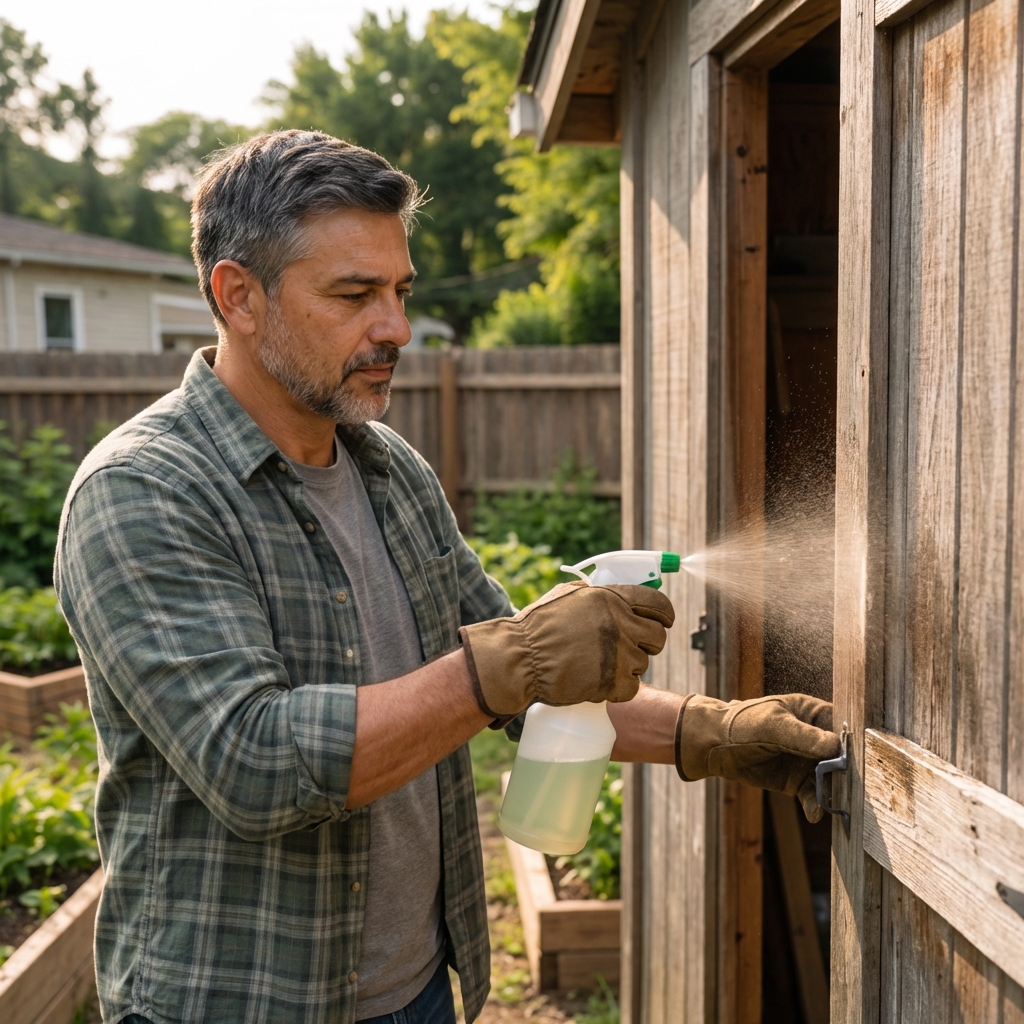
Shake before each use. Test on a small, hidden spot if you are spraying near painted surfaces. Peppermint oil can stain some materials, and soap can leave a light residue. Reapply often, especially after rain or irrigation.
What to expect
If it helps at all, you are likely to notice it only briefly and only right where you applied it. If snakes are showing up because your yard has rodents or heavy cover, they will often be back once the scent fades.
Safety notes
“Natural” does not always mean harmless. Peppermint oil is concentrated.
- Pets: Keep concentrated oils away from pets, especially cats. Inhalation or ingestion can cause drooling, vomiting, breathing irritation, or worse. Do not apply where animals can lick it, rub against it, or sit in enclosed fumes.
- Kids: Avoid leaving soaked cotton balls where children can handle them.
- Skin and eyes: Wear gloves and avoid touching your face when applying.
- Plants: Strong oils can burn tender leaves if sprayed directly. Keep sprays on hard surfaces, edges, and cracks, not on vegetable foliage.
If you have a venomous snake concern in your area, rely on habitat management and local professional guidance, not essential oils.
What not to do
- Do not pour peppermint oil into soil or garden beds. It can damage plants and is not a controlled, effective treatment.
- Do not use essential oils in enclosed indoor spaces without ventilation, especially around pets.
- Do not try to handle, trap, or kill snakes. Most bites happen during attempts to move or harm a snake.
- Avoid glue traps. They are inhumane, can injure non-target wildlife and pets, and often create a bigger problem.
Simple solutions that work better
If you want fewer snakes in the yard, focus on making your property less attractive and harder to use as cover.
1) Cut hiding places first
- Mow and edge regularly, especially along fences and sheds.
- Clear brush piles, leaf piles, and tall weeds.
- Store lumber, pipes, and garden materials neatly on a rack.
- Keep mulch from piling thick right up against the house.
2) Fix rodent “buffets”
- Use a seed catcher under bird feeders and clean it often.
- Store birdseed and pet food in sealed metal containers.
- Keep compost contained and avoid adding meat, greasy scraps, or loose food waste.
3) Reduce water and damp shelters
- Repair leaky spigots and dripping hoses.
- Do not leave kiddie pools or low spots holding water.
- Let the top layer of mulch dry between waterings when possible.
4) Seal access points
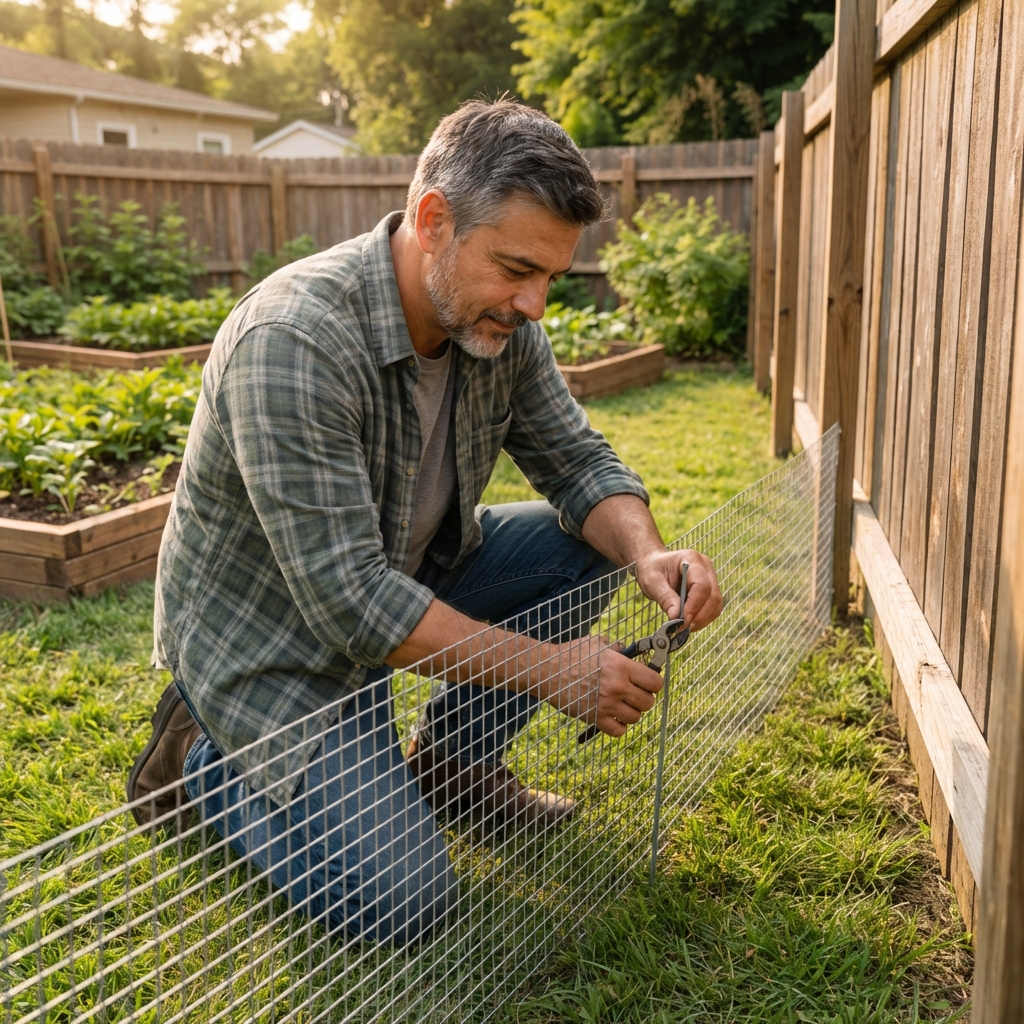
- Close gaps under sheds and decks with hardware cloth (metal mesh).
- Seal foundation cracks and spaces around pipes.
- Check garage door seals and replace worn weatherstripping.
5) Install a real barrier where it matters
If you live in an area with frequent snake activity and you need stronger protection, a properly installed snake fence is far more dependable than scent deterrents. In practical terms, that usually means 1/4-inch hardware cloth or smaller, about 30 to 36 inches tall, buried a few inches, angled outward, and kept clear of vegetation.
Common questions
Will peppermint oil keep snakes out of my garden?
Not consistently. In a garden, water, sun, and plant growth make the scent fade quickly. You will get better results by reducing cover, controlling rodents, and keeping edges tidy.
Is peppermint oil better than mothballs or ammonia?
Yes, in the sense that mothballs and ammonia create serious safety and environmental risks and are not appropriate for outdoor wildlife control. Mothballs are a pesticide and using them outdoors or “off-label” can be illegal and hazardous to people, pets, and wildlife. Ammonia fumes can irritate lungs and eyes. Peppermint oil is still not a guaranteed repellent, but it is generally a safer experiment when used carefully and kept away from pets and kids.
What if I just saw a snake near my porch?
Give it space and let it move on. Most snakes want to leave. Then do a quick yard check: remove clutter near the porch, trim vegetation, and look for rodent activity. If you cannot identify the snake and you live where venomous snakes are common, contact licensed wildlife control or your local extension office for guidance.
How do I know if it is venomous?
Do not rely on one feature like head shape or pupil type. If you are unsure, keep your distance, keep kids and pets away, and use local resources for identification, such as a state wildlife agency, extension office, or a licensed wildlife professional.
The takeaway
Peppermint oil is not a magic snake repellent. At best, it can be a temporary nuisance scent in a small area. If you want simple solutions that actually reduce snake visits, focus on habitat cleanup, rodent control, sealing gaps, and trimming cover. That is the boring stuff, but it is the stuff that works in real backyards.

Jose Brito
I’m Jose Britto, the writer behind The Country Store Farm Website. I share practical, down-to-earth gardening advice for home growers—whether you’re starting your first raised bed, troubleshooting pests, improving soil, or figuring out what to plant next. My focus is simple: clear tips you can actually use, realistic expectations, and methods that work in real backyards (not just in perfect conditions). If you like straightforward guidance and learning as you go, you’re in the right place.