Living with cats and houseplants is totally doable. The trick is choosing plants that are widely recognized as non-toxic to cats (so a curious nibble is less likely to become an emergency), then setting up your space so plants can actually thrive.
Important note: “Non-toxic” does not mean “edible.” Any plant can still cause mild stomach upset if your cat eats a lot of it. If you suspect your cat chewed a plant and is vomiting, drooling, lethargic, or showing signs of pain, call your vet or a pet poison hotline right away.
Quick reality check: Plant safety lists can vary by source and sometimes by exact species or cultivar. Before you buy (or if you are unsure what you already have), confirm the plant’s status with a veterinary reference such as the ASPCA Animal Poison Control database or your veterinarian.
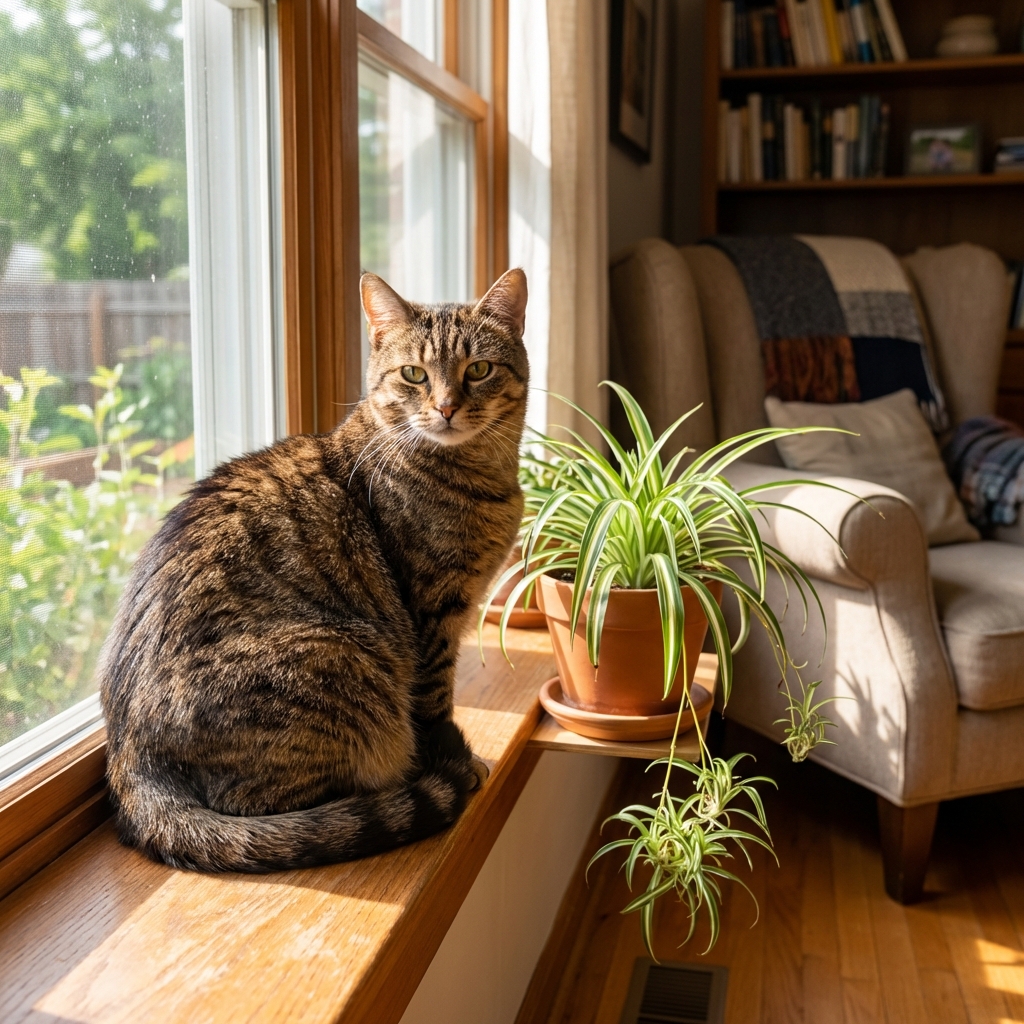
What “cat-safe” really means
When people say a plant is “safe for cats,” they usually mean it is listed as non-toxic by reputable veterinary sources. Non-toxic plants are a better choice, but your job is still to minimize chewing and keep plants clean.
- Be smart about pesticides. Ideally, skip indoor pesticides where pets can touch treated leaves. If you do use a product, follow the label carefully and keep pets away until it is fully dry (and longer if the label says so).
- Watch the potting mix. Some cats dig. Use heavier pots, add a top layer of smooth stones, or switch to a less inviting plant stand setup.
- Know your cat. Some cats ignore plants, others treat them like salad. Choose sturdier, faster-growing plants if yours is a nibbler.
- Non-toxic is not allergy-proof. Individual cats can still react with mild GI upset or irritation.
Easy houseplants that are generally safe for cats
These are popular, beginner-friendly choices that tend to handle normal household conditions. I’m focusing on plants that are widely cited as non-toxic for cats.
Quick light tip: “Bright, indirect light” usually means near a bright window where the sun does not hit the leaves directly. An easy test: if you hold your hand between the plant and the light, you should see a soft shadow, not a sharp one.
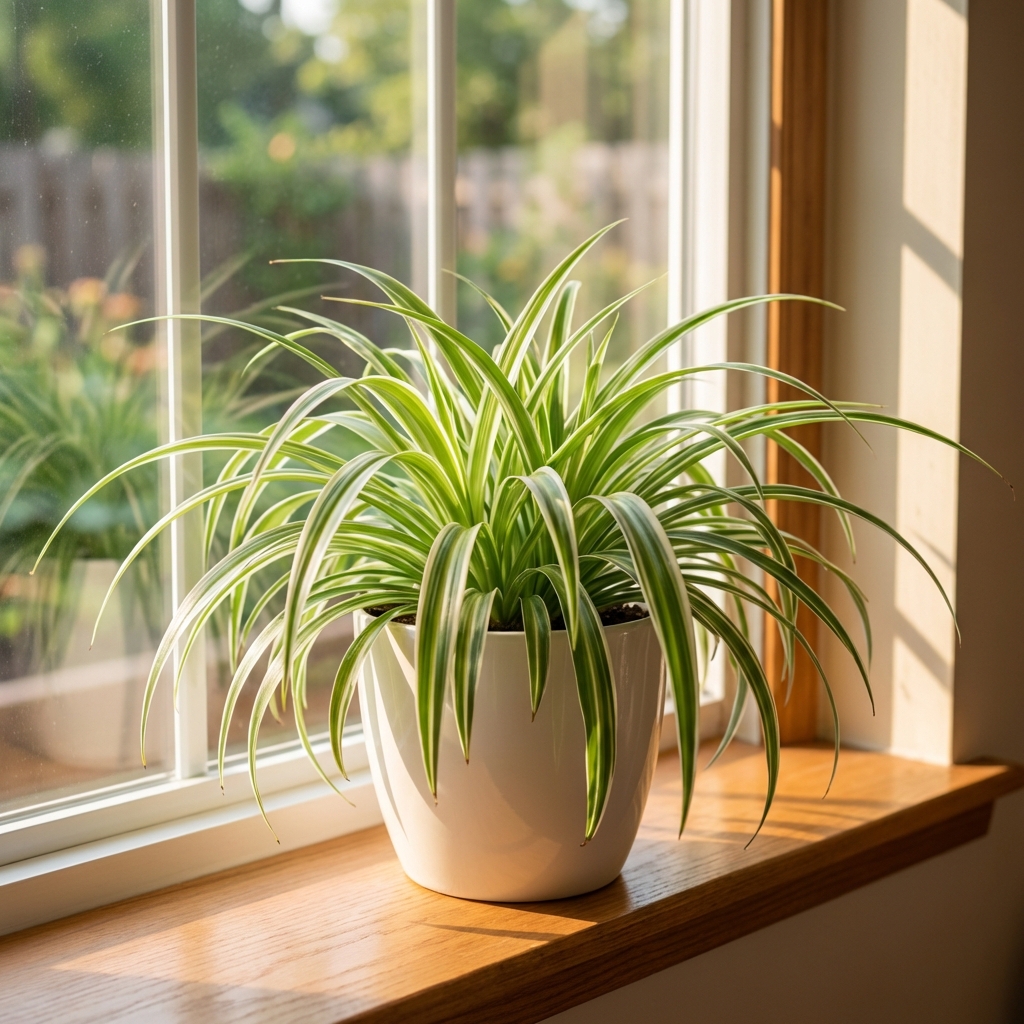
Spider Plant (Chlorophytum comosum)
If you want a plant that forgives missed waterings and still looks fresh, spider plant is hard to beat. It handles bright indirect light but can also coast in medium light.
- Light: Bright, indirect is best. Medium is fine.
- Water: When the top inch of soil feels dry.
- Extra tip: Cats are often attracted to spider plants. Even though they are commonly listed as non-toxic, chewing can still cause vomiting or loose stool in some cats, and some cats get extra “wired” or playful afterward. Hang it up or place it on a shelf if nibbling becomes a habit.
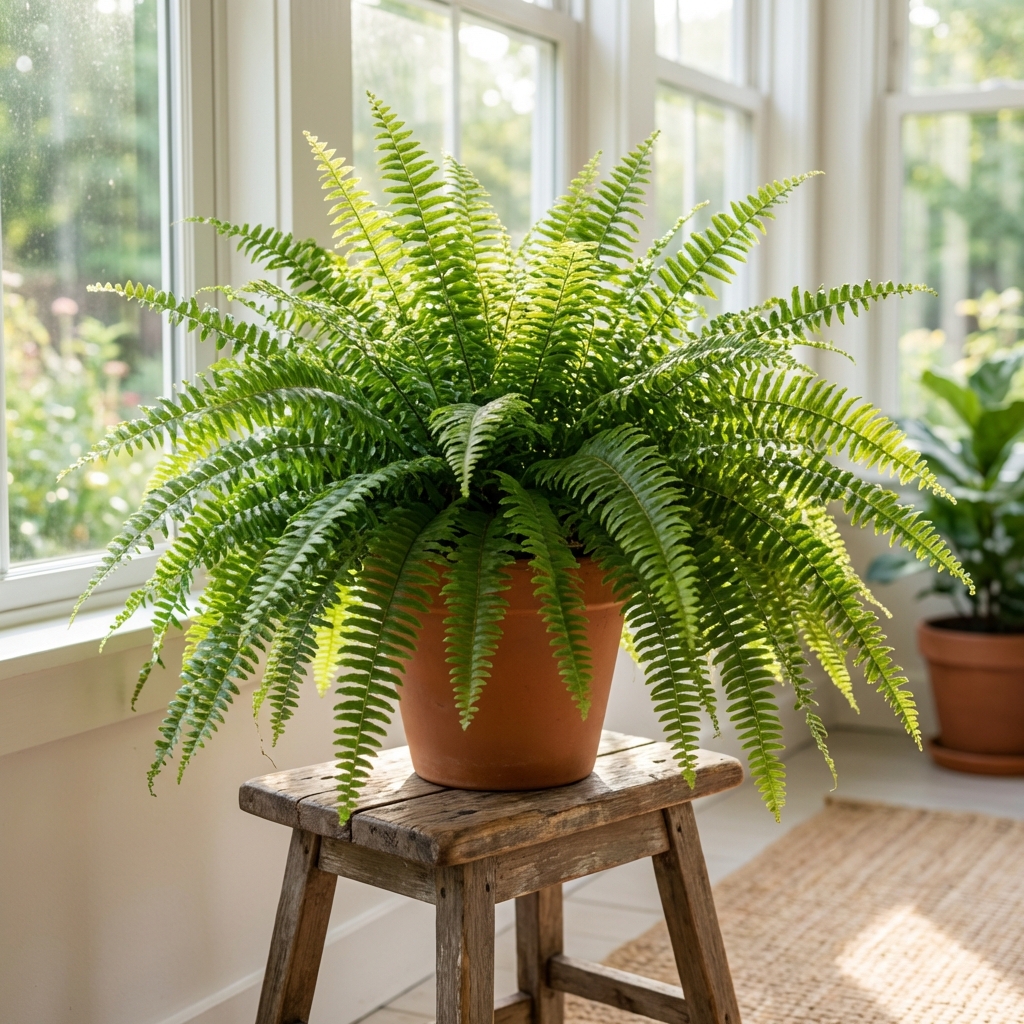
Boston Fern (Nephrolepis exaltata)
Boston ferns are classic and pet-friendly, but they do ask for one thing: consistent moisture and humidity. If your home is dry, this plant will tell you with crispy tips.
- Light: Bright, indirect to medium light.
- Water: Keep soil lightly moist, not soggy.
- Extra tip: A bathroom window or a pebble tray can help with humidity.
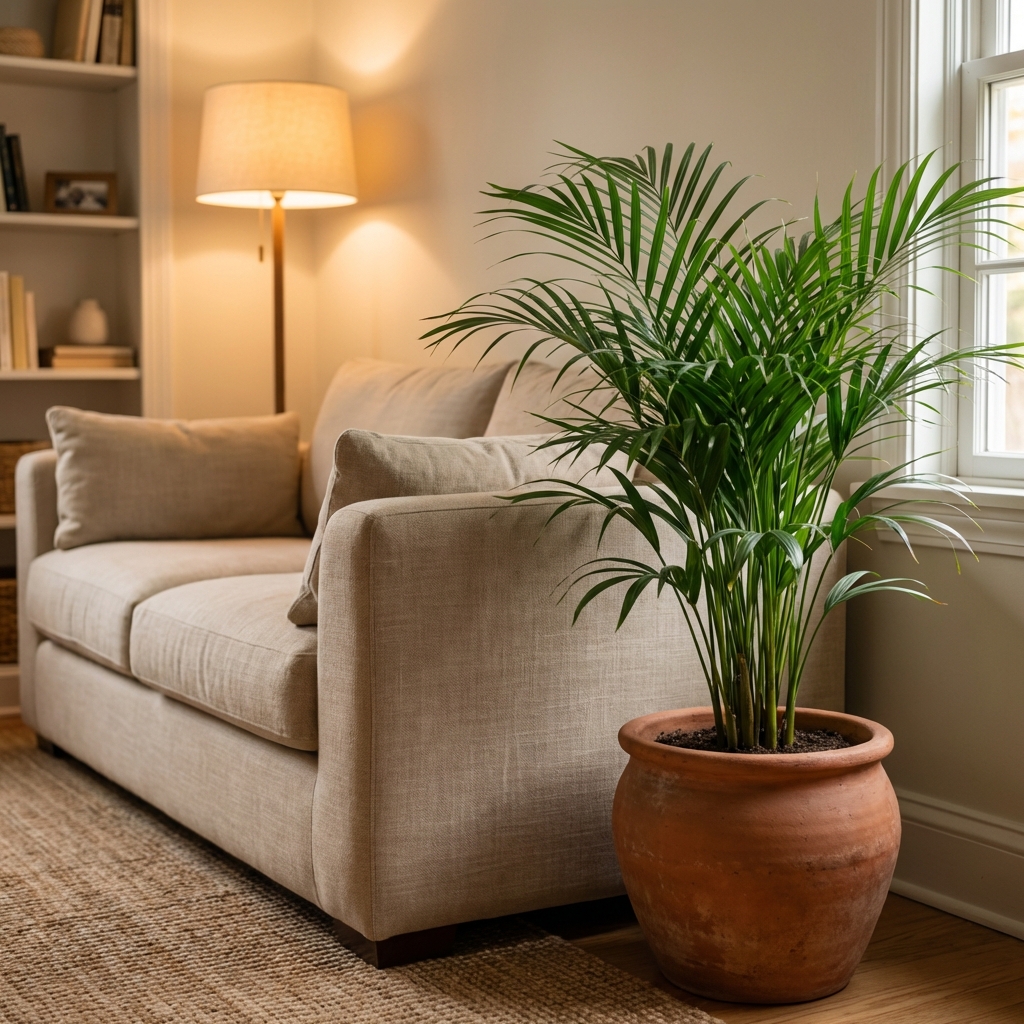
Parlor Palm (Chamaedorea elegans)
Parlor palms are slow-growing, tidy, and tolerant of average indoor light. They are a good “set it and forget it” option if you want a taller plant without drama.
- Light: Medium to bright, indirect.
- Water: Let the top inch or two dry before watering again.
- Extra tip: Do not overwater. Palms hate constantly wet soil.
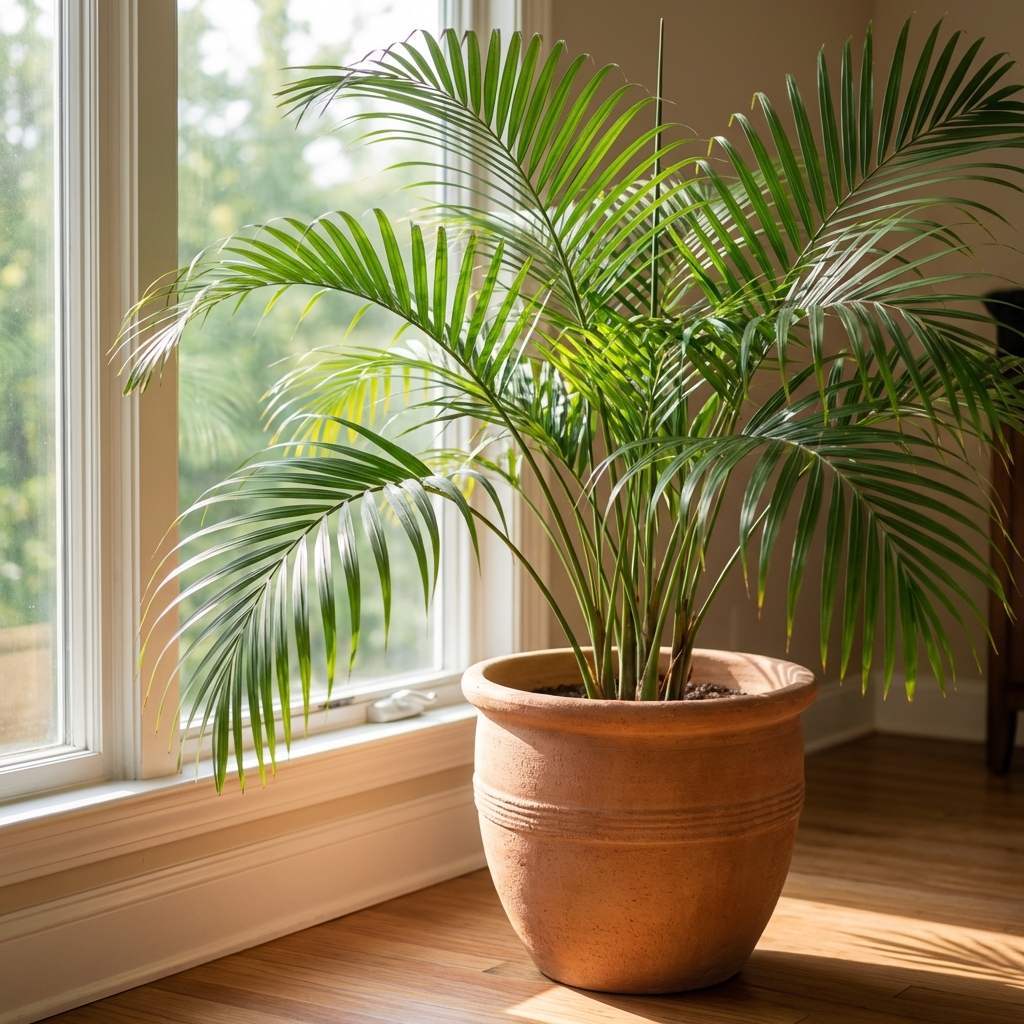
Areca Palm (Dypsis lutescens)
If you want a more dramatic, airy palm, areca is a great choice. It likes bright indirect light and steady care.
- Light: Bright, indirect.
- Water: Water when the top 1 to 2 inches dry out.
- Extra tip: Brown tips often point to low humidity or inconsistent watering.
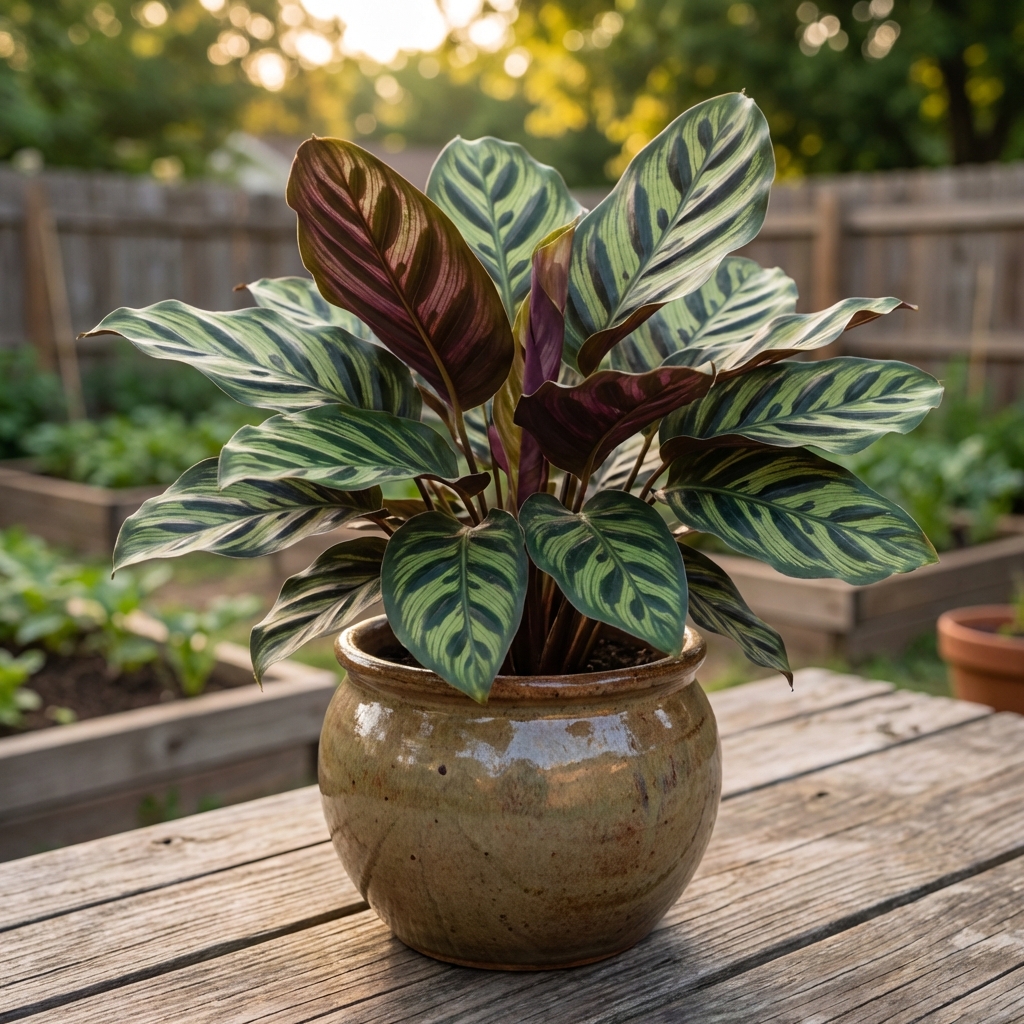
Calathea (Goeppertia species)
Calatheas are known for bold leaf patterns and a reputation for being a bit picky. The good news is they are widely listed as non-toxic to cats and very rewarding once you get the rhythm.
- Light: Medium to bright, indirect. Avoid harsh sun.
- Water: Keep evenly moist, not waterlogged.
- Extra tip: If your water is very hard, try filtered water to reduce leaf edge browning. If you have a rare variety, it is worth confirming the exact species on a veterinary list.
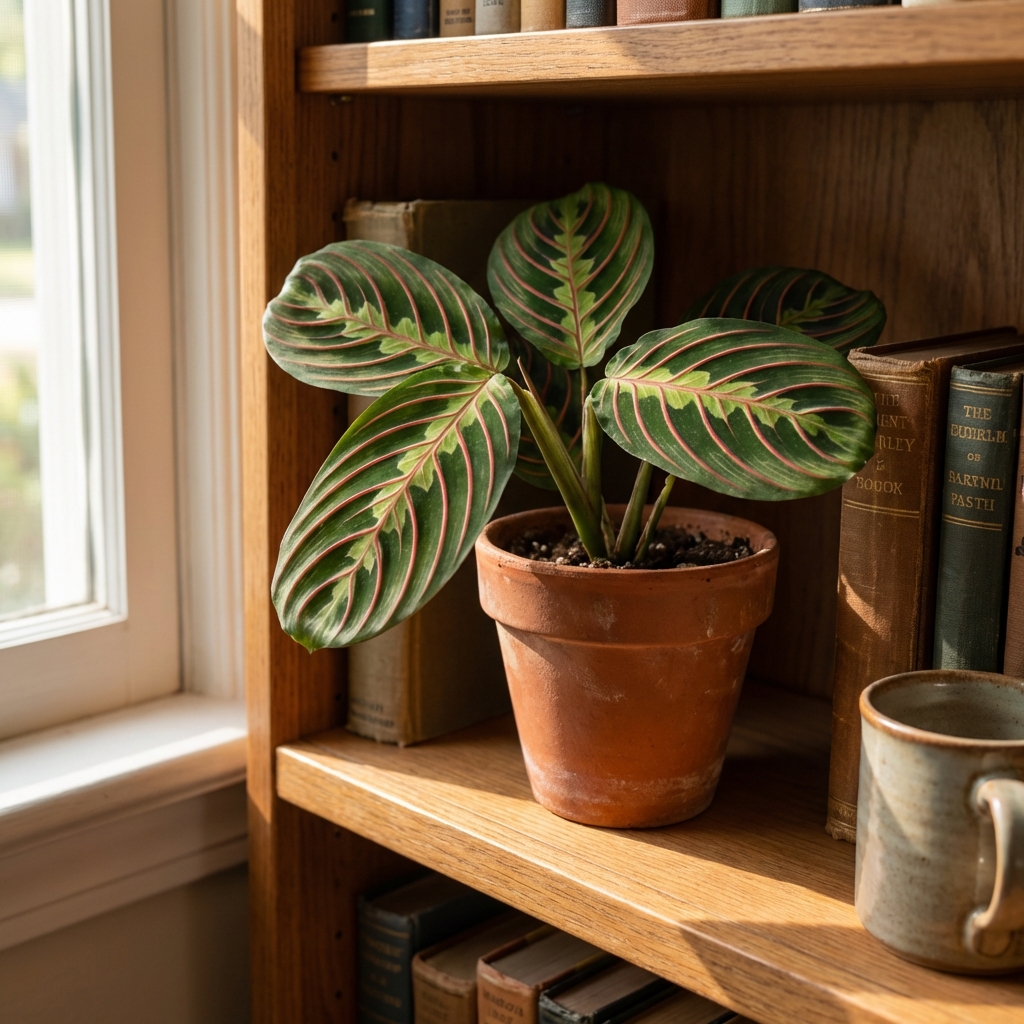
Prayer Plant (Maranta leuconeura)
Prayer plants are easier than many people expect, especially in homes that do not get blasting direct sun. They also stay fairly compact, which makes them great for shelves.
- Light: Bright, indirect to medium.
- Water: Water when the surface starts to dry, do not let it bone dry.
- Extra tip: Pinch back leggy growth to encourage a fuller plant. As with any plant group, confirm your exact variety if you are unsure.
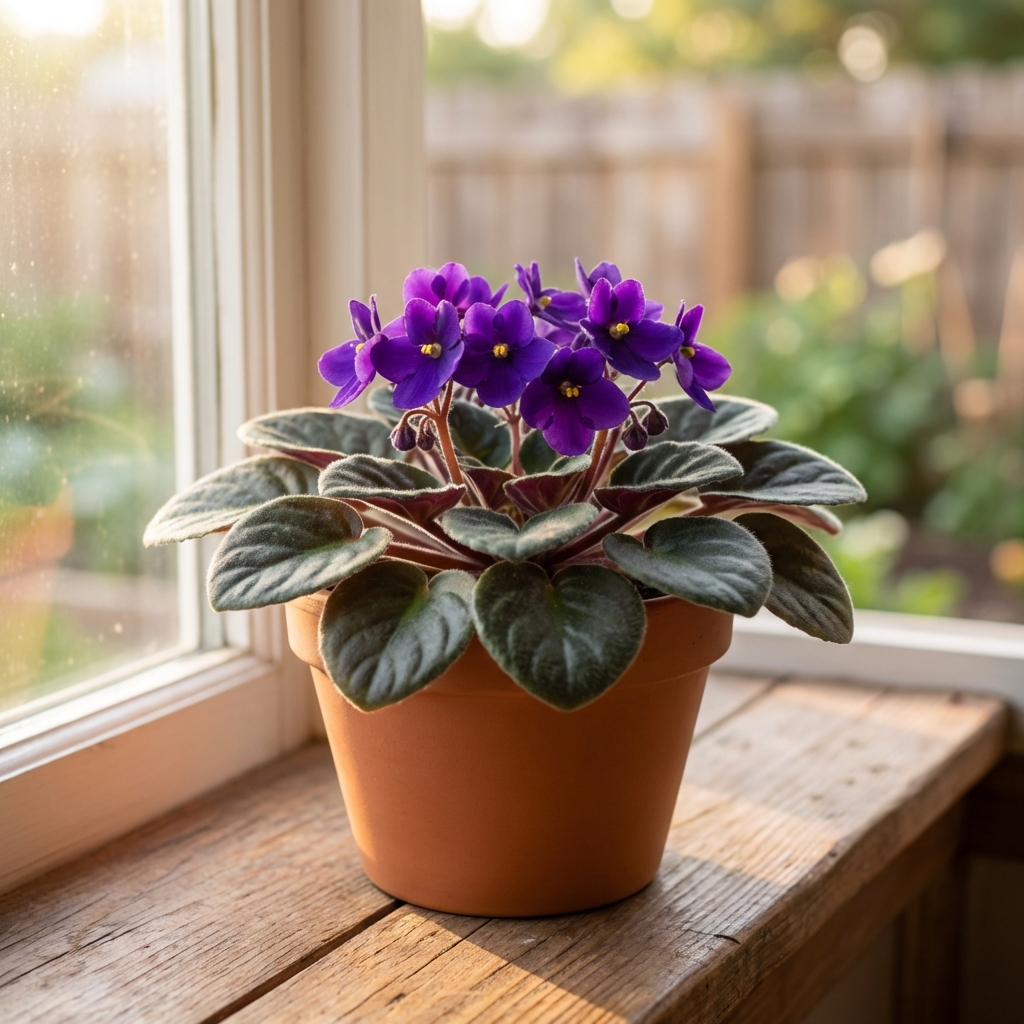
African Violet (Saintpaulia)
Want flowers indoors without bringing in something risky? African violets are a solid, cat-friendly pick if you can give them good light.
- Light: Bright, indirect. East windows are often perfect.
- Water: Water from the bottom or avoid wetting leaves to prevent spotting.
- Extra tip: Keep the crown dry and rotate the pot weekly for even growth.
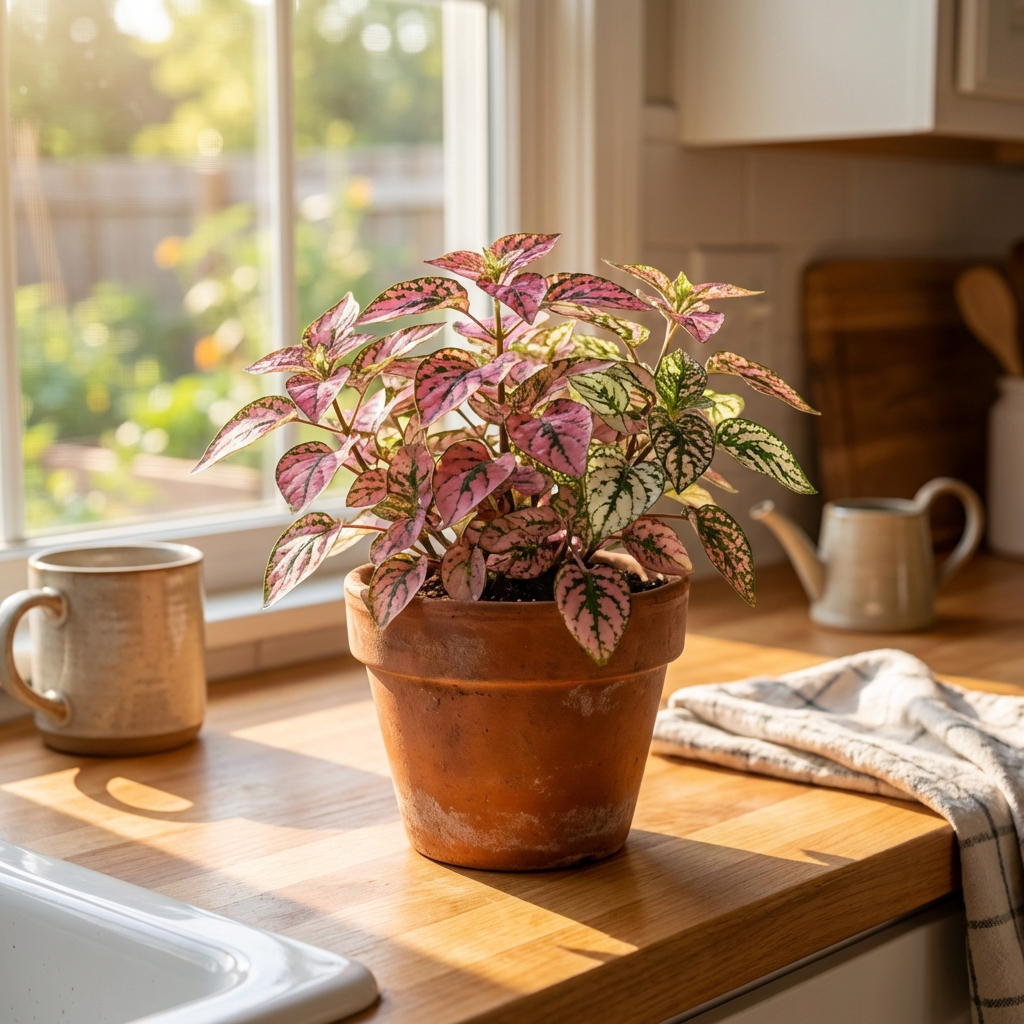
Polka Dot Plant (Hypoestes phyllostachya)
This plant brings color fast. It is also one of those “easy to start, easy to refresh” plants since you can pinch it to keep it bushy.
- Light: Bright, indirect for best color.
- Water: Regular watering, do not let it fully dry out.
- Extra tip: Pinch tips often. If it blooms, you can remove flowers to keep energy in leaves. Safety listings can vary by source and cultivar, so double-check your exact plant if your cat is a serious chewer.
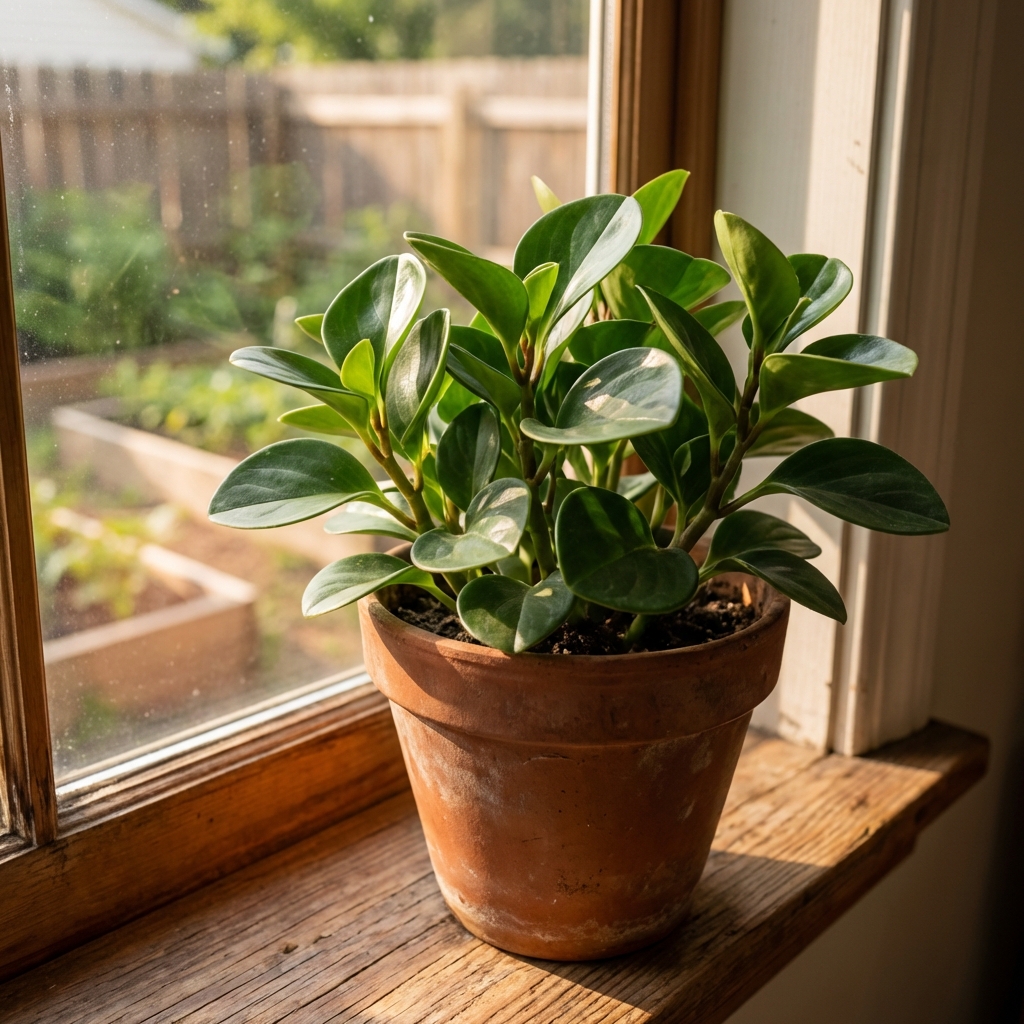
Baby Rubber Plant (Peperomia obtusifolia)
Peperomias are one of my favorite “busy person” plants. They store some moisture in their leaves and tolerate a little neglect.
- Light: Medium to bright, indirect.
- Water: Let the top half of the pot dry before watering again.
- Extra tip: If leaves get soft or translucent, you are watering too often.
Simple setup tips for a cat home
You do not need a jungle. A few smart moves make a big difference.
- Use stable, heavier pots. Cats can knock over lightweight plastic containers easily.
- Choose the right light first. A “low-light plant” still needs light. If you have only one bright window, put your best light lovers there.
- Bottom watering can help. It can reduce standing moisture on the surface and may help with fungus gnats. Pair it with letting the top layer dry a bit between waterings.
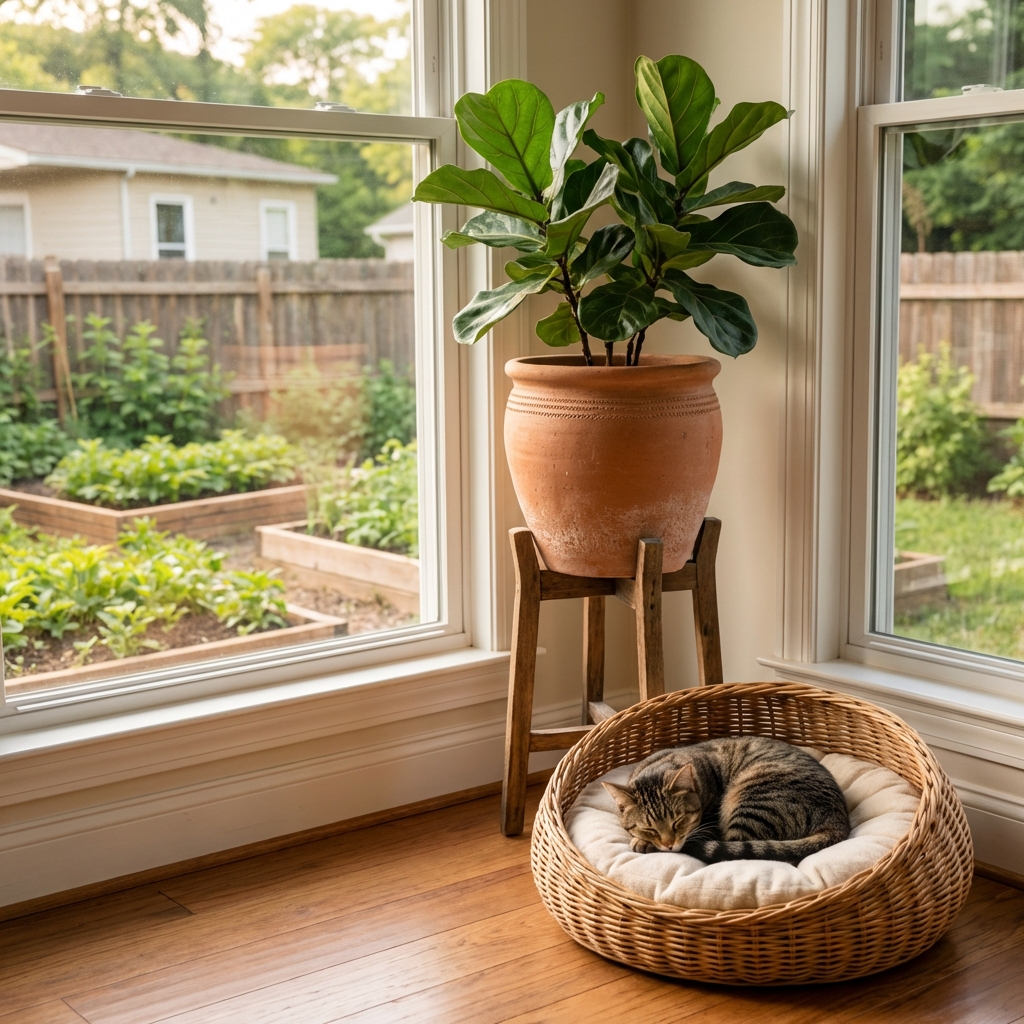
- Make placement do the work. Hanging planters, wall shelves, and tall plant stands keep plants out of reach. If you have a dedicated cabinet or terrarium setup (with proper airflow and grow lights), that can be a great solution for a determined plant chewer.
- Add a cat-friendly distraction. A pot of cat grass in a separate spot can redirect chewing.
Common “easy” plants that are not cat-safe
Some of the most common beginner houseplants are toxic to cats. If you are trying to keep things simple, these are the ones I would not gamble with in a cat home:
- Pothos (Epipremnum aureum)
- Philodendron
- Peace lily (Spathiphyllum)
- True lilies (Lilium and Hemerocallis), which can cause rapid kidney failure. Even small exposures can be dangerous, including pollen, petals, leaves, and sometimes even vase water.
- Sago palm
If you already own one of these, consider moving it to a truly pet-free room, placing it behind a closed door, or rehoming it. Cats can surprise you by chewing a plant they ignored for months.
If your cat chews a plant
If you catch your cat chewing any houseplant and you are not 100 percent sure it is non-toxic, take it seriously.
- Remove access to the plant and check for missing leaves.
- Clear the mouth safely. If your cat tolerates it, gently wipe the mouth with a damp cloth to remove plant bits. Do not force water into a frightened cat’s mouth.
- Look for symptoms like drooling, vomiting, diarrhea, pawing at the mouth, trouble breathing, weakness, or hiding.
- Call your vet or a pet poison hotline with the plant name (or a clear photo of the plant).
When in doubt, it is always better to call. A quick conversation can save you a long night of worry.
My beginner recommendation
If you want the easiest place to start, pick one plant from this short list: spider plant, parlor palm, peperomia, or a prayer plant. Get it growing well for a month, then add a second plant.
Plants are a lot like gardening outdoors. Once you understand light and watering in your specific home, everything gets easier.

Jose Brito
I’m Jose Britto, the writer behind The Country Store Farm Website. I share practical, down-to-earth gardening advice for home growers—whether you’re starting your first raised bed, troubleshooting pests, improving soil, or figuring out what to plant next. My focus is simple: clear tips you can actually use, realistic expectations, and methods that work in real backyards (not just in perfect conditions). If you like straightforward guidance and learning as you go, you’re in the right place.