Mosquito control in the garden works best when you do two things at the same time: reduce the number of mosquitoes you are breeding and make yourself harder to detect. Essential oils can help with that second part, especially during the short window when you are watering, harvesting, or hanging out on the patio. Just keep expectations realistic: most essential-oil repellents wear off faster than EPA-registered options like DEET, picaridin, IR3535, or PMD.
Below are the easiest options to start with, how to use them safely, and a few gardener moves that make a bigger difference than any spray alone.

Essential oils that repel mosquitoes
Not every nice-smelling oil does much against mosquitoes. These are the ones with the best real-world track record, along with what to expect.
Oil of lemon eucalyptus (PMD) not lemon eucalyptus essential oil
If you only buy one option, this is the one I point people toward. Oil of lemon eucalyptus products that are standardized for PMD have some of the strongest evidence for repelling mosquitoes. Important note: this is not the same thing as “lemon eucalyptus essential oil” sold in small bottles.
- Smell: lemony, clean
- Best for: longer outdoor sessions like grilling, gardening, evening walks
- Realistic expectation: good protection when applied to all exposed skin, but still needs reapplication outdoors
Citronella
Citronella is common for a reason. It helps, especially in a properly diluted skin spray or lotion. Candles can add a small benefit, but they are most useful when paired with fans and smart placement.
- Smell: classic “bug candle” citrus
- Best for: patios, quick garden chores
- Realistic expectation: short-lived outdoors in heat and humidity
Lavender
Lavender is gentler than many oils and can be a good supporting player in blends. On its own it is usually not as strong as PMD-based products or citronella, but many people like it for everyday use.
- Smell: floral, calming
- Best for: mixing into a blend, light personal repellent
- Realistic expectation: mild to moderate repellency
Peppermint
Peppermint may provide some repellency and can be a nice supporting note in blends. It is potent, so go easy, especially on sensitive skin.
- Smell: sharp mint
- Best for: short bursts outdoors, blending with citronella or lavender
- Realistic expectation: useful as part of a blend, may irritate if overused
Tea tree
Tea tree shows up in some repellent blends, but the evidence for it as a top mosquito repellent is limited and results are mixed. It is also one of the oils most likely to cause irritation in some people, so it is not my first pick if you want “easy and low drama.”
- Smell: medicinal, herbal
- Best for: blends in very small amounts
- Realistic expectation: mixed results, patch test first
Geranium (rose geranium)
Geranium oil is a solid option in blends and tends to play well with citronella and lavender. It is also one of those scents mosquitoes seem to dislike even though people often find it pleasant.
- Smell: rosy, green
- Best for: skin spray blends
- Realistic expectation: moderate help, especially when layered with other oils

How to use essential oils outdoors
Most frustration comes from two issues: applying oils full-strength (which can irritate skin) or expecting all-day protection (which most essential oils do not provide). Pick one method and keep it consistent.
Quick reality check: “Drops” are an approximate measurement and droppers vary. If you are prone to irritation, stick to lower dilutions and consider following specific dermal limits for each oil.
Option 1: Simple skin spray
This is the most practical approach for gardeners. You can spray exposed skin and a little on clothing, then reapply as needed.
Basic dilution: aim for about 1 to 2 percent essential oils in your final mix for most adults. If you have sensitive skin, start closer to 1 percent.
- For a 2 oz (60 ml) spray bottle: use roughly 12 to 24 drops total essential oils.
- For a 4 oz (120 ml) spray bottle: use roughly 24 to 48 drops total essential oils.
Simple blend idea: citronella + a little lavender + geranium. Keep it uncomplicated.
Option 2: Lotion or carrier oil rub
Mixing essential oils into a carrier oil (like fractionated coconut oil, jojoba, or sweet almond) or an unscented lotion can help it stick a bit longer than a water-based spray.
Tip: Apply to ankles, calves, and behind knees. That is where mosquitoes often find you first in the garden.
Option 3: Diffuser on the patio
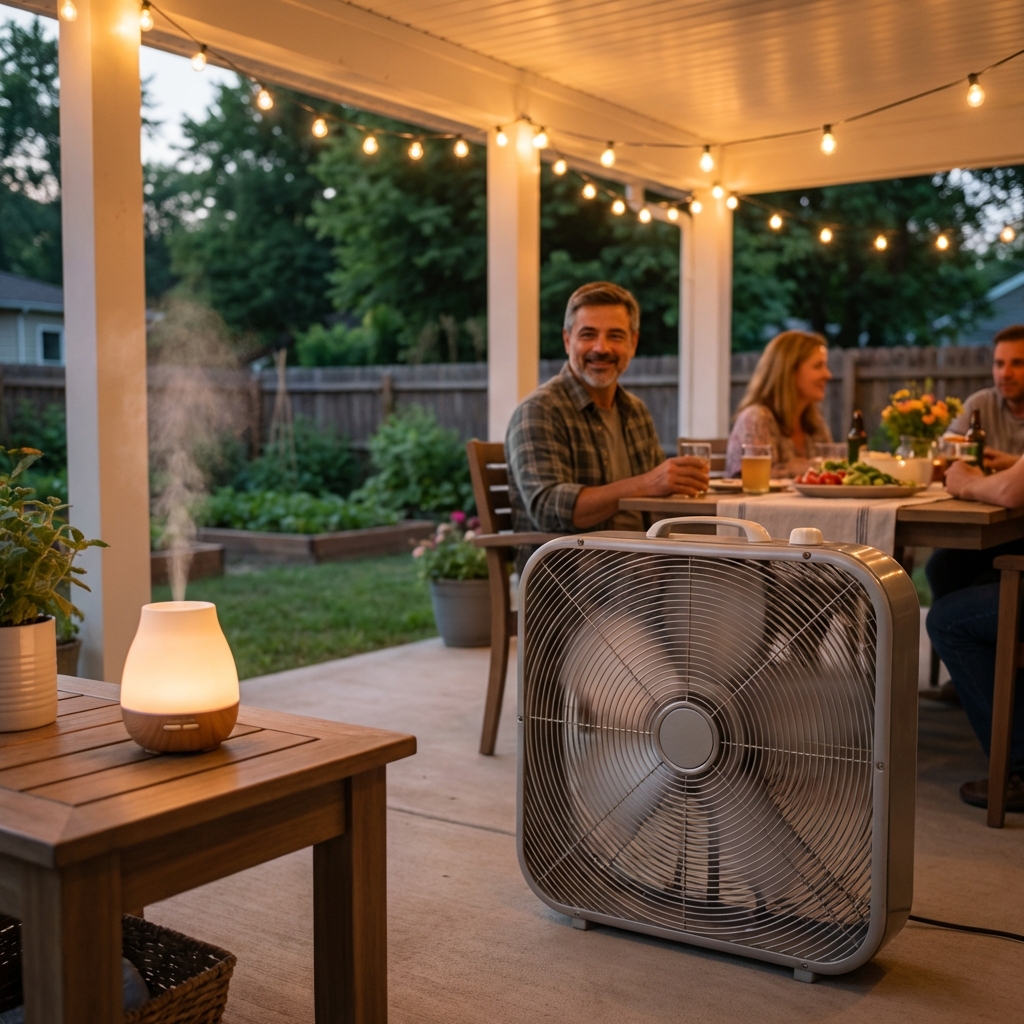
If you have an outdoor-rated diffuser or you can run one near an open door or covered porch, it can help create a repellent zone. Outdoors it disperses quickly, so think of it as a helper, not a force field.
Better patio trick: place a box fan aimed across seating at low height. Mosquitoes struggle in moving air, and it also helps disperse the cues they use to find you (like breath, body heat, and scent).
DIY recipes you will reuse
You can find hundreds of complicated recipes online. The best one is the one you will remake and reapply. Here are two that stay simple.
Everyday garden spray (2 oz bottle)
- Witch hazel or high-proof alcohol (helps oils mix)
- Distilled water to top off
- 8 drops citronella
- 4 drops lavender
- 4 drops geranium
How to mix: add the witch hazel or alcohol to a 2 oz (60 ml) spray bottle until it is about 3/4 full, add the essential oils, then fill the rest with water, leaving a little headspace so you can shake it.
How to use: shake well before each use. Spray onto exposed skin and lightly on clothing. Reapply every 60 to 120 minutes outdoors, sooner if you are sweating.
If you want PMD: instead of trying to DIY it with an essential oil, use an EPA-registered PMD-based repellent product as directed on the label. That is the version of “oil of lemon eucalyptus” that public health guidance is usually talking about.
Low-scent, sensitive skin roll-on (10 ml)
- 10 ml jojoba or fractionated coconut oil
- 2 drops lavender
- 1 drop geranium
How to use: roll onto wrists, ankles, and along the collar line. Patch test first.
Important: avoid getting oil blends in eyes, on broken skin, or on hands right before handling contacts.
Garden moves that help fast
Here is the straight talk: you can wear the best repellent and still get chewed up if your yard is a mosquito nursery. These are the fixes that pay off fast.
Dump standing water weekly
Mosquitoes can breed in small amounts of water. Walk your yard once a week and empty anything that holds water.
- pot saucers
- kids toys
- tarps with low spots
- clogged gutters
- wheelbarrows
- birdbaths (refresh water often)
If you cannot dump it: for rain barrels and ornamental ponds, consider Bti (often sold as mosquito dunks or bits) as a targeted larvicide tool. Follow the label.
Water smarter
Overwatering does not just stress plants. It can keep shady areas damp and mosquito-friendly.
- Water early in the day so surfaces dry faster.
- Fix leaky spigots and hoses.
- Improve drainage in low spots with compost and grading if needed.
Target the shade edges
Mosquitoes rest in cool, shaded vegetation during the day. Pay attention to thick groundcovers, dense shrubs, and the shady side of the house.
- Thin overly dense shrubs to improve airflow.
- Trim tall weeds around seating and entryways.
- Keep grass from getting long during peak season.
Use fans where you sit
This is one of the most reliable “easy wins.” A steady breeze makes it hard for mosquitoes to land and helps disrupt the signals they use to zero in on you.
Consider treated clothing for peak weeks
If you do evening garden work in heavy mosquito season, permethrin-treated clothing can be a game changer. It is for clothing and gear, not skin. Keep it away from cats, especially while it is wet.

Safety notes before you spray
Essential oils are natural, but they are still concentrated chemicals. Use them like you would any strong product.
- Do not apply undiluted oils directly to skin.
- Patch test a small area first, especially with peppermint or tea tree.
- Keep away from pets, especially cats. Many essential oils can be harmful to animals.
- Be careful with kids. Use lower dilutions and avoid strong oils unless you have guidance from a qualified professional. Avoid using essential-oil repellents on infants.
- Avoid eyes and mucous membranes. Wash hands after applying.
- Sun sensitivity: some citrus oils can increase sun sensitivity, especially cold-pressed (expressed) oils like lemon and lime. If you garden in full sun, avoid phototoxic oils such as bergamot unless labeled FCF (furanocoumarin-free). Steam-distilled citrus oils are typically less phototoxic, but caution is still smart.
If you have asthma, scent-triggered allergies, dermatitis, are pregnant, or have a medical condition, check with your clinician before using strong scented products regularly. Diffusers can be a problem for some people even when skin use is fine.
What to expect and when to switch tactics
Essential oils can help reduce bites, but they are not always enough during peak mosquito weeks. If you are still getting hit hard, layer your approach:
- Wear long sleeves and light-colored clothing for evening chores.
- Use a fan on the patio.
- Eliminate standing water and improve drainage.
- Use Bti in water you cannot dump.
- For high-risk areas or disease outbreaks, consider an EPA-registered repellent option for skin when needed.
The goal is not perfection. It is being able to weed, water, and relax outside without donating blood every time you step into the yard.

Jose Brito
I’m Jose Britto, the writer behind The Country Store Farm Website. I share practical, down-to-earth gardening advice for home growers—whether you’re starting your first raised bed, troubleshooting pests, improving soil, or figuring out what to plant next. My focus is simple: clear tips you can actually use, realistic expectations, and methods that work in real backyards (not just in perfect conditions). If you like straightforward guidance and learning as you go, you’re in the right place.