Chiggers are one of those garden problems that sneak up on you. You weed a bed or edge a path, feel fine, and then later you are dealing with clusters of intensely itchy bumps around socks, waistbands, or behind knees.
The good news is you can usually get solid relief at home, and you can make your yard less chigger-friendly without turning it into a sterile landscape.

First, a quick reality check
Chiggers are the larval stage of certain mites. They do not burrow into your skin. They attach, feed for a while (often several hours, sometimes up to 1 to 3 days), and then drop off. The itch comes from your skin reacting to their saliva, and it can keep flaring even after the larvae are gone.
That matters because a lot of “remedies” are based on the myth that you need to smother or dig them out. What you actually need is:
- Remove any remaining larvae from your skin and clothing
- Reduce inflammation and itching
- Prevent infection from scratching
- Lower your exposure next time you garden
Home care steps for chigger bites
Step 1: Shower soon
Use warm water and soap. Focus on areas where clothing was tight, like sock lines, waistbands, bra lines, and behind knees. You do not need to scrub hard. A regular wash and rinse is the goal, not abrasion.
Step 2: Cool the itch
Apply a cold compress for 10 to 15 minutes. This takes the edge off fast and makes it easier to avoid scratching, which is what turns bites into irritated, infected spots.
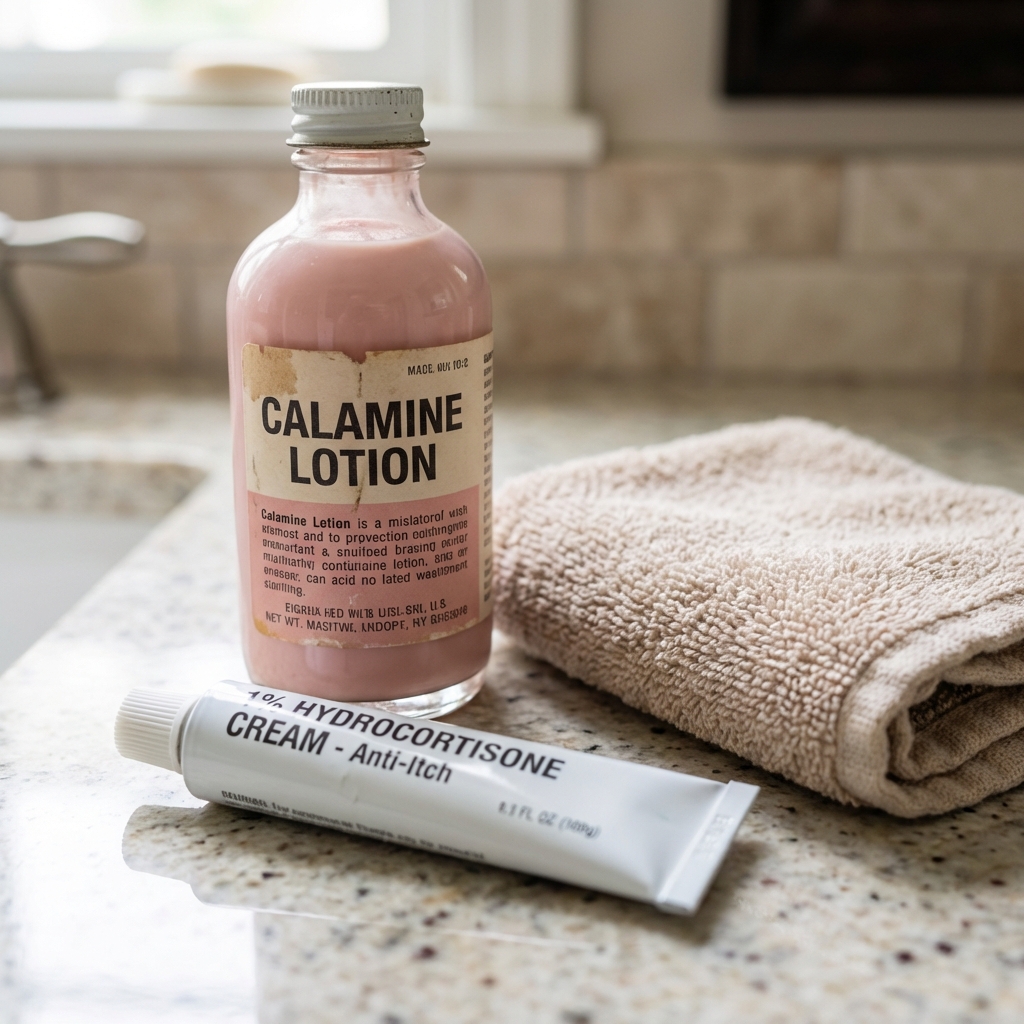
Step 3: Use an OTC anti-itch option (pick one)
- Hydrocortisone 1% cream: Thin layer 2 to 3 times daily for a few days.
- Calamine lotion: Good if you want something drying and soothing.
- Oral antihistamine: Helpful if itching is widespread or keeping you awake. Options include cetirizine or loratadine (often “non-drowsy,” but cetirizine can still make some people sleepy). For nighttime, some people use diphenhydramine, but it is more likely to cause drowsiness and can interact with other meds. Follow the label.
Note for pregnancy, young kids, and people with medical conditions: check with a clinician or pharmacist before using oral antihistamines or medicated creams, and always follow age and dosing guidance on the package.
Step 4: Protect the skin
If a spot is getting raw, cover it with a small bandage or a hydrocolloid patch. Also, trim nails short while you heal. It sounds basic, but it reduces skin damage during inevitable half-asleep scratching.
My practical rule: if the itch keeps intensifying after 48 hours despite the steps above, or you cannot sleep for multiple nights, it is time to get medical advice. You may need a stronger prescription anti-itch treatment or help ruling out something else.
Do not forget the laundry step: change out of yard clothes promptly. Wash what you wore (and anything it rubbed on, like a garden hat or socks) using the warmest water safe for the fabric, then dry on heat if the item allows. If symptoms start later and you suspect exposure, wash bedding too.
What chigger bites look like
Many people get small red bumps or welts that show up in clusters, sometimes in lines. They often pop up where clothing fits snugly, like around sock lines, waistbands, and behind knees.
It is easy to confuse bites and rashes, so consider the pattern:
- Chiggers: clusters around tight clothing after yard work, especially in tall grass or weedy edges.
- Fleas: often bite lower legs and ankles, especially if you have pets or wildlife traffic.
- Bed bugs: bites after sleeping, often in lines, and can show up anywhere on exposed skin.
- Poison ivy: a blistery, oozing rash in streaks where the plant brushed you.
If you are not sure what you are dealing with, or the rash is spreading quickly, that is a good reason to check in with a clinician.
Simple home options (and when to skip them)
If you prefer pantry-style remedies, here are a few that can help, with realistic expectations.
Baking soda paste
Mix baking soda with a little water and apply a thin layer for 10 to 15 minutes, then rinse. This can reduce itching for some people, but it can also dry your skin. Skip it if your bites are already cracked or very irritated.
Oatmeal soak
Colloidal oatmeal baths are a gentle option if you have many bites. If you do not have colloidal oatmeal, very finely ground plain oatmeal can work in a pinch. Pat dry, then use a light moisturizer or calamine.
Aloe vera gel
Aloe can feel great on hot, itchy skin. Use plain gel without added fragrance if possible.
What I do not recommend
- Bleach, ammonia, or harsh cleaners: High risk, low reward.
- Heavy oils to “smother” chiggers: They are usually gone by the time you itch.
- Scrubbing the bites aggressively: It inflames skin and increases infection risk.
When to call a doctor
Most chigger bites are miserable but not dangerous. Get medical advice if you notice:
- Spreading redness, warmth, swelling, or pus
- Fever or feeling unwell
- Severe swelling around eyes or lips
- Shortness of breath
- Itching so intense you cannot sleep for multiple nights
- Bites that do not improve after a week
If you have diabetes, immune suppression, or circulation issues, be extra cautious about skin infections from scratching.
Where chiggers hide in real yards
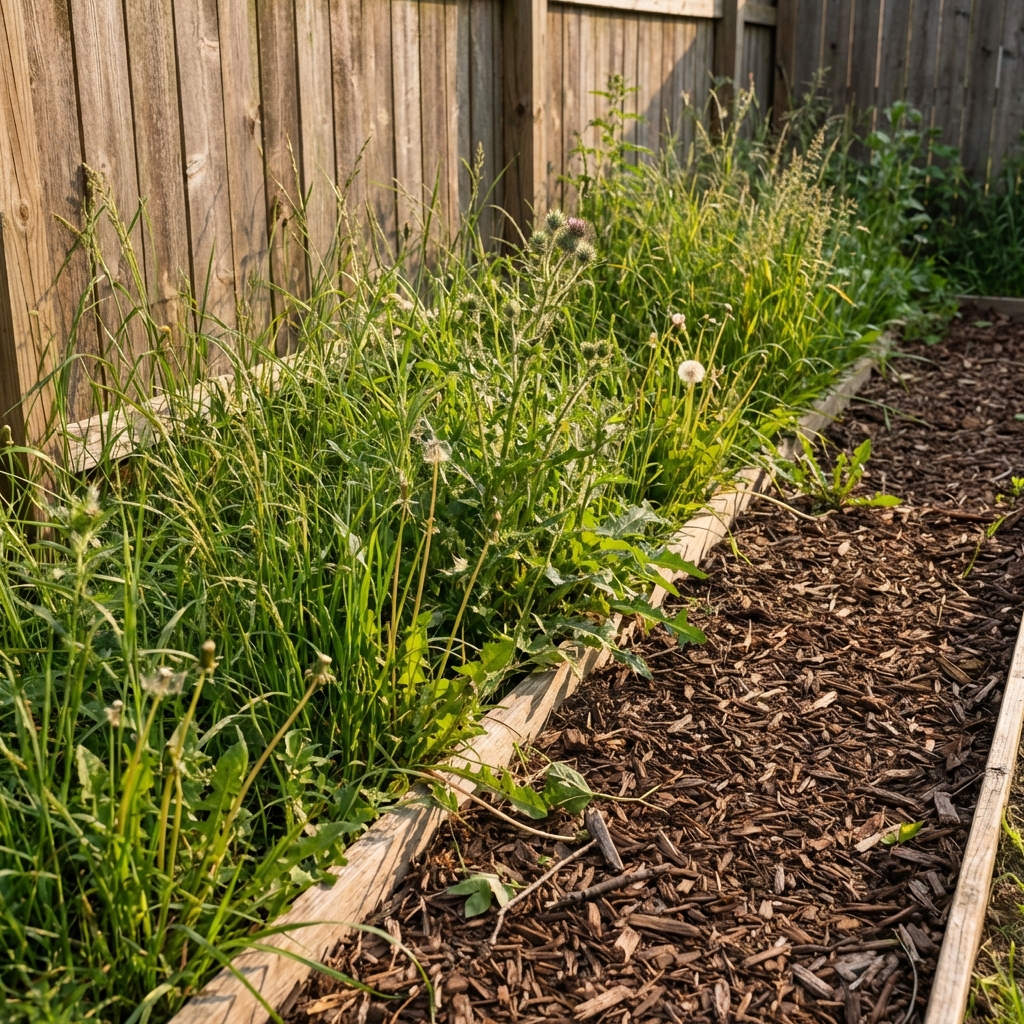
Chiggers tend to thrive where vegetation is thick and stays a bit humid at ground level. Shade often helps, but it is not required. Tall grass, weeds, and brushy edges are the big themes.
In home gardens, I most often see problems in:
- Overgrown lawn edges and fence lines
- Tall weeds around raised beds
- Mulch that stays damp and undisturbed
- Leaf litter under shrubs
- Brushy areas near woods
- Areas where rabbits, squirrels, or rodents travel regularly
How to prevent chiggers without overdoing it
1) Keep a clean border
Chiggers tend to hang out where vegetation is thick. A simple “clean zone” along bed edges helps. Think roughly 18 to 24 inches as a practical rule of thumb, not a magic number.
- Keep grass trimmed short along bed edges
- Pull weeds regularly so you do not get surprise jungle patches
- Consider a gravel or wood-chip path that stays drier than thick groundcover
2) Reduce damp hiding places
Mulch is great, but if you have a chronically damp corner, fluff and refresh mulch so it does not become a dense mat. Rake out leaf litter under shrubs, especially in spots you walk through.
3) Time your garden work
Chiggers are often worse when it is warm and humid. If your yard is a hotspot, do the weedy tasks after a stretch of dry weather when possible.
4) Dress for the task
- Wear long socks and tuck pants into socks when working in tall growth
- Choose light-colored clothes so you can spot hitchhikers
- Change clothes promptly
- Wash clothing on the warmest setting safe for the fabric and dry on heat if the item allows
- Shower soon after yard work
5) Repellents that actually help
If you want extra protection, look for repellents labeled for chiggers:
- DEET on exposed skin, applied as directed
- Permethrin on clothing only (never on skin). Treat pants, socks, and shoes, and let them dry fully before wearing.
If you garden with kids or pets nearby, keep repellents locked up and follow product directions closely. For young children, pregnancy, or breastfeeding, double-check product guidance and ask a pharmacist if you are unsure.
Yard treatment: do you need to spray?
Most home gardens can reduce chigger problems through trimming, edging, and drying out problem zones. Sprays are usually a last step when:
- You have a known hotspot you cannot avoid
- Multiple people are getting bit repeatedly
- Vegetation management alone is not enough
If you go this route, spot-treat the worst areas, not the whole yard. Focus on edges, tall grass, and brushy transitions. Products and rules vary by region, so follow the label exactly and consider local extension advice or a licensed pro if you are not sure what is appropriate. Keep treatments away from pollinator-heavy plants and blooms.
Quick checklist
- Today: shower, cold compress, hydrocortisone or calamine, avoid scratching
- Tonight: consider an antihistamine if itching disrupts sleep (follow the label)
- This week: trim edges, pull tall weeds, rake damp litter, refresh matted mulch
- Next time: tuck pants into socks, use repellent strategically, shower right after, launder clothes promptly
Common questions
How long do chigger bites last?
Itching often peaks in the first 24 to 48 hours and can last a week or longer, depending on how sensitive your skin is and how much you scratch. The larvae can be gone and the itch can still linger.
Why are the bites around tight clothing?
Tight areas like sock lines and waistbands make it easier for larvae to attach and harder for them to get brushed off.
Can chiggers live in raised beds?
They can be near raised beds, especially where weeds grow tall around the edges or where mulch stays damp. They are more associated with the surrounding vegetation than with the soil you plant in.

Jose Brito
I’m Jose Britto, the writer behind The Country Store Farm Website. I share practical, down-to-earth gardening advice for home growers—whether you’re starting your first raised bed, troubleshooting pests, improving soil, or figuring out what to plant next. My focus is simple: clear tips you can actually use, realistic expectations, and methods that work in real backyards (not just in perfect conditions). If you like straightforward guidance and learning as you go, you’re in the right place.