If you are new to growing food, the fastest way to build confidence is to choose vegetables that are naturally dependable. That usually means plants that sprout easily, tolerate a little uneven watering, and still produce even if your soil is not perfect on day one.
This guide focuses on essential vegetables that are genuinely easy for most home gardeners to grow in raised beds, in-ground plots, or containers. You will also see the most common hiccups so you can avoid the usual beginner frustration.
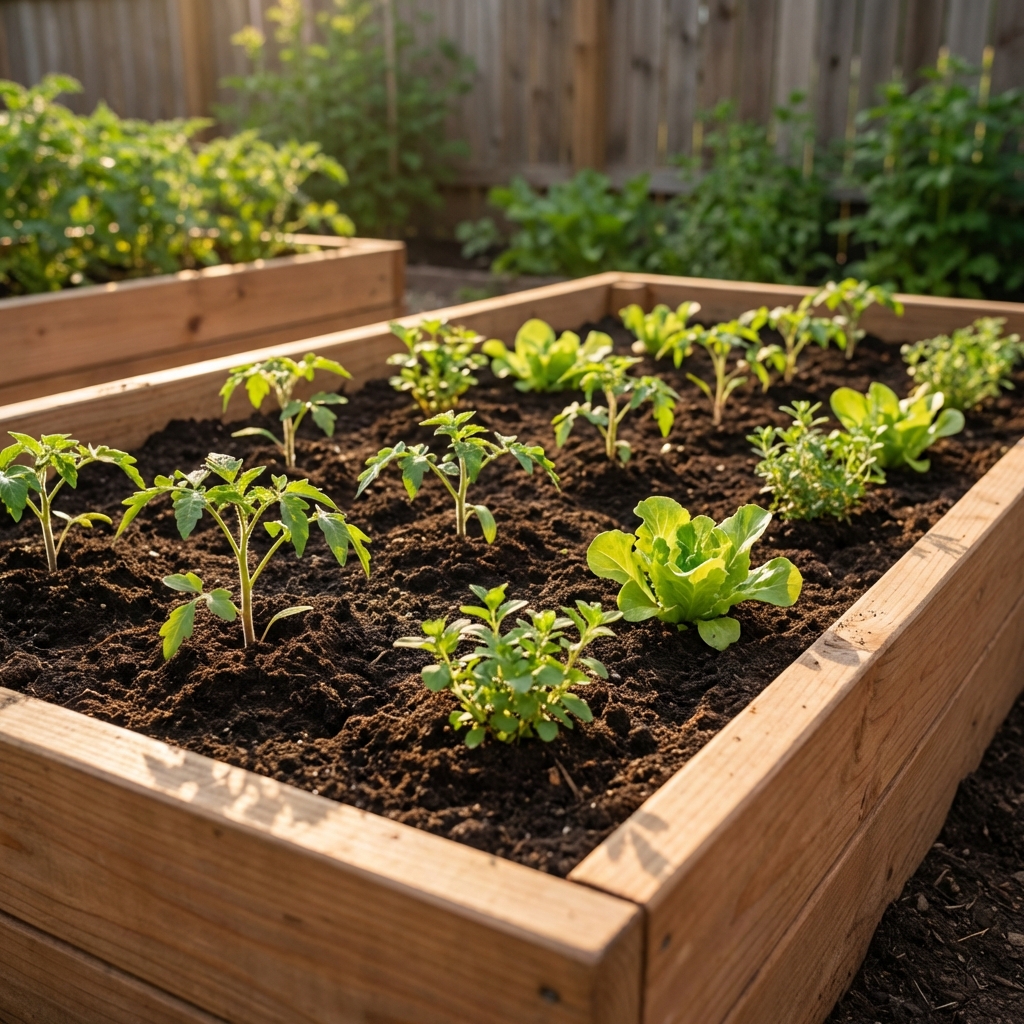
What makes a vegetable easy
Some vegetables have a reputation for being easy, but they still fail when the basics are off. Here is what to look for when choosing beginner-friendly crops.
- Fast to sprout and grow: quick results keep you motivated and help you learn faster.
- Flexible planting window: you are not stuck with one perfect week to plant.
- Tolerant of average soil: they still perform with basic compost and consistent watering.
- Lower pest pressure: fewer emergencies and less spraying.
- Simple harvest: you can tell when it is ready without guessing.
Before you plant
Sunlight
Aim for 6 to 8 hours of direct sun for fruiting crops like tomatoes, peppers, cucumbers, and squash. Leafy greens can handle less, especially in warmer weather.
Soil basics
You do not need perfect soil, but you do need drainage plus organic matter. For most garden beds, mix in 2 to 3 inches of compost before planting, or aim for roughly 20 to 30% compost by volume in the top few inches. If your bed is already planted or full, top-dress with compost instead.
Watering rhythm
Most beginner problems come from watering swings. A simple rule that works: water deeply, then let the top inch of soil dry slightly before watering again. Containers dry faster and may need daily water in heat.
Frost dates
- Cool-season crops (lettuce, peas, radishes, carrots, kale) prefer spring and fall.
- Warm-season crops (tomatoes, peppers, beans, cucumbers, zucchini) go out after frost risk passes and nights are consistently mild.
If you do not know your timing, look up your local frost dates by ZIP code (or your nearest city) and use that as your anchor.
Containers
If you are growing in pots, size matters more than people think. As a quick baseline: cherry tomatoes do best in at least 10 to 15 gallons, cucumbers in at least 5 to 7 gallons with a trellis, and zucchini in at least 15 to 20 gallons (bigger is easier). Leafy greens, radishes, and scallions are happy in smaller containers.
Essential easy vegetables
1) Radishes
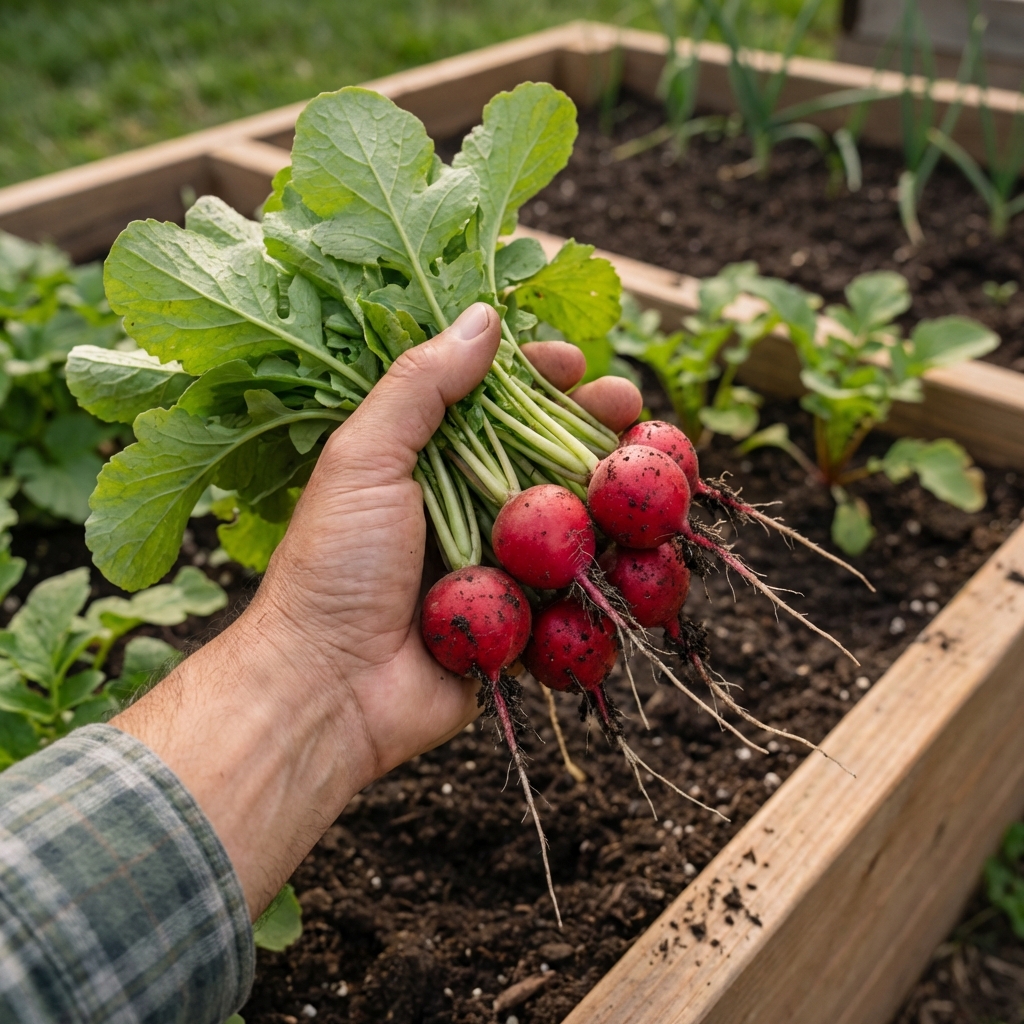
Radishes are the ultimate confidence builder. They sprout fast, grow fast, and show you what is happening underground without a long wait.
- How to plant: direct sow seeds about 1/2 inch deep.
- Spacing: thin to 1 to 2 inches apart for good roots.
- Time to harvest: often 25 to 35 days.
- Common issue: woody or extra-spicy roots usually mean they were left too long or grown in heat. Plant in cooler weather.
- Easy variety: ‘Cherry Belle’ is a classic for a reason.
2) Bush beans
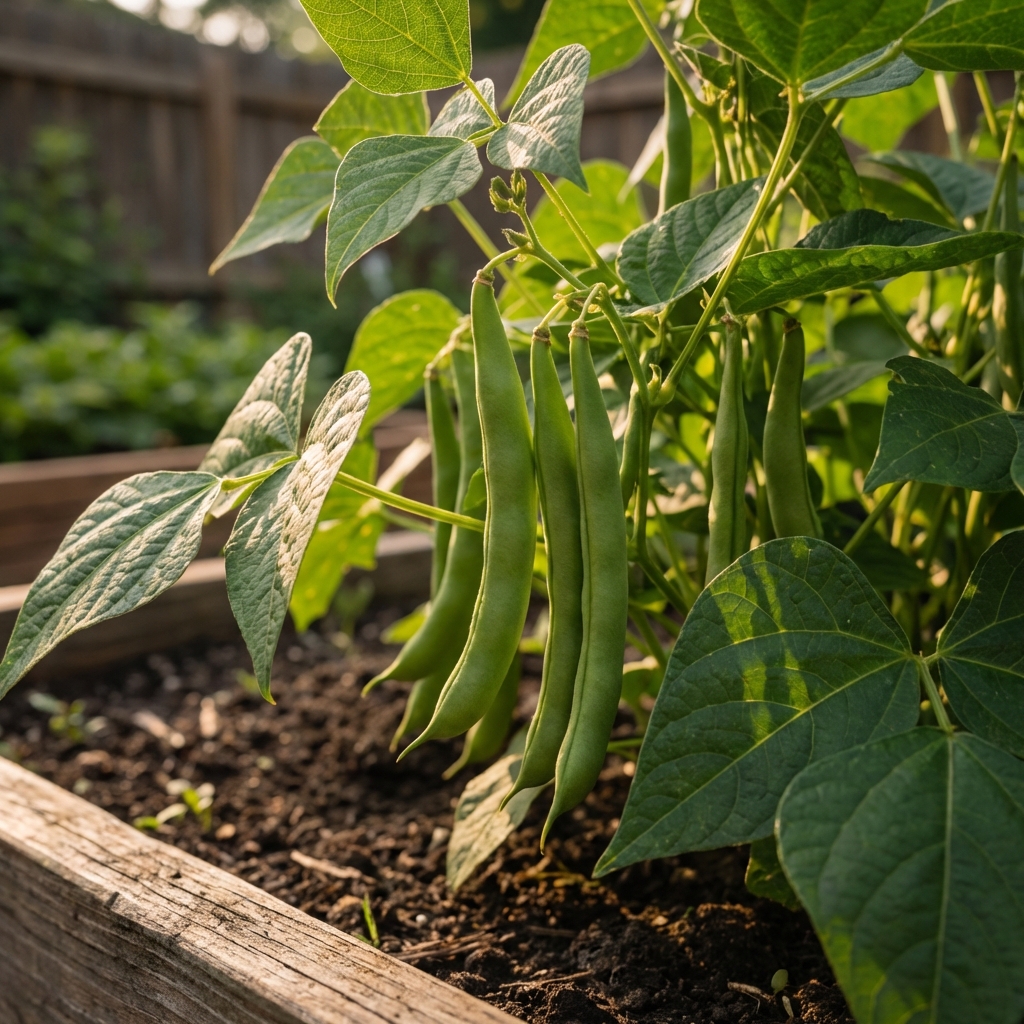
Bush beans are reliable, productive, and do not need a trellis. They also partner with soil bacteria that help them fix nitrogen, but most of that benefit shows up later if you leave the roots in the ground (and compost or chop and drop the plants after harvest).
- How to plant: direct sow after frost when soil is warming.
- Spacing: 4 to 6 inches apart.
- Time to harvest: usually 50 to 60 days, then pick often.
- Common issue: poor germination in cold, soggy soil. Wait for warmer conditions and avoid overwatering.
- Easy variety: ‘Provider’ is dependable in many climates.
3) Lettuce
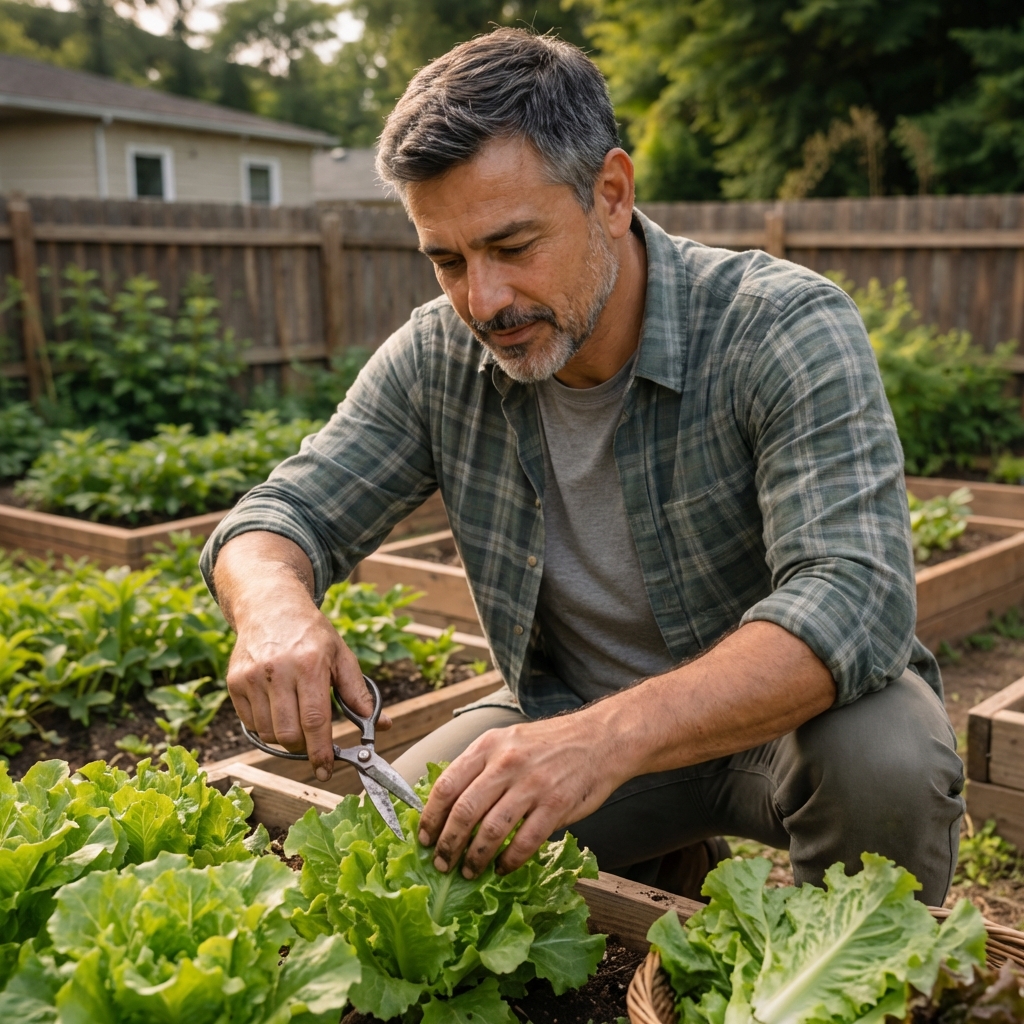
Lettuce gives you quick harvests and is perfect for small spaces. It is forgiving because you can harvest outer leaves and keep the plant going.
- How to plant: sow on the surface or cover very lightly. Lettuce germinates best with light and cool soil.
- Best seasons: spring and fall, or partial shade in summer.
- Harvest: cut-and-come-again leaf picking or harvest whole heads.
- Common issue: bolting in heat. Provide afternoon shade and keep soil evenly moist.
- Easy variety: leaf types like ‘Black Seeded Simpson’ are fast and forgiving.
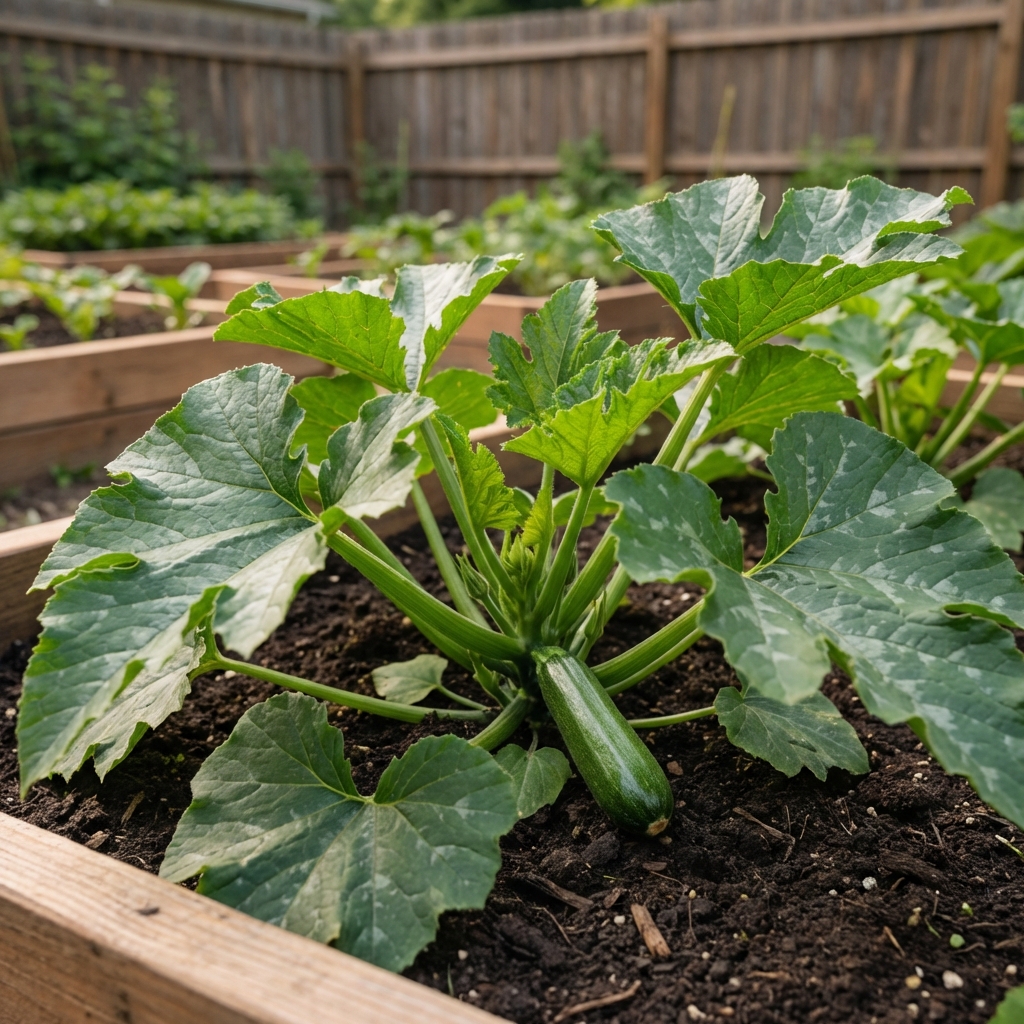
4) Zucchini (summer squash)
If you want a lot of food from one plant, zucchini is hard to beat. The main trick is giving it room and checking it often so fruits do not turn into baseball bats.
- How to plant: direct sow or transplant after frost.
- Spacing: give each plant 2 to 4 feet depending on the variety. Check the tag.
- Harvest: pick when fruits are 6 to 8 inches for best texture.
- Common issue: powdery mildew late in the season is common. Improve airflow, water at soil level, and harvest regularly.
- Easy variety: ‘Black Beauty’ is widely available and productive.
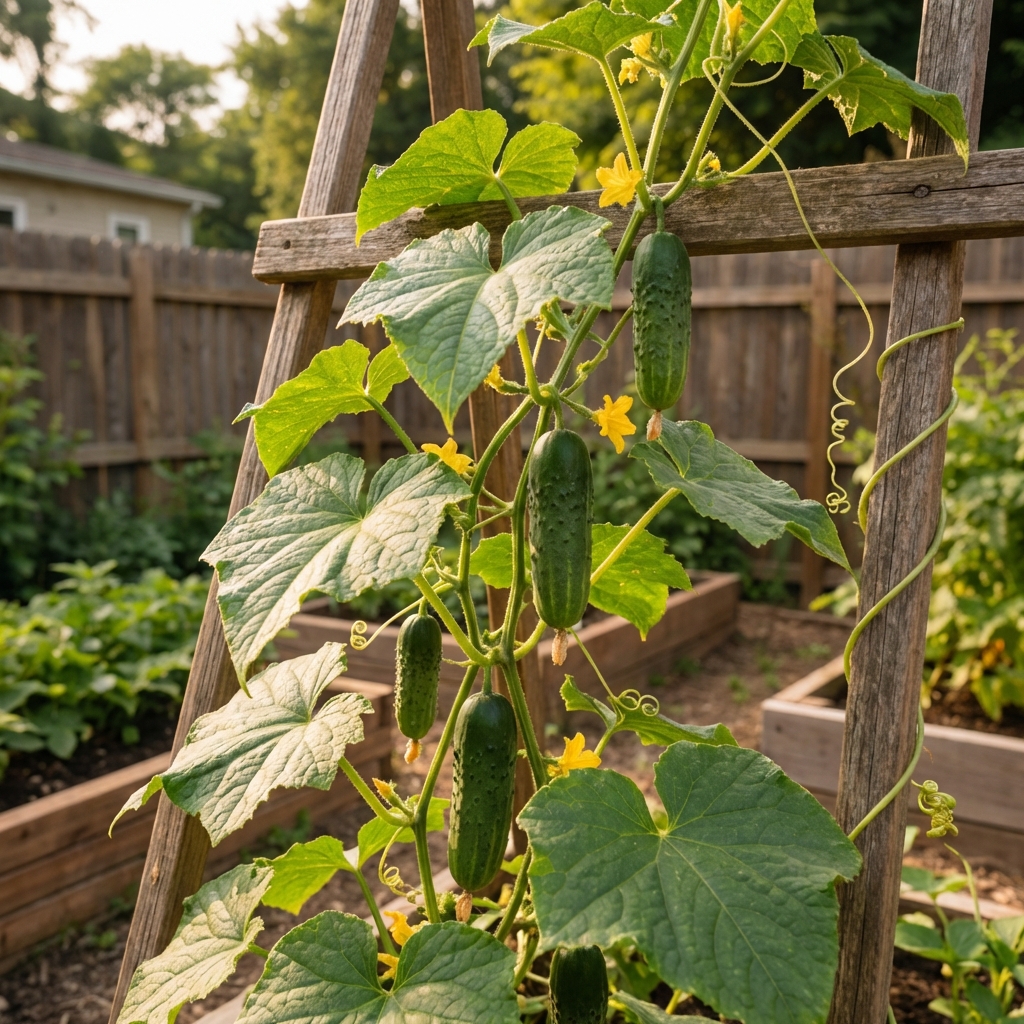
5) Cucumbers (especially on a trellis)
Cucumbers grow fast and produce heavily. Training them upward keeps fruit cleaner, improves airflow, and makes harvest easier.
- How to plant: direct sow after frost, or transplant carefully to avoid disturbing the roots.
- Support: a simple trellis or fence makes care and harvest easier.
- Water: steady moisture helps prevent bitterness, but variety choice and heat stress can play a role too.
- Common issue: flowers but no fruit early on can be normal. Cucumbers often produce male flowers first, then female flowers.
- Pest heads-up: watch for cucumber beetles and aphids. Catching them early is much easier than fixing a big infestation.
- Easy variety: ‘Marketmore’ is a steady slicer. For containers, look for compact or parthenocarpic types (they set fruit without pollination).
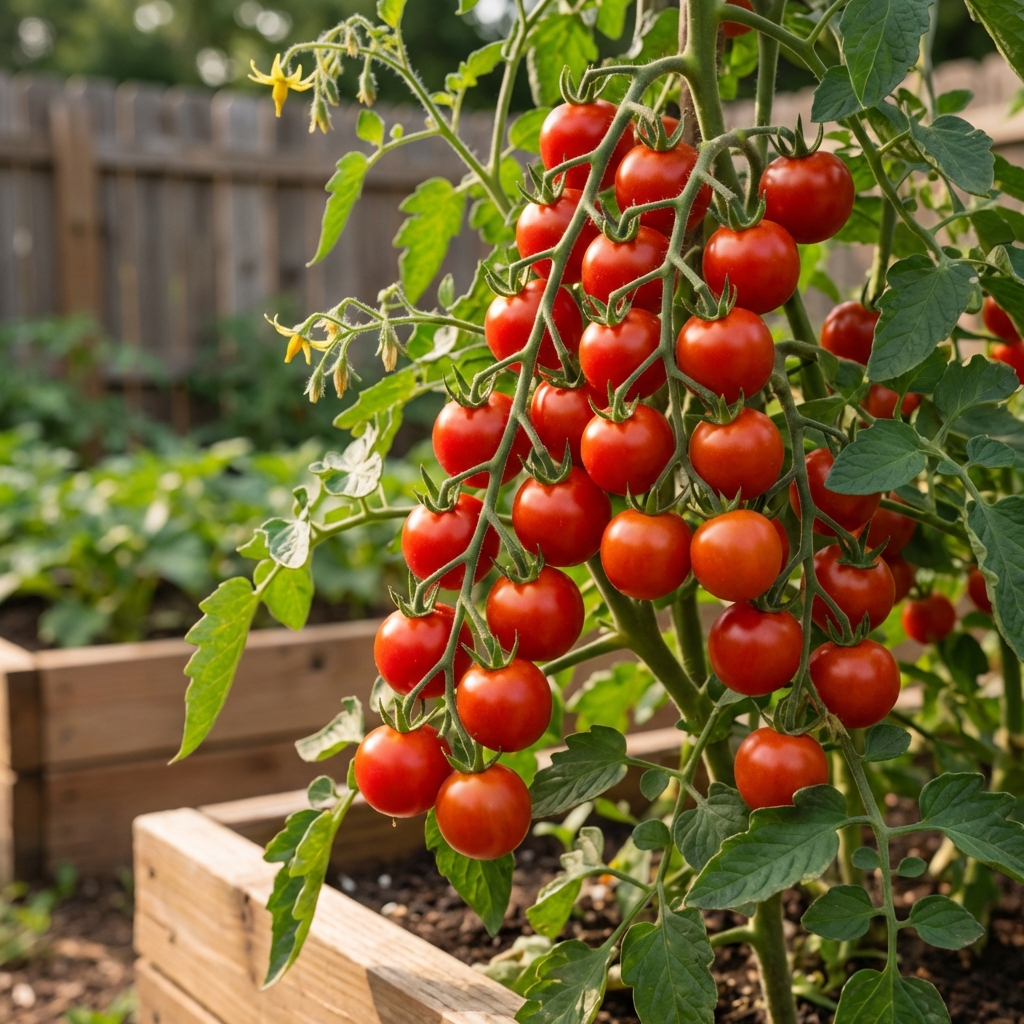
6) Cherry tomatoes (from a starter plant)
Tomatoes can be tricky from seed, but starter plants make them beginner-friendly. Cherry types are typically more forgiving and produce earlier.
- How to plant: transplant after nights warm up. Plant deep, burying part of the stem for stronger roots.
- Support: stake or cage right away.
- Feeding: too much nitrogen makes leafy plants with fewer tomatoes. Use compost and a balanced fertilizer if needed.
- Common issue: splitting fruit is usually inconsistent watering. Water deeply and mulch to even things out.
- Disease prevention basics: mulch to reduce soil splash, water at the base, and give the plant enough space for airflow.
- Easy variety: ‘Sweet 100’ and ‘Sungold’ are famously productive.
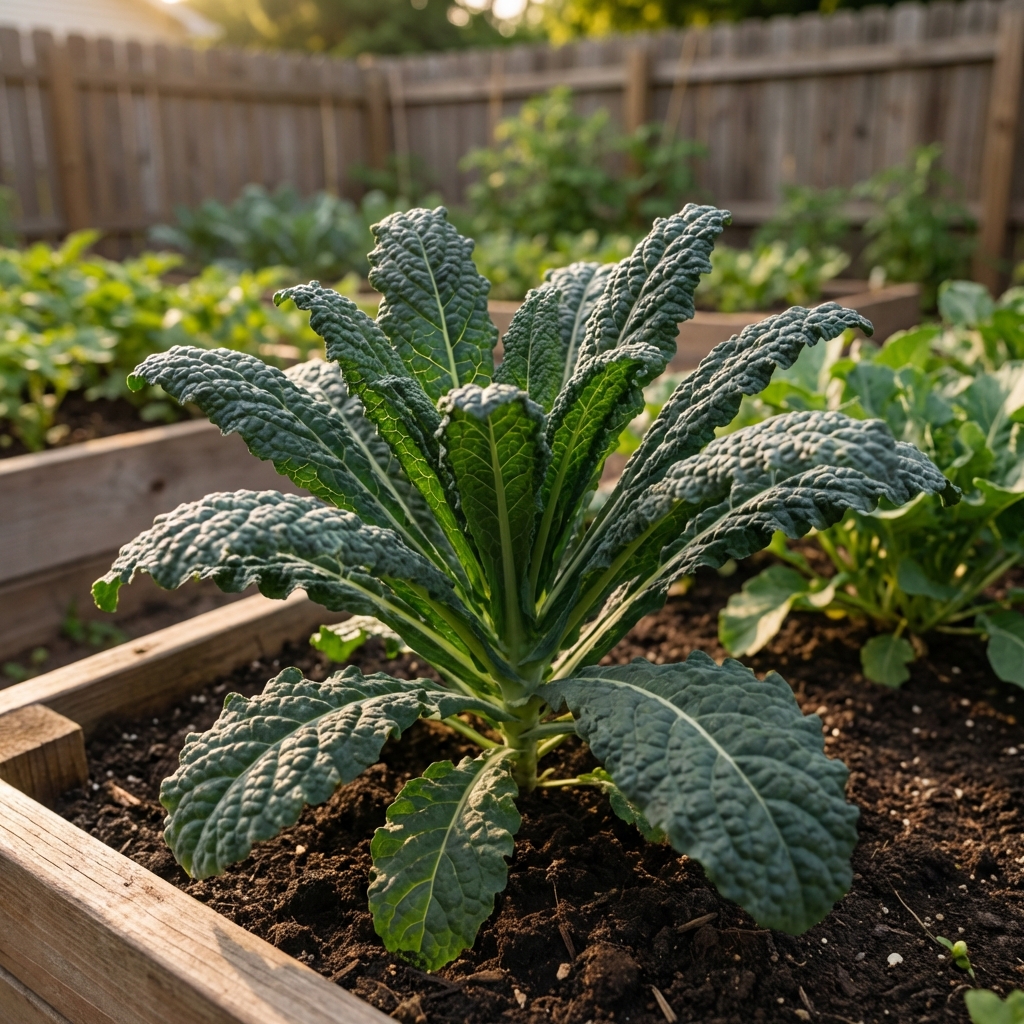
7) Kale
Kale is tough, productive, and handles cool weather well. It also keeps going when you harvest leaves regularly.
- How to plant: direct sow or transplant in spring or late summer for fall.
- Harvest: pick older outer leaves first.
- Common issue: holes from cabbage worms. Use row cover early, hand-pick caterpillars, and check undersides of leaves.
- Easy variety: ‘Lacinato’ (dinosaur kale) is hardy and delicious.
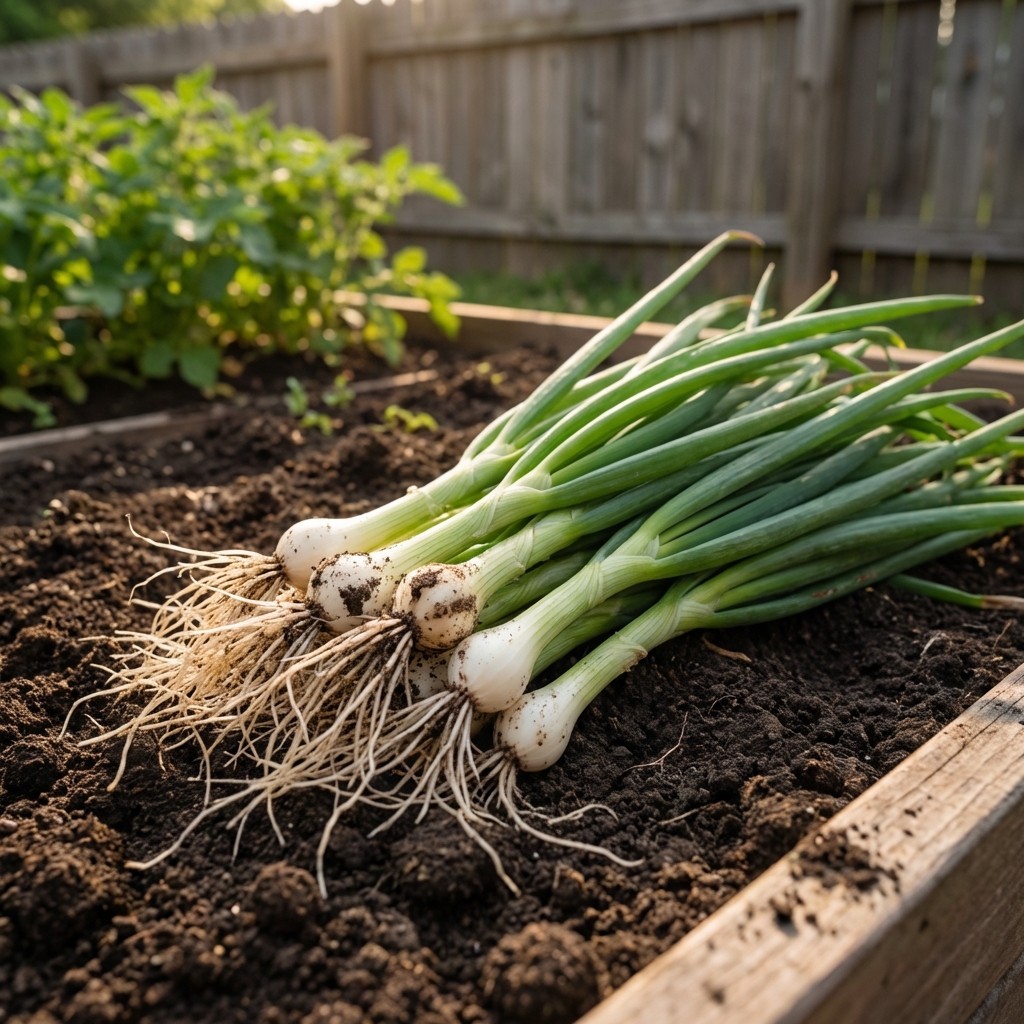
8) Green onions (scallions)
Scallions are simple, fast, and great for small spaces. They are also a good filler crop between slower-growing vegetables.
- How to plant: direct sow in clumps or rows.
- Containers: works well in pots at least 6 inches deep.
- Harvest: pull as needed once they reach pencil thickness.
- Common issue: slow growth in poor soil. Add compost and keep moisture steady.
- Easy variety: ‘Evergreen Hardy White’ is a reliable choice.
Easy planting combos
If you are staring at a small bed and wondering what to put where, these simple combos are hard to mess up.
Cool-season starter bed
- Leaf lettuce in the center
- Radishes along the edges
- Green onions in gaps
Warm-season high producer bed
- 1 cherry tomato with a cage (place it where it will not shade everything, often the north side in the Northern Hemisphere)
- 2 to 3 bush bean plants in front or to the side, with space for airflow
- 1 cucumber on a trellis at the back edge
One plant, big payoff
- 1 zucchini in a dedicated corner of a bed
- Radishes or lettuce early in the season before zucchini fills in
Beginner mistakes
Planting too early
Warm-season vegetables stall in cold soil. If seedlings just sit there, wait for warmer nights and focus on soil warmth, not just daytime highs.
Overcrowding
It is tempting to keep every seedling, but crowding leads to smaller harvests and more disease. Thin plants early and think of spacing as room for air.
Watering a little every day
Shallow watering creates shallow roots. Water deeply, then let the surface dry slightly. Add mulch to slow evaporation.
Skipping harvest
Many vegetables produce more when you pick often. Beans, cucumbers, and zucchini especially reward frequent harvesting.
Quick checklist
- Compost (or a quality raised bed mix if starting fresh)
- Mulch (straw, shredded leaves, or untreated grass clippings)
- Basic trellis or stakes for cucumbers and tomatoes
- Row cover fabric for early pest protection on kale and other brassicas
- A simple watering can or hose wand that makes deep watering easier
What to plant first
If you want the simplest path, start with radishes and lettuce in cool weather, then add bush beans and a cucumber once nights warm up. If you have room for one big producer, add one zucchini. Those crops alone can take you from I hope this works to consistent harvests in one season.
As you grow, keep notes on what did well in your yard. Your microclimate, your sun, and your soil are the real teachers, and easy vegetables help you learn without constant setbacks.

Jose Brito
I’m Jose Britto, the writer behind The Country Store Farm Website. I share practical, down-to-earth gardening advice for home growers—whether you’re starting your first raised bed, troubleshooting pests, improving soil, or figuring out what to plant next. My focus is simple: clear tips you can actually use, realistic expectations, and methods that work in real backyards (not just in perfect conditions). If you like straightforward guidance and learning as you go, you’re in the right place.