Indoor plants make a home feel calmer, brighter, and more alive. Cats also love them, sometimes a little too much. The goal here is not perfection. It is choosing truly cat-friendly plants and caring for them in an eco-friendly way that fits real life.
Below you will find reliable cat-safe plant ideas (with a note on where that info comes from), low-waste potting and watering tips, and practical ways to keep curious paws from turning your living room into a digging site.
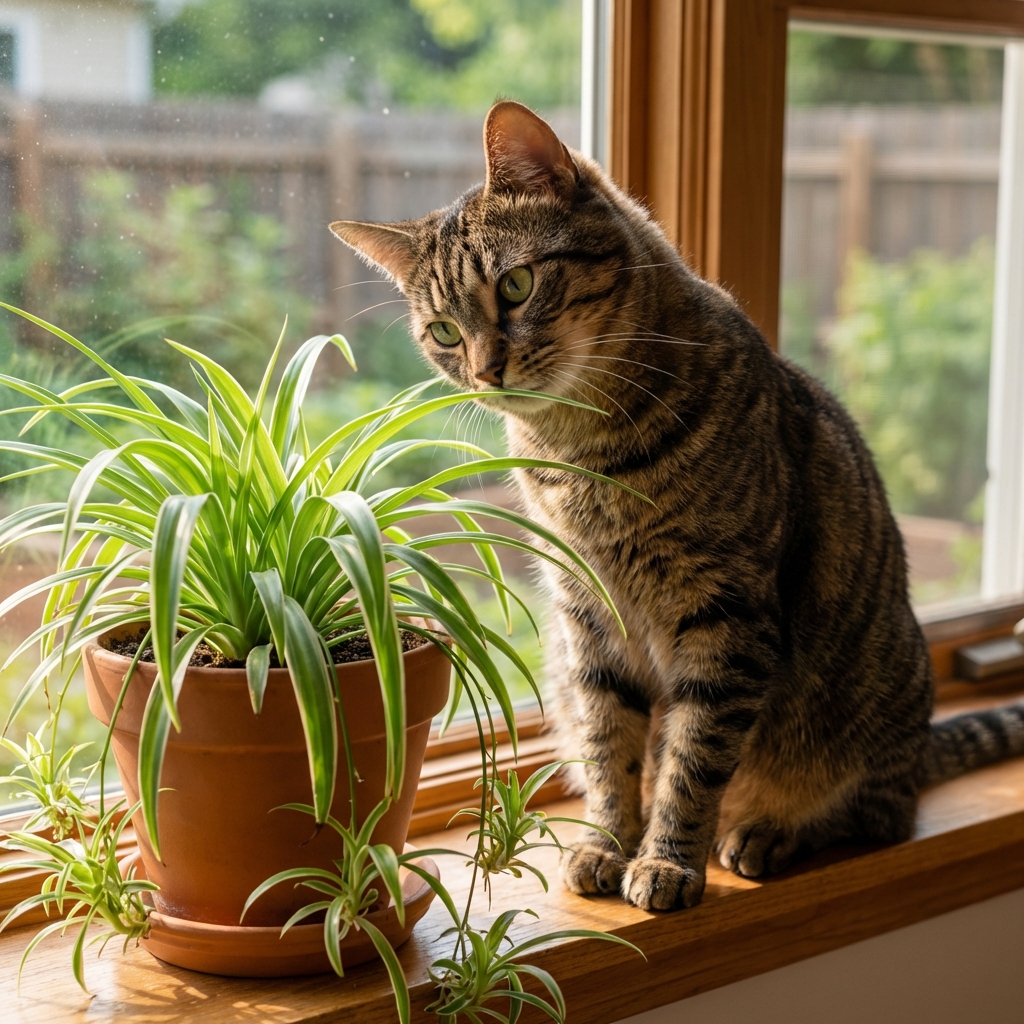
What “cat-friendly” really means
When people say “pet-friendly,” they usually mean the plant is non-toxic to cats. That does not mean your cat should eat it, just that a nibble is unlikely to cause serious poisoning.
Important: “Non-toxic” does not equal “edible.” Many non-toxic plants can still cause vomiting, diarrhea, or drooling if a cat chews a lot. And every cat is different. If you suspect your cat has eaten a plant and is acting “off,” call your vet or a pet poison hotline right away.
Quick safety checklist before you buy
- Verify the exact plant name (common names get messy). Snap a photo of the tag and keep it.
- Check a trusted toxicity list (the ASPCA toxic and non-toxic plant list is a common reference in the US).
- Avoid pesticides on the plant, especially systemic insecticides that stay in the leaves.
- Assume seedlings and cuttings are chewable. Young growth is tender and tempting.
Best eco-friendly, cat-safe indoor plants
These options are popular because they are generally easygoing, adaptable to homes, and commonly listed as non-toxic to cats (for example, on the ASPCA plant list). You still want to discourage chewing, but these are solid starting points.
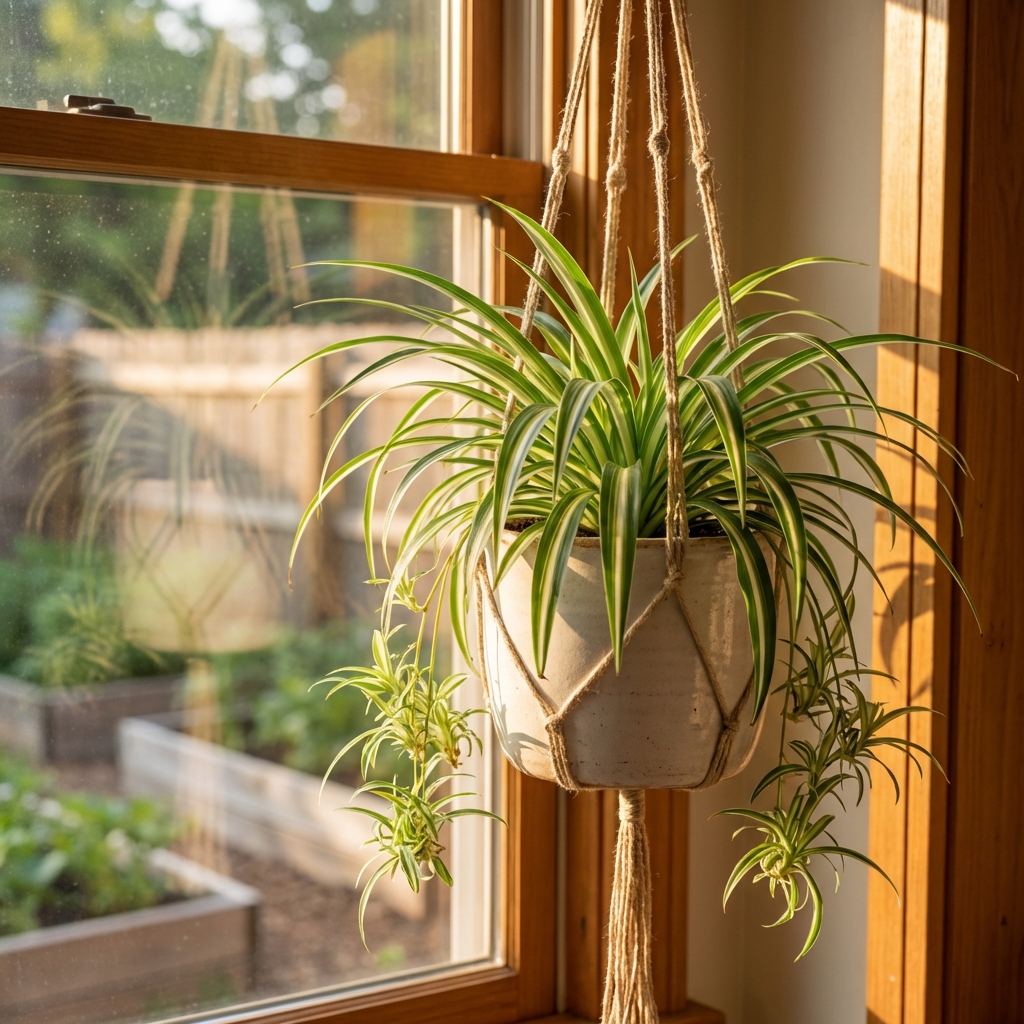
Spider plant (Chlorophytum comosum)
Spider plants handle a lot: inconsistent watering, average indoor humidity, and different light levels. Cats often find them irresistible, and chewing can still cause mild stomach upset (like vomiting).
- Light: Bright, indirect is best, tolerates medium.
- Water: When the top 1 to 2 inches of soil feels dry.
- Eco tip: Propagate “babies” in water jars you already own instead of buying new plants.
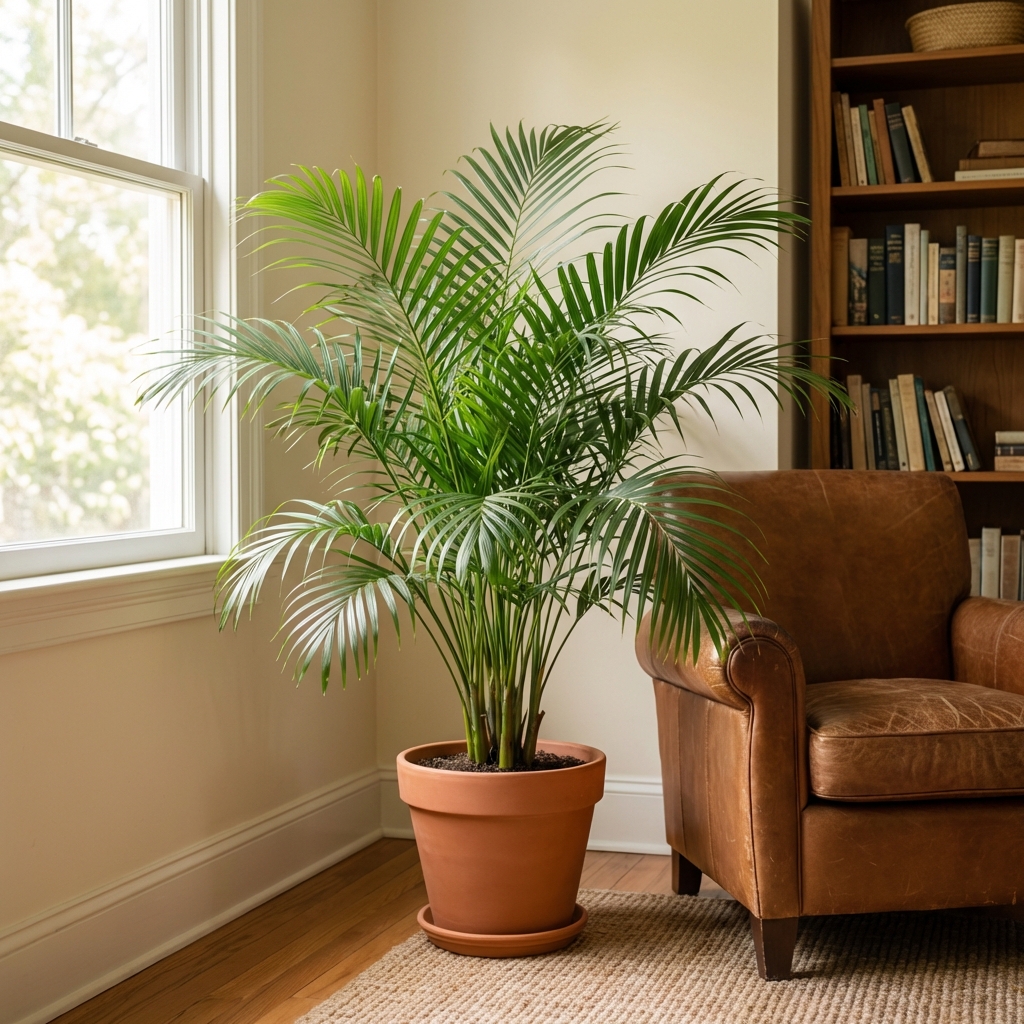
Parlor palm (Chamaedorea elegans)
A classic, cat-safe palm that stays manageable indoors. It likes steadier moisture than succulents but is not fussy if you miss a watering by a day.
- Light: Medium to bright, indirect.
- Water: Keep lightly moist, not soggy. Let the top inch dry.
- Eco tip: Use a saucer and bottom-water. This can help keep the topsoil drier, which may reduce fungus gnat issues.
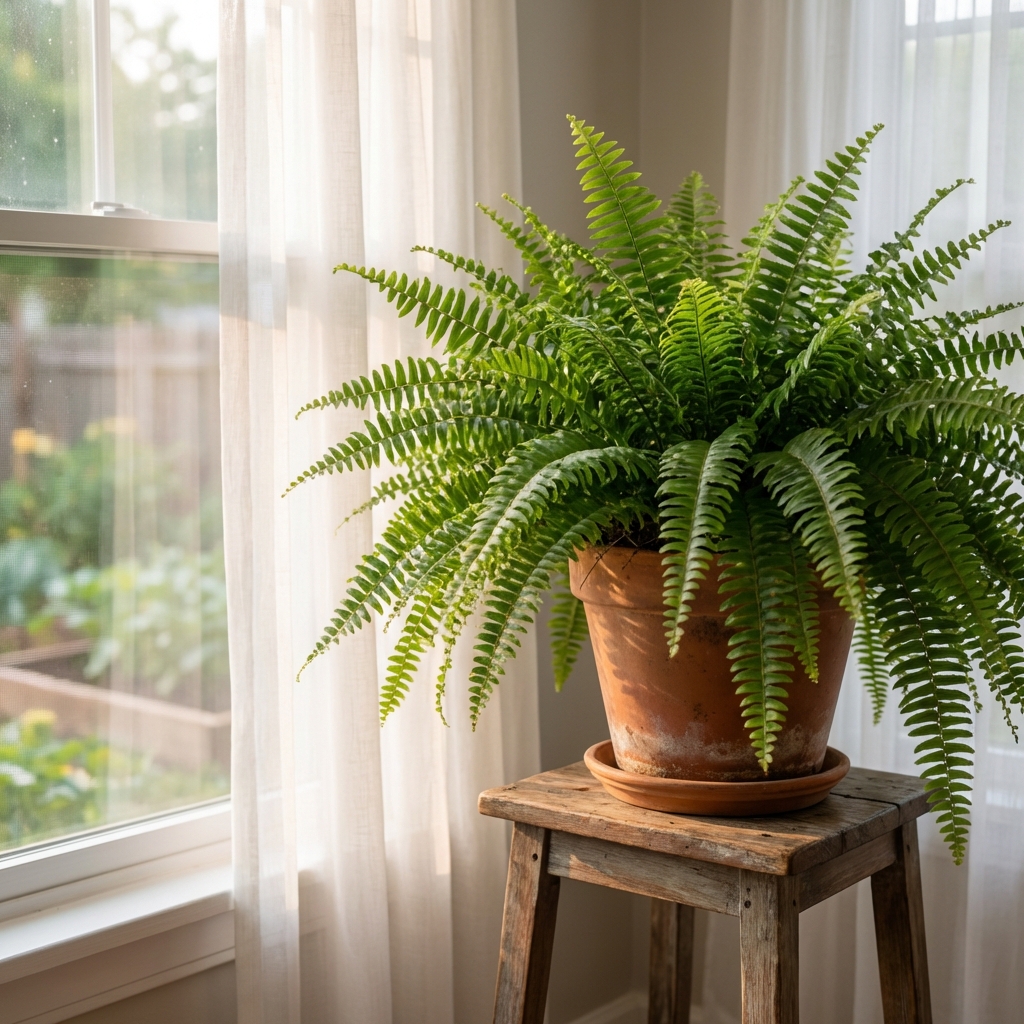
Boston fern (Nephrolepis exaltata)
Ferns are safe for cats and great for people who like a fuller, lush look. The tradeoff is they want higher humidity and more consistent watering.
- Light: Bright, indirect to medium.
- Water: Even moisture. Do not let it fully dry out.
- Eco tip: A pebble tray can add a small, local humidity boost right around the plant. It will not replace a humidifier in a very dry home, but it is a low-energy option to try first.
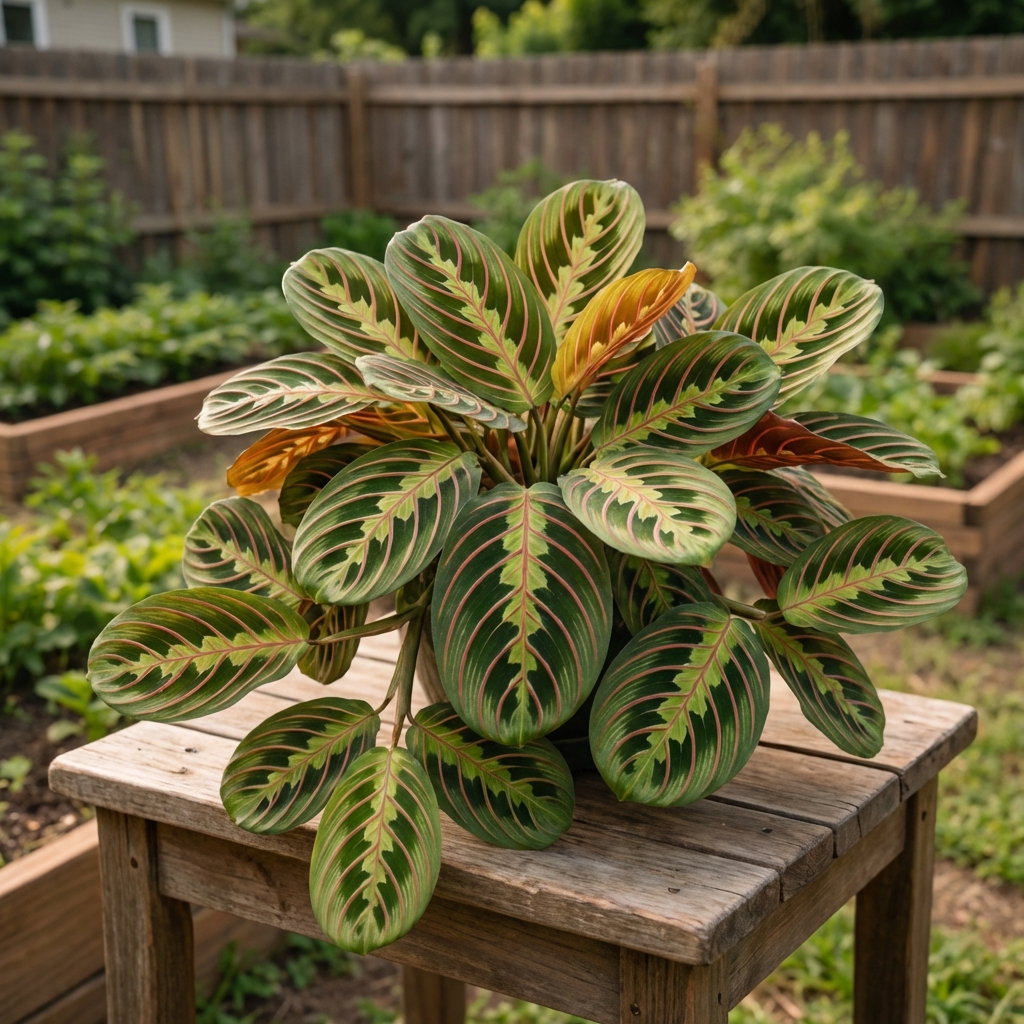
Calathea and prayer plants (Calathea, Maranta)
These are known for patterned leaves and “movement” at night. They are also known for being a little dramatic about water quality and humidity. If you can give them steady conditions, they are worth it.
- Light: Medium to bright, indirect.
- Water: When the top 1 inch is dry. Sensitive to hard water in some homes.
- Eco tip: If you want to reuse water, collect cool-down shower water in a clean bucket. If your local utility uses chloramine (not just chlorine), letting it sit may not reduce it much, so check your water report or use filtered water if your plant is picky.
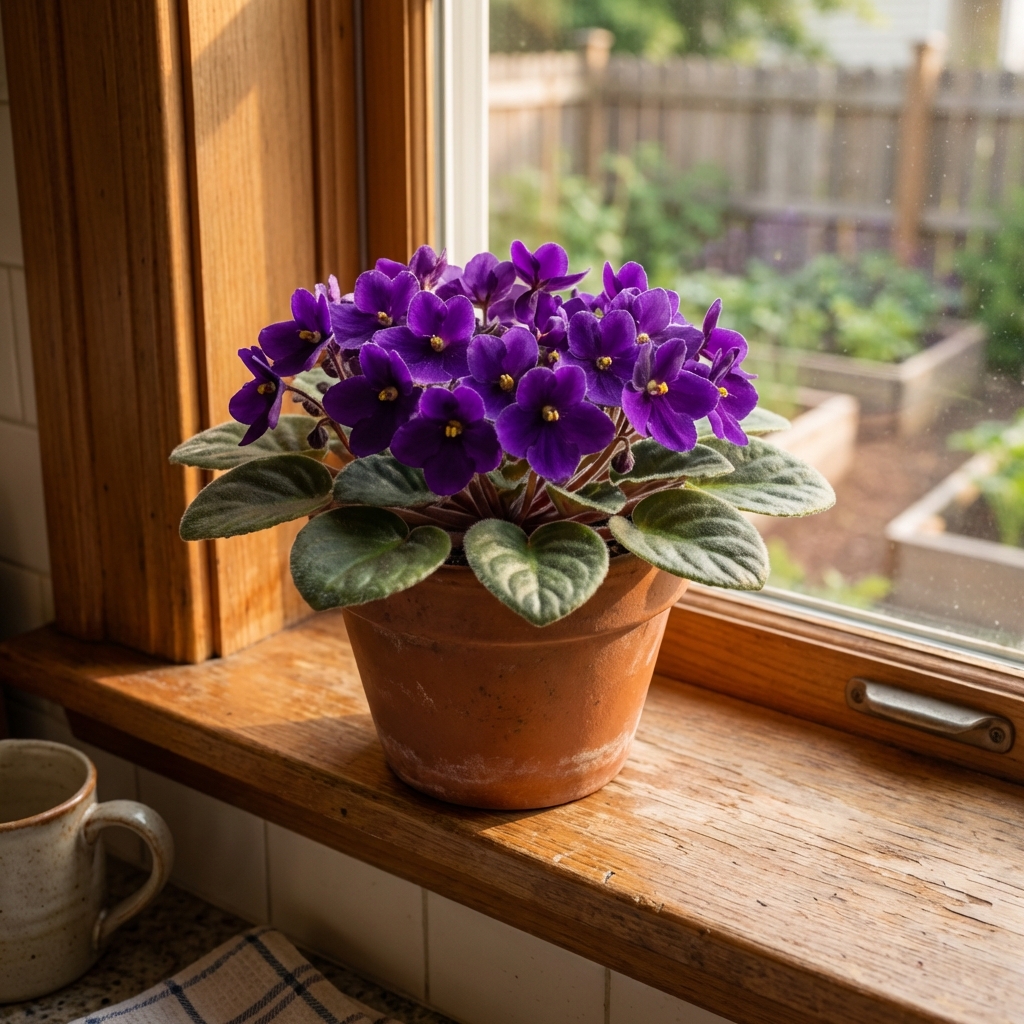
African violet (Saintpaulia)
If you want flowers indoors without cat toxicity worries, African violets are a friendly pick. They like stable warmth and careful watering.
- Light: Bright, indirect or an east window.
- Water: Water the soil, avoid wetting the leaves. Bottom-watering works well.
- Eco tip: Repot into reused nursery pots and refresh soil with compost and coconut coir (skip peat when you can).
Plants to avoid with cats
If you want a fast “nope” list, start here. These are common houseplants that are known to be risky for cats.
- Lilies (many true lilies are an emergency for cats, even small exposures).
- Pothos and philodendron (can irritate the mouth and stomach).
- Sago palm (highly toxic).
- Peace lily (not a true lily, but still irritating and unsafe to chew).
When in doubt, look up the exact plant name on a trusted list (ASPCA is a common starting point) and ask your vet if you are unsure.
Eco-friendly potting and soil choices that actually help
A lot of “plant problems” are really soil and pot problems. If you want healthier plants with less waste, focus on what is under the leaves.
Choose peat-free, low-impact mixes when possible
Peat moss is common in potting soil, but peatlands are important ecosystems. Look for mixes labeled peat-free or that use alternatives like coconut coir, compost, and bark fines.
Use the right pot, not the fanciest pot
- Drainage holes matter. Most indoor plants fail from soggy roots, not thirst.
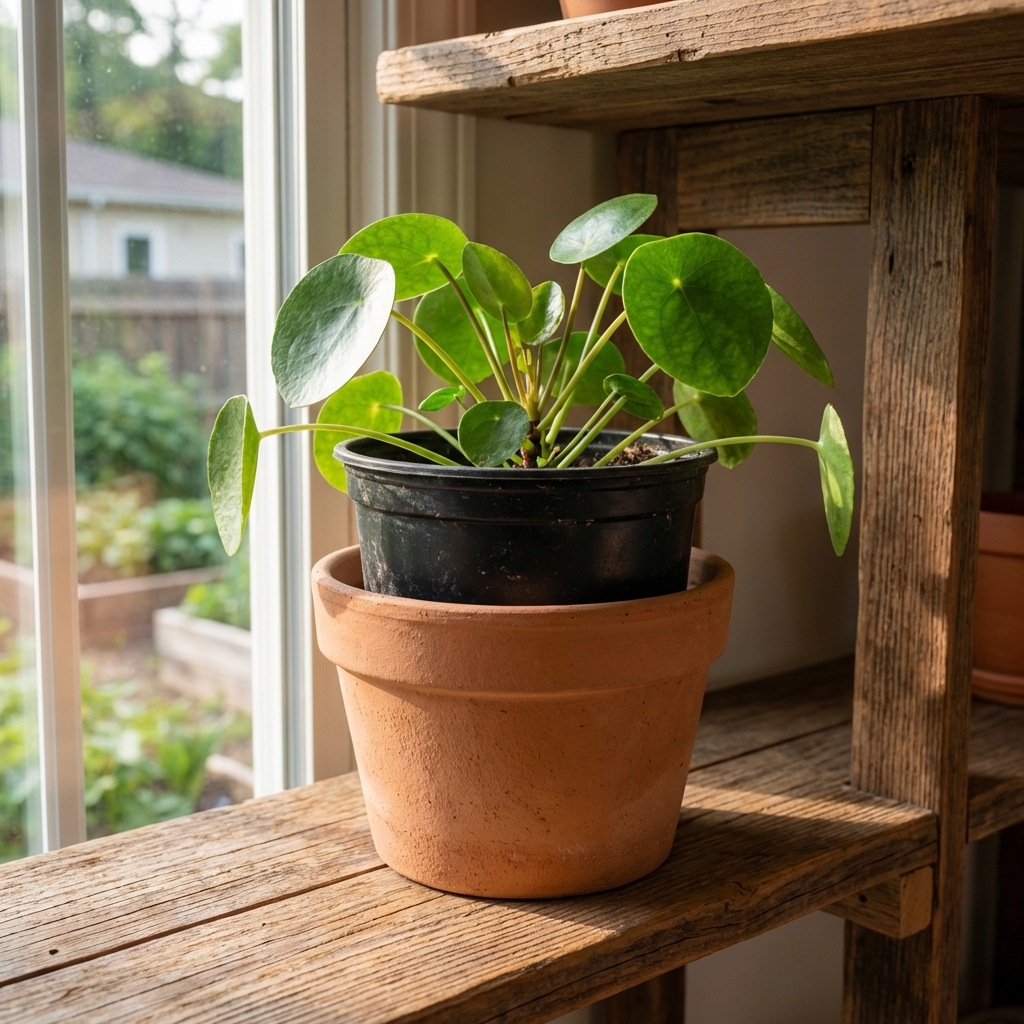
- Terracotta is breathable and can reduce overwatering, but dries faster.
- Reuse what you have. Nursery pots inside a decorative cachepot are practical and low-waste.
Simple, greener soil upgrades
- Add perlite or pumice to improve drainage for most houseplants.
- Top-dress with a thin layer of finished compost once or twice a year instead of constant fertilizing. Keep it thin, use truly finished compost, and watch for fungus gnats in humid homes.
- Skip decorative moss top layers if your cat likes to chew or dig. They can become a mess fast.
Cat-proofing without turning your home into a fortress
If your cat is a plant-nibbler, you can still keep plants. You just need smart placement and a little behavior management.
Placement that works
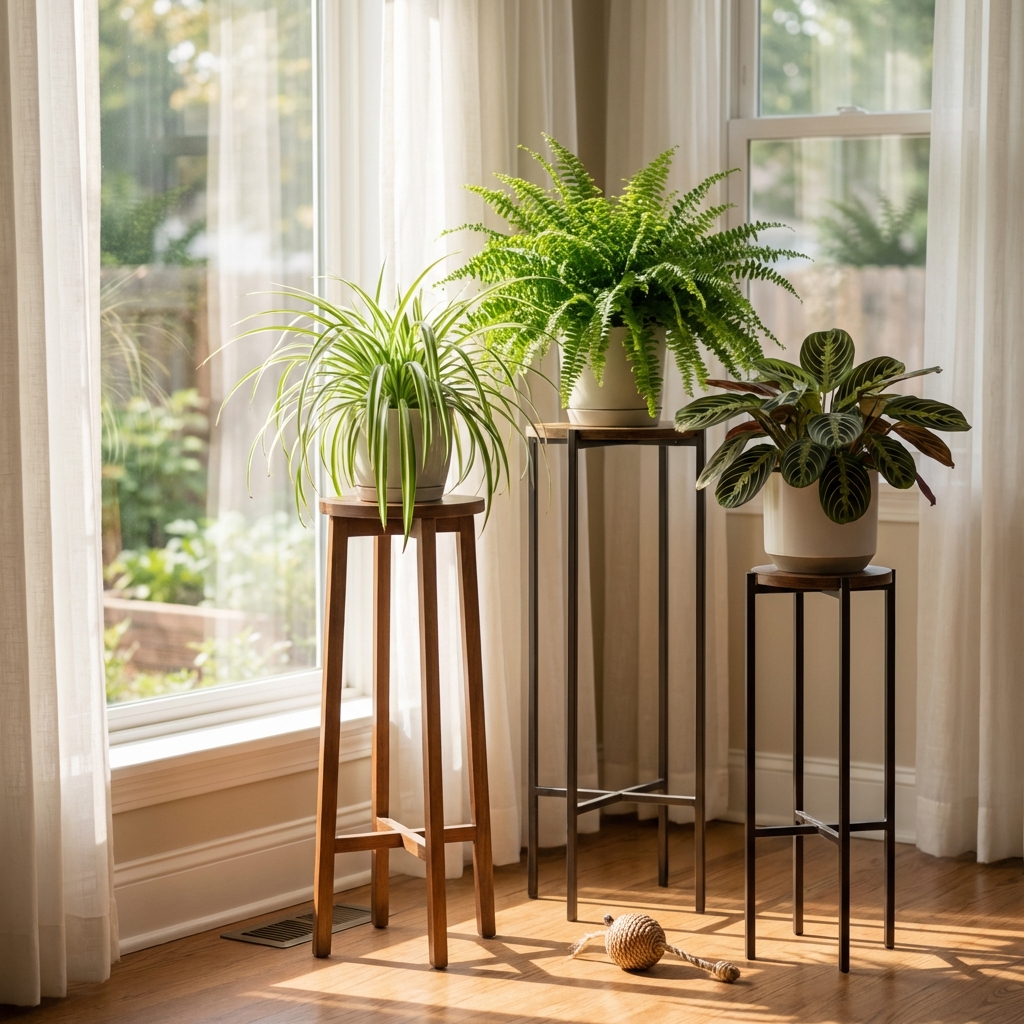
- Go vertical: wall shelves, tall plant stands, hanging baskets.
- Create a plant zone: group plants on one bright surface that is harder for your cat to access.
- Use weight: heavier pots are harder to tip. Add a wider saucer base if needed.
Give your cat a better option
Some cats chew plants because they like the texture or need enrichment. Consider offering a legal snack like cat grass (usually wheat, oat, or barley grass) in an easy-to-clean container.
- Place cat grass near your cat’s favorite hangout spot.
- Refresh it often so it stays tender and appealing.
- Keep it separate from your houseplants so your cat learns the difference.
Skip risky deterrents
Many essential oils are unsafe for cats, and strongly scented sprays can cause respiratory irritation. If you must deter chewing, use physical barriers (placement, screens) over chemical solutions.
Low-waste plant care tips for busy people
Watering: the eco-friendly way is the consistent way
Overwatering wastes water and kills roots. Underwatering stresses plants and invites pests. Aim for a simple rhythm:
- Check soil first with your finger. For most plants, water only when the top 1 to 2 inches feel dry (unless the plant section above says otherwise).
- Water thoroughly until it drains, then empty the saucer after 10 to 15 minutes.
- Use room-temp water. Cold water can shock some tropicals.
Fertilizing without overdoing it
Most indoor plants need less fertilizer than people think, especially in winter.
- Use a diluted liquid fertilizer during active growth (often spring and summer).
- Or top-dress with a small amount of finished compost.
- Avoid “more is better.” Salt buildup in pots is a real problem.
Repot only when the plant earns it
Repotting too often creates waste and can stress the plant. Signs you truly need to size up:
- Roots circling heavily at the bottom
- Water runs straight through the pot
- Plant dries out much faster than it used to
Eco-friendly pest control that is safer around cats
Pests happen. The greener approach is to start with the least intense method and scale up only if needed.
Start with the basics
- Isolate the plant for a couple weeks so pests do not spread.
- Rinse leaves in the sink or shower to knock pests off.
- Wipe leaves with a damp cloth for mealybugs and scale early on.
Safer treatment options
- Insecticidal soap (used as directed) can help with soft-bodied pests. For cats who chew, this is usually the better first option. Keep cats away until leaves are fully dry.
- Neem oil: Neem is plant-based, but “natural” is not the same as “safe.” If a cat chews treated leaves, neem can cause stomach upset. If you use neem, follow label directions, keep your cat completely away while leaves are wet, and consider rinsing and wiping foliage after the treatment window before letting your cat near the plant again.
- Sticky traps for fungus gnats, placed where your cat cannot play with them.
If your cat has a history of chewing leaves, focus on prevention and physical separation during treatment rather than frequent sprays.
Common indoor plant problems and quick fixes
Yellow leaves
- Most common cause: overwatering or poor drainage.
- Fix: Let soil dry more between waterings, confirm drainage holes, consider a chunkier mix.
Brown tips
- Common causes: low humidity, inconsistent watering, salt buildup.
- Fix: Water more evenly, flush the pot monthly with plain water, group plants to raise humidity.
Fungus gnats
- Cause: constantly wet soil.
- Fix: Let the top 2 inches dry, use sticky traps, add a thin top layer of coarse sand or fine gravel if your cat will not dig.
Shopping tips for greener, safer plants
- Buy smaller plants when you can. They adapt better and cost less to transport.
- Inspect before buying: check under leaves and at soil level for pests.
- Ask about pesticide use at the nursery. Avoid plants treated with systemic insecticides if your cat chews.
- Swap cuttings locally to reduce packaging and find tried-and-true houseplants.

A simple starter setup
If you want a low-stress, cat-friendly indoor plant lineup, start with:
- Spider plant in a hanging pot
- Parlor palm in a floor pot with good drainage
- African violet on a bright windowsill
- Cat grass in your cat’s favorite area
That mix gives you variety, keeps care manageable, and greatly lowers the risk of a plant emergency if your cat gets curious.
Light by window direction
- North: usually lower, softer light. Choose plants that tolerate medium to low light, and expect slower growth.
- East: gentle morning sun. Great for many flowering and “bright indirect” plants.
- South: brightest light. Use a few feet back from the glass or a sheer curtain for plants that scorch.
- West: strong afternoon sun. Watch for leaf burn, especially in summer.
Final thoughts
Eco-friendly, cat-friendly indoor plants are absolutely doable. Pick non-toxic plants (double-checking the exact species on a trusted list like the ASPCA), set them up with solid drainage and peat-free soil when possible, and keep your routine simple. The biggest “secret” is consistency, not fancy products.
If you want extra peace of mind, keep your vet’s number handy, and save a pet poison hotline contact where you can find it quickly. For cats, suspected lily exposure is an urgent emergency.

Jose Brito
I’m Jose Britto, the writer behind The Country Store Farm Website. I share practical, down-to-earth gardening advice for home growers—whether you’re starting your first raised bed, troubleshooting pests, improving soil, or figuring out what to plant next. My focus is simple: clear tips you can actually use, realistic expectations, and methods that work in real backyards (not just in perfect conditions). If you like straightforward guidance and learning as you go, you’re in the right place.