“Bee sting plant” is one of those nicknames that sounds specific but is not. Nurseries and sellers use it for a few different plants, and that is a problem because care, safety, and even whether a plant actually stings can change a lot depending on the species.
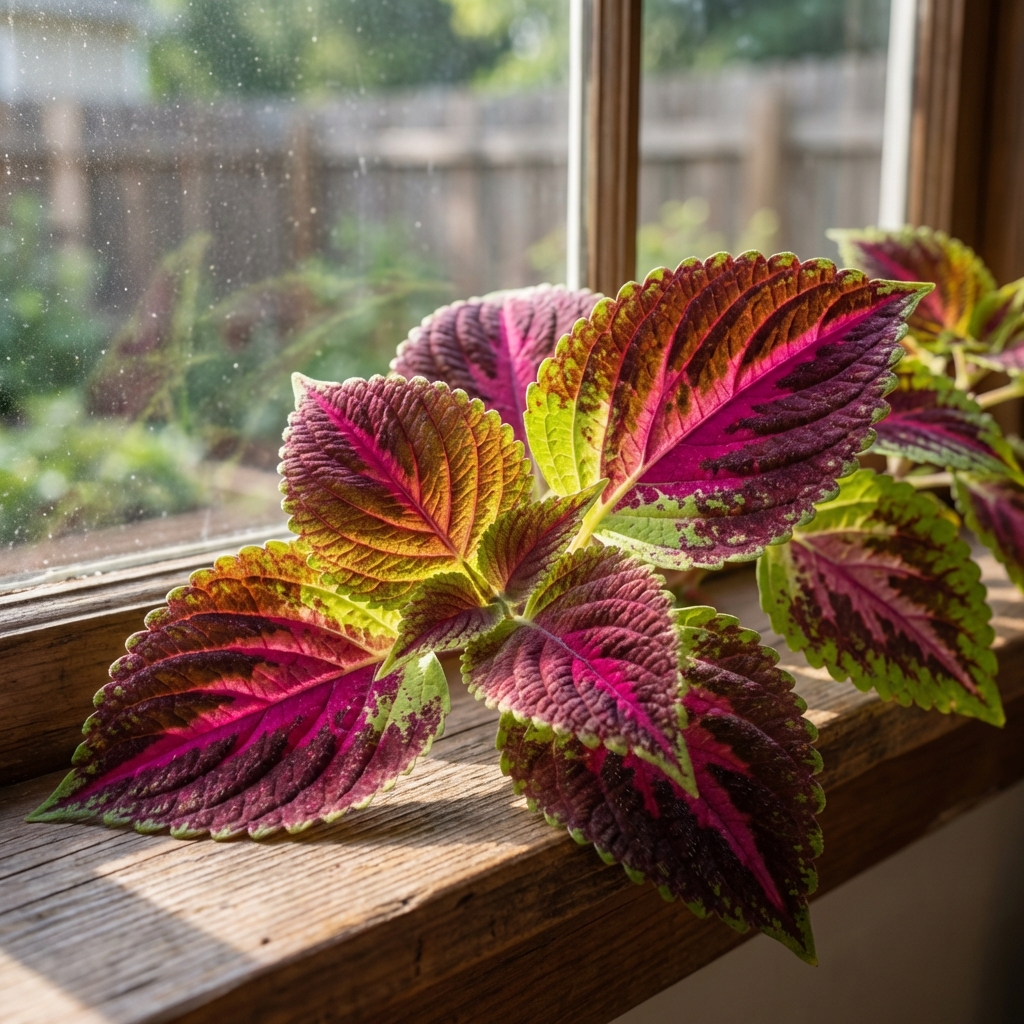
For clarity, this article covers: coleus (Coleus scutellarioides), which is often sold as Plectranthus scutellarioides depending on the source and label. In the houseplant trade it is also sometimes called painted nettle. It fits the care profile people expect from many “bee sting plant” listings: bold foliage, easy growth indoors, and simple propagation.
Important correction: coleus does not have stinging hairs like true nettles. If your plant causes a sharp sting on contact, you are likely dealing with a different species and you should not rely on the care or safety notes below until you confirm an ID.
Quick ID check
Use this as a fast reality check before you follow any care advice.
- Coleus (this article): soft leaves, vivid colors, square stems (a mint-family trait), no true sting on contact, commonly sold as a houseplant.
- True stinging nettle: Urtica dioica (family Urticaceae), green leaves with stinging hairs, painful contact reaction, usually an outdoor plant or herb.
If you can, verify the label or ask the seller for the Latin name. It is the simplest way to avoid mix-ups.
Safety and pets
Even when a plant is not a “stinger,” it can still cause issues for sensitive skin or curious pets.
- Skin: coleus does not sting, but the sap may irritate sensitive skin. If you are prone to irritation, wear reusable gloves for pruning and wash up afterward.
- Pets and kids: coleus is commonly reported as problematic for cats and dogs if chewed or eaten. It can cause drooling, vomiting, or stomach upset. If you want the most reliable guidance for your home, cross-check your plant with a trusted pet-toxicity database (for example, the ASPCA list) and keep it out of reach either way.
Low-waste tip: choose one durable pair of washable gloves instead of disposable ones, and use hand pruners you can sharpen rather than replace.
Light
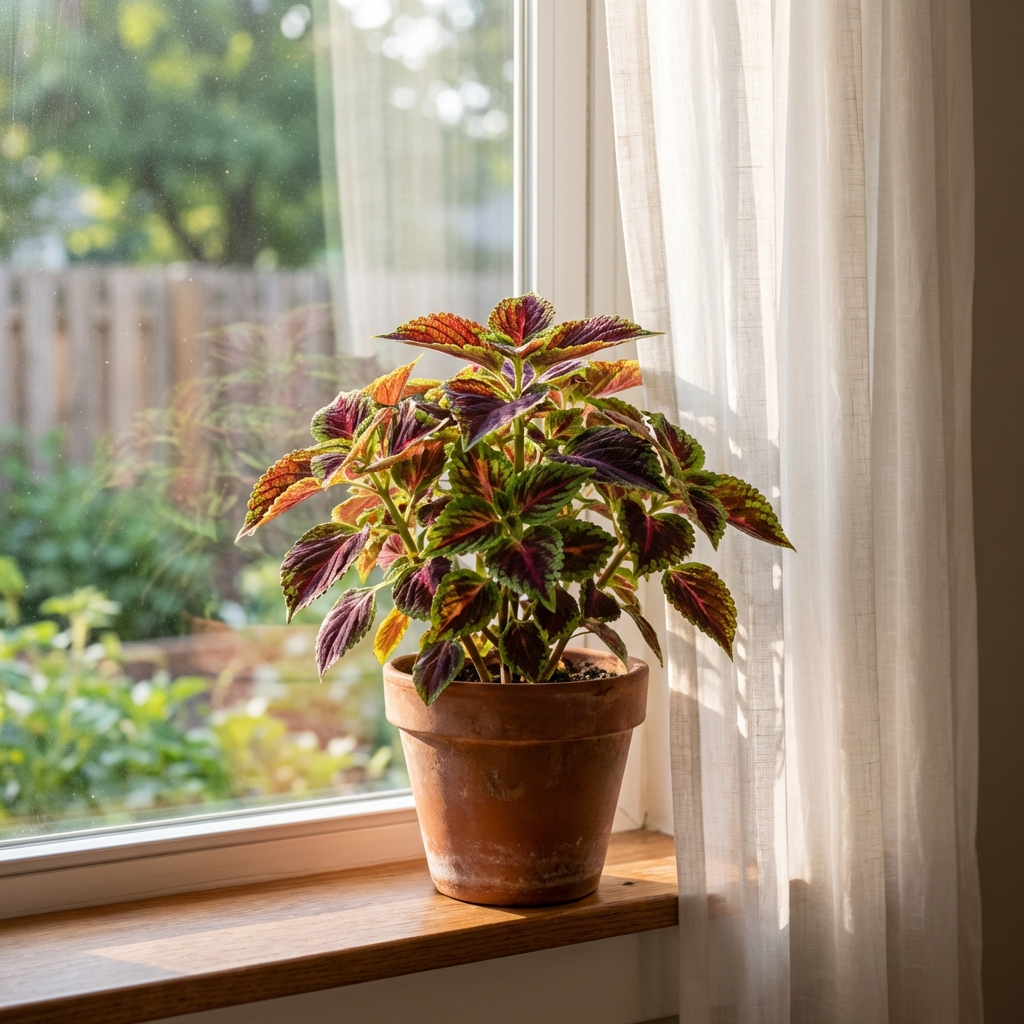
Coleus keeps its best color in bright, indirect light. Too little light makes it stretch and fade. Too much hot sun can scorch.
- Best window: east-facing is often ideal. South or west can work with a sheer curtain.
- Rotate weekly: a quarter turn helps it grow evenly.
- Cultivar note: brighter, more variegated types usually want more light to hold their pattern. Darker cultivars can tolerate slightly lower light, but still do best bright.
- Winter adjustment: move slightly closer to the window when days are short.
Watering
Coleus likes evenly moist soil but not soggy conditions. The most eco-friendly approach is also the most effective: water based on the soil, not the calendar.
How to water
- Check the top 1 inch of soil. If it is dry, water. If it is still damp, wait.
- Water slowly until you see a little runoff, then empty the saucer.
- Use room-temperature water to reduce stress.
Lower-waste water options
- Rainwater: great if you can collect it cleanly.
- Tap water tweaks: letting water sit out overnight can reduce chlorine, but it does not remove chloramine (used by many municipalities). If your plant shows consistent tip burn and your water is hard or treated with chloramine, consider filtered water, mixing in some rainwater, or using a conditioner designed for chloramine.
Common sign of overwatering: yellowing leaves, soft stems, or a musty smell from the pot.
Soil and pots
For coleus, drainage matters. Dense, water-holding soil is the fastest route to root trouble.
A simple, eco-conscious mix
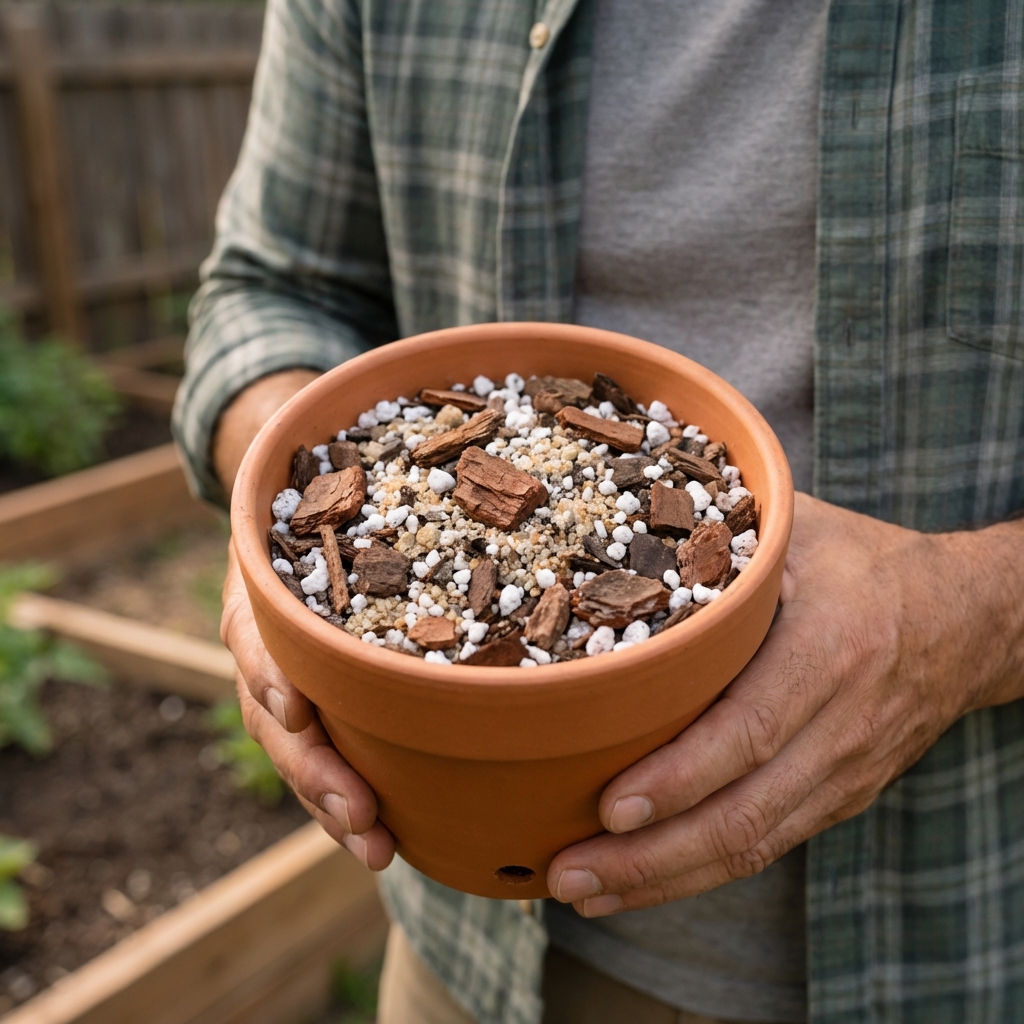
- 2 parts peat-free potting mix (look for coir-based blends)
- 1 part perlite or pumice for airflow
- Optional: a handful of compost or worm castings for gentle nutrition
Pot choice
- Use a pot with drainage holes. Non-negotiable.
- Terracotta breathes and dries faster. Plastic holds moisture longer. Either works if you adjust watering.
- Low-waste tip: reuse nursery pots inside a cachepot, but never let water pool in the outer pot.
Temperature and humidity
Coleus prefers warm, steady indoor conditions.
- Ideal temperature: 65 to 80°F (18 to 27°C)
- Avoid: cold drafts, heat vents blasting directly on the plant, and sudden temperature drops
- Humidity help: a humidifier is the most consistent option. Grouping plants can help a bit. A pebble tray may provide a small, very local boost, but it rarely changes whole-room humidity in a noticeable way.
Skip misting if it leads to spotting or mildew. A humidifier is cleaner and more consistent.
Feeding
Coleus is a foliage plant. It responds well to light feeding during active growth, usually spring through early fall.
- Use a diluted organic liquid fertilizer (like fish emulsion or seaweed) every 4 to 6 weeks.
- Or top-dress with a thin layer of worm castings.
- Pause feeding in winter when growth slows.
Use a light hand. Overfertilizing wastes product and can stress roots.
Pruning and shaping
Coleus can get leggy fast, especially indoors. Pinching is the secret to a fuller plant.
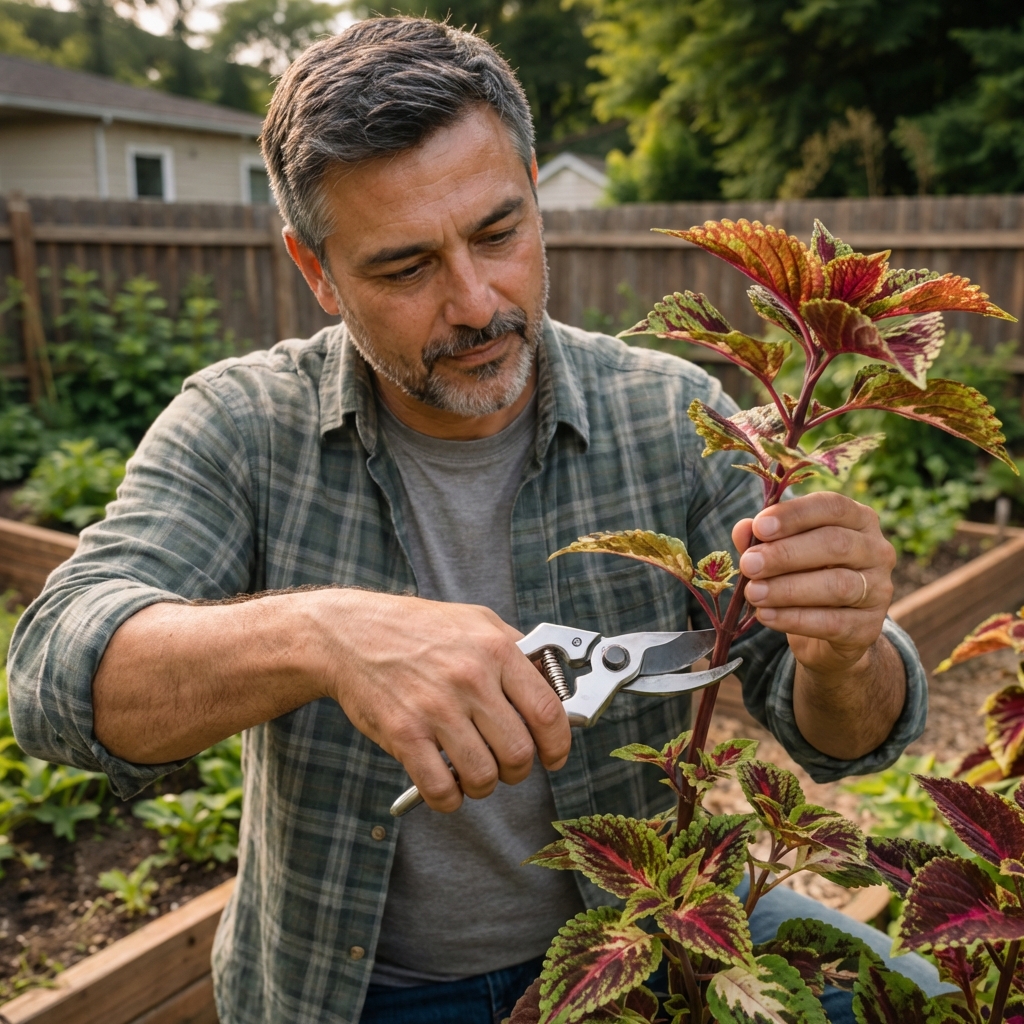
- Pinch tips on new growth to encourage branching.
- Trim long stems back to a leaf node.
- Remove yellow or damaged leaves with clean snips.
Flowers
Coleus can flower indoors, sending up small spikes. If you are growing it for foliage, pinching off flower spikes early usually keeps the plant focused on leafy growth and helps it stay bushier.
Compost tip: coleus trimmings compost well. Chop them up so they break down faster.
Propagation
Coleus is one of the easiest houseplants to propagate. It is also a genuinely low-waste way to make a plant bushier or share cuttings.
Stem cutting method
- Cut a healthy stem 3 to 5 inches long, just below a node.
- Remove the lowest leaves.
- Root in water or directly in moist potting mix.
- Keep warm with bright, indirect light.
If rooting in water, change the water every few days. When roots are 1 to 2 inches long, pot it up.
Eco-friendly pest control
Most pest problems show up when the plant is stressed. Fix light and watering first, then treat pests if you still see them.
Common pests
- Spider mites: fine webbing, stippled leaves, worse in dry air
- Aphids: clusters on new growth
- Mealybugs: white cottony spots in leaf joints
Low-tox solutions
- Rinse and wipe: a firm shower spray or wiping leaves with a damp cloth removes many pests.
- Insecticidal soap: spray undersides of leaves and repeat every 5 to 7 days for 2 to 3 rounds.
- Neem oil: useful, but use sparingly, follow label directions, and test on one leaf first.
Skip broad-spectrum pesticides indoors. They are overkill and do not belong in a low-impact routine.
Troubleshooting
- Leaves drooping: often underwatering. Check soil moisture first, then adjust.
- Yellow leaves: commonly overwatering or poor drainage. Let soil dry slightly more and confirm the pot drains freely.
- Brown tips: inconsistent watering, low humidity, or mineral buildup. If you suspect buildup, flush the pot monthly with plain water and reassess your water source.
- Leggy growth: not enough light. Move to brighter indirect light and pinch back tips.
- Mold on soil: too wet and not enough airflow. Remove the top layer, improve ventilation, and adjust watering.
Repotting
Repot every 1 to 2 years, or when you see roots circling the bottom and water runs through too fast.
- Choose a pot only 1 to 2 inches wider than the current one.
- Refresh with a chunky, peat-free mix.
- Water lightly after repotting, then let it settle.
Low-waste tip: reuse pots when possible. A scrub with hot soapy water is usually enough.
Bottom line
If your “bee sting plant” is actually coleus (Coleus scutellarioides, often sold under Plectranthus), the recipe is simple: bright indirect light, evenly moist soil with good drainage, warm temps, and regular pinching to keep it full. Keep it out of reach of pets that like to chew, and you can grow it well without harsh chemicals or a shelf of products.

Jose Brito
I’m Jose Britto, the writer behind The Country Store Farm Website. I share practical, down-to-earth gardening advice for home growers—whether you’re starting your first raised bed, troubleshooting pests, improving soil, or figuring out what to plant next. My focus is simple: clear tips you can actually use, realistic expectations, and methods that work in real backyards (not just in perfect conditions). If you like straightforward guidance and learning as you go, you’re in the right place.