Why roaches show up around plants
If you have ever spotted a roach near a houseplant, patio pot, or garden bed, it is usually not because the plant itself “attracts” them. Roaches are opportunists. Plant areas often provide exactly what they need: steady moisture, a little bit of food, and lots of dark hiding places.
One important nuance: not every roach you see near plants is an indoor infestation problem. Many outdoor sightings are from species that live outside (often called wood roaches). They can wander onto patios or even inside by accident, especially at night. German roaches, on the other hand, are primarily indoor breeders and tend to build populations in kitchens, bathrooms, and wall voids.
Eco-friendly roach prevention is mostly about removing moisture, food, and shelter without blasting your garden with harsh sprays.
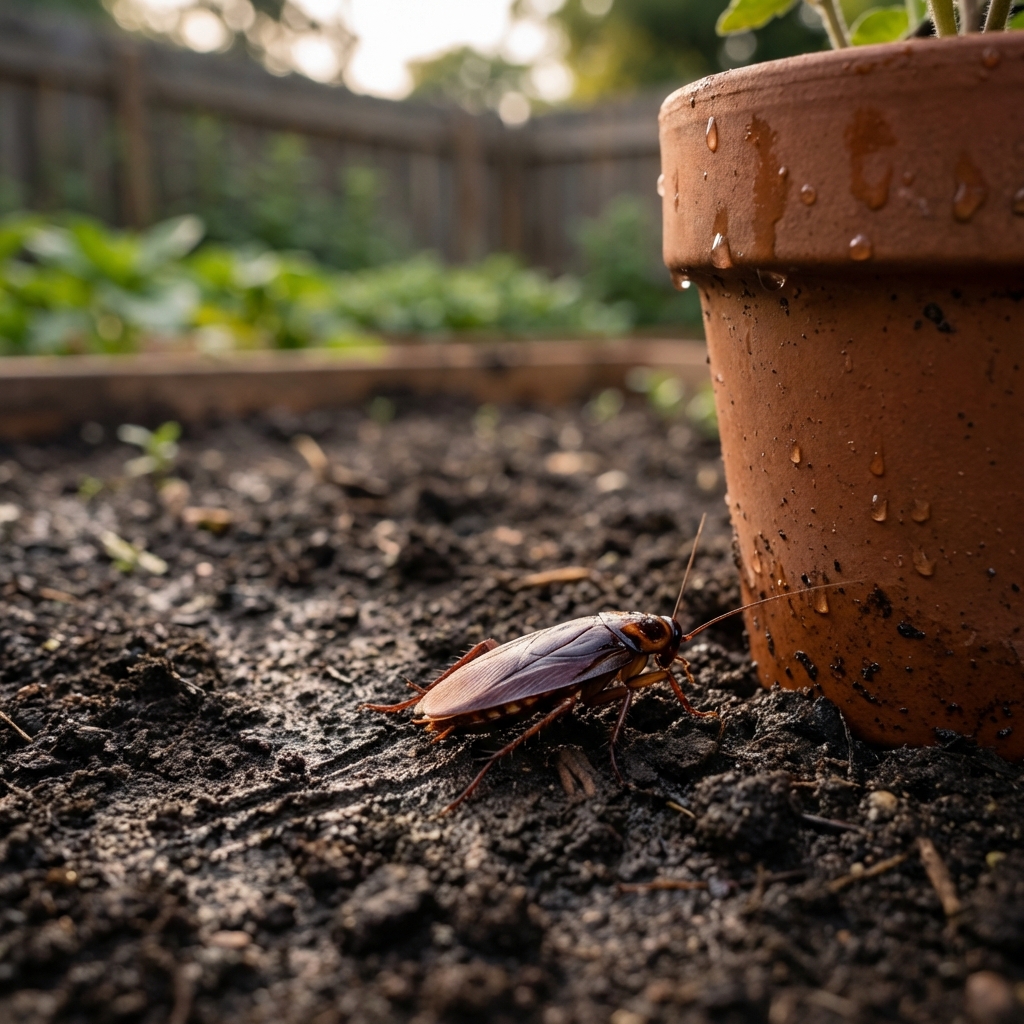
What attracts roaches in plant care (and what to do instead)
1) Overwatering and constantly damp soil
Roaches need moisture to thrive, and damp plant areas can keep them comfortable. The biggest plant-care trigger is soil that stays wet all the time, especially in:
- Pots that are too large for the root ball (extra soil stays wet)
- Pots with clogged drainage holes
- Saucers left full of water under indoor plants
- Shady outdoor pots that never dry on top
Eco-friendly fix:
- Water deeply, then let the top 1 to 2 inches of soil dry before watering again (most common houseplants).
- Empty saucers soon after watering (once the pot has finished draining).
- Use pots with real drainage holes, and do not let them sit in standing water.
- Improve drainage in containers by using a quality potting mix and avoiding heavy garden soil in pots.
2) Decaying organic matter as “free food”
Roaches are scavengers. In plant areas, they feed on decaying leaves, rotting mulch, compost bits, fallen fruit, and sometimes even pet food stored nearby.
Outdoors, a certain amount of decomposition is normal, and you do not want to sterilize your garden. The goal is to avoid concentrated piles of wet rot near doors, foundations, and patios.
Eco-friendly fix:
- Rake up thick mats of wet leaves near the house and move them to a dedicated compost area.
- Pick up fallen fruit or vegetables quickly, especially in warm months.
- Store bagged soil, mulch, and compost off the ground and sealed if possible.
- Do not leave damp cardboard or paper under pots for “weed control” on patios; it becomes a roach motel fast.
3) Mulch used the wrong way
Mulch is great for soil moisture and weed control. But if it is piled too thick, kept constantly wet, or pushed right up against the foundation, it becomes shelter for roaches and other pests.
Eco-friendly fix:
- Keep mulch at about 2 to 3 inches deep in most beds.
- Pull mulch back 6 to 12 inches from the foundation and any exterior doors.
- Fluff compacted mulch so it can dry out on top after rain or watering.
- If roaches are already a problem, consider switching from very fine mulch to chunkier bark that dries faster.
4) Clutter under pots, benches, and planters
Roaches love tight, dark spaces. Plant stands, stacked pots, wood piles, and storage tucked behind planters are perfect hiding spots, especially if the area stays humid.
Eco-friendly fix:
- Lift pots up on pot feet or a stand so air can move underneath.
- Keep a clear strip around the house where you avoid storing pots, boards, and garden supplies.
- Move firewood or lumber stacks away from the home when possible.
5) Outdoor lighting that draws insects (which then feed roaches)
Roaches will eat almost anything, including dead insects. Bright porch lights attract flying insects at night, which can create an easy food source around entry points.
Eco-friendly fix:
- Switch exterior bulbs to warm or amber LEDs (roughly 2200 to 2700K), which tend to attract fewer insects than cool white, blue-rich bulbs.
- Use motion-sensor lighting instead of leaving lights on all night.
- Keep lights a little farther from doors if you can, such as mounted on a post away from the entrance.
6) Fertilizer spills and smelly organic inputs
Most fertilizers are not roach bait, but spills happen. Some organic amendments (like fish emulsion or certain compost teas) can leave odors that draw scavengers if they splash on patios or sit in puddles.
Eco-friendly fix:
- Mix and apply liquid feeds over soil, not hard surfaces.
- Rinse spills right away and do not leave buckets of diluted fertilizer sitting overnight.
- Use only what your plants need. Overfeeding can also support molds, algae, and fungus gnats, which creates more roach-friendly activity around pots and benches.
Houseplants: the sneaky roach attractors indoors
Indoor roaches (especially German roaches) are more about kitchens and bathrooms, but houseplants can keep them comfortable by adding humidity and hiding spots.
If you mostly see roaches outdoors at night, that can be a very different situation than repeated indoor sightings, daytime activity, or signs like droppings and egg cases.
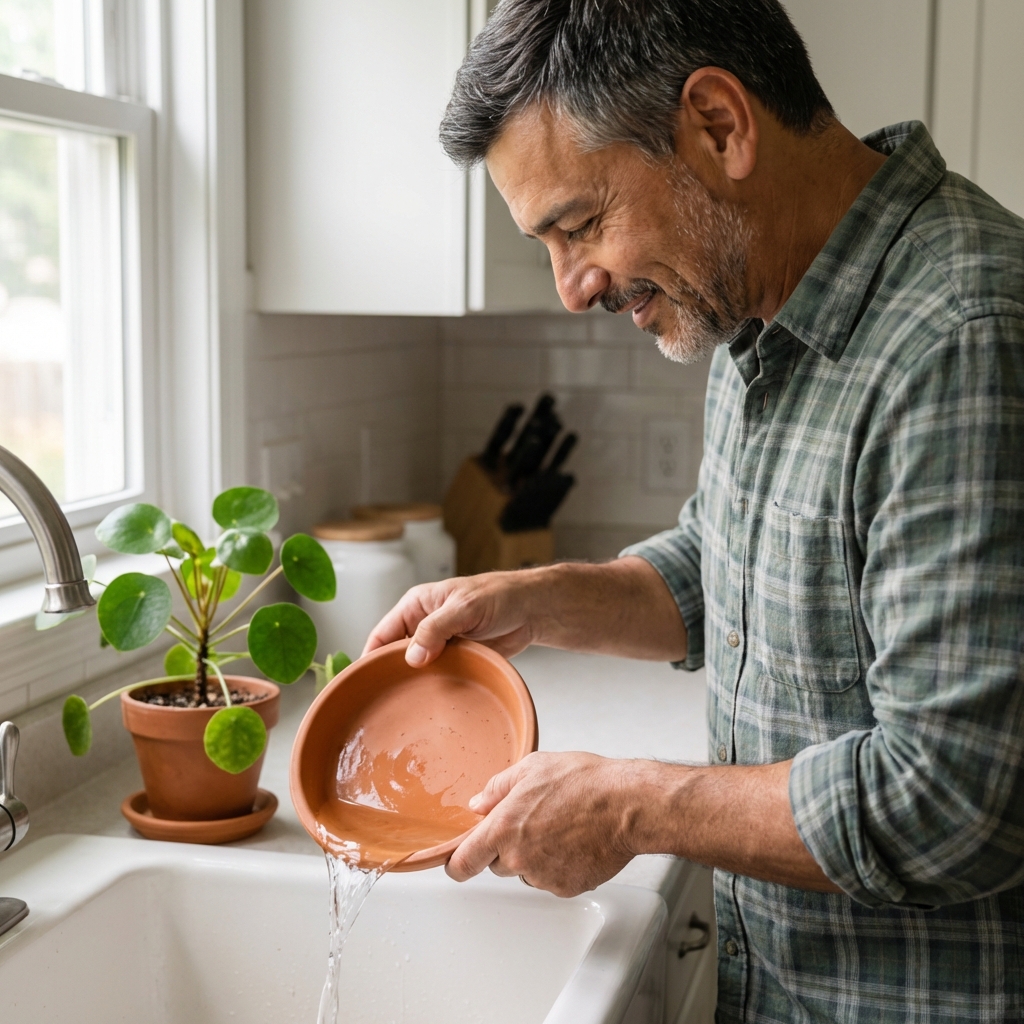
Indoor plant-care checklist
- Do not store water in trays. Always dump runoff.
- Remove dead leaves. Especially in the pot rim and on the soil surface.
- Use a well-draining mix. Chronically soggy soil stays humid and biologically active, which can support molds and algae that attract scavengers.
- Quarantine new plants. Not because roaches commonly arrive in potting soil, but because it helps you catch pests early and keep the area clean.
- Clean under plant stands. Dust, crumbs, and pet kibble often end up there.
Compost and worm bins: keep them, just place them wisely
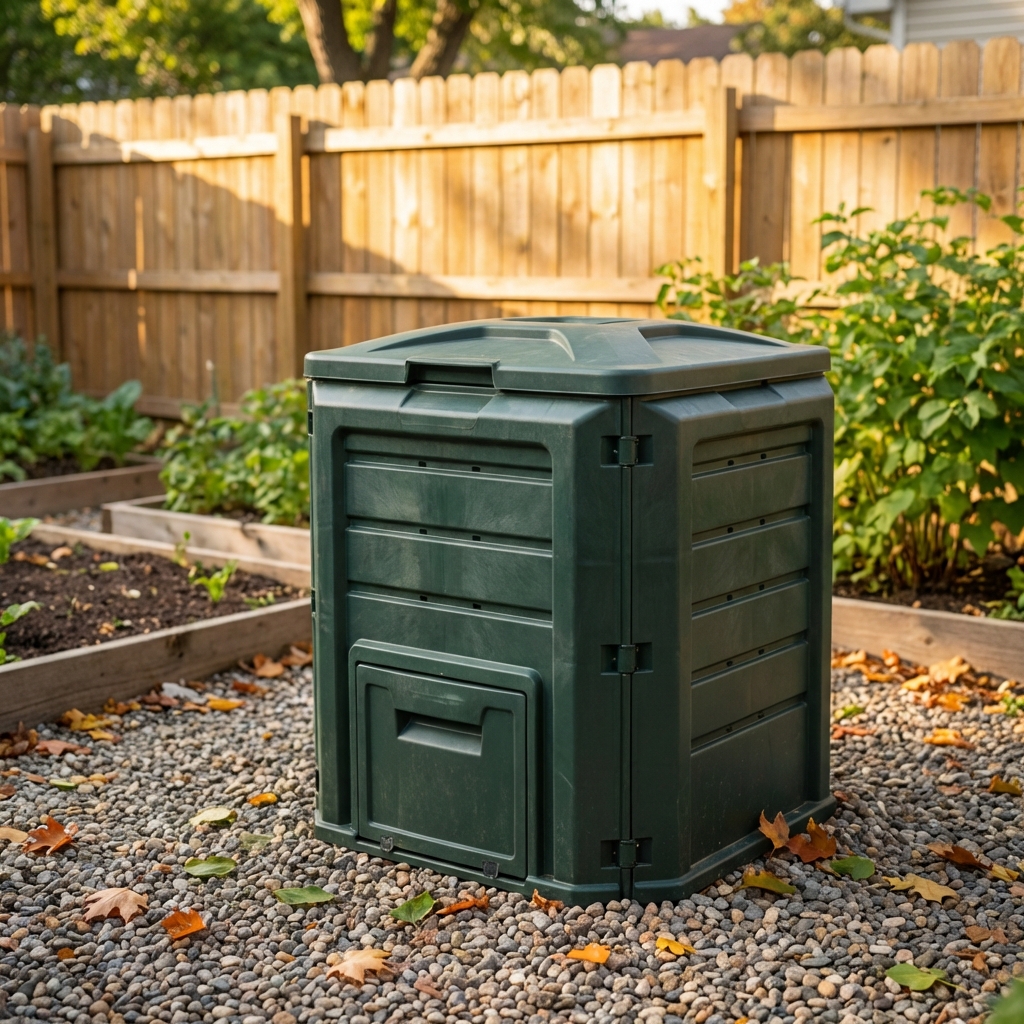
Compost is not the enemy. A healthy compost pile is an amazing tool. The issue is location and moisture management. A wet, unmanaged pile right next to the house can attract roaches, ants, and rodents.
Eco-friendly compost habits that discourage roaches
- Place compost away from the home. Keep it as far as practical from doors and the foundation, not right up against the house.
- Balance greens and browns. Too many kitchen scraps with not enough dry leaves or shredded paper creates a wet, smelly pile.
- Bury food scraps. Put them in the middle of the pile and cover with browns.
- Keep a lid on bins. Closed bins limit access and help control moisture.
- Avoid meat, greasy foods, and dairy. They attract the wrong visitors fast.
Eco-friendly roach control that is safe around plants
If you are already seeing roaches, prevention helps but you may also need targeted control. The key is using methods that work without spraying broad-spectrum insecticides all over your soil and beneficial bugs.
Best low-tox options
- Seal entry points: Caulk cracks, add door sweeps, and repair screens. This is one of the most eco-friendly “treatments” because it prevents the problem.
- Diatomaceous earth (food grade): Use a light dusting in dry, protected areas like behind planters, under appliances, or along cracks. Avoid applying where it will get wet, and do not dust flowers where pollinators land. Apply gently so you do not create airborne dust. Consider wearing a mask and keep it away from kids and pets during application.
- Cockroach baits (use label directions): Use tamper-resistant bait stations or roach gel baits labeled for cockroaches, placed in protected areas along walls, under sinks, behind appliances, or near suspected travel routes. Avoid placing baits openly in garden beds where kids, pets, and beneficial insects can contact them.
- Sticky traps for monitoring: Great for seeing where they are traveling. Place along walls, under sinks, and near plant stands.
- Sanitation: Roach control works best when there is not an easy food source competing with bait.
What I would avoid around gardens
- Routine outdoor perimeter spraying: It can harm beneficial insects and often does not solve the root cause.
- Foggers: They rarely reach hidden roach harborages and can contaminate surfaces.
- Overusing essential oils: Some oils can irritate pets and people and may burn plant leaves if misapplied.
Quick fixes to do today
- Dump standing water in saucers and buckets.
- Pull mulch back from the foundation and thin overly thick layers.
- Rake wet leaf piles away from doors and patios.
- Elevate pots so air can move underneath.
- Clean under outdoor mats, pot clusters, and plant benches.
- Switch porch bulbs to warm or amber LEDs and use motion sensors at night.
When to call a pro
If you are seeing roaches in daylight, finding lots of droppings, noticing egg cases, or dealing with ongoing indoor activity (especially in kitchens and bathrooms), it is worth contacting a licensed pest professional. You can still ask for an integrated pest management approach, which focuses on sealing, sanitation, targeted baits, and minimal pesticide use.
In the meantime, tightening up moisture and cleanup around your plants will make every treatment work better. Roaches do not hang around places that are dry, tidy, and exposed.

Jose Brito
I’m Jose Britto, the writer behind The Country Store Farm Website. I share practical, down-to-earth gardening advice for home growers—whether you’re starting your first raised bed, troubleshooting pests, improving soil, or figuring out what to plant next. My focus is simple: clear tips you can actually use, realistic expectations, and methods that work in real backyards (not just in perfect conditions). If you like straightforward guidance and learning as you go, you’re in the right place.