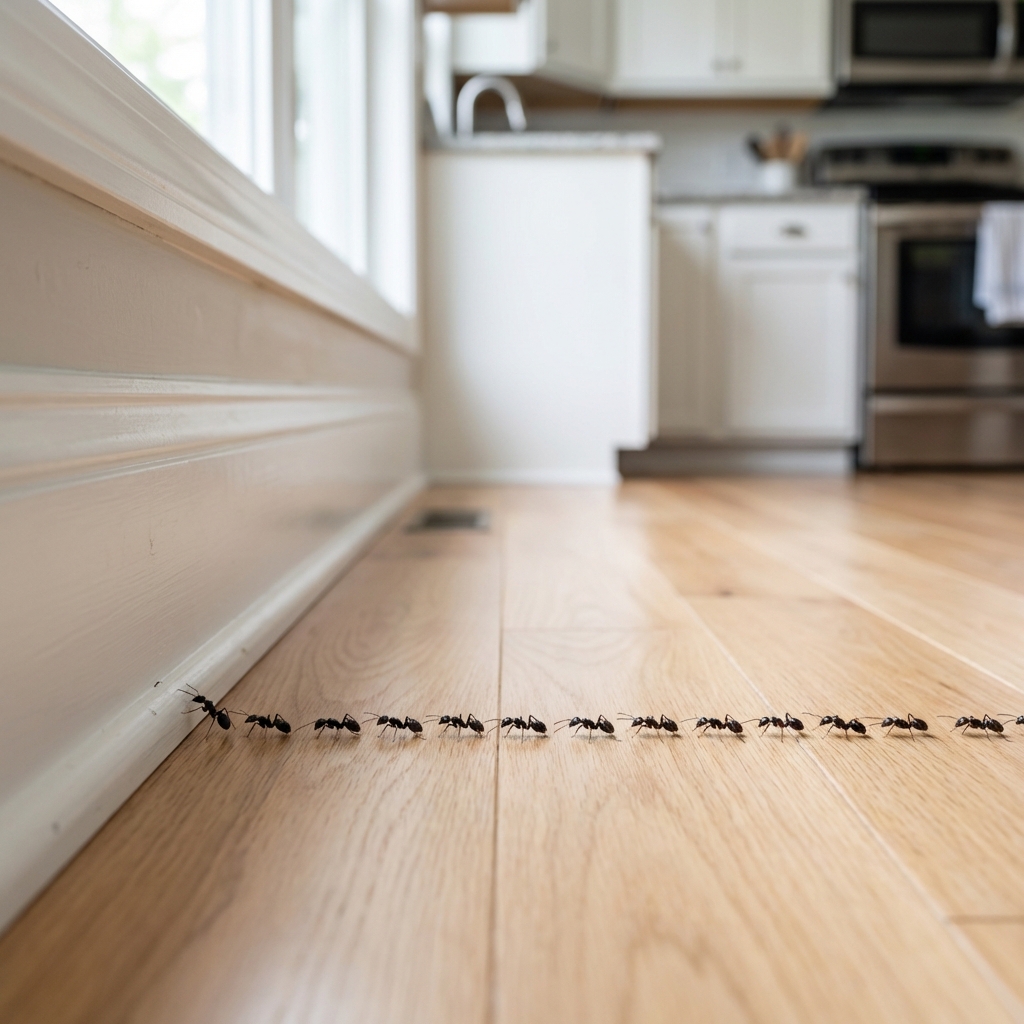
Ants in the house can feel like they show up overnight. Usually, they are doing exactly what you would do if you were tiny and hungry. They are following a scent trail to water, sugar, protein, grease, or even the damp potting mix in a houseplant.
The good news is you do not need to fog your home with harsh chemicals to fix it. Eco-friendly ant control is mostly about breaking the trail, removing what is attracting them, and using low-tox options only where they actually travel. Most indoor ant problems are manageable with a few targeted steps.
First, figure out what kind of ant problem you have
Before you treat anything, take five minutes to observe. It saves time and helps you pick the right solution.
Common scenarios
- A steady line of ants: They found a reliable food or water source and laid a scent trail back to the nest.
- Random single ants: Often scouts. You may be early enough to stop a full trail from forming.
- Ants in or around houseplants: Usually they are after moisture, or honeydew from pests like aphids, mealybugs, or scale. Sometimes they are attracted to residue from fertilizer or organic soil amendments.
- Sawdust-like piles, hollow wood, or ants near damp trim: Could point to carpenter ants. They do not eat wood, but they can nest in moist or damaged wood. If you suspect structural damage, consider a professional inspection.
Quick tip: If you see a trail, follow it. It often leads to the entry point at a gap near baseboards, a window, or where a pipe goes into the wall.
The eco-friendly game plan (in order)
These steps work best in sequence. Skipping straight to sprays often gives quick relief, but the ants return because the root cause is still there.
1) Remove the attractants
- Wipe counters, stove edges, and cabinet fronts with warm soapy water.
- Store sweets, cereal, pet food, and snacks in sealed containers.
- Rinse recyclables, especially sticky cans and bottles.
- Clean under the toaster, microwave, and pet feeding area.
- Fix drips and wipe up water around sinks, plant trays, and humidifiers.
2) Break the scent trail
Ants follow pheromone trails. If you clean the trail, you confuse the whole operation.
Use either of these:
- Soapy water: A few drops of dish soap in warm water. Wipe where you see ants walking.
- Vinegar solution: Mix equal parts white vinegar and water. Wipe baseboards, entry points, and trails. Let it air dry.
Tip: Do not just kill the ants you see. Clean the path they were using, too.
3) Seal the easy entry points
After you clean, block the doors they use most.
- Caulk gaps along baseboards, window trim, and under sinks.
- Add door sweeps if you see daylight under exterior doors.
- Patch cracks where pipes enter the wall.
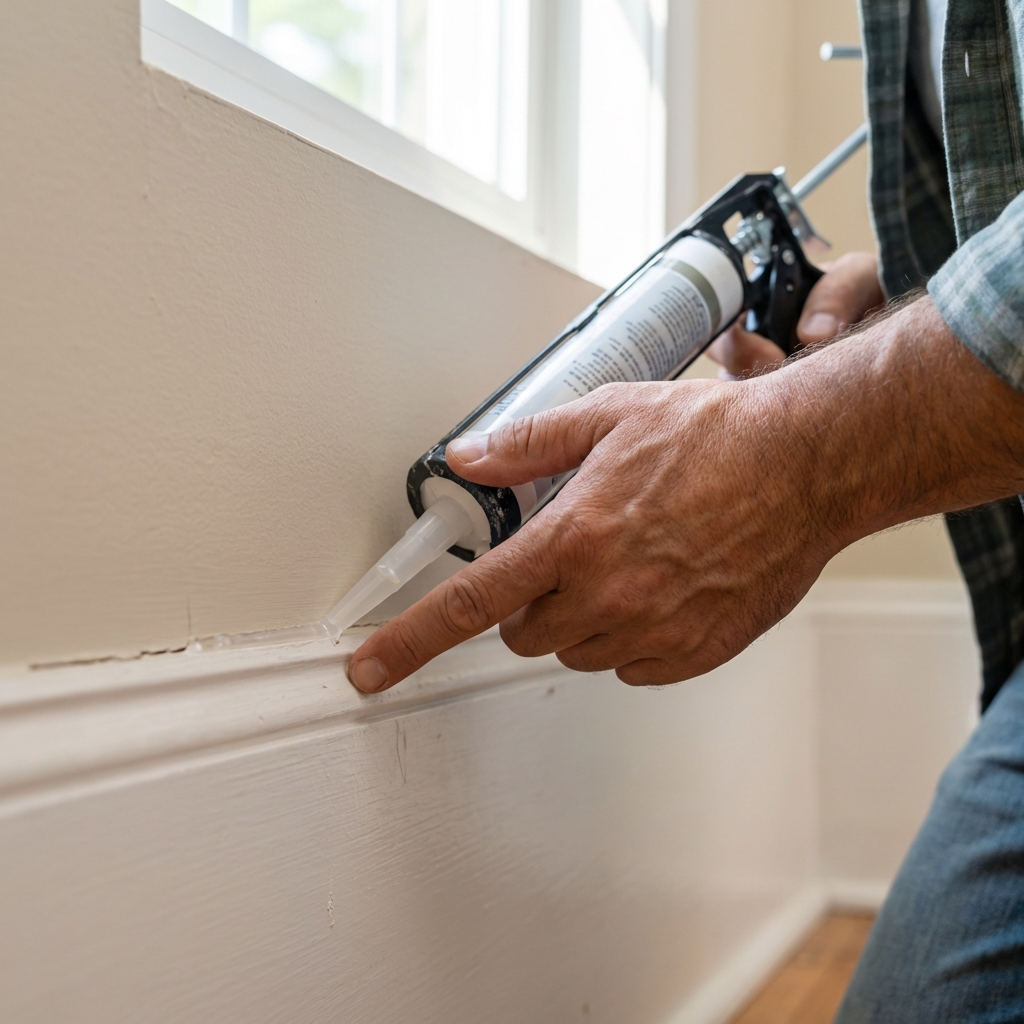
Extra credit: If you can, do a quick outdoor check too. Trim plants touching the house, clean up fallen fruit, and seal obvious exterior gaps to reduce re-entry.
4) Choose your treatment: repel or bait (baits usually win)
Eco-friendly does not mean you have to accept ants forever. It means you use the lowest-impact option that solves the problem.
- Repellents can reduce activity fast but may push ants into a different room.
- Baits are slower but typically remove the colony, which is why they work better for recurring trails.
Bait tip: Avoid using strong-smelling repellents (including many essential oils) right next to baits. You want ants to take the bait, not avoid the area.
Best eco-friendly methods to get rid of ants indoors
Vacuum and soapy spray (fast, low-tox)
If you want immediate relief, vacuum up the ants you see, then empty the vacuum outside. Follow up by wiping the trail with soapy water or vinegar solution so you do not leave an easy “map” behind.
For stragglers, a simple spray works:
- Mix water with a small squirt of dish soap in a spray bottle.
- Lightly spray ants and wipe. Avoid soaking wood trim.
Boric acid bait (effective, use carefully)
When a trail keeps coming back, bait is your friend. Boric acid is naturally derived, but it is still toxic if eaten by kids or pets, so place it responsibly. If you have children or pets that might access bait, consider enclosed commercial bait stations instead of DIY.
How bait works best: you want foragers to bring it back and share it, so the bait needs to be attractive and not too strong. It is normal to see more activity for 24 to 72 hours near the bait. That usually means it is working.
Simple DIY sweet bait (start mild):
- Mix 1/2 cup sugar and 1 1/2 cups warm water.
- Stir in 1/2 to 1 teaspoon boric acid until fully dissolved.
- Soak cotton balls and place them in shallow lids or bait stations where ants travel.
- Refresh every few days until activity stops, often 1 to 2 weeks.
Protein or grease bait option (for ants ignoring sugar): Some ants cycle between sweets and proteins or fats. If they walk right past sugar bait, try a small dab of peanut butter or wet pet food mixed with a tiny pinch of boric acid, placed in a covered bait station or under an upturned container with a small ant-sized gap. Keep portions small so ants carry it, and keep it away from kids and pets.
Important: Keep baits out of reach of children and pets. Place along trails, not in the middle of the room. Do not spray cleaners, vinegar, or essential oils right on top of baited areas. Give it time to work.
Food-grade diatomaceous earth (DE) for cracks and edges
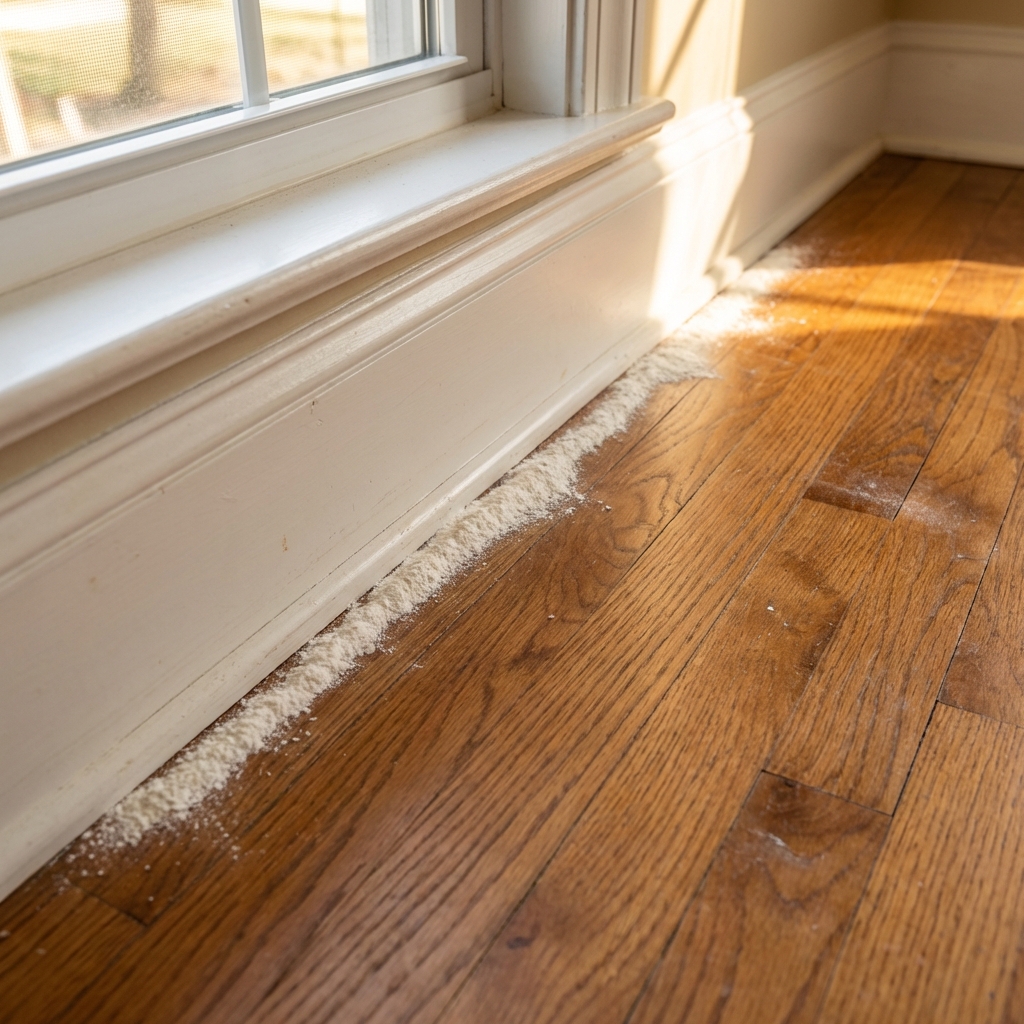
Food-grade DE is a low-tox powder that abrades insects’ outer coating and helps them dry out. It works best when used dry, in thin layers, and left undisturbed.
- Dust a light line in cracks, under appliances, and along baseboards.
- Avoid breathing the dust. Food-grade is still a respiratory irritant. Apply gently and keep it away from fans and vents.
- Reapply after cleaning or if it gets wet.
Vinegar wipes and citrus peels (good trail disruptors)
Vinegar breaks trails well. It might kill a few ants with direct contact and wiping, but it is not a reliable colony solution by itself. Citrus oils can help deter ants, too. You can rub citrus peel along a windowsill or entry point, but do not rely on this alone for a heavy infestation.
Essential oils (use sparingly and safely)
Peppermint and tea tree oil are often mentioned for ants, but they can irritate pets and people and can damage some surfaces. If you use them, keep the concentration low, avoid using them around baits, and consider skipping them entirely if you have pets (cats in particular) or sensitive household members.
- Try 5 to 10 drops of peppermint oil in 1 cup of water with a drop of soap as an emulsifier.
- Test on a hidden spot of trim or tile first.
- Avoid applying directly to plant leaves or soil. If you do use it near plants, keep it well diluted and spot-test first.
Houseplant care tips: why ants show up in pots
Ants are not usually eating your plant. Most of the time they are using the pot as a convenient place to nest, or they are farming sap-sucking pests for honeydew.
Check for pests that attract ants
Inspect stems and leaf undersides for:
- Aphids: clusters of soft-bodied insects on new growth
- Mealybugs: white, cottony spots in leaf joints
- Scale: small bumps on stems that scrape off with a fingernail
If you find them, ants will keep returning until the pests are controlled.
Plant-safe ways to treat honeydew pests
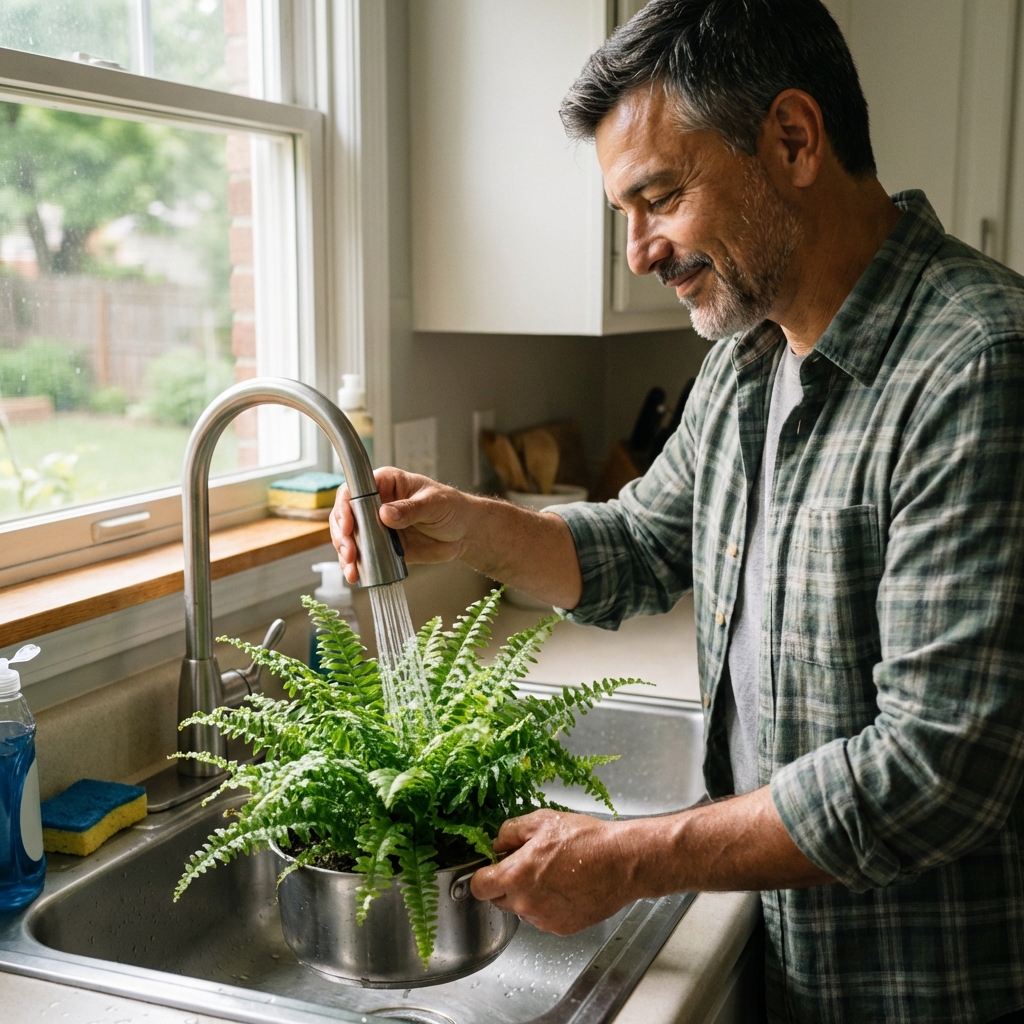
- Rinse the plant in the shower or sink to knock pests off.
- Wipe leaves with a damp cloth for mild infestations.
- Insecticidal soap or neem oil can help, used according to label directions.
- Isolate the plant for a couple of weeks so pests do not spread.
Fix overly wet potting mix
Consistently soggy soil can invite fungus gnats and sometimes ants that want moisture. Adjusting watering is a long-term fix.
- Let the top 1 to 2 inches of soil dry before watering again, unless the plant prefers constant moisture.
- Make sure the pot has drainage holes.
- Empty drip trays so water does not sit for days.
- Consider repotting into a chunkier, better-draining mix if the soil stays wet too long.
How to evict ants from a pot without harming the plant
- Water flush method: Take the pot outside or to a tub. Slowly water until a lot drains out. This can disrupt tunnels and push ants out.
- Soil soak method: If the plant tolerates it, submerge the pot up to the soil line in a bucket of water for 15 to 30 minutes. Ants will evacuate. Let the pot drain thoroughly afterward.
- Repot if needed: If ants keep nesting, remove the plant, shake off old soil, rinse the pot, and repot with fresh mix. This is the most reliable fix.
Skip harsh treatments in pots: Avoid pouring vinegar, boiling water, or strong essential oils into potting mix. You can harm roots and soil life.
What not to do (even if you are frustrated)
- Do not spray strong insecticides indoors where kids and pets touch baseboards and floors.
- Do not mix random cleaners like vinegar and bleach. It can create dangerous fumes.
- Do not use bait without a plan: Place bait along trails, use small amounts, and be patient. Expect a temporary increase in activity. Do not spray repellents near bait, and do not move bait around daily.
- Do not ignore the moisture issue. Ants and other pests love consistent dampness.
Prevention checklist for the next 30 days
Once the ants disappear, prevention is what keeps them from returning next week.
- Wipe high-risk areas (counter edges, pet bowls area) a few times per week.
- Keep dry goods sealed and floors crumb-free.
- Fix leaks and reduce standing water.
- Trim outdoor plants touching the house, which can act like bridges.
- Inspect houseplants monthly for aphids, scale, and mealybugs.
- Re-caulk or seal gaps before peak ant season in spring and summer.
When to call for help
If you have repeated heavy trails despite cleaning and baiting for 2 weeks, ants inside walls, or signs of damaged or damp wood, it is worth calling a licensed pest professional. You can also ask specifically for integrated pest management approaches that focus on targeted, lower-tox treatments.
Quick answers
What is the most eco-friendly way to get rid of ants?
Clean up attractants, break trails with soap or vinegar, seal entry points, and use targeted baits if the colony is established.
Does vinegar kill ants?
Vinegar mainly disrupts scent trails and repels. It may kill a few ants with direct contact and wiping, but it is not a colony solution by itself.
Why are ants suddenly in my houseplants?
Often it is moisture and shelter, or honeydew from pests like aphids or mealybugs. Treat the pest and adjust watering to reduce repeat visits.

Jose Brito
I’m Jose Britto, the writer behind The Country Store Farm Website. I share practical, down-to-earth gardening advice for home growers—whether you’re starting your first raised bed, troubleshooting pests, improving soil, or figuring out what to plant next. My focus is simple: clear tips you can actually use, realistic expectations, and methods that work in real backyards (not just in perfect conditions). If you like straightforward guidance and learning as you go, you’re in the right place.