Fleas are small, stubborn, and annoyingly good at hiding. The reason most flea problems drag on is simple: you might kill the adult fleas you see, but new fleas keep emerging for weeks as eggs hatch into larvae and pupae later emerge into biting adults.
The eco-friendly approach is not about using one magic spray. It is about breaking the flea life cycle with heat, thorough cleaning, and targeted low-tox treatments that work in real homes with pets, kids, and carpets.
Know what you are fighting
Fleas move through four stages: egg, larva, pupa, adult. Adults are the ones biting, but they are often a smaller slice of the total flea population in a home.
- Eggs fall off pets and land in carpets, cracks, and bedding.
- Larvae hatch from eggs, hide deep in carpet fibers, and feed on debris.
- Pupae sit in a protective cocoon and can wait days or weeks to emerge.
- Adults jump onto pets and people and start the cycle again.
This is why eco-friendly control leans heavily on repeated cleaning and heat. It is one of the quickest ways to cut the population without foggers or heavy pesticides.
Start with pets
If you have pets, treat them at the same time you treat the house. Otherwise, you are mopping up while the faucet stays on. If you have multiple pets, treat them all or fleas will keep bouncing between animals.
Low-tox options to discuss with your vet
Many effective flea preventives used on pets are not “natural,” but they are often safer and more reliable than DIY essential oil blends. If your goal is eco-friendly and pet-safe, the most responsible move is to use the lowest-tox option that actually works for your animal and situation, then keep it consistent long enough to cover the full life cycle.
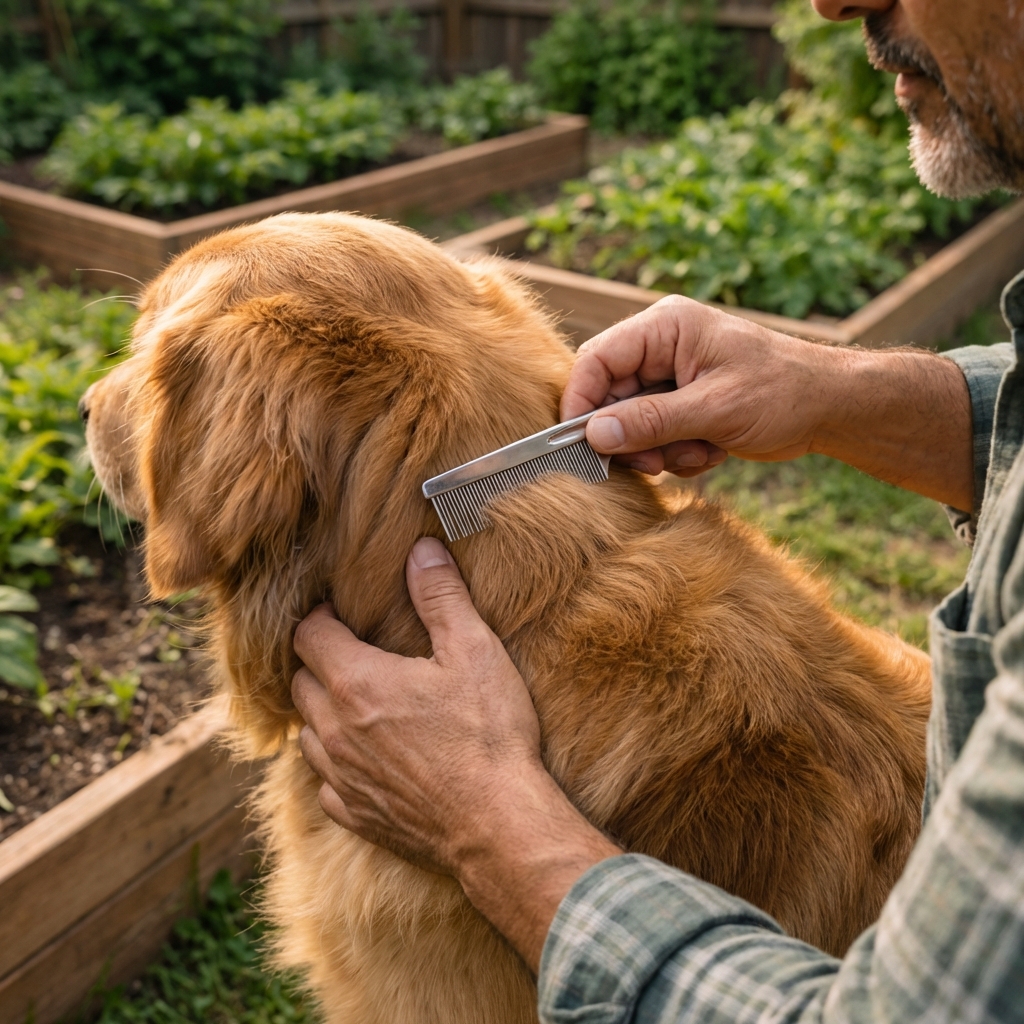
- Flea combing daily for a week or two. Dip the comb in warm soapy water to trap fleas.
- Regular bathing with gentle pet shampoo, plus thorough rinsing. This helps remove fleas and flea dirt.
- Vet-recommended preventives if your infestation is active or recurring. Choose what fits your pet’s age, weight, and health, and use it on schedule.
Important: Avoid using essential oils on cats and small dogs unless your veterinarian specifically says it is safe. Many oils can be toxic to pets, especially cats.
Your eco-friendly flea plan
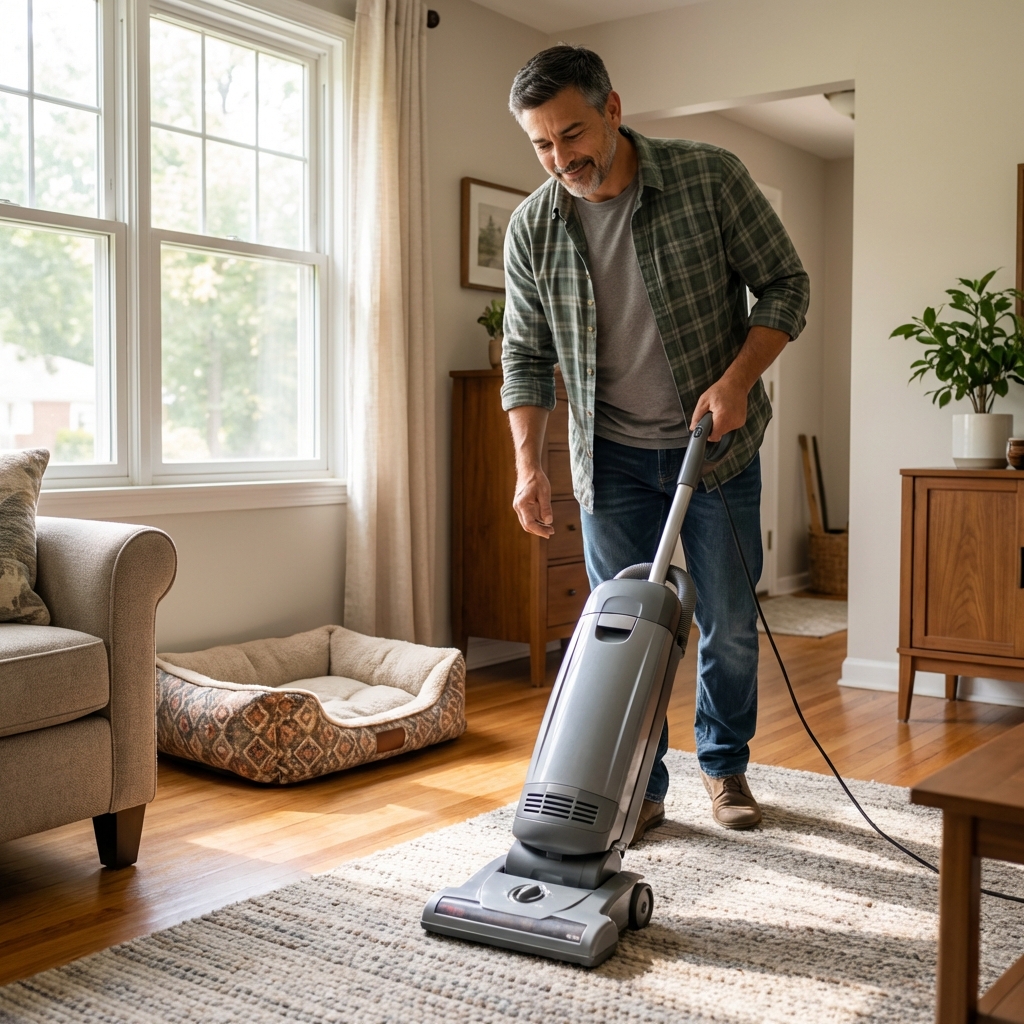
1) Vacuum like you mean it
Vacuuming can remove adult fleas, some larvae, and the debris larvae thrive on. It can also help stimulate pupae to emerge, which sounds bad but is useful because emerging fleas are easier to catch and remove.
- Vacuum carpets, rugs, and upholstered furniture slowly, especially along edges and under cushions.
- Hit cracks in flooring, baseboards, and under pet beds and furniture (even on hard floors).
- Do it daily for 7 to 10 days, then every other day for another 1 to 2 weeks.
After vacuuming: Empty the canister outside right away, or remove the bag and seal it in a trash bag. Place the sealed bag in the outdoor bin immediately.
2) Use heat in the laundry
Heat is one of the most eco-friendly flea killers you have. Wash and dry what fleas love:
- Pet bedding, blankets, and soft toys
- Your bedding if pets sleep with you
- Slipcovers, throw blankets, and washable rugs
Follow fabric care labels. When the material allows, run a hot wash, then dry on high heat for 30+ minutes. If you cannot wash an item, a long hot dryer cycle alone can still help.
3) Steam what you cannot wash
Steam is a chemical-free way to hit fleas in carpet and upholstery. Use a steam cleaner on:
- Carpets and rugs (especially pet areas)
- Sofas and fabric chairs
- Pet beds that cannot be washed
Go slow. Steam needs time to transfer heat into fibers. Avoid soaking carpets or padding. Over-wetting can lead to lingering moisture and musty smells, and in some cases mold.
4) Reduce indoor humidity
Flea larvae do better in humid environments. If your home is muggy, a dehumidifier can make conditions less comfortable for developing fleas and also helps with overall indoor air quality. It will not solve a flea problem by itself, but it can support the rest of the plan.
Aim for 30 to 50 percent indoor humidity.
Eco-friendly treatments
Food-grade diatomaceous earth (DE), used correctly
Food-grade DE can damage the waxy outer layer of insects, which helps dehydrate them. It can help in dry areas, but it is not instant and it is messy if overapplied. DE works best when kept dry.
- Use food-grade, not pool-grade.
- Apply a very thin dusting into cracks, along baseboards, under furniture, and lightly into carpets.
- Leave it for 24 to 48 hours, then vacuum thoroughly.
Safety note: DE is a fine dust. Avoid breathing it in. Keep pets and kids away during application, and consider wearing a mask. Do not leave heavy layers where it can get kicked up.
Boric-acid-based powders (use caution)
Boric-acid-based carpet powders can be effective against larvae in carpets, but they are not risk-free. Some products use borates (such as borax) rather than pure boric acid. If you have toddlers, crawling babies, or pets that lick floors, this is usually not the first choice. If you use it, follow the label exactly, keep people and pets out during application, and only re-enter once it is settled and fully vacuumed up. Store any leftover product securely to prevent accidental ingestion.
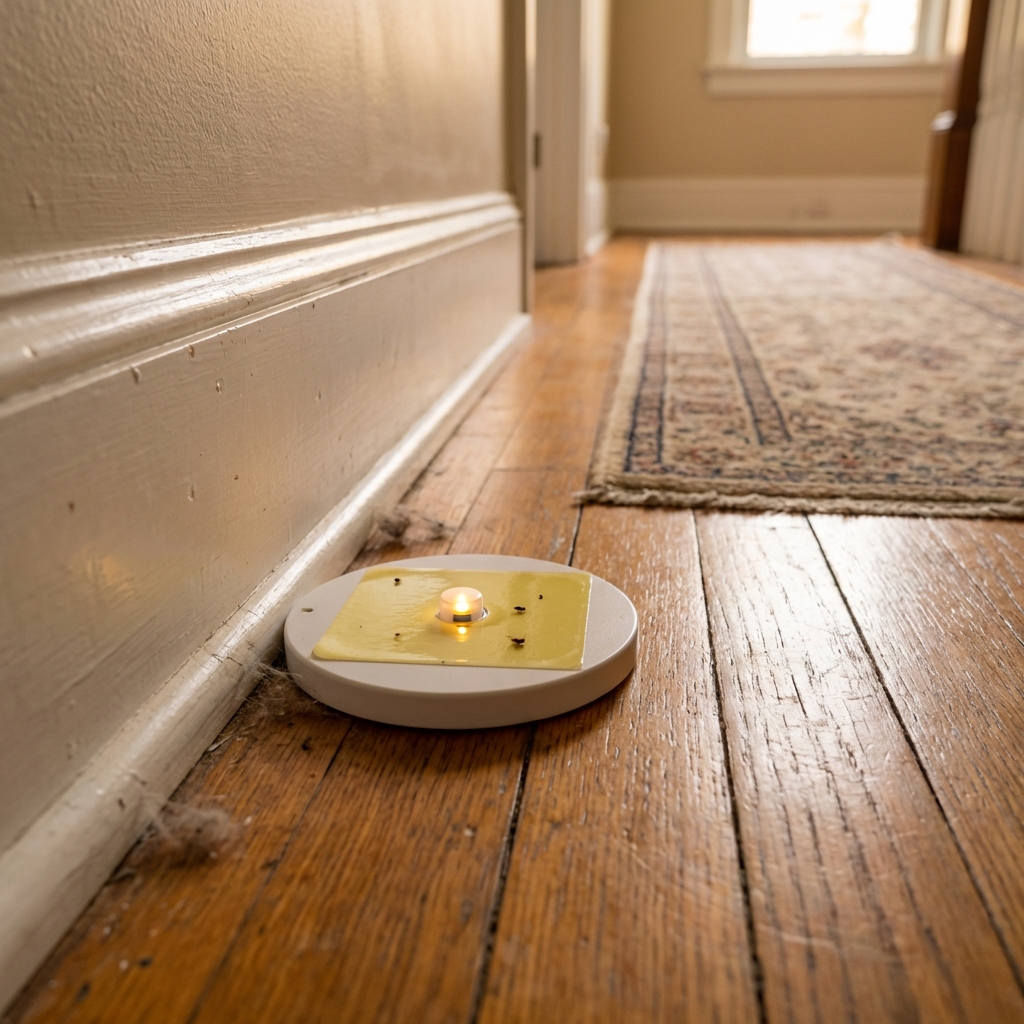
Sticky flea traps for monitoring
Sticky traps do not solve an infestation alone, but they are great for answering: “Are fleas still active in this room?” Place traps near pet sleeping spots and along walls. Check them daily for a week.
What to skip
- Foggers and total-release bombs: They add a lot of pesticide to the air and often do not reach deep carpet layers where larvae develop.
- Essential oil sprays: Many are risky for pets and often do not break the life cycle.
- Random DIY mixes online: If the instructions are vague, the safety is usually vague too.
Outdoor steps
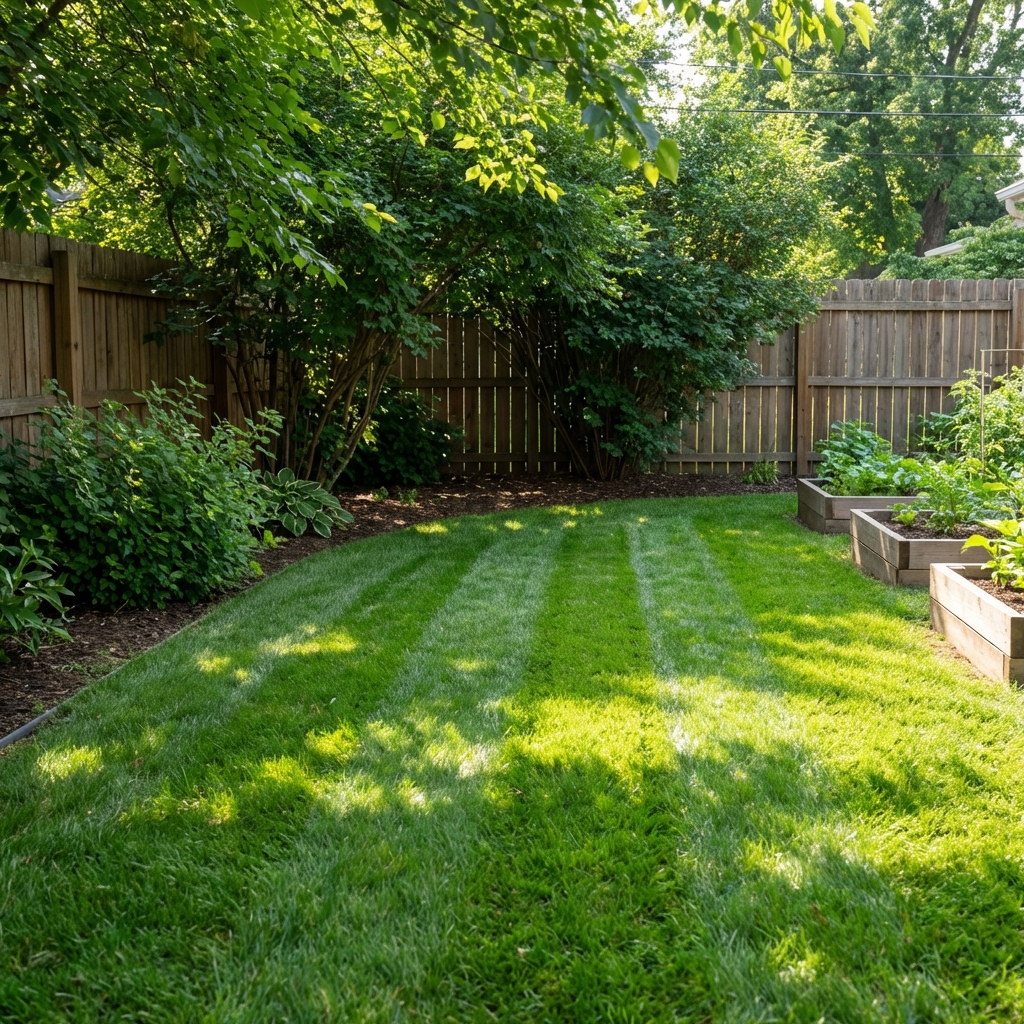
Indoor work goes faster when you also lower flea pressure outside. Focus on shaded, protected spots where pets rest.
- Mow and remove excess thatch where fleas can hide.
- Rake shaded, damp areas under decks, shrubs, and along fence lines.
- Wash outdoor pet beds and clean kennels regularly.
- Encourage sunlight and airflow in heavy shade zones if possible.
If wildlife is visiting often (raccoons, feral cats, opossums), fleas can keep getting reintroduced. Securing trash and blocking access under porches helps more than most people expect.
How long it takes
With consistent cleaning, many households see a noticeable drop in bites within 3 to 7 days. Full control often takes 2 to 4 weeks because pupae can keep emerging. Heavy infestations, lots of carpeted space, or inconsistent pet protection can take longer.
If you are still seeing lots of fleas after 2 weeks of daily vacuuming plus reliable pet treatment, reassess: the pet may not be fully protected, there may be an untreated room, or fleas are being reintroduced from outdoors.
When to call a pro
Eco-friendly steps go a long way, but it is smart to bring in help when:
- Fleas are active in multiple rooms and you cannot keep up with the cleaning cycle
- Someone in the home has asthma, severe reactions to bites, or a weakened immune system
- You cannot treat pets consistently (medical issues, strays, or frequent re-exposure)
- You see little improvement after 4 to 6 weeks of full-plan effort
Ask about an Integrated Pest Management (IPM) approach and targeted treatments, not routine whole-home fogging.
Quick checklist
- Comb pets and wash pet bedding on hot, then dry on high.
- Vacuum floors, rugs, and upholstery slowly. Empty vacuum outside.
- Steam carpets and furniture if you can, without over-wetting.
- Set a couple sticky traps to see where activity is highest.
- Optional: light application of food-grade DE in cracks and along edges, then vacuum later.
- Repeat vacuuming daily for 7 to 10 days.
If you stick to the routine, fleas usually fold. They are persistent, but they are not complicated once you treat the whole life cycle.

Jose Brito
I’m Jose Britto, the writer behind The Country Store Farm Website. I share practical, down-to-earth gardening advice for home growers—whether you’re starting your first raised bed, troubleshooting pests, improving soil, or figuring out what to plant next. My focus is simple: clear tips you can actually use, realistic expectations, and methods that work in real backyards (not just in perfect conditions). If you like straightforward guidance and learning as you go, you’re in the right place.