Houseflies are not picky. If there is food, moisture, or a little bit of organic gunk, they will find it. The good news is you do not need harsh sprays to get control fast. A reliable eco-friendly approach is simple: remove what attracts them, block how they get in, then use targeted traps for the adults you still see.
This guide keeps things realistic for everyday homes and apartments, including what to do if you have houseplants and do not want chemicals drifting onto leaves or soil.
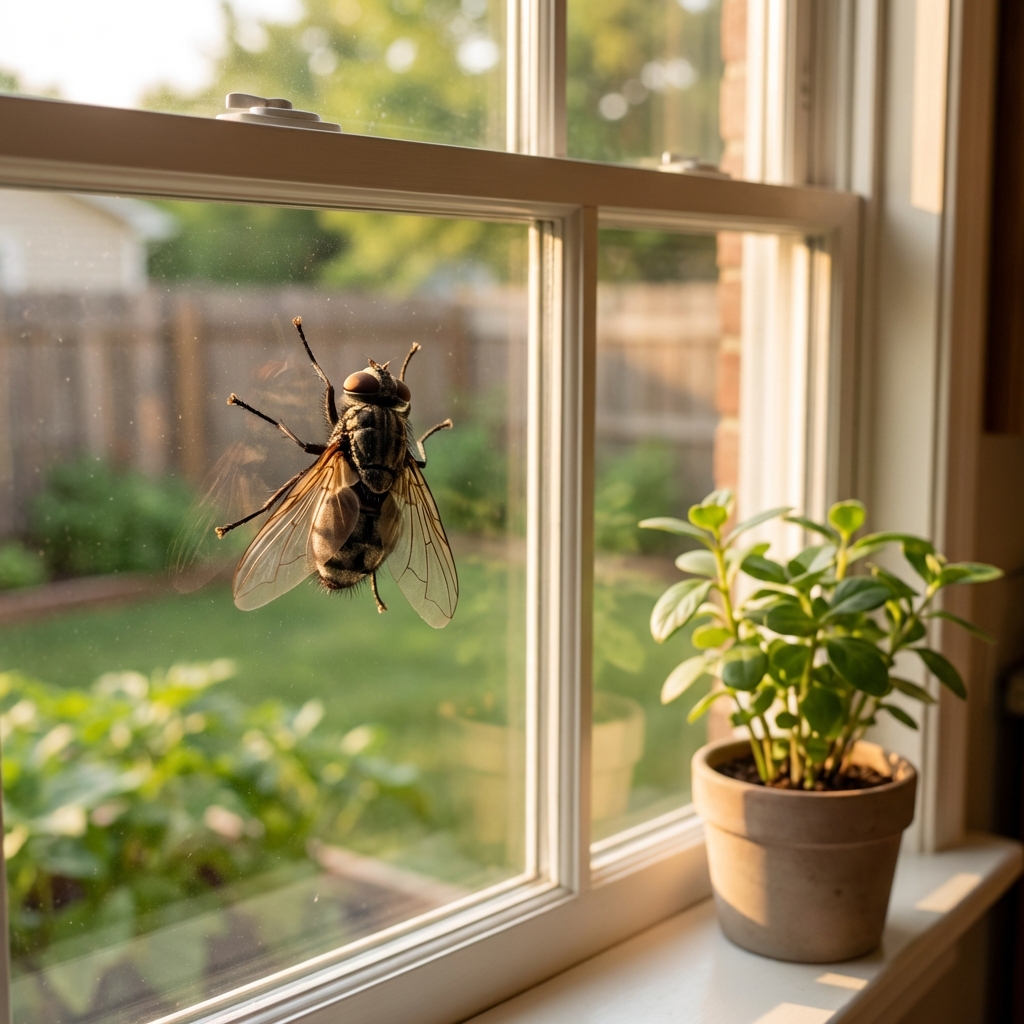
First, make sure they are actually houseflies
Different flies show up for different reasons. A quick ID saves a lot of frustration.
- Houseflies: medium-sized, gray body, often buzzing around windows and trash areas.
- Fruit flies: tiny, tan, hover around fruit bowls, recycling, and drains.
- Fungus gnats: tiny, dark, weak fliers that hang around houseplant soil.
- Drain flies: fuzzy-looking, moth-like, often in bathrooms and near sinks.
If your “houseflies” are mostly hanging around plant pots and you see them pop up when you water, skip to the houseplant section. That is often fungus gnats, not true houseflies.
Step 1: Remove the attractants (this is where the battle is won)
Traps help, but if you do not fix what is feeding them, you will keep catching flies forever. Spend 15 minutes doing a quick fly audit.
Kitchen and dining hotspots
- Trash and compost: rinse cans and bottles, tie bags tightly, and wash the bin if there is residue. If possible, switch to a lidded can.
- Pet bowls: do not leave wet food out. Wipe the feeding area after meals.
- Counter crumbs and spills: pay attention to toaster trays, under appliances, and sticky cabinet handles.
- Recycling: sweet residue is fly fuel. Rinse quickly and store in a closed container.
Hidden sources people miss
- Bin “trash juice”: even if you take out the bag, residue at the bottom can keep flies coming.
- Food under the fridge or stove: one forgotten spill can support a lot of fly activity.
- Dirty mop heads and sponges: wash or replace them. Let them dry fully between uses.
- Overripe fruit: store fruit in the fridge for a week while you reset the situation.
- Dead insects in light fixtures or window tracks: it sounds minor, but it adds up.
- Sink drain buildup: this is a bigger deal for fruit flies and drain flies than true houseflies, but cleaning it is still a smart hygiene win.
Quick eco-cleaning routine: hot soapy water does a lot. For extra degunking, wipe problem areas with a 1:1 mix of white vinegar and water (avoid natural stone surfaces that do not like acid).
Step 2: Keep them from getting back in
Houseflies are opportunists. If one door or window is leaky, they will keep reappearing.
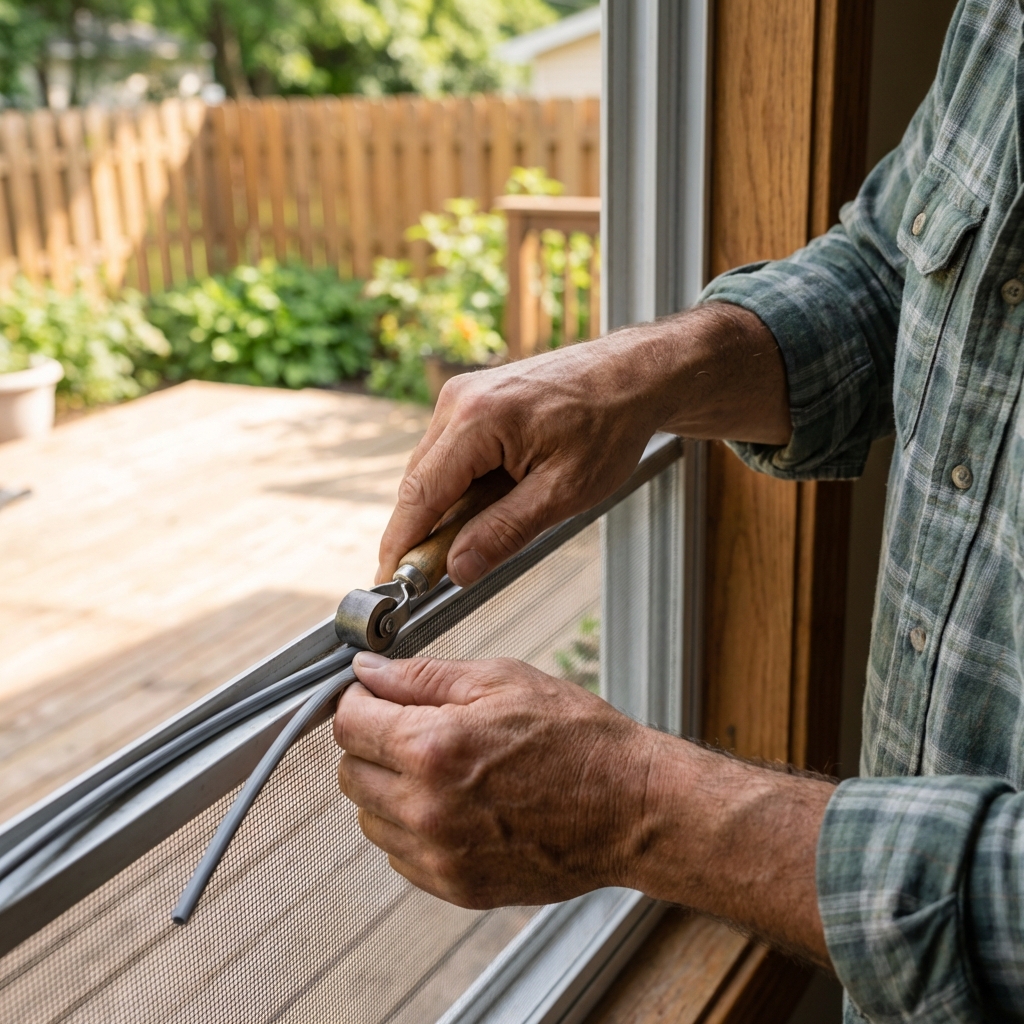
- Repair screens: patch small tears or replace screens that do not fit snugly.
- Seal gaps: check around window frames, sliding doors, and dryer vents.
- Use a door sweep: especially if your trash area is near an exterior door.
- Manage lighting at night: flies often collect at bright windows and doorways. If insects swarm outside, close curtains near lit windows and reduce “beacon” lighting when you can.
Do not skip the outdoors (it matters)
- Clean outdoor bins: rinse and occasionally scrub them, especially in warm weather.
- Pick up pet waste: it is one of the strongest outdoor attractants for flies.
- Keep doors from lingering open: even a small habit change can cut daily fly traffic.
Step 3: Eco-friendly ways to catch and reduce adult flies
Once the source is handled, traps become very effective. Pick the method that matches your tolerance level and where the flies are gathering.
1) Sticky fly paper
Best placement: near windows, near trash areas, or along the route you see flies traveling (often upper corners). Hang away from cooking steam and curious pets. Sticky traps work best after you have reduced attractants, because you are catching stragglers instead of running a never-ending buffet.
2) Vinegar and dish soap trap
This is most effective for fruit flies. For true houseflies, vinegar is often too weak compared with what they really want (garbage, pet waste, rotting food, and sometimes protein-heavy scraps). Still, it can catch occasional flies if placed right.
- Fill a jar with a little apple cider vinegar.
- Add 2 to 3 drops of dish soap (breaks surface tension).
- Cover with paper or a loose lid and poke a few holes.
Best placement: near recycling, fruit storage, or sinks if you suspect small fly activity (fruit flies or drain flies).
3) DIY bottle trap
If you are seeing true houseflies, use a bait that matches their taste. Sweet bait (very ripe fruit or a little sugar water) can work sometimes, but many houseflies respond better to strong, “trash-like” smells, including a tiny bit of protein.
- Cut the top off a plastic bottle.
- Invert the top like a funnel and tape it in place.
- Add bait plus a little water so flies have trouble escaping.
Bait options: very ripe fruit (lower odor), or a pea-sized bit of meat or fish scrap (higher odor, more effective for houseflies). If you try protein bait, keep the trap covered, place it away from heat, and empty it often.
Best placement: close to where flies gather (often near trash, pet feeding zones, or a sunny window ledge). Avoid placing smelly bait traps right next to doors and windows, or you can accidentally draw more flies in from outdoors.
4) The most underrated tool: a handheld vacuum
No chemicals, no mess. In the evening, flies tend to land and slow down. A quick vacuum pass near windows, ceilings, and around light fixtures can reduce your adult population fast.
Cleanup tip: empty the canister or bag right away (ideally outdoors) so captured flies do not crawl back out. If you used attachments near food prep areas, wash them with hot soapy water.
Plant-safe fly control around houseplants
If you have houseplants, your goal is to avoid broad spraying. Residues can stress leaves, make a mess indoors, and repeated broad-spectrum use can disrupt the small ecosystem in potting soil over time.
Keep plant areas clean and less attractive
- Remove dead leaves: decaying plant matter can attract nuisance insects.
- Do not let water sit in saucers: dump excess water 10 to 15 minutes after watering.
- Wipe sticky honeydew: if you have aphids or scale, honeydew can attract bugs.
If flies are coming from potting soil (likely fungus gnats)
These are not houseflies, but they are a common “fly problem” indoors. The eco-friendly fix is mostly watering and soil management.
- Let the top 1 to 2 inches of soil dry: fungus gnat larvae thrive in consistently moist soil.
- Bottom water when possible: keeps the surface drier.
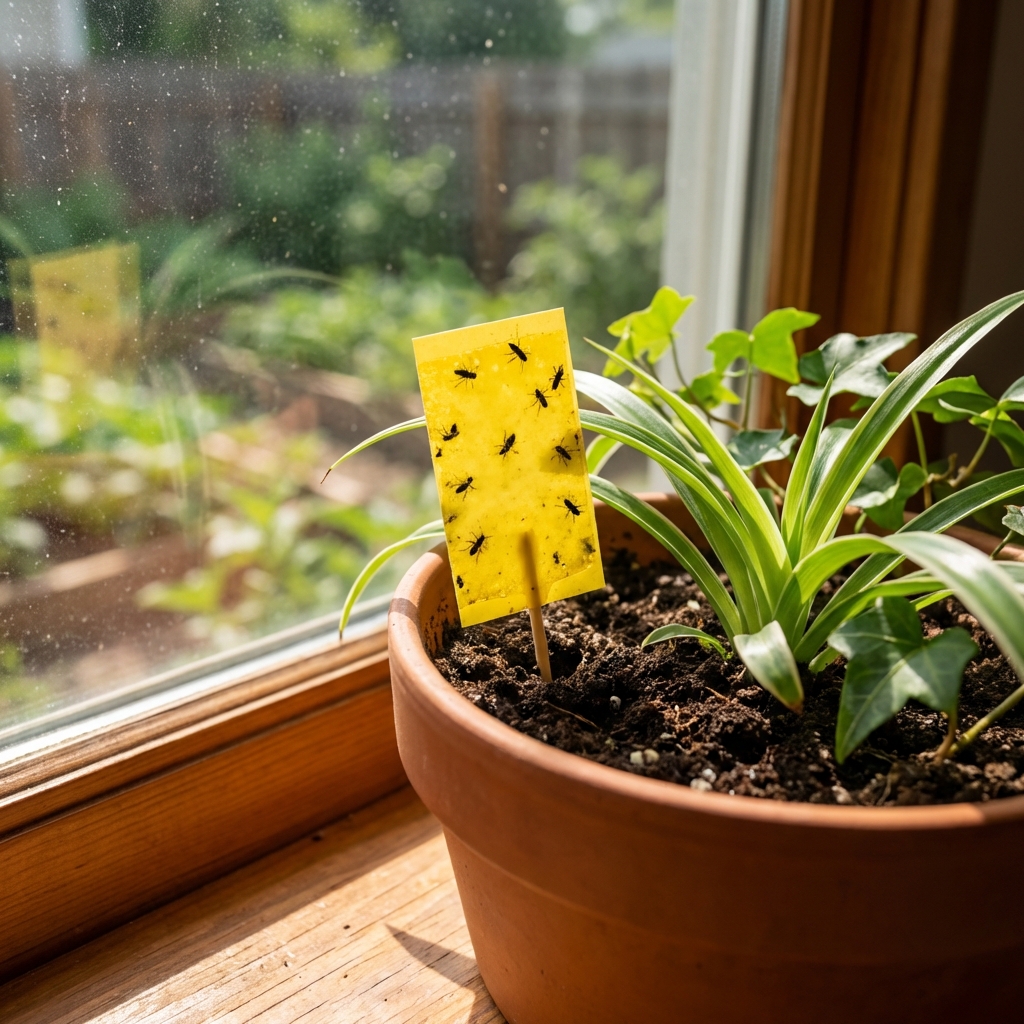
- Use yellow sticky cards: place at soil level to catch adults and confirm the pest.
- Top-dress with coarse sand or fine gravel: a thin layer can make it harder for adults to lay eggs.
- BTI dunks (mosquito bits): a targeted biological option used as a soil drench can reduce larvae with low impact on plants when used as directed.
What to avoid on indoor plants
- Foggers and broad insect sprays: unnecessary indoors and easy to overdo.
- Essential oil mixes sprayed on leaves: they can burn foliage, especially in sun, and results are inconsistent.
- Overwatering to “flush” pests: it usually makes soil pests worse, not better.
Eco-friendly repellents: what works and what is mostly hype
Repellents can help, but they are not a substitute for removing the source.
Worth trying
- Airflow: a fan near a problem doorway or kitchen area makes it harder for flies to land.
- Clean citrus and clove scent in small areas: a few cloves in a halved lemon can be mildly discouraging near a fruit bowl, but it is not a full solution.
Be cautious with
- Essential oil diffusers: some oils are risky around pets and can irritate sensitive people. If you use one, ventilate and keep it away from animals.
- “Natural” sprays: natural does not automatically mean plant-safe or lung-friendly.
What not to do
- Do not rely on ultrasonic repellents: results are inconsistent at best.
- Do not “perfume-bomb” the room with essential oils: it is not a reliable fix, and it can be unsafe for pets.
- Do not skip sanitation and hope traps do everything: if food and moisture stay available, you will keep catching flies forever.
When houseflies keep coming back
If you are doing the basics and still seeing steady flies each day, one of these is usually the reason:
- A hidden breeding source: trash residue in the bottom of the bin, food under the fridge, a neglected recycling container, or decaying organic mess you cannot see at a glance.
- Nearby outdoor source: compost, pet waste, or a neighbor’s trash can close to your door or window.
- A seasonal surge: late summer and early fall can spike activity. Prevention matters more during these weeks.
- A dead rodent or bird in a wall or attic: unpleasant, but it happens. If flies suddenly explode and seem to come from one area, investigate.
When to call help
Call a pro or your building maintenance if you see large numbers every day for more than a week despite cleaning and traps, if you suspect a dead animal in a wall or attic, or if flies are concentrated in one spot you cannot access (vents, ceiling voids, wall gaps). A good pro can find hidden breeding sites and fix entry points without defaulting to heavy indoor spraying.
A simple 3-day reset plan
If you want a clear checklist, here is a straightforward plan that works for most homes.
Day 1: Remove the food and moisture
- Take out trash and rinse recycling.
- Wipe counters, sweep floors, clean under pet bowls.
- Scrub sink drains with a brush and hot soapy water (especially helpful if you also have fruit flies or drain flies).
Day 2: Block entry and place traps
- Patch screens and close obvious gaps.
- Hang sticky strips near windows and fly resting areas.
- Set one bottle trap close to where flies gather (not right by the door).
Day 3: Tune the plant corner
- Let soil surfaces dry a bit and dump standing water in saucers.
- Add yellow sticky cards to any plants that seem suspicious.
- Remove dead leaves and debris from pots and trays.
After that, you should see a sharp drop. If not, assume there is a source you have not found yet and re-check trash bins, hidden food spots, and nearby outdoor attractants.
FAQ
Are houseflies harmful to plants?
Houseflies generally are not plant pests. The bigger concern is what attracts them, plus contamination around kitchens. If you see flies hovering around soil, it is more likely fungus gnats.
Can I use neem oil for flies?
Neem is mainly used for certain plant pests and it is not a great tool for houseflies indoors. For fly control, source removal plus traps works better and avoids coating indoor surfaces.
Do houseplants attract houseflies?
Healthy plants usually do not. Overwatered soil, decaying leaves, and standing water can attract small flies and gnats.

Jose Brito
I’m Jose Britto, the writer behind The Country Store Farm Website. I share practical, down-to-earth gardening advice for home growers—whether you’re starting your first raised bed, troubleshooting pests, improving soil, or figuring out what to plant next. My focus is simple: clear tips you can actually use, realistic expectations, and methods that work in real backyards (not just in perfect conditions). If you like straightforward guidance and learning as you go, you’re in the right place.