Rats outside are not just a nuisance. They chew irrigation lines, burrow under beds, steal fruit, and leave droppings where you grow food. The good news is you can make your yard a whole lot less appealing without blanketing it with poison.
This approach is how I handle most backyard rodent problems: fix what is attracting them first, block easy access next, then use the least-risk control methods that still get results.
First, confirm it is rats (not mice, gophers, or squirrels)
Different pests need different fixes. Look for a few quick clues before you start spending time and money.
- Droppings: Rat droppings are typically larger (often around 1/2 to 3/4 inch). Shape can help too: Norway rat droppings tend to be more blunt, roof rat droppings are often more pointed. Mouse droppings are smaller (closer to rice-sized) and usually pointed.
- Burrows: Norway rats often use openings near fences, sheds, compost piles, and dense ground cover. Openings are often around 2 to 4 inches wide with smooth, well-used edges. Roof rats are less burrow-focused and more likely to nest above ground.
- Runways: Rats create worn paths along walls, fences, and hedges. You may see greasy rub marks on wood or masonry.
- Chew damage: Ragged holes in plastic bins, gnawed drip lines, and half-eaten fruit with tooth marks.
If you find tunneling centered in a lawn with mounds, that is usually gophers or moles. If the main problem is fruit disappearing high in the canopy, squirrels (or roof rats) may be the bigger culprit.
Quick note: roof rats vs Norway rats
This matters because the best “fixes” change depending on which rat you have.
- Norway rats: heavier, more ground-based, more likely to burrow under slabs, sheds, and beds.
- Roof rats: more likely to climb, travel on fences and branches, and nest in dense ivy, palms, attics, and eaves.
If you keep finding damage up high, add tree and roofline access points to your inspection list.
The eco-friendly priority list (what works fastest)
Think of rats like any other backyard visitor. They stay when three things are easy: food, water, and cover. Remove those, and you reduce the population without needing harsh chemicals.
- Cut off food sources (biggest impact).
- Reduce water access (often overlooked).
- Reduce hiding and nesting spots (second biggest).
- Exclude and protect (keep new rats from moving in).
- Targeted trapping (when prevention is not enough).
Remove attractants around plants, fruit trees, and compost
Clean up fallen fruit and produce daily
Fallen citrus, figs, stone fruit, tomatoes, and melons are basically a rat buffet. If you only do one thing, do this.
- Pick up fallen fruit every evening during peak season.
- Harvest a little earlier and finish ripening indoors if rats are hitting fruit at the “almost ripe” stage.
- Use a wide, shallow harvest tub so you do not miss pieces under the canopy.

Make compost less rat-friendly
Compost is a common rat hotspot, especially when it is open at the bottom or full of kitchen scraps.
- Switch to a closed bin with a tight-fitting lid if possible.
- Skip meat, fish, greasy foods, and dairy entirely.
- Bury scraps in the center of the pile (a few inches down is usually enough) and cover well with browns (dry leaves, shredded cardboard) to cut odor and access. Do not sacrifice aeration just to hit a specific depth.
- Add hardware cloth (1/4 inch mesh) under the pile or around the base of a bin to block burrowing.
Bird feeders and pet food are often the real issue
Gardeners chase rats in the beds while the feeder or dog bowl is feeding them all night.
- Bring pet food indoors before dusk.
- Use bird feeders with catch trays, and sweep spilled seed daily.
- Consider pausing feeding for 2 to 3 weeks while you knock the rat activity down.
Do not forget water
Rats do not need a pond to stick around. A steady drip is enough.
- Fix leaky hose bibs, splitters, and slow drips at emitters.
- Drain saucers, buckets, and wheelbarrows that hold water overnight.
- Bring pet water bowls in at night if you can, or at least put them in a spot you can monitor and clean.
- Check crawl space vents and low spots for persistent dampness.
Reduce cover: where rats hide in “nice-looking” landscapes
Rats love the same things we do: shelter from heat, predators, and rain. The goal is not to make your yard bare. It is to remove the specific hiding spots that let rats live close to your food plants.
- Trim dense ground cover (ivy, juniper, overgrown ornamental grasses) back from fences and structures.
- Lift low tree limbs to reduce protected travel routes and make it easier to spot activity.
- Thin shrubs so you can see through the lower 12 to 18 inches.
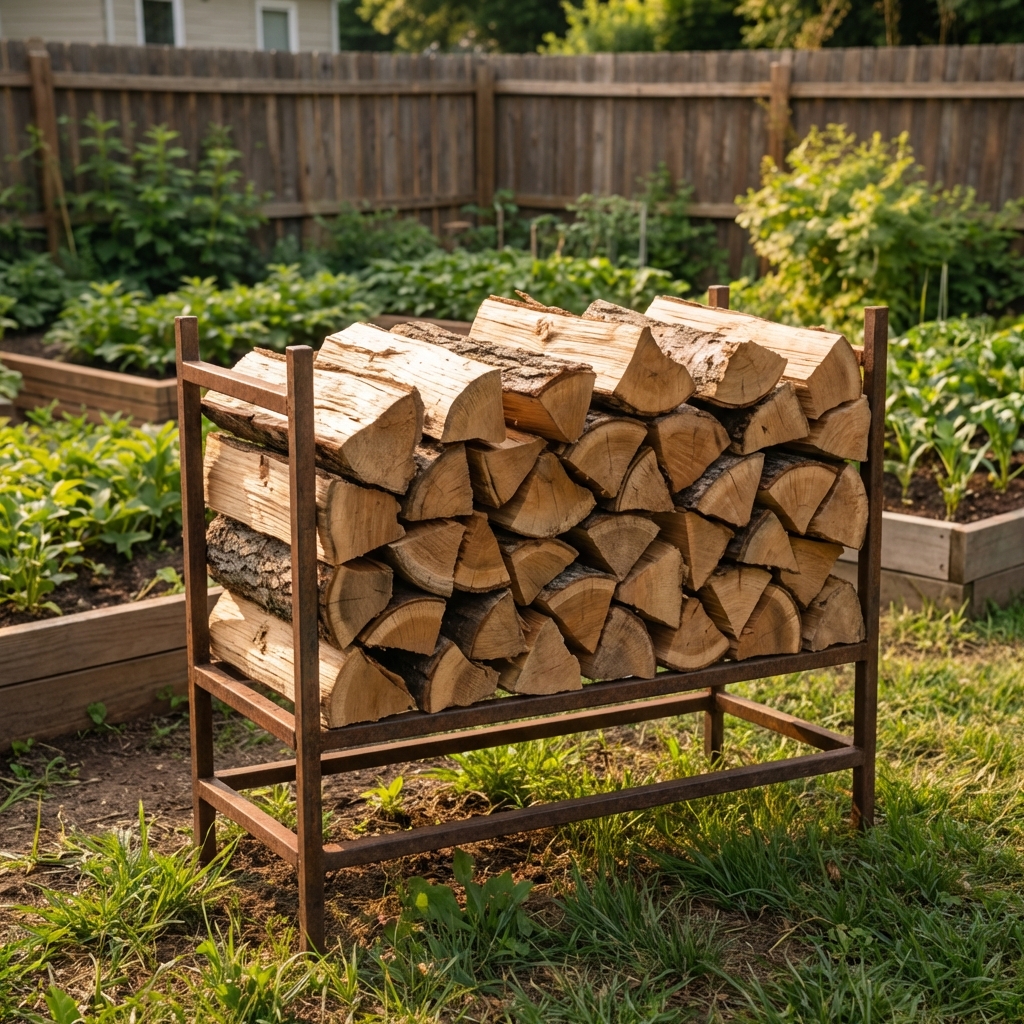
- Move wood piles at least 18 inches off the ground and 12 inches away from fences or sheds.
- Remove clutter like stacked pots, boards, and tarps near beds.
Block access to beds, sheds, and crawl spaces
Exclusion is eco-friendly because it prevents the problem from coming back. Rats can squeeze through surprisingly small gaps, sometimes as small as 1/2 inch (especially juveniles), so details matter.
Use the right mesh
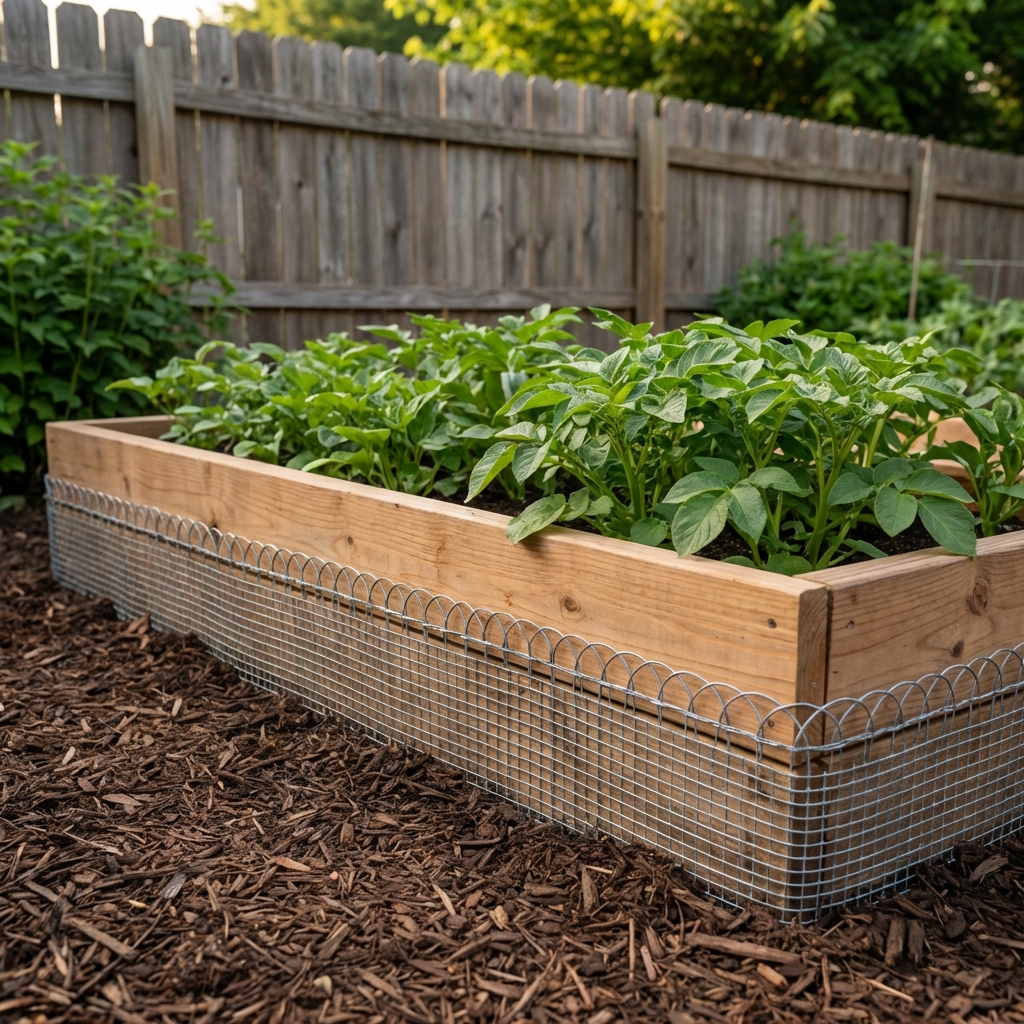
- Hardware cloth: 1/4 inch is ideal for rats and mice. Chicken wire is too loose for reliable protection.
- Depth: If you are protecting a bed, bury the mesh 6 to 12 inches down and flare it outward in an L-shape to discourage digging.
Protect raised beds and in-ground rows
- Line the bottom of raised beds with 1/4 inch hardware cloth before filling.
- For existing beds, create a perimeter barrier by trenching and installing mesh around the outside edge.
- Use sturdy plant collars for young seedlings if rats are clipping starts near the soil line.
Seal structure gaps
For sheds, garages, and crawl spaces, combine metal mesh with a chew-resistant filler.
- Cover vents and openings with 1/4 inch hardware cloth secured with screws and washers.
- For small cracks, use copper mesh or steel wool plus exterior-rated sealant. Do not rely on foam alone.
- Add door sweeps to shed doors that sit above uneven slabs.
Plant care tips that reduce rat pressure
Some “good gardening” habits unintentionally give rats what they want. These tweaks help you keep the benefits without rolling out the welcome mat.
Mulch smart
Mulch is great for soil, but thick mulch right up against stems can create hiding spots and encourage burrowing.
- Keep mulch 2 to 4 inches deep in most beds.
- Pull mulch back 2 to 3 inches from the base of vegetable stems and young fruit trees.
- If rats are active, temporarily switch from fluffy mulch to a thinner layer of compost and leaf mold until activity drops.
Prune fruit trees for visibility
A dense, low canopy makes an easy rat highway. A more open structure improves airflow for plant health and makes it harder for rats to move unseen.
- Remove low suckers and water sprouts.
- Keep the base clear so you can spot droppings and burrows early.
Harvest timing and fruit protection
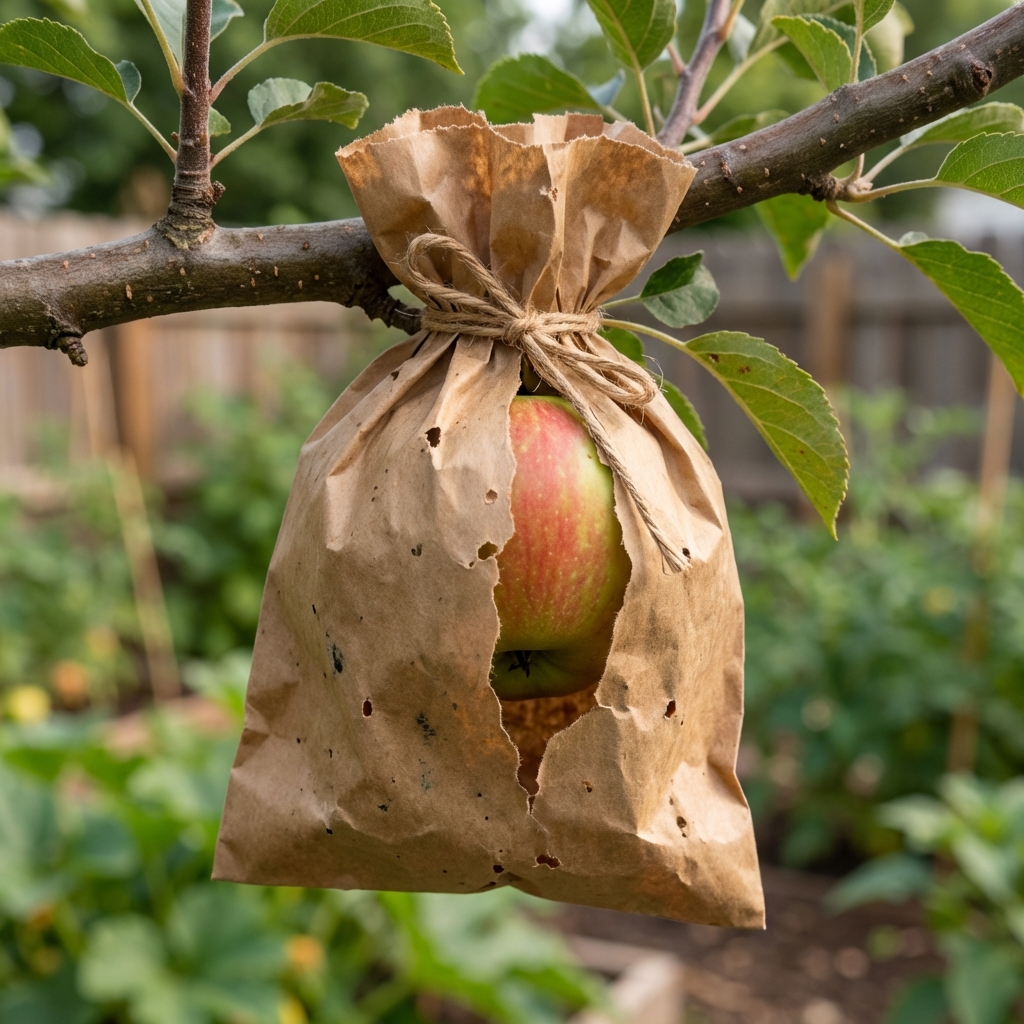
- Use fruit bags on individual apples, pears, and peaches when feasible.
- For grapes and berries, try netting secured at the bottom so it does not create an easy tunnel entrance.
- Do a dusk walk during peak season. If you see fresh damage, shift harvest earlier for a couple weeks.
Eco-friendly deterrents: what helps and what to skip
Worth trying (best as support, not the main plan)
- Motion-activated lights or sprinklers: Can reduce nighttime visits, especially near compost or coops. Expect some habituation over time, so rotate placement or use them in short bursts.
- Peppermint oil: May help in enclosed spaces like a shed corner when refreshed often. Outdoors, it fades fast.
- Gravel strips: May make digging less appealing along a fence line, especially when paired with a weed barrier or hardware cloth edging. Do not expect gravel alone to stop an established burrow.
Usually not worth your time
- Ultrasonic devices: Results are inconsistent outdoors and rats adapt.
- Loose mothballs: Not a safe garden solution and can be harmful to pets and wildlife.
- Random “rat repellent” powders: Most wash away, and many do not address the real reason rats are there.
Safer control options when prevention is not enough
If you have active rats, prevention alone can be too slow. In that case, targeted control can help you regain control of the yard while you keep tightening up food, water, and cover.
Snap traps (effective and targeted)
A well-placed snap trap is often the most straightforward option with the least environmental spillover when used correctly.
- Use traps sized for rats, not mouse traps.
- Place along walls, fences, and runways with the trigger end toward the wall.
- Use a protective trap box if you have pets, kids, or wildlife in the area.
- Pre-bait if traps are getting ignored: set the trap unset with bait for 1 to 2 nights, then set it.
- Use multiple traps for faster results. A common starting point is 1 trap every 10 to 20 feet along an active runway.
- Check traps daily (twice daily is even better in warm weather).
- Bait options that often work: peanut butter, a small piece of dried fruit, or a nut wedge.
Live traps (only if you can handle the next step)
Live traps can catch rats, but they require frequent checks and a humane, legal plan. In many areas, relocation is not allowed and can spread disease or create problems elsewhere. If you are not sure what is permitted, stick with exclusion and snap traps in secure boxes.
Skip glue traps
Glue boards are widely considered inhumane and can also trap birds, lizards, and other non-target animals. In a backyard setting, they are a bad fit.
Avoid outdoor poison whenever possible
Rodenticides are a major source of secondary poisoning for owls, hawks, foxes, coyotes, and even pets. Risk varies by product, but anticoagulant baits are a well-known concern. If a severe infestation forces you to consider bait, treat it like a last resort and talk with a licensed professional about enclosed, tamper-resistant stations and local rules.
Safe cleanup around droppings and garden areas
If rats have been around food plants, take cleanup seriously. Rat urine and droppings can carry pathogens.
- Keep kids and pets away from contaminated areas until you clean up.
- Wear gloves. Consider a mask if you are cleaning a dusty shed or enclosed space.
- Do not dry sweep. Lightly mist droppings with disinfectant or a bleach solution, wait a few minutes, then wipe up.
- Wash hands, sanitize tools, and rinse harvest containers after working in affected areas.
- Wash produce well, and discard anything with obvious gnawing or contamination.
A simple 7-day action plan
If you feel overwhelmed, use this checklist. It is realistic for a typical home garden.
- Day 1: Pick up fallen fruit, clean spills under feeders, bring pet food and water in at night if possible.
- Day 2: Inspect compost and switch to burying scraps in the center and adding browns. Cover or upgrade the bin if needed.
- Day 3: Trim ground cover back from fences and structures. Clear clutter near beds.
- Day 4: Identify burrow openings and runways. Mark them so you can tell if activity continues.
- Day 5: Install hardware cloth where it matters most (bed edges, shed gaps, vents). Fix obvious leaks.
- Day 6: Set snap traps in secure boxes along runways if activity is still fresh. Consider pre-baiting if they are trap-shy.
- Day 7: Recheck everything, move deterrents if using them, and keep the cleanup routine going.
When to call a pro
Get help if you are seeing rats in daylight, finding heavy droppings daily, noticing damage to wiring, or dealing with burrows under slabs or foundations. A good wildlife control pro can help you locate entry points and set up exclusion correctly, which is usually the long-term fix. You can also check local vector control or your county extension office for region-specific guidance.
FAQ
Will cats get rid of rats outside?
Sometimes cats reduce activity, but it is not reliable, and outdoor cats can harm songbirds and other wildlife. Focus on removing food, water, and cover first.
Do rats eat vegetable plants?
Yes. They will chew seedlings, take tomatoes and melons, dig for newly planted seeds, and gnaw on drip lines. Protection and cleanup make the biggest difference.
What smell do rats hate most?
Strong scents like peppermint or eucalyptus can discourage rats in small enclosed areas, but outdoors they fade quickly. Smells are support tools, not a main solution.

Jose Brito
I’m Jose Britto, the writer behind The Country Store Farm Website. I share practical, down-to-earth gardening advice for home growers—whether you’re starting your first raised bed, troubleshooting pests, improving soil, or figuring out what to plant next. My focus is simple: clear tips you can actually use, realistic expectations, and methods that work in real backyards (not just in perfect conditions). If you like straightforward guidance and learning as you go, you’re in the right place.