Let’s get one thing out of the way: there is no such thing as a plant that deer will never eat. If a herd is hungry enough, you have a drought year, or new fawns are sampling everything, deer will test your “deer-proof” list.
But there are flowers deer usually leave alone, and you can stack the odds even more in your favor with a few organic habits. This page focuses on the easiest wins: tough, commonly available flowers with scents, textures, or sap that deer tend to avoid, plus low-fuss, natural deterrents that fit a backyard routine.
Quick note: Deer preferences vary by region, season, and local food pressure. Use this as a strong starting point, then adjust based on what your local herd is doing.
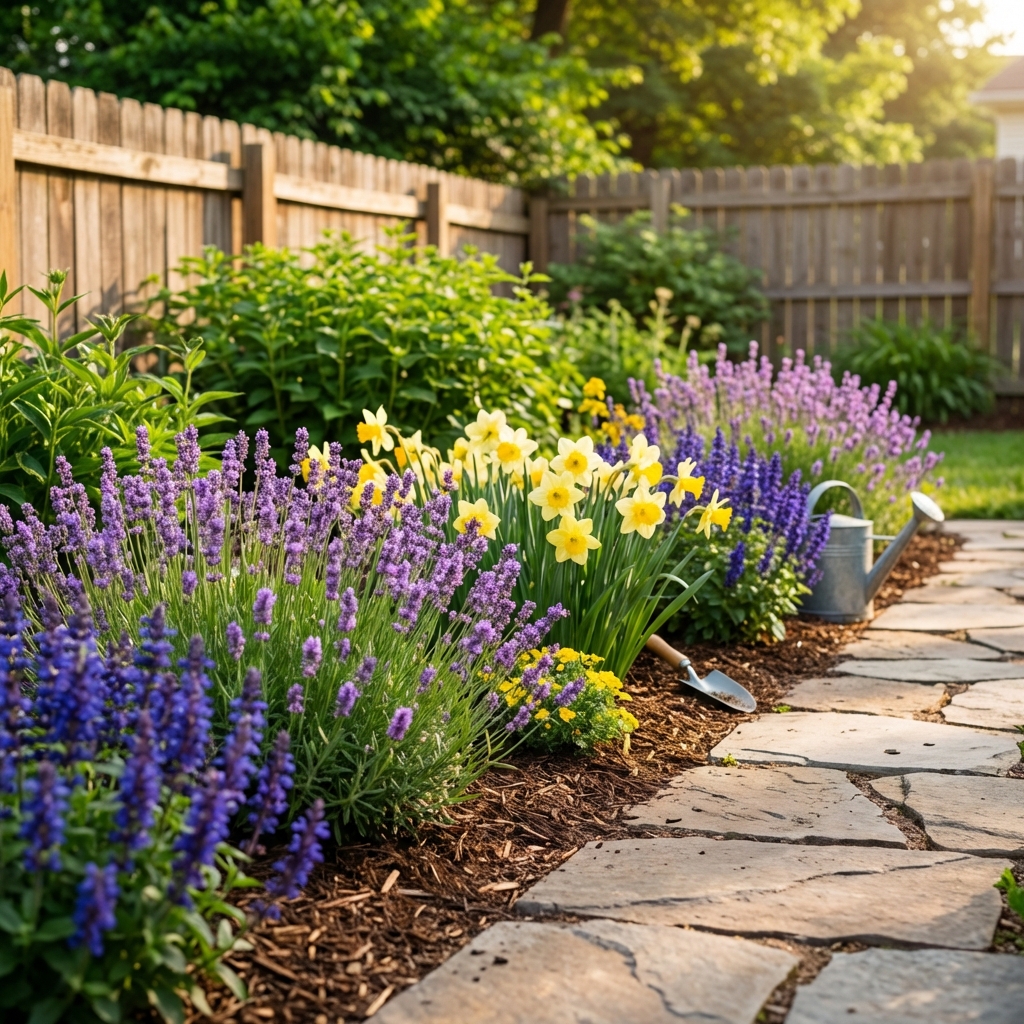
Why deer skip some flowers
Deer are browsers. They prefer tender, mild, easy-to-chew growth. Flowers that get passed over usually fall into one of these categories:
- Strong scent (lavender, alliums, some salvias)
- Fuzzy, rough, or prickly texture (lamb’s ear, globe thistle)
- Milky or irritating sap (some euphorbias)
- Bitterness or toxicity (daffodils are a classic example)
That is why “deer-resistant” is really about plant traits plus timing. Fresh spring growth is when many plants are most tempting, so your protection matters most early in the season and during any new flush of growth.
Effortless deer-resistant flowers
These are reliable, beginner-friendly choices. Most are low-maintenance once established and do not require fancy soil or constant attention.
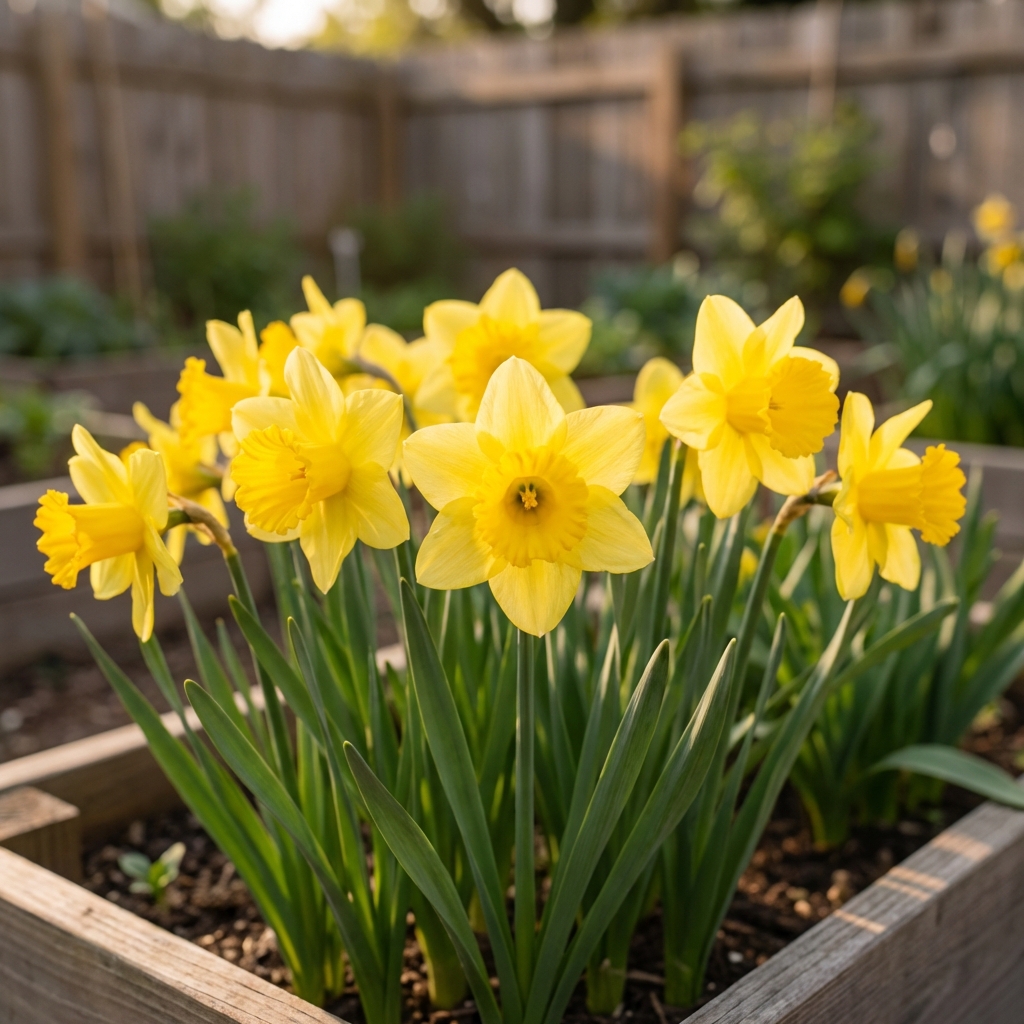
Daffodils (Narcissus)
If you want a near set-and-forget bulb that deer usually avoid, start here. Daffodils contain compounds deer tend not to mess with.
- Light: Full sun to partial sun
- Water: Moderate in spring, then minimal
- Easy tip: Plant bulbs in fall, and let the foliage yellow naturally after bloom to feed next year’s flowers.
Lavender (Lavandula)
Lavender earns its spot for scent and drought tolerance. Deer typically dislike the strong fragrance and resinous leaves.
- Light: Full sun
- Soil: Well-drained is non-negotiable
- Easy tip: Choose a variety suited to your climate and USDA zone. If lavender struggles, it is often wet soil or winter conditions, not lack of fertilizer.
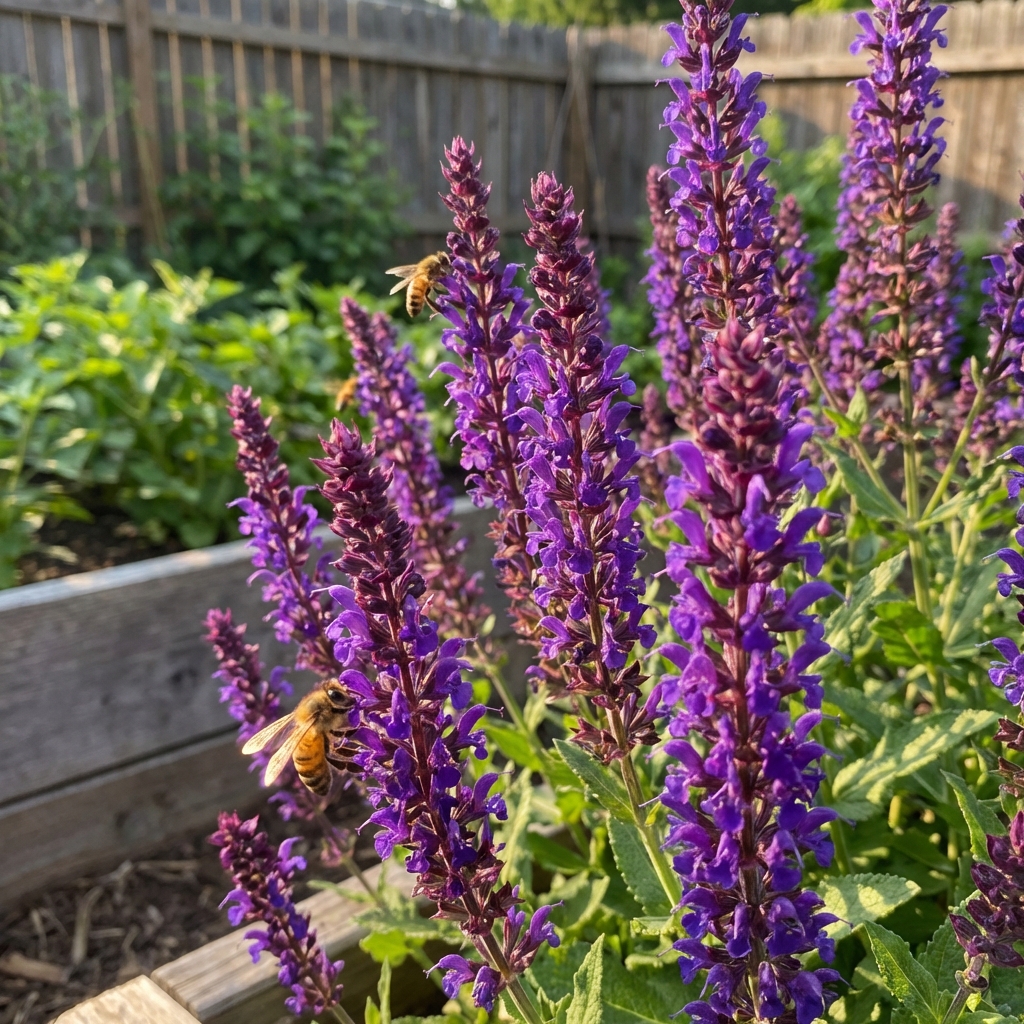
Salvia (ornamental sage)
Salvia brings long bloom time and pollinator traffic, and many varieties are fairly deer-resistant due to aromatic foliage.
- Light: Full sun to partial sun
- Care: Deadhead or shear lightly to encourage repeat blooms
- Easy tip: Pick a salvia that fits your zone and winter conditions. Once established, many salvias handle heat and lean soil better than pampered plants.
Yarrow (Achillea)
Yarrow is a tough perennial with ferny foliage deer often ignore. It thrives in average soil and is great for hot, dry spots.
- Light: Full sun
- Care: Cut back spent blooms to tidy and encourage more flowers
- Easy tip: Do not over-fertilize or you will get floppy growth.
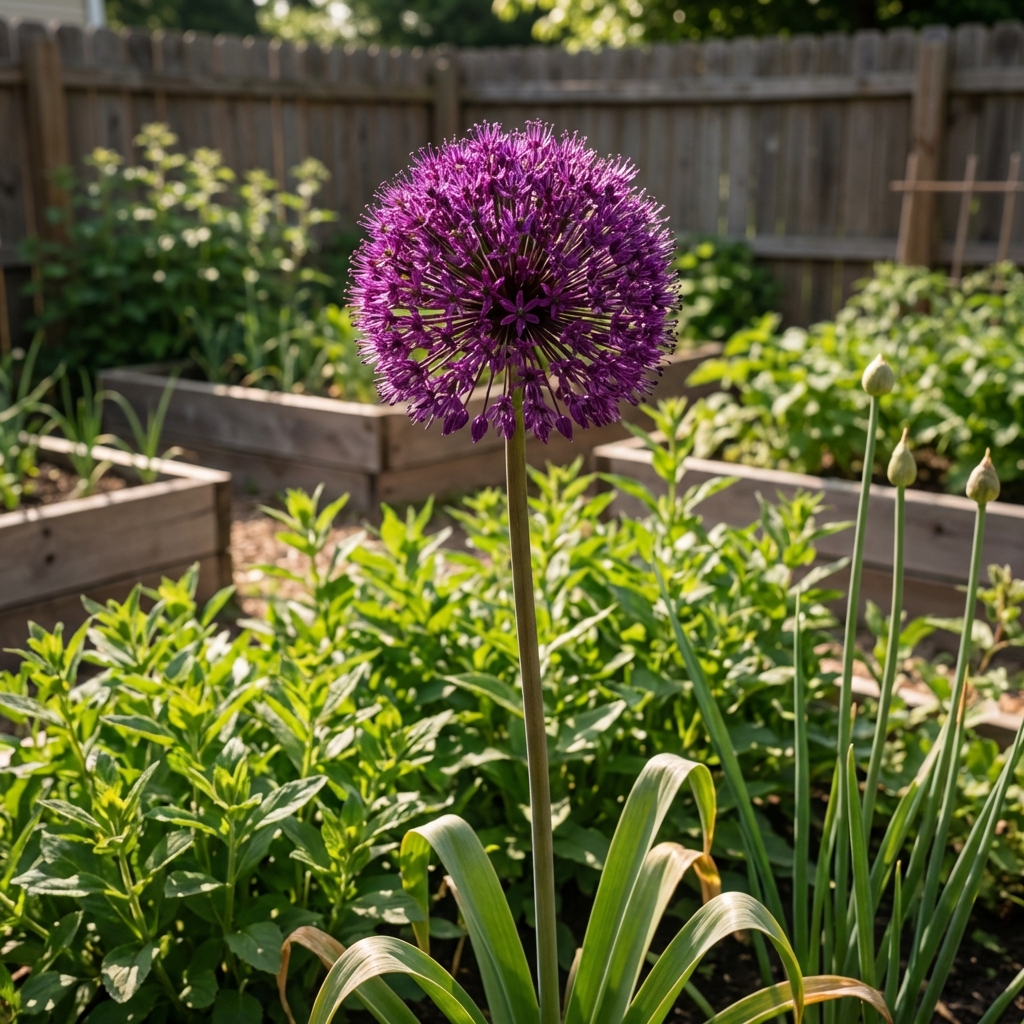
Alliums (ornamental onions)
Alliums have that onion-garlic scent that deer generally avoid. They also add a clean, architectural look to beds.
- Type: Bulb alliums for spring, ornamental alliums for summer depending on variety
- Light: Full sun
- Easy tip: Mix alliums through beds as a “scent barrier” among more tempting plants.
Marigolds (Tagetes)
Marigolds are not a force field. Their strong smell and tougher texture can sometimes help, but results are mixed and deer will still browse them in some yards, especially under pressure. They are an easy annual for borders and containers.
- Light: Full sun
- Care: Deadhead to keep blooms coming
- Easy tip: Use as edging around beds you want to protect, especially in summer, and be ready to switch tactics if deer sample them.
Peonies (Paeonia)
Peonies are deer-resistant in many yards once established. They are also long-lived and fairly low-maintenance.
- Light: Full sun to partial sun
- Care: Support heavy blooms if needed, cut stems back in fall
- Easy tip: Do not plant too deep. Eyes should sit close to the soil surface. In some areas deer may nibble buds or foliage, so keep an eye on them in spring.
Lamb’s ear (Stachys byzantina)
That soft, fuzzy leaf texture is a big reason deer tend to leave it alone. It also makes a nice edging plant.
- Light: Full sun to partial sun
- Soil: Well-drained, especially in humid climates
- Easy tip: Thin crowded clumps to improve airflow and prevent rot.
Globe thistle (Echinops)
Spiky texture plus a bold look. This one is generally not on deer’s favorite menu and it holds up in tough conditions.
- Light: Full sun
- Care: Minimal once established
- Easy tip: Great for the back of a border where you want height without fuss.
Quick picks by situation
Sunny, dry, low maintenance
- Lavender
- Yarrow
- Salvia
- Globe thistle
Spring color with fewer deer issues
- Daffodils
- Alliums
Edges and fillers
- Lamb’s ear
- Marigolds (annual border, mixed results)
Organic solutions that help
Plant choice is your first layer. After that, it is about making your yard less inviting without turning gardening into a full-time job.
1) Use an organic repellent strategically
Organic repellents work best when you treat them like a routine, especially in spring when new growth is most attractive.
- Look for: Putrescent egg solids, garlic, or essential-oil based repellents labeled for deer
- When to apply: Start early, before you see damage
- Reapply: After heavy rain, and as directed on the label
- Safety: Follow label directions. Use extra care around edibles and only apply products labeled for edible gardens to edible plants.
Reality check: Repellents are often “good enough” when pressure is moderate. In high-pressure areas, they are a helper, not a standalone solution.
2) Build a scent border
Instead of placing one lavender plant in the middle of a buffet, build a border of aromatic plants (lavender, salvia, alliums) around the beds you care about most. It can reduce casual browsing, but it is not a true barrier. Deer can step over it, push through it, and may get used to it over time.
3) Go easy on high nitrogen
High-nitrogen fertilizers can encourage tender, lush growth that deer love. If you fertilize, keep it balanced and modest. Many perennials listed above perform better in average soil than in heavily amended beds.
4) Water in the morning and keep beds tidy
This is more of a whole-garden-health move. Healthier plants bounce back faster from nibbling. Morning watering helps foliage dry, and clean edges help you notice damage early.
5) The most organic “repellent” is a barrier
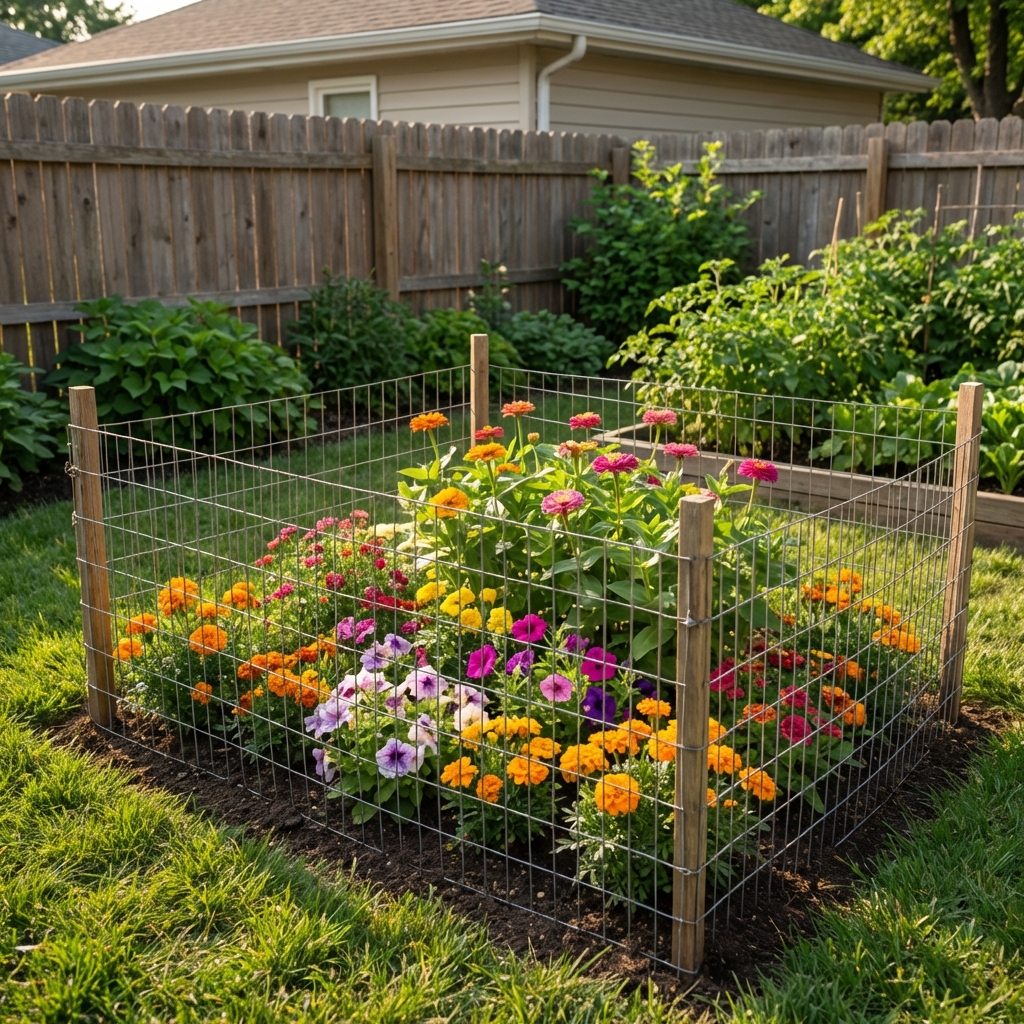
If deer are relentless where you live, the only consistently dependable solution is physical exclusion.
- Small areas: Temporary netting over young plants, or individual cages made from wire fencing
- Perimeter fencing: For consistent protection, many gardeners use 7.5 to 8 ft deer fencing (with a gate that closes fully). Shorter fences can work in small spaces with smart layouts, but they are less reliable.
- Vegetable beds near flowers: Consider a dedicated fenced zone so deer do not learn your yard is easy food
Design tips for fewer deer issues
- Put the most deer-resistant flowers on the outside. Use daffodils, lavender, alliums, and salvias as the front line.
- Cluster plants instead of scattering them. A single tasty plant is easy to target. A dense, mixed planting with strong scents is harder to browse neatly.
- Protect new plants early. Deer often sample what is new. Use cages, netting, or repellent for the first few weeks, and again during flushes of new growth. If browsing continues, extend protection.
- Match plants to your site. A stressed plant can be more appealing and is slower to recover. Give sun-lovers real sun and good drainage.
Common mistakes
Assuming one “deer-proof” plant solves the whole yard
Deer-resistant flowers are part of a system. If you have hostas, tender annuals, and vegetable beds nearby, deer will still visit. Use resistance plus placement plus deterrents.
Waiting to spray until damage starts
Once deer learn a bed is safe and tasty, they come back. Start repellents early, especially in spring and during dry spells.
Not reapplying after rain
Rain washes off many repellents. Put a quick reminder on your calendar during peak browsing periods.
Simple flower plan to copy
If you want a low-effort layout that looks good and tends to hold up:
- Front edge: Lamb’s ear (soft edging) plus marigolds for summer color (if deer ignore them in your area)
- Middle layer: Salvia for long bloom and pollinators
- Back layer: Yarrow or globe thistle for height and toughness
- Seasonal boost: Daffodils and allium bulbs tucked throughout for spring impact
Use an organic deer repellent on new growth early in the season, then spot-treat after heavy rains or when you see fresh browsing.
FAQ
Will coffee grounds keep deer away?
Sometimes people see short-term results, but it is inconsistent and washes away quickly. If you use coffee grounds, treat it as a soil amendment in compost, not a reliable deer strategy.
Are deer-resistant flowers safe for pets?
Not always. For example, daffodils can be toxic if ingested. If you have pets that chew plants, check toxicity for each flower you grow and place riskier plants out of reach.
What if deer are eating everything anyway?
That is a high-pressure situation. Step up to barriers (cages or fencing) for your favorite plants, and use repellents as a support tool. In many neighborhoods, physical exclusion is the only method that stays consistent year after year.
Bottom line
The easiest way to win with deer is to start with flowers they usually avoid, then reinforce that choice with a light, repeatable organic routine. Daffodils, lavender, salvias, yarrow, alliums, and lamb’s ear are strong, low-maintenance options for real backyards. Add strategic repellent early in the season, choose varieties suited to your zone, and keep a small barrier option ready for new plantings or high-pressure weeks.

Jose Brito
I’m Jose Britto, the writer behind The Country Store Farm Website. I share practical, down-to-earth gardening advice for home growers—whether you’re starting your first raised bed, troubleshooting pests, improving soil, or figuring out what to plant next. My focus is simple: clear tips you can actually use, realistic expectations, and methods that work in real backyards (not just in perfect conditions). If you like straightforward guidance and learning as you go, you’re in the right place.