Mice are small, fast, and surprisingly bold once they find easy food and cozy cover. In a garden, that can look like missing seeds, chewed seedlings, tunnels under mulch, and droppings in the shed. The good news is you usually do not need extreme measures. Most mouse problems are solved by doing three things consistently: remove what attracts them, block access, and use targeted control where activity is highest.
This guide focuses on home remedies and garden-safe strategies that real home growers can use, including where they work best and where they fall short.
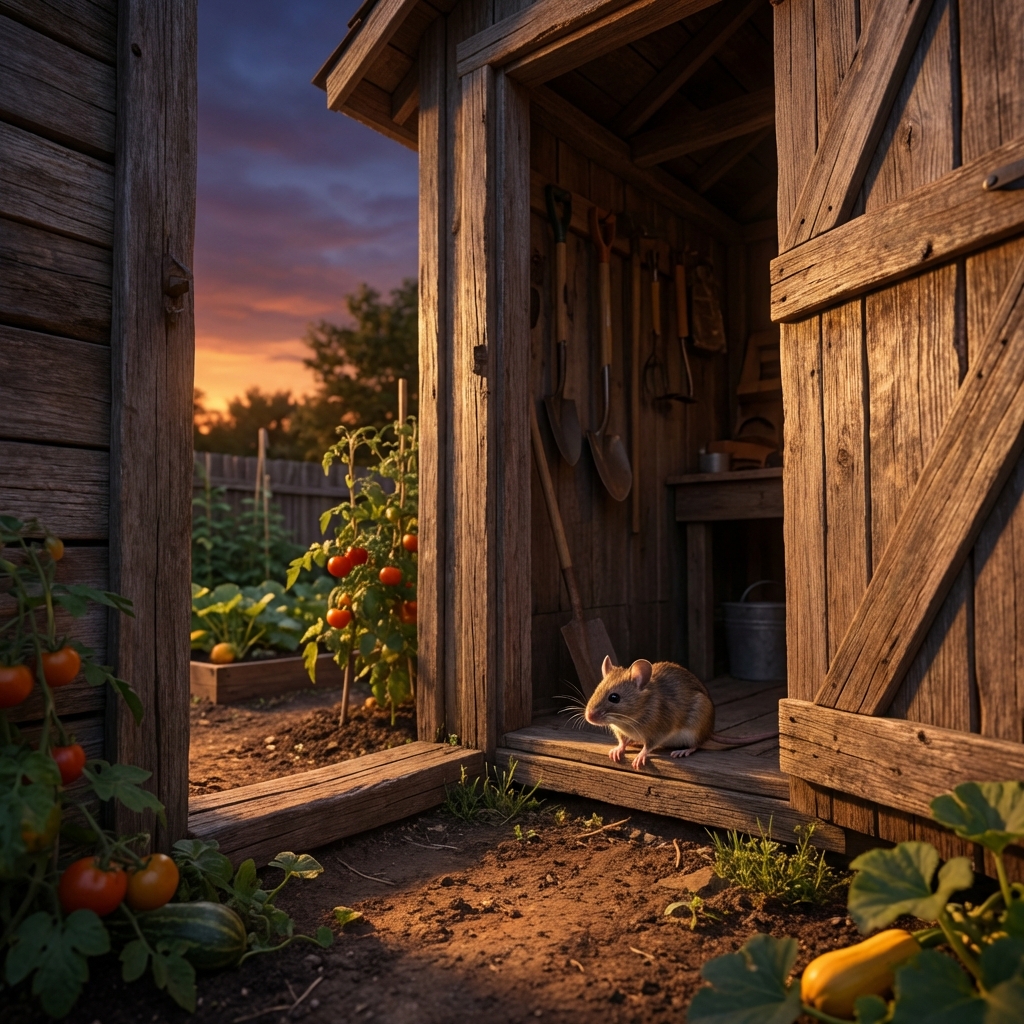
Know what you are dealing with
Before you start sprinkling peppermint everywhere, make sure the damage actually points to mice. It is also worth noting that chipmunks and squirrels can steal seeds, especially larger seeds like peas, beans, and corn.
Common mouse signs in gardens
- Small droppings that look like dark rice grains (often along walls, under shelves, or near stored feed).
- Chewed seeds and seedlings, especially peas, beans, corn, sunflower, and newly planted starts.
- Shallow runways through grass or mulch and small holes near foundations, compost, or dense ground cover.
- Nests made from shredded paper, insulation, dryer lint, or dried grass in sheds, raised bed corners, or tucked under tarps.
Mice vs. voles vs. rats
Voles are more likely to leave obvious surface runways with small openings, and they commonly damage plants by chewing roots and bark (especially at the base). Rats leave larger droppings and heavier gnawing damage, and they are more likely to target fruit and larger produce. If you suspect rats, scale up your exclusion and trapping and consider professional help, especially around homes.
The most effective “home remedy” is removing the buffet
Repellents can help, but mice will tolerate a lot if the food is easy. Start here first because it makes every other method work better.
Quick garden cleanup checklist
- Pick up fallen fruit and nuts daily in season.
- Store birdseed, chicken feed, and pet food in sealed metal cans with tight lids.
- Do not leave compost scraps exposed. Bury fresh scraps in the center and keep a lid or cover on the pile.
- Cut back dense weeds and tall grass around beds, fences, and sheds.
- Move wood piles and stacked pots at least 18 to 24 inches off the ground if possible, and away from the house.
Realistic expectation: If you have chickens, a bird feeder, or a lot of fallen fruit, you will never have zero mice. The goal is to keep populations low and away from your beds and buildings.
Essential home remedies that can actually help
Most home remedies work as short-term deterrents. They are best used to push mice away from specific spots like a seed-starting shelf, shed doorway, or the edge of a raised bed.
Quick reality check: The evidence for scent-based repellents is mixed, and results vary with weather, how much mouse pressure you have, and whether there is competing food nearby. Use these as a layer, not your whole plan.
1) Peppermint oil (best for small enclosed areas)
Peppermint oil is one of the most popular DIY repellents. It can help in enclosed spaces, but outdoors it fades fast.
- How to use: Put 10 to 15 drops of peppermint oil on cotton balls and place them in shallow dishes near mouse activity. Refresh every 2 to 3 days.
- Where it works: Sheds, garages, cabinets, greenhouse corners.
- Where it struggles: Open garden beds, windy porches, rainy areas.
Safety note: Keep essential oils away from pets, especially cats, and do not drip oil directly into soil where roots are concentrated.
2) White vinegar wipe-down (best for trails and entry points)
Vinegar does not “eradicate” mice, but it can reduce odor trails on hard surfaces.
- How to use: Mix equal parts white vinegar and water. Wipe shelves, corners, and around door thresholds. Reapply weekly, or after cleaning.
- Where it works: Sheds, potting benches, storage areas.
3) Cloves or cinnamon sachets (mild deterrent)
Strong spice scents can be mildly irritating to rodents. Think of these as a layer, not a solution.
- How to use: Fill small breathable cloth bags with whole cloves or cinnamon sticks and place near stored items.
- Best use: Pantry-style storage, seed bins, enclosed shelves.
4) Steel wool plus caulk (the home remedy most people skip)
If you only do one thing, do this. Blocking entry is what stops repeat infestations.
- How to use: Pack steel wool into gaps, then seal with exterior-grade caulk or expanding foam rated for pest blocking. Steel wool alone can rust over time, so the sealant (or a small piece of metal flashing) is what makes the fix last.
- Where to check: Under shed doors, where pipes enter, around vents, cracked corners, and gaps at the base of siding.
- Upgrade that helps: Add a door sweep to shed doors and use 1/4-inch hardware cloth over vents and openings.
Mice can squeeze through openings as small as 1/4 inch. If you can fit a pencil into the gap, treat it as an entry point.
Garden protection: keep mice from stealing seeds and chewing seedlings
In early spring and fall, mice are most tempted by freshly worked soil and new plantings. Protecting the first two weeks after planting often solves the “mice ate my seeds” problem.
Use physical barriers where it counts
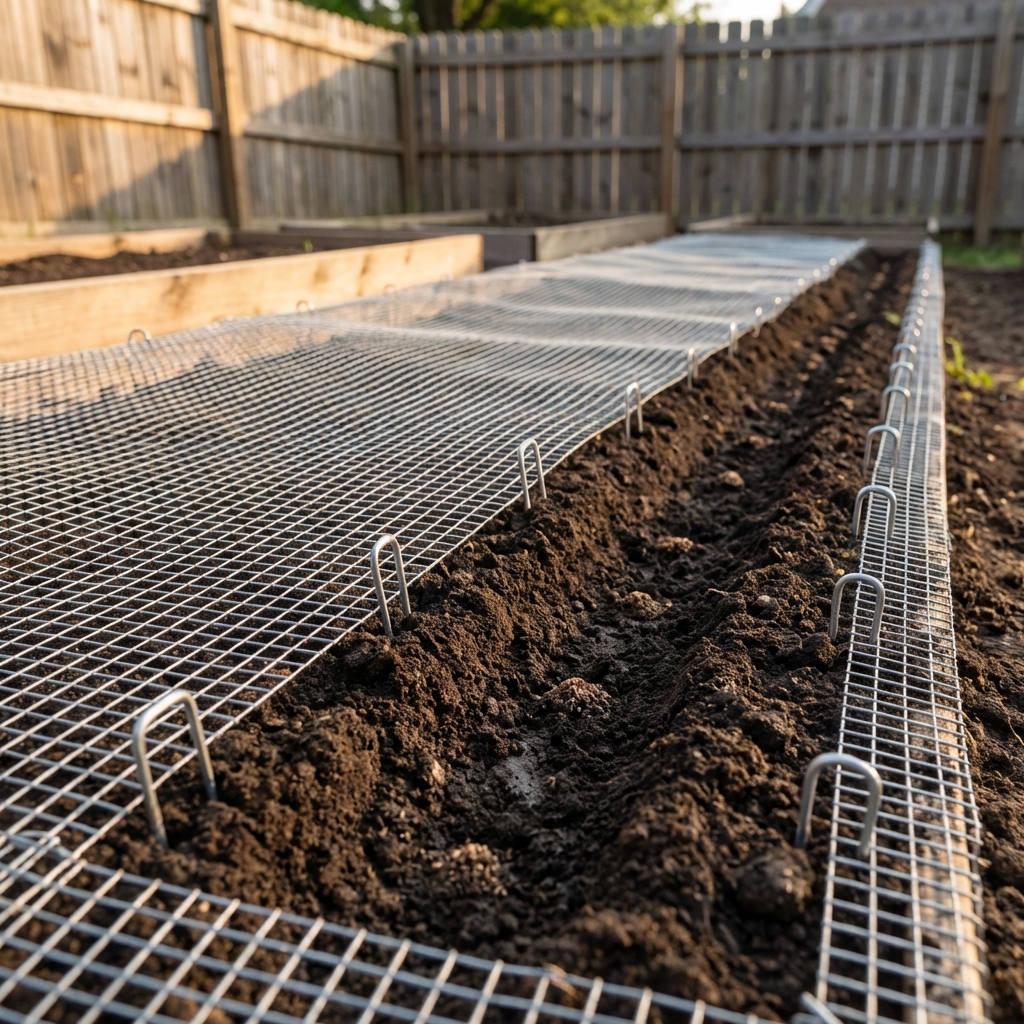
- Seed rows: Lay hardware cloth (1/4 inch) flat over the row and pin it down until seedlings are established.
- Raised beds: If tunneling is an issue, install hardware cloth on the bottom of the bed before filling.
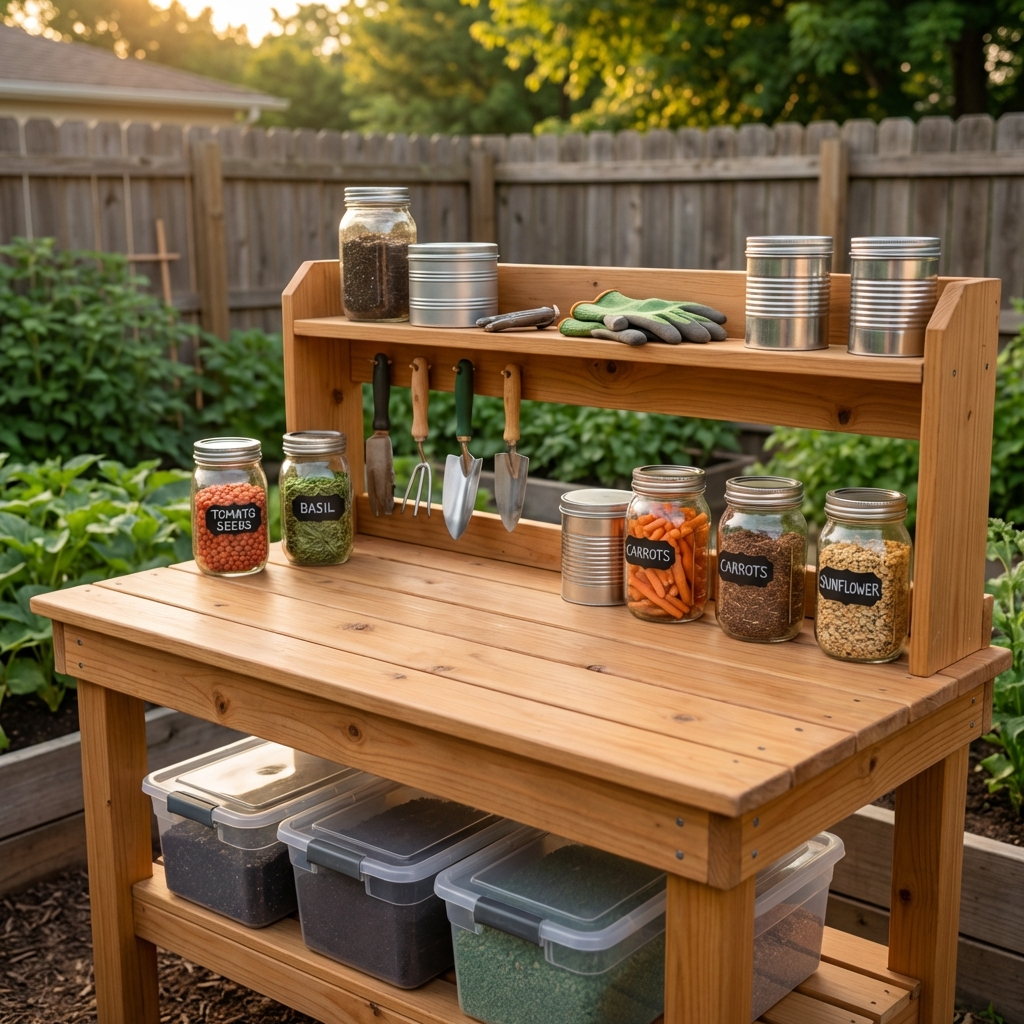
- Seed starting area: Store seed packets and bulbs in sealed containers. Mice will chew paper and plastic.
Make your mulch less inviting
Deep, fluffy mulch is a great hiding spot. Keep mulch pulled back a couple inches from seed rows and plant stems, especially during cool weather.
Trapping: the most reliable DIY control when mice are active
If you are seeing droppings or hearing activity, repellents alone will not keep up. Trapping is usually the fastest way to reduce the population for typical garden and shed situations. If you have heavy, ongoing activity or mice inside the home, plan on a more integrated approach and consider professional help.
How to confirm activity fast
- Look for fresh droppings that are dark and soft (older droppings are dry and dusty).
- Dust a light layer of flour or talc near suspected runways overnight and check for tracks.
- Watch for new gnaw marks on seed bags, wood edges, or foam.
Snap traps (quick and effective)
- Place traps along walls and edges where mice travel, not out in the open.
- Set the trigger end against the wall.
- Use small amounts of bait: peanut butter or a peanut butter and oats mix works well.
- Check daily.
- Safety: Keep traps away from kids and pets. In sheds and outbuildings, consider placing snap traps inside a simple covered box or tamper-resistant trap station so only mice can reach them.
Live traps (humane, but relocation is tricky)
Live traps can work for one or two mice, but relocating rodents is restricted in some areas and often results in the animal not surviving. If you choose a live trap, have a plan before you set it and check it frequently.
Avoid glue traps
Glue boards cause prolonged suffering and can catch birds, lizards, and beneficial wildlife. They are a bad fit for garden use.
Clean up droppings and nests safely
When you find droppings or nesting material in a shed, slow down and clean it the safe way.
Health safety note: Do not sweep or vacuum dry droppings or nesting material. That can kick dust into the air that may carry pathogens (including hantavirus in some regions). Instead, wear gloves (and a mask if you have one), ventilate the area, mist droppings and nests with disinfectant (or a bleach solution), let it sit, then wipe up with paper towels. Bag the waste and wash hands afterward.
Natural predators: help them help you
You do not need to “introduce” predators. You can simply make your yard less friendly to mice and more workable for predators that are already around.
- Owl boxes can help in rural or semi-rural areas where owls already hunt.
- Keep some open sight lines by trimming weeds and brush near beds so hawks and owls can spot movement.
- If you have outdoor cats, understand they can affect birds and wildlife. Cats may reduce rodents but come with tradeoffs.
What not to do in a garden
- Do not scatter poison bait outdoors. It risks pets, kids, and secondary poisoning of owls, hawks, foxes, and neighborhood cats. Local rules and product labels vary, and some rodenticides are restricted for good reason.
- Do not rely on ultrasonic plug-ins. Results are inconsistent, and outdoor use is especially unreliable.
- Do not “set and forget.” If you do not fix food and shelter, mice come right back.
Simple 7-day action plan
If you want a clear start, use this one-week reset. It is realistic for busy gardeners and covers the basics.
- Day 1: Clean up fallen fruit, spilled seed, and clutter near beds and sheds.
- Day 2: Seal feed and seed in metal or thick plastic containers with tight lids.
- Day 3: Trim weeds and tall grass around beds, fences, and foundations.
- Day 4: Inspect the shed and house edge for gaps. Plug with steel wool and seal. Add a door sweep if light shows under the door.
- Day 5: Set 4 to 8 snap traps along walls where you saw droppings, tracks, or rubbing marks.
- Day 6: Protect seed rows with hardware cloth if you are planting soon.
- Day 7: Recheck traps and refresh peppermint cotton balls in storage areas.
FAQ
Will peppermint oil get rid of mice completely?
No. It can discourage mice in small areas, but it will not solve an active infestation by itself. Use it alongside cleanup, exclusion, and trapping.
Are mothballs a good home remedy for mice?
No. Mothballs are pesticides and the fumes can be harmful to people and pets. They are not a safe garden solution.
Why are mice suddenly in my raised bed?
Common triggers are fresh compost, thick mulch, nearby bird feeder spill, or cool weather that pushes them toward shelter. Reduce cover, keep food sealed, and consider hardware cloth barriers.
What if I still see activity after 10 to 14 days?
Recheck food sources (especially birdseed spill and feed storage), add more traps along the edges where mice travel, and confirm you are dealing with mice and not voles or rats. If mice are getting into the home, or you cannot get ahead of the problem, it is time to bring in a pro.
Bottom line
The essential home remedy for mice is not a single spray or scent. It is a combo: remove food sources, reduce hiding spots, seal entry points, and trap where needed. Do that for two weeks and you will almost always see a noticeable drop in activity, plus fewer chewed seeds and surprise droppings around the garden.

Jose Brito
I’m Jose Britto, the writer behind The Country Store Farm Website. I share practical, down-to-earth gardening advice for home growers—whether you’re starting your first raised bed, troubleshooting pests, improving soil, or figuring out what to plant next. My focus is simple: clear tips you can actually use, realistic expectations, and methods that work in real backyards (not just in perfect conditions). If you like straightforward guidance and learning as you go, you’re in the right place.