When fleas show up, most people go straight to spraying. The problem is fleas are not just a pet issue or a carpet issue. They are often a yard and microclimate issue. If your garden has cool shade, damp pockets, leaf litter, or thick groundcover near where pets rest, fleas can keep cycling no matter how much you vacuum.
This page walks you through a practical, garden-friendly approach I use for real backyards: reduce habitat, interrupt the flea life cycle, and only reach for stronger options when you actually need them.
Know what you are fighting: the flea life cycle
Most of the flea problem is not the adult fleas you see. It is eggs, larvae, and pupae hiding in protected spots.
- Adults live on pets and bite people.
- Eggs fall off into bedding, cracks in floors, rugs, and outdoor resting areas.
- Larvae avoid light and thrive in shady, slightly moist debris like thatch, leaf litter, and the soil surface.
- Pupae can wait and then hatch when they sense vibration and heat.
That is why one big treatment rarely fixes it. You need steady pressure for 2 to 8+ weeks depending on temperature, humidity, and how protected the outdoor spots are. Cooler weather and sheltered areas can stretch the timeline.
Step 1: Make the yard less flea-friendly
Target the pet zones first
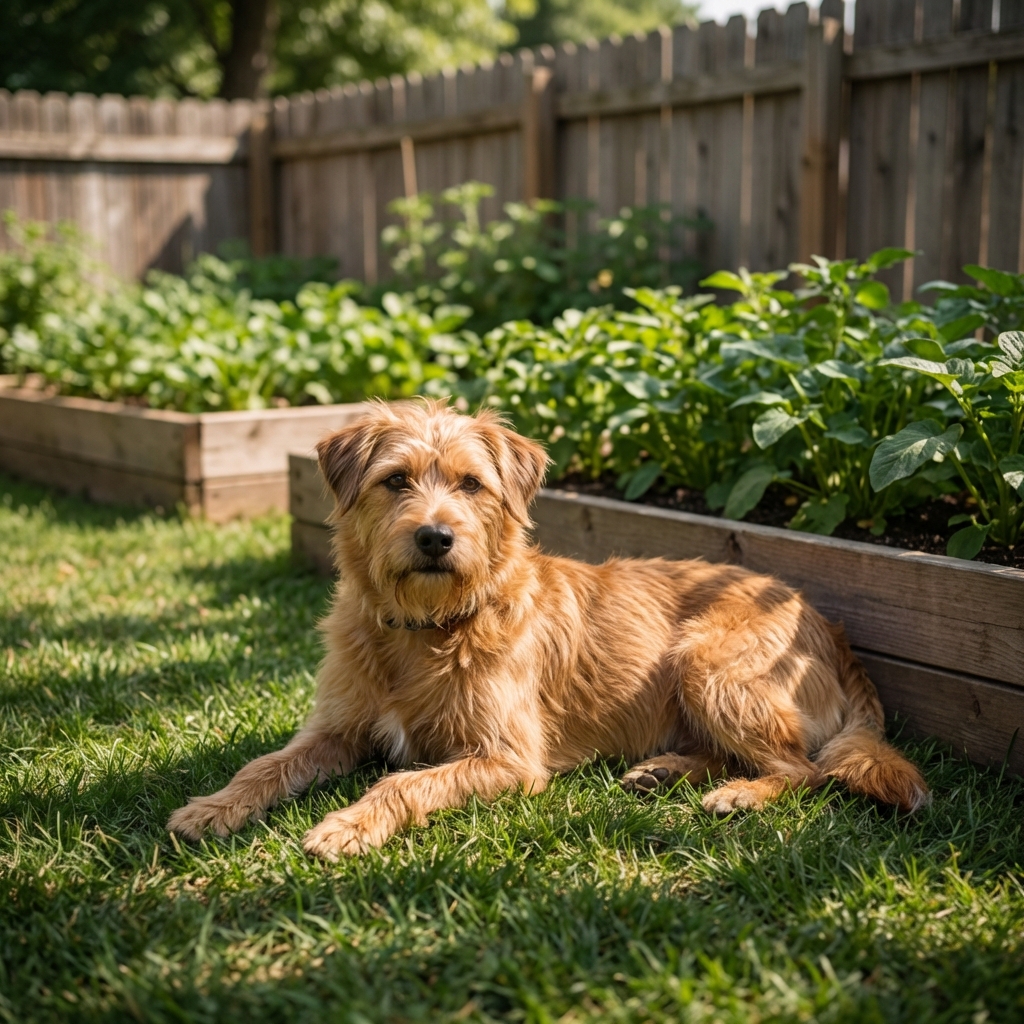
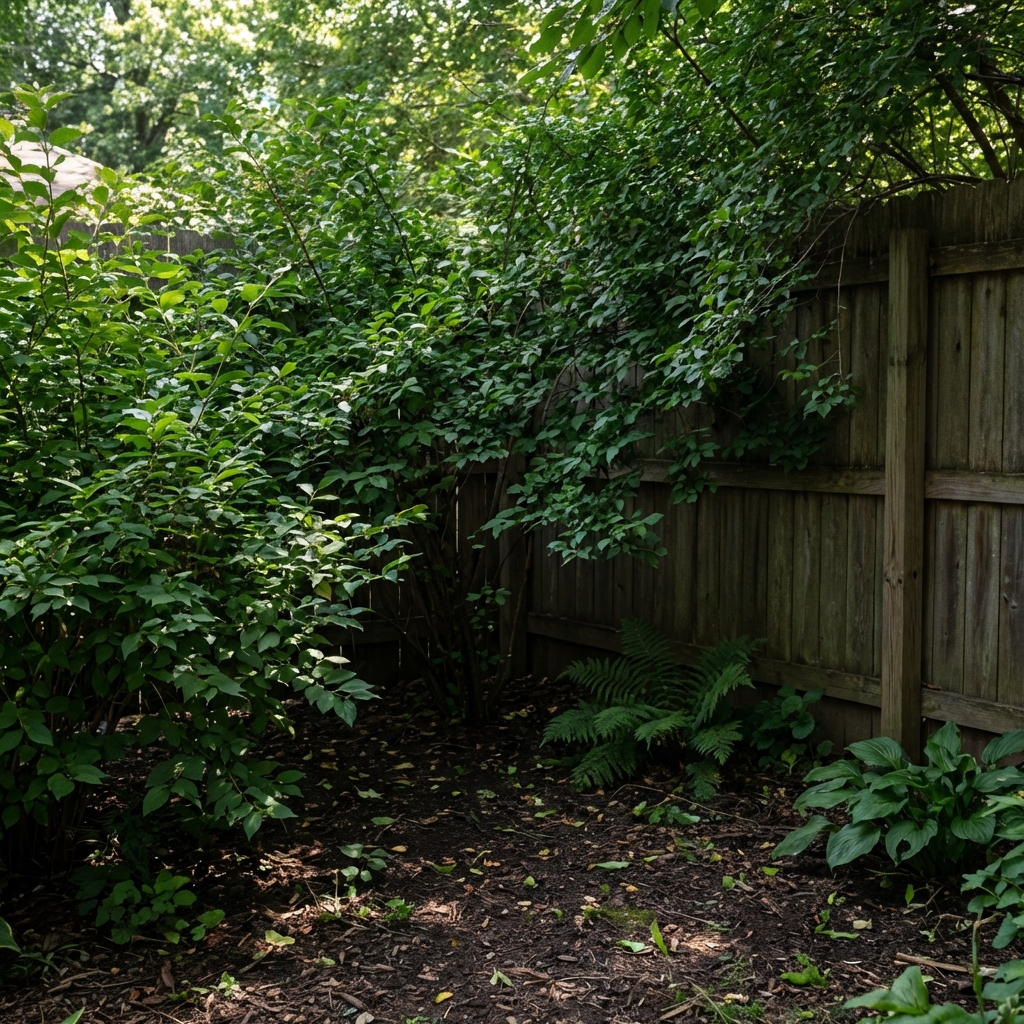
Fleas concentrate where pets spend time: under decks, along fences, under shrubs, in dog runs, and in shady lawn edges near beds. Start there before you treat the whole yard.
If fleas keep coming back, also consider wildlife and stray animals. Raccoons, opossums, stray cats, and even rodents can keep outdoor flea populations going near sheds, crawlspaces, and under decks.
Mow high, but remove excess thatch
Super short mowing can stress grass and expose soil. Instead:
- Mow regularly to keep the yard open to sun and airflow.
- If you have thick thatch, rake it out in problem zones. Thatch is prime larval shelter.
Rake leaf litter and clean up hiding spots
Larvae love organic debris on the soil surface. In flea hotspots:
- Rake leaves, old mulch chunks, and matted grass clippings.
- Trim back dense groundcovers where pets sleep.
- Keep woodpiles and compost areas a bit away from pet hangouts if possible.
Dry out the damp pockets
Fleas and larvae do better with moisture. If a corner stays damp:
- Fix leaky spigots and dripping irrigation.
- Water early morning and avoid overwatering lawn edges.
- For persistent soggy areas, think drainage first: loosen or aerate compacted soil, adjust grade where you can, and use swales or drains for standing water. Organic matter can help long-term soil structure, but it is not a quick fix on its own.
Step 2: Garden-safe treatments that actually help
Beneficial nematodes (a garden-friendly tool for larvae)
If you want a garden-friendly option that targets the source, beneficial nematodes can help a lot when applied correctly. Look for products labeled for fleas. Many are based on Steinernema feltiae, and some products use Steinernema carpocapsae depending on the label and region.
- When to apply: When soil is moist and temperatures are in the label range. Early morning or evening is best. Avoid applying in hot midday sun.
- Where: Pet resting areas, shaded edges, under shrubs, and anywhere you suspect larvae.
- How: Water before and after application so they can move through the surface. Keep the area lightly moist for the next few days (follow the label) so they stay active.
Realistic expectations: Nematodes are not instant. They help over time when you combine them with cleanup and pet treatment.
Food-grade diatomaceous earth (use carefully)
Food-grade diatomaceous earth can dry out crawling insects, but it only works when dry and it can irritate lungs if you kick up dust. Outdoors, it loses punch fast after dew or watering.
- Use it as a spot treatment in dry, protected areas like under a covered porch, along cracks, or a dry dog bed zone.
- Even food-grade is not safe to inhale. Apply lightly, avoid creating dust, and consider a mask if you are sensitive. Keep kids and pets away during application, then clean up any visible excess.
- Avoid broadcasting it across flower beds. It can harm beneficial insects that contact it.
Plant choices: helpful for habitat, not a flea repellent hack
You will see lists online claiming certain plants repel fleas. In real backyards, plants are not a stand-alone flea fix. What plants can do is improve airflow and reduce damp, dense cover.
- Prune shrubs to lift branches and let light in.
- Choose less matted groundcovers in pet areas.
- Keep mulch tidy and not overly thick where pets lay.
If you need to escalate: targeted IGRs
If you have done the habitat work, you are treating pets appropriately, and fleas are still cycling, consider stepping up with a product that is designed to break development. An IGR (insect growth regulator) such as methoprene or pyriproxyfen is often one of the more targeted options because it focuses on eggs and larvae rather than wiping out everything. Use only products labeled for your situation, keep treatments focused on pet zones, and follow all label directions.
Step 3: Protect your beneficial insects and your garden beds
If you garden, you are already running a little ecosystem. Flea control should not wipe out pollinators, ladybugs, ground beetles, and soil life.
- Avoid broad-spectrum insecticides in flowering areas and veggie beds whenever possible.
- Keep treatments targeted to pet zones and shady lawn edges, not your whole landscape.
- Time it right: Apply any yard treatment in the evening when pollinator activity is low.
- Do not spray open blooms or flowering herbs.
- Pet safety: Keep pets (and kids) off treated areas until dry and for any label-listed re-entry time.
Step 4: Home steps that make yard work pay off
Even if the yard is the main source, adults and eggs inside will keep restarting the cycle. You need a simple indoor routine for a few weeks.
Vacuum like you mean it
- Vacuum rugs, edges of rooms, couch cushions, and pet resting spots.
- Focus on baseboards and room edges where eggs and debris collect.
- Do it daily during the worst of it, then every few days.
- Empty the canister outside or seal the bag immediately.
Wash pet bedding on hot
Wash bedding, throw blankets, and washable covers weekly in hot water, then dry on high heat if the fabric allows.
Pet treatment matters
I am garden-first, but I am also realistic. If pets are not treated appropriately, fleas keep reproducing. Talk to your vet about the best option for your animal and your area. Yard and home cleanup work much better when the pet side is handled.
Quick yard checklist: where fleas hide outdoors
- Under decks and porches
- Under shrubs, especially where pets nap
- Along fence lines with leaf buildup
- Thick thatch in lawn edges
- Dog runs with compacted soil that stays shaded
- Piles of leaves or old mulch near pet traffic
- Wildlife resting spots near the house (under sheds, crawlspaces, dense ivy)
What to avoid (common mistakes)
- Spraying the whole yard once and hoping it is done. The life cycle keeps going.
- Overwatering shady lawn edges and keeping larvae comfortable.
- Heavy mulch in pet lounging zones that stays cool and damp.
- Using harsh products in veggie beds where you harvest food.
- Skipping the indoor routine and letting eggs hatch in carpets and bedding.
A simple 3-week plan
Week 1
- Rake leaf litter and thin thatch in pet zones.
- Mow and trim for airflow and sunlight.
- Start vacuuming and wash pet bedding.
- Apply beneficial nematodes to targeted outdoor areas if conditions are right and the product is labeled for fleas.
Week 2
- Repeat vacuum and bedding wash.
- Re-check damp spots and adjust watering.
- Spot treat protected, dry areas if needed.
Week 3
- Keep up the indoor routine.
- Do a second nematode application if pressure is high and your product label supports it.
- Maintain cleanup, especially under shrubs and along fences.
If bites and sightings are not dropping after 3 weeks: You likely have a protected breeding pocket outdoors, an indoor hotspot, or an untreated host (including wildlife). Go back to the pet zones and look for the shadiest, messiest, most humid spot. That is usually where the larvae are. If you need a next step, consider a targeted IGR product (label-directed) or a professional inspection to locate the source.
When to call a pro
If anyone in the home has severe reactions, if you are dealing with feral wildlife nesting near the house, or if fleas are persistent despite consistent cleanup, a professional can help locate and treat the source. If you go that route, ask specifically about targeted treatments, the use of IGRs when appropriate, and avoiding bloom-time applications near pollinator plants.
FAQ
Do fleas live in garden soil?
Flea larvae can develop in the top layer of soil and thatch where it is shaded and slightly moist, especially in pet resting areas. They are less likely in hot, sunny, dry spots.
Will cedar mulch stop fleas?
Cedar scent can help a little in some situations, but it is not a reliable control method. A thick mulch layer can actually create a cool, protected surface where larvae do well. Focus on cleanup, dryness, and targeted biological control.
Are beneficial nematodes safe for vegetable gardens?
Generally, beneficial nematodes sold for pest control are considered safe to use around edibles when used according to the label. Apply them to soil, water them in, and keep them off leaves when possible.

Jose Brito
I’m Jose Britto, the writer behind The Country Store Farm Website. I share practical, down-to-earth gardening advice for home growers—whether you’re starting your first raised bed, troubleshooting pests, improving soil, or figuring out what to plant next. My focus is simple: clear tips you can actually use, realistic expectations, and methods that work in real backyards (not just in perfect conditions). If you like straightforward guidance and learning as you go, you’re in the right place.