Fleas in the garden feel unfair because you can do everything “right” and still end up with itchy ankles or a scratching dog. The good news is you do not need to blast your whole yard with harsh chemicals to get control. Flea control outdoors works best when you combine a few realistic steps: remove the places fleas hide, target the spots where they develop, and protect the animals that keep re-seeding your yard.
This page walks you through expert-level remedies that are practical for home gardeners and safer for most backyards when used correctly. Always follow product labels, keep kids and pets off treated areas until the label says it is safe, and avoid treating edible beds unless a product is specifically labeled for that use.
Know what you are fighting
Most of the flea population is not on your pet. It is in the environment. Many veterinary and extension references note that only a small portion of fleas are on the animal at any given time, with the rest in the yard or home as eggs, larvae, and pupae. Exact percentages vary by source and conditions, so think “mostly off the pet,” not “mostly on the pet.”
- Adults live on animals and lay eggs after feeding.
- Eggs fall off into soil, mulch, cracks, pet bedding, and shady areas.
- Larvae avoid light, hide in debris, and feed on organic matter.
- Pupae can wait weeks (sometimes longer) for the right moment to emerge, especially in mild, humid conditions.
That is why yard treatments alone fail if pets are not treated and why pet treatments alone fail if the yard stays flea-friendly.
Where fleas hide
Focus your efforts where fleas actually thrive. In most yards, that is not the sunny lawn. It is the cooler, protected spots.
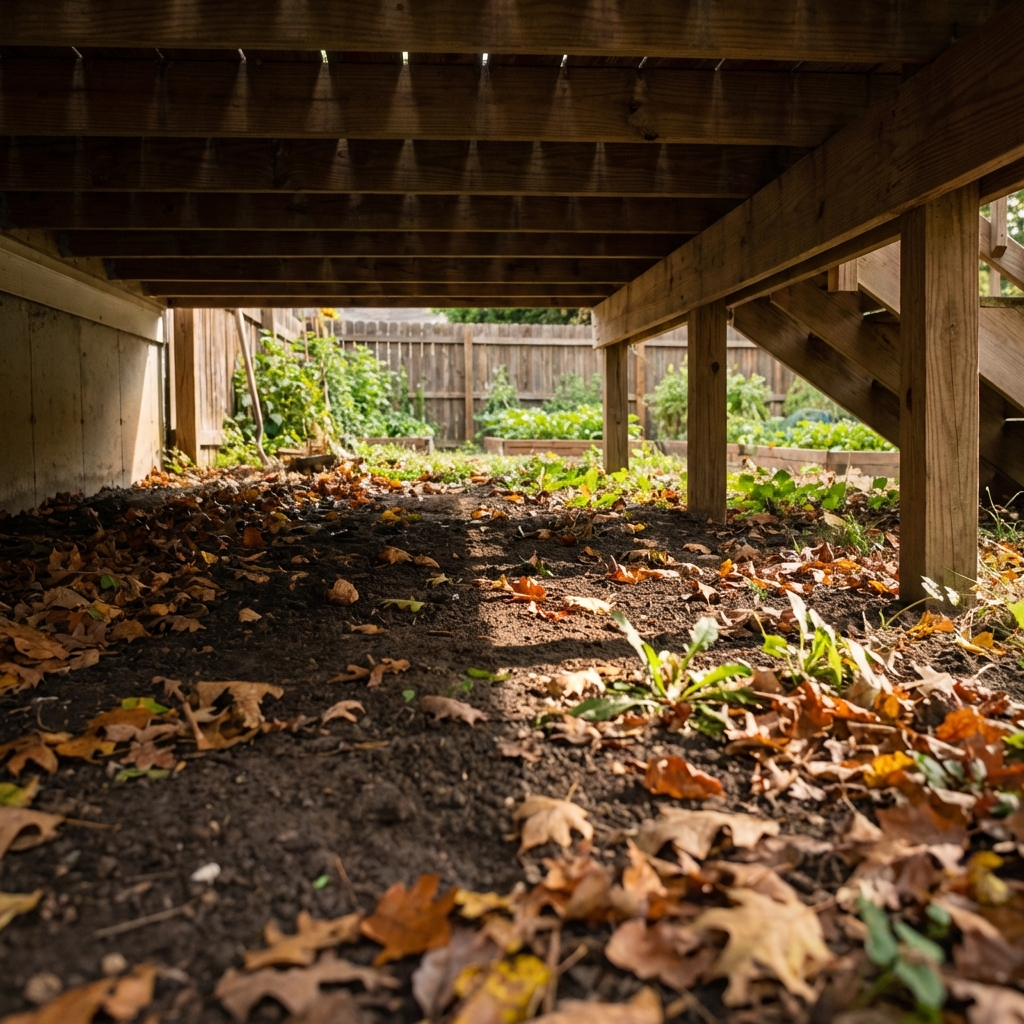
- Under decks, porches, and raised structures
- Under shrubs, hedges, and dense groundcovers
- Leaf litter piles and mulched beds that stay damp
- Along fence lines where wildlife travels
- Dog runs, pet potty areas, and spots where pets nap outdoors
Step 1: Yard cleanup
This is the least glamorous step, but it is the one that makes every other remedy work better.
Rake and thin shady zones
Larvae love humidity and shelter. Rake out leaf litter under shrubs and in corners. If you use mulch, keep it tidy and not overly thick in the pet-use areas.
Mow and edge regularly
Shorter grass increases sun and air movement. You do not need a golf course lawn, just avoid tall, dense growth around the high-risk spots.
Move wildlife hangouts
Stacked brush, lumber piles, and thick weeds invite rodents and other wildlife that carry fleas. Move these to the far edge of the property if you want to keep them.
Water smarter
Overwatering shady beds keeps the flea life cycle humming. If you can, shift irrigation away from pet rest areas and shady corners.
Step 2: Treat pets first
Garden remedies work best when the flea “egg factory” is shut down. If you have pets, talk with your veterinarian about a reliable flea control product and follow the schedule. If fleas are heavy, treat all pets in the home at the same time, including indoor-only pets.
Important: Essential oils are not a safe substitute for proven flea control, especially around cats. Many concentrated oils can be toxic to pets even when they smell “natural.”
Extra caution for cats: Never use dog-only flea products on cats. Cats are especially sensitive to certain insecticides found in some pet and yard products (including permethrin in many dog treatments). Use only vet-approved products for each species.
Step 3: Beneficial nematodes
If you want an expert-level, garden-appropriate approach, beneficial nematodes are one of the best tools for reducing developing fleas in soil. These microscopic organisms hunt flea larvae in the ground. They do not work like a fast adult-kill spray, so pair them with pet treatment and habitat cleanup for best results.
What to buy
Look for products labeled for flea control with species commonly sold for this purpose, such as Steinernema carpocapsae or Steinernema feltiae. Which one is best can depend on temperature, soil conditions, and supplier guidance.
When they work best
- Soil temperatures are within the product’s recommended range (often roughly 55°F to 85°F, but follow the label)
- Soil is moist before and after application
- Applied in the evening or on a cloudy day to reduce UV exposure
How to apply (simple version)
- Water the target area first.
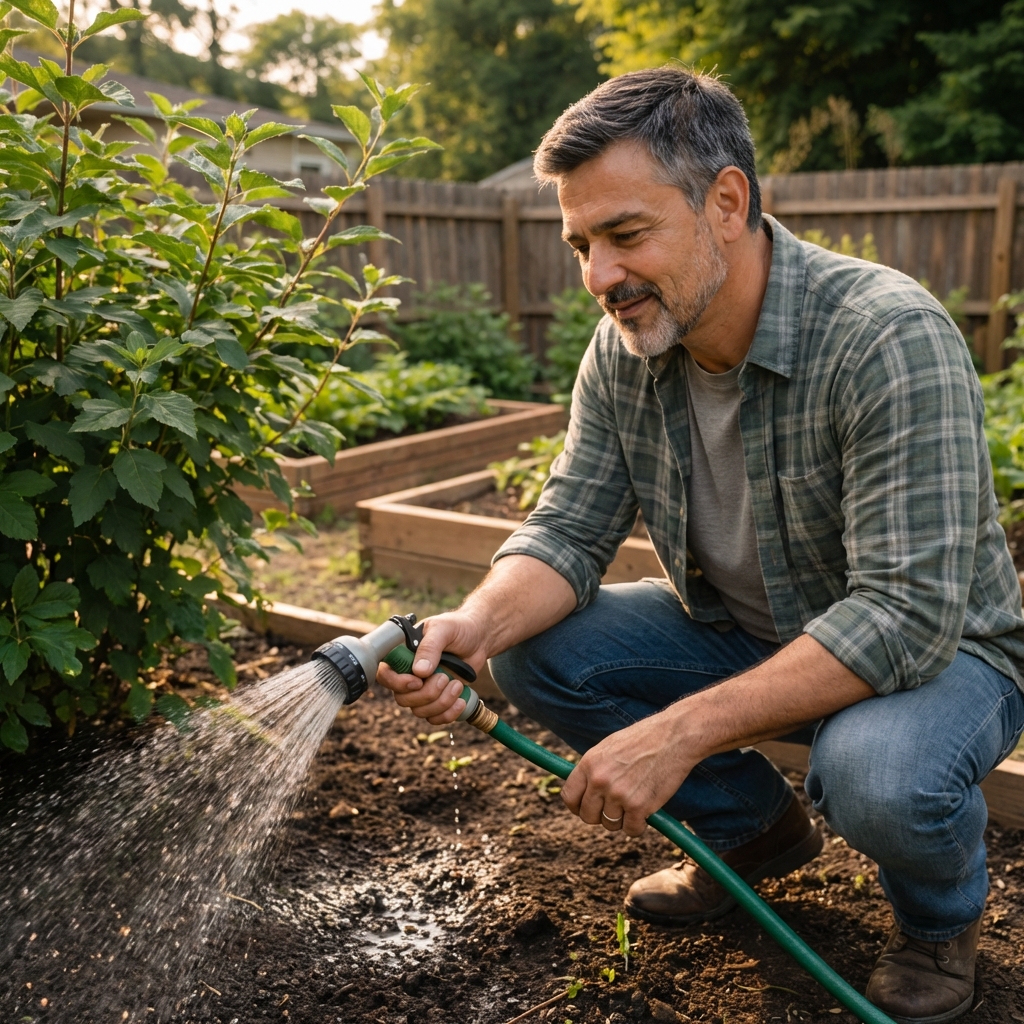
- Apply nematodes with a hose-end sprayer or watering can, following label rates.
- Water again lightly to wash them into the top layer of soil.
- Keep the area moist for about a week, as directed.
Where to apply: concentrate under shrubs, along fence lines, under decks, and anywhere pets rest.
Step 4: Targeted treatments
If you need faster results, pair cleanup plus nematodes with a targeted treatment in the worst spots. The goal is to treat the flea habitat, not blanket-spray everything. Whatever you use, follow label directions and re-entry times for people and pets.
Safety checklist
- Keep kids and pets away during application and until the label allows re-entry.
- Wear basic protection as needed (gloves, eye protection, and a mask if dust is possible).
- Avoid spraying flowering plants when pollinators are active.
- Do not apply products to edible crops unless the label explicitly says it is allowed.
Diatomaceous earth (food grade)
Food-grade diatomaceous earth can help in cracks and dry sheltered zones, but it is not a magic dust for the whole yard.
- Use only food grade, not pool-grade.
- Apply a thin layer to dry areas like under porches or along shed edges.
- Reapply after rain.
- Avoid creating dust clouds. Diatomaceous earth can irritate lungs and eyes. Wear a mask and keep pets away during application.
Reality check: In wet climates or rainy seasons, DE is often frustrating outdoors because moisture reduces its effectiveness.
IGRs (growth regulators)
Insect growth regulators (IGRs) stop eggs and larvae from developing into biting adults. Many pros rely on them because they reduce reinfestation pressure.
- Look for an outdoor product labeled for fleas that includes an IGR (commonly methoprene or pyriproxyfen).
- Apply only where fleas develop, and keep off edible beds unless the label allows it.
- Follow label instructions for pet and people re-entry times.
Set expectations: IGRs do not kill adult fleas. You may still see bites for a short while as existing adults and pupae emerge, but the cycle gets weaker over time when pets are protected.
When to hire a pro
If your yard borders heavy wildlife traffic, you have persistent infestations, or you cannot treat the whole pet-wildlife loop, a licensed pro can use a targeted program that combines adult control and IGRs responsibly.
Step 5: Long-term prevention
Once numbers are down, prevention is mostly about habitat and routine.
Open up dense shade
Prune lower shrub branches to improve airflow. Fleas love damp shade. Your plants can still look full, just not airless at ground level.
Make a clean zone
Keep a 3 to 6 foot band near entryways less inviting by using a thinner mulch layer, minimal groundcover, and regular raking. This reduces the chance of fleas hitchhiking inside.
Dial in pet rest areas
If your dog has a favorite shady nap spot, that is your ground zero. Rotate resting spots, wash outdoor pet bedding weekly, and consider moving beds onto a washable mat or patio surface.
Discourage rodents
- Secure trash and compost.
- Clean up fallen fruit from trees.
- Store bird seed in sealed containers.
- Seal gaps under sheds if possible.
Do not skip indoors
Even when the problem starts outside, fleas often ride indoors on pets and people. Coordinate your yard plan with a simple indoor routine, especially during the first few weeks.
- Vacuum floors, rugs, and baseboards frequently (and empty the vacuum outside).
- Wash pet bedding and throws weekly in hot water when possible.
- Focus on the spots pets nap most, not the entire house.
Natural remedies
Helpful
- Cleanup and sun exposure (free and effective)
- Beneficial nematodes (biological control with a strong track record)
- Targeted IGR use (reduces repeat outbreaks)
Often disappointing
- Garlic sprays and most homemade yard mixes
- Random essential oil sprays (inconsistent and can be unsafe around pets)
- “Flea-repelling” plants as a main strategy (nice plants, but do not expect a real flea fix)
If you like growing herbs like rosemary, mint, or lavender, go for it. Just treat them as a bonus, not your control plan.
Quick action plan
- Today: Treat pets with vet-recommended flea control. Wash pet bedding. Rake leaf litter in shady corners. Vacuum indoor pet hangouts.
- This week: Apply beneficial nematodes to the shady, pet-use areas. Keep soil lightly moist as directed.
- Next 2 to 4 weeks: Recheck hotspots. Consider a targeted IGR product if fleas rebound. Stay consistent with pet treatment.
- Ongoing: Mow, edge, prune for airflow, and keep pet rest areas cleaner and drier.
FAQ
How long does it take to get rid of yard fleas?
With pets treated and habitat improved, many yards see noticeable relief in 1 to 3 weeks. Full control often takes 4 to 8 weeks because pupae can “wait” before emerging. Weather, shade, and infestation level all affect the timeline.
Do I need to treat the whole lawn?
Usually no. Treat shady, protected, pet-traffic areas first. That is where most flea development happens.
Can fleas live in vegetable beds?
They can be present in mulched or shaded edges, but they usually explode where animals rest and where organic debris stays damp. Avoid applying any pesticide product to edible crops unless the label explicitly allows it.
What if wildlife is the source?
Focus on discouraging wildlife near the house, treat the immediate perimeter and pet zones, and keep pets protected. If wildlife pressure is intense, professional help may be worth it.
Bottom line
The most reliable “expert remedy” for fleas in the garden is not a single spray. It is a simple combo: protect pets, dry out and clean up flea habitat, and use biological and targeted treatments where they count. Do those consistently for a few weeks and you will usually turn the yard from a flea nursery into a place you can actually enjoy again.

Jose Brito
I’m Jose Britto, the writer behind The Country Store Farm Website. I share practical, down-to-earth gardening advice for home growers—whether you’re starting your first raised bed, troubleshooting pests, improving soil, or figuring out what to plant next. My focus is simple: clear tips you can actually use, realistic expectations, and methods that work in real backyards (not just in perfect conditions). If you like straightforward guidance and learning as you go, you’re in the right place.