Farms and backyard gardens have different goals, budgets, and time limits. But the basic problems are the same: tired soil, weeds that never quit, pests that show up overnight, and plants that either thrive or struggle because of a few key decisions.
The good news is that many farm techniques scale down beautifully. You do not need a tractor to farm your backyard. You just need a handful of repeatable habits that protect soil, reduce labor, and make your harvest more dependable.
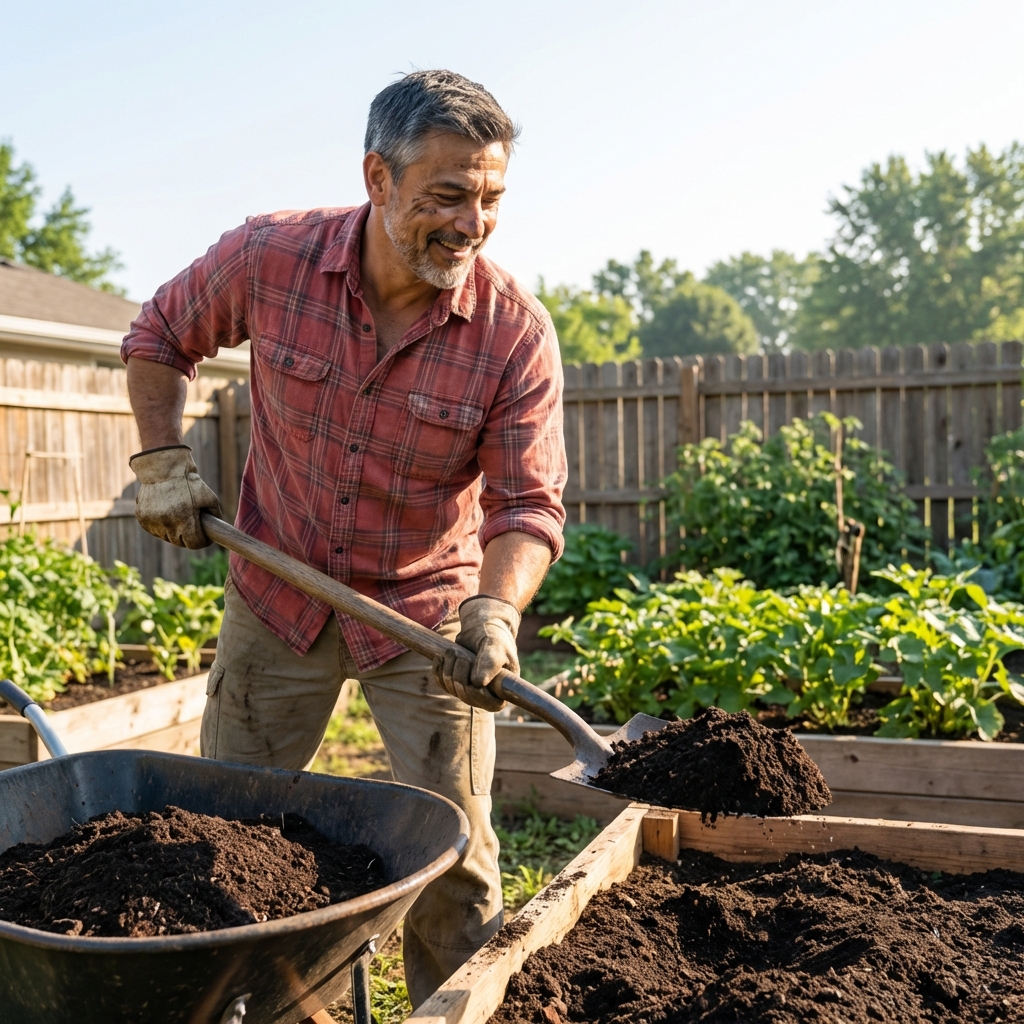
1) Build soil like a farmer: feed the ground first
On the farm, we treat soil like the main crop. Gardens are the same. If the soil is healthy, plants handle heat, pests, and uneven watering a lot better.
What we do on the farm
- Add organic matter regularly (compost, aged manure, chopped plant residue).
- Keep soil covered so sun and rain do not beat it up.
- Avoid unnecessary digging that breaks soil structure.
How to do it in a home garden
- Top-dress with compost: Add 1 to 2 inches of finished compost to beds once or twice a year. If you do this every year, consider a simple soil test every couple of seasons so phosphorus does not quietly build up.
- Containers are different: Use compost sparingly (about 10 to 20 percent of the mix) and prioritize a quality potting mix for drainage. For existing pots, top-dress with a thin layer of compost and refresh with potting mix as needed.
- Use leaves as a resource: Shred fall leaves and use them as mulch or add them to compost. Leaves are free soil-building gold.
- Go easy on tilling: If you have a new bed, you may need a one-time loosen and amend. After that, focus on surface compost, mulch, and minimal disturbance.
- Feed heavy feeders on purpose: Compost is great, but tomatoes, corn, and many brassicas often do better with a little targeted fertilizer or side-dressing during the season.
Realistic expectation: You will not “fix” soil in a weekend. But you can improve it fast enough to notice within one season, especially in raised beds.
2) Keep the ground covered: mulch is your labor saver
Farms mulch and cover soil because bare soil is a problem. It dries out faster, weeds move in, and heavy rain can crust or wash it. In a backyard garden, mulch is one of the easiest ways to significantly reduce watering and weeding.
Farm version
- Cover crops, straw, and residue management to protect soil year-round.
Garden version
- Vegetable beds: Use clean straw (not hay), shredded leaves, grass clippings that have not been treated with weed-and-feed or persistent broadleaf herbicides, or untreated wood chips in pathways.
- Grass clipping rule: Apply in thin layers so they do not mat, heat up, or turn slimy.
- Warm-season crops: For tomatoes, peppers, beans, and squash, mulch after the soil warms. Mulch keeps soil cooler, which is great in summer but can slow early growth in cold spring soil.
- Thickness matters: Aim for 2 to 4 inches of mulch in beds. Keep it a couple inches away from plant stems to prevent rot and reduce slug hideouts.
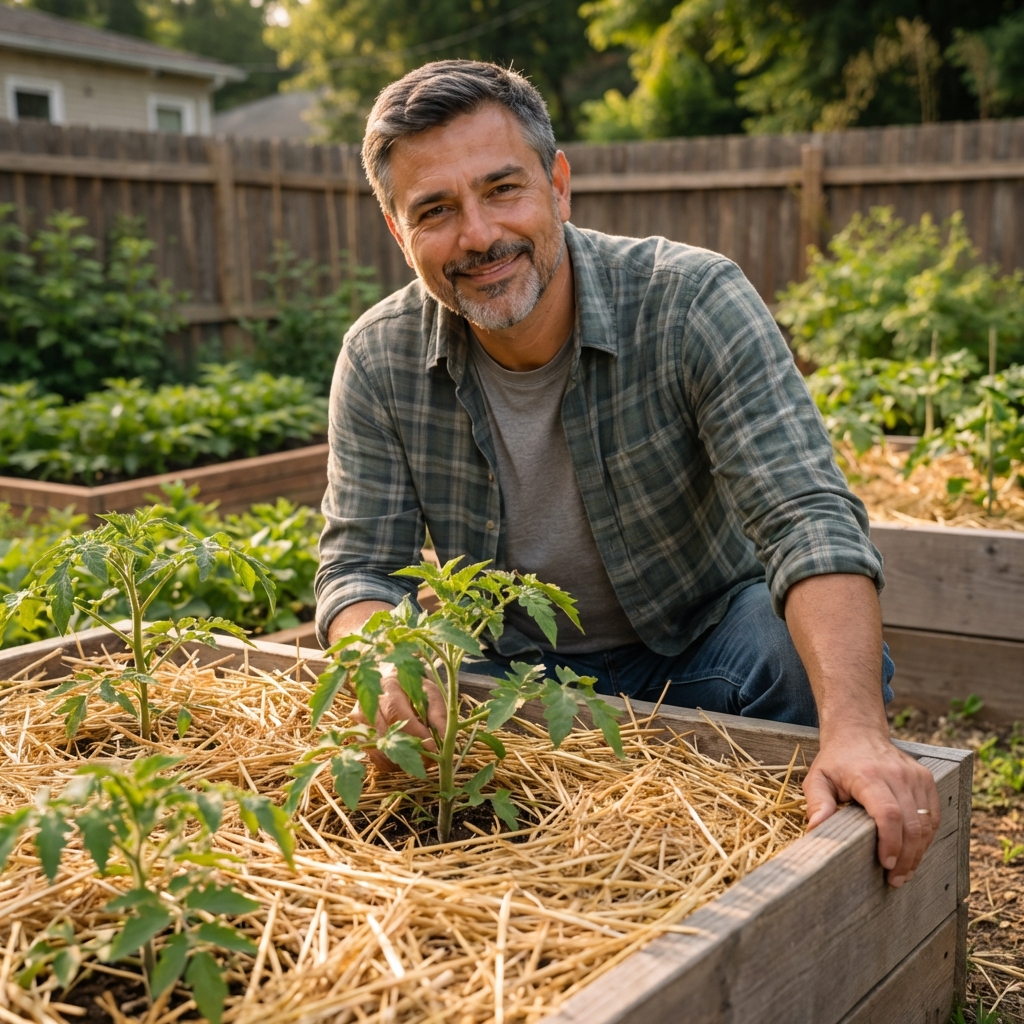
Quick win: Mulch your pathways heavily. Most weeds start at the edges and creep right into your beds.
3) Rotate crops: break pest and disease cycles
Crop rotation is a quiet farm trick that prevents big headaches later. Many common garden diseases and pests build up when the same plant family grows in the same spot year after year.
Farm version
- Rotate families across fields to reduce disease pressure and balance nutrients.
Garden version (simple and doable)
You do not need a complicated spreadsheet. Start with plant families and rotate them through your beds.
- Nightshades: tomatoes, peppers, eggplant, potatoes
- Brassicas: cabbage, broccoli, kale, cauliflower
- Cucurbits: cucumbers, squash, melons
- Legumes: beans, peas
- Alliums: onions, garlic, leeks
Easy method: If you have 4 beds, rotate the big families in a 3 to 4 year loop. Example:
- Bed 1: Nightshades → Legumes → Brassicas → Cucurbits
- Bed 2: Legumes → Brassicas → Cucurbits → Nightshades
- Bed 3: Brassicas → Cucurbits → Nightshades → Legumes
- Bed 4: Cucurbits → Nightshades → Legumes → Brassicas
If you only have 1 bed, rotate by sections or switch containers and grow bags for your most disease-prone crops (tomatoes and peppers especially).
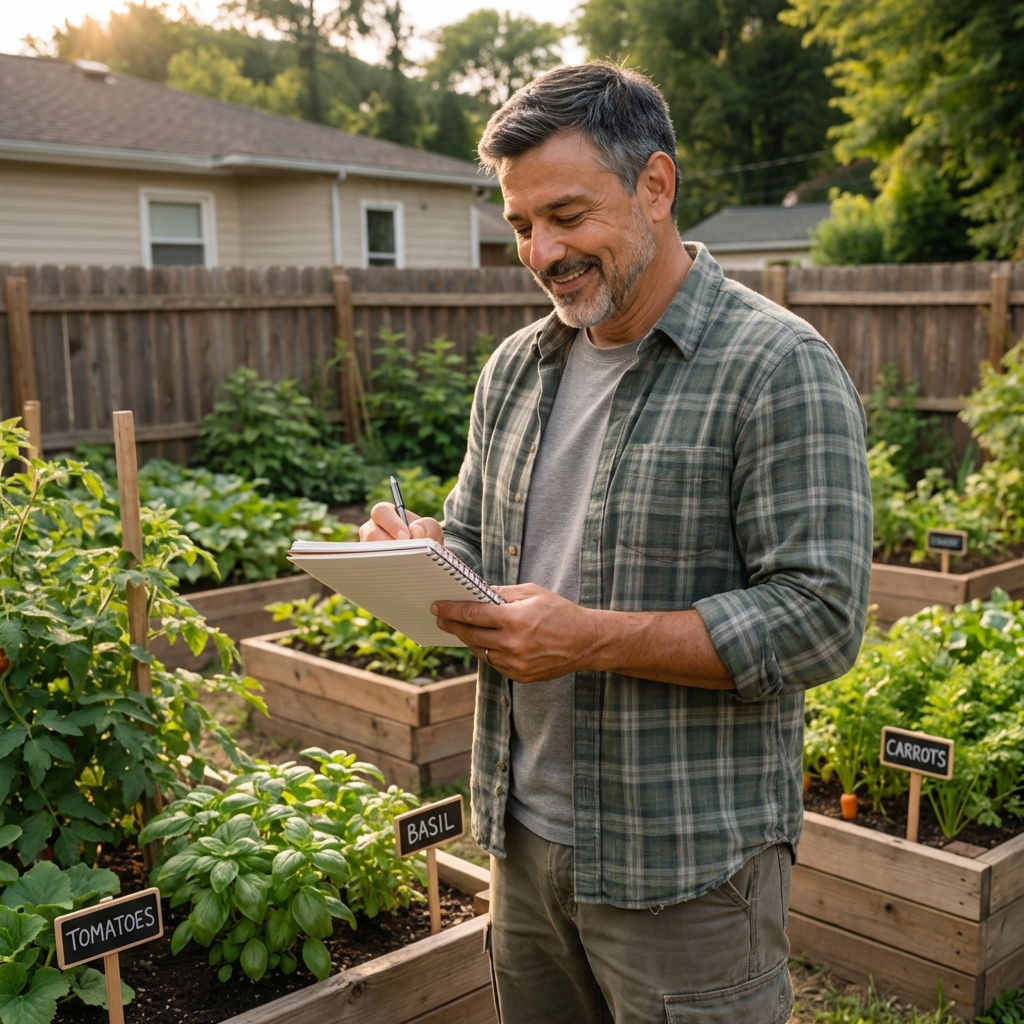
Tip: Keep a quick garden map each season. One photo and a few notes is enough.
4) Water like it matters: deep, steady, and targeted
On a farm, water is time and money. In a garden, it is often the difference between a steady harvest and a string of problems like blossom end rot (often tied to uneven watering and calcium uptake), bitter cucumbers, split tomatoes, and stressed plants that attract pests.
Farm version
- Drip irrigation, scheduling, and avoiding overhead watering when disease pressure is high.
Garden version
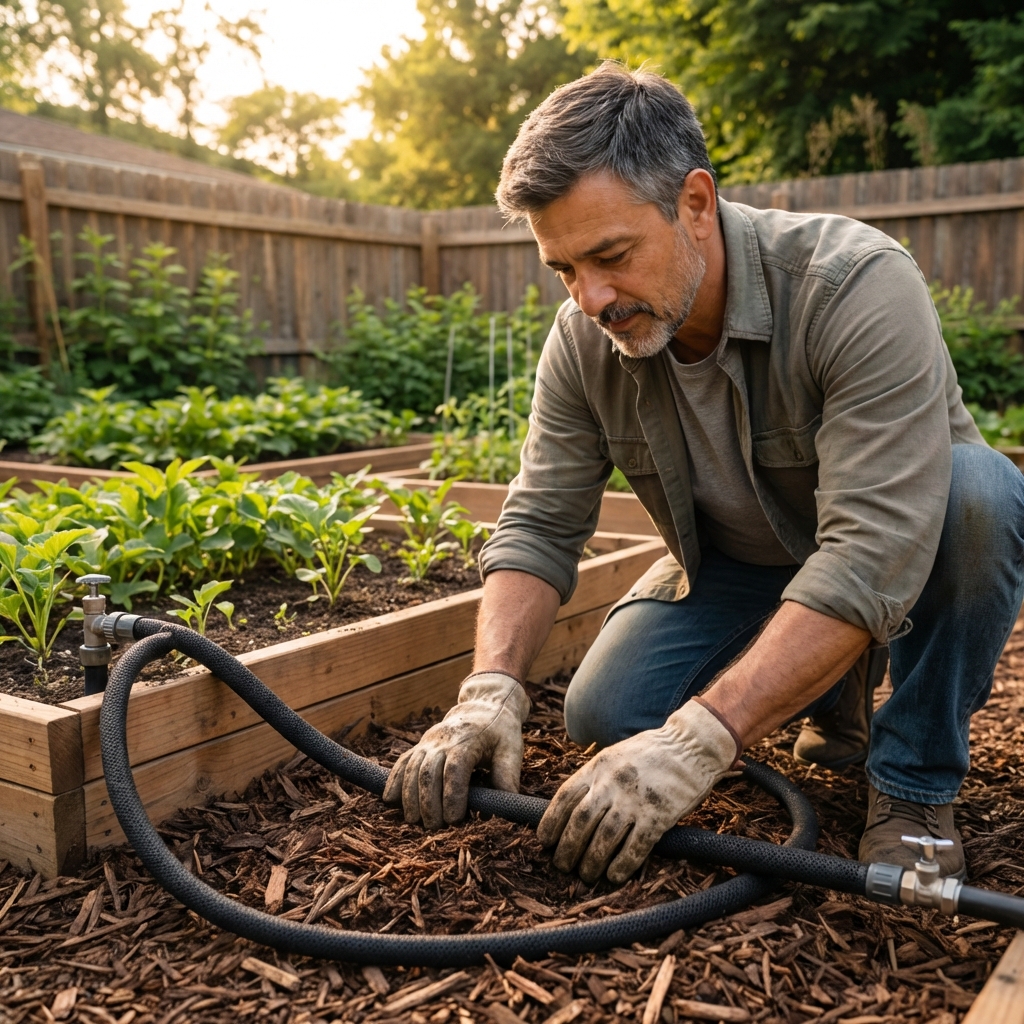
- Use drip or soaker hoses: Put them under mulch so water goes into the soil instead of evaporating.
- Water deeply: Fewer, longer waterings encourage deeper roots. Light daily watering keeps roots shallow.
- Use a simple target: Many gardens do well with about 1 inch of water per week including rain, then adjust for heat, wind, and sandy soil.
- Morning watering: Leaves dry faster, which helps prevent fungal issues.
- Check before you water: Stick a finger 2 to 3 inches into the soil. If it is damp, wait. If it is dry, water.
5) Use scouting: catch problems early
Farms do not wait until a crop looks terrible. They scout. That just means checking plants regularly, on purpose, so small issues stay small.
What to look for (takes 5 minutes)
- Chewed leaves, holes, or skeletonized foliage
- Yellowing patterns (bottom leaves vs new growth)
- Sticky residue (often aphids)
- Spots that spread after rain or overhead watering
- Egg clusters under leaves
Garden-scale actions that work
- Hand removal: Caterpillars and beetles are easier to pick off than to “spray away.”
- Strong water spray: Knocks aphids off quickly. Repeat as needed.
- Row covers: Lightweight fabric over hoops keeps many pests from ever landing on your plants. Great for brassicas and young squash. For crops that need pollination (squash, cucumbers, melons), remove covers when flowers open.
- Prune for airflow: Especially tomatoes. Better airflow reduces leaf disease.
Realistic expectation: You will still see pests. The goal is keeping damage below “crop failure” level, not creating a perfect, bug-free garden.
6) Think in systems: a simple plan beats random effort
The most useful farm technique is not a tool. It is planning. A small garden with a basic plan will outproduce a bigger garden that is planted on impulse and then constantly put out fires.
Steal this farm-style planning routine
- Pick your top 5 crops: Grow what you actually eat.
- Plan succession planting: Plant quick crops more than once so harvests keep coming. Lettuce, radishes, bush beans, cilantro, and spinach can be planted every 2 to 3 weeks in season.
- Leave room for access: Narrow beds you can reach into, and clear pathways you can walk without stepping in mud.
- Schedule two maintenance days: One short midweek check (10 minutes) and one weekend reset (30 to 60 minutes).
7) Farm-style tools that make sense at home
You do not need fancy gear, but a few items pay for themselves in reduced frustration.
- Stirrup hoe: Fast, shallow weed control in paths and open soil.
- Soil thermometer: Helps you plant at the right time, especially for beans, squash, and tomatoes.
- Quality pruners: Clean cuts, less plant stress, easier tomato and herb maintenance.
- Drip timer: Consistency without standing outside with a hose.
- Compost fork or sturdy garden fork: Better than a shovel for fluffing mulch and moving compost.
A simple farm-to-garden checklist
- Add 1 to 2 inches of compost to each bed, then soil test occasionally if compost is a yearly habit.
- Mulch beds 2 to 4 inches deep and mulch pathways even deeper.
- Set up drip or soaker hoses before plants get big.
- Rotate plant families each year, even if it is just swapping bed sections.
- Scout twice a week and act early.
If you want to borrow one farm habit and call it a win, make it this: keep your soil covered and fed. That single shift makes everything else easier.

Jose Brito
I’m Jose Britto, the writer behind The Country Store Farm Website. I share practical, down-to-earth gardening advice for home growers—whether you’re starting your first raised bed, troubleshooting pests, improving soil, or figuring out what to plant next. My focus is simple: clear tips you can actually use, realistic expectations, and methods that work in real backyards (not just in perfect conditions). If you like straightforward guidance and learning as you go, you’re in the right place.