Bed bugs are famous for coming out at night, but you can find them during the day if you search the right places and look for the right clues. The trick is to think like a pest that prefers darkness and loves tight, hidden seams.
And since this is Nancy Garden, we are also going to cover the real-life crossover: how bed bugs can hitch a ride on outdoor cushions, porch seating, and anything you drag in and out while gardening.
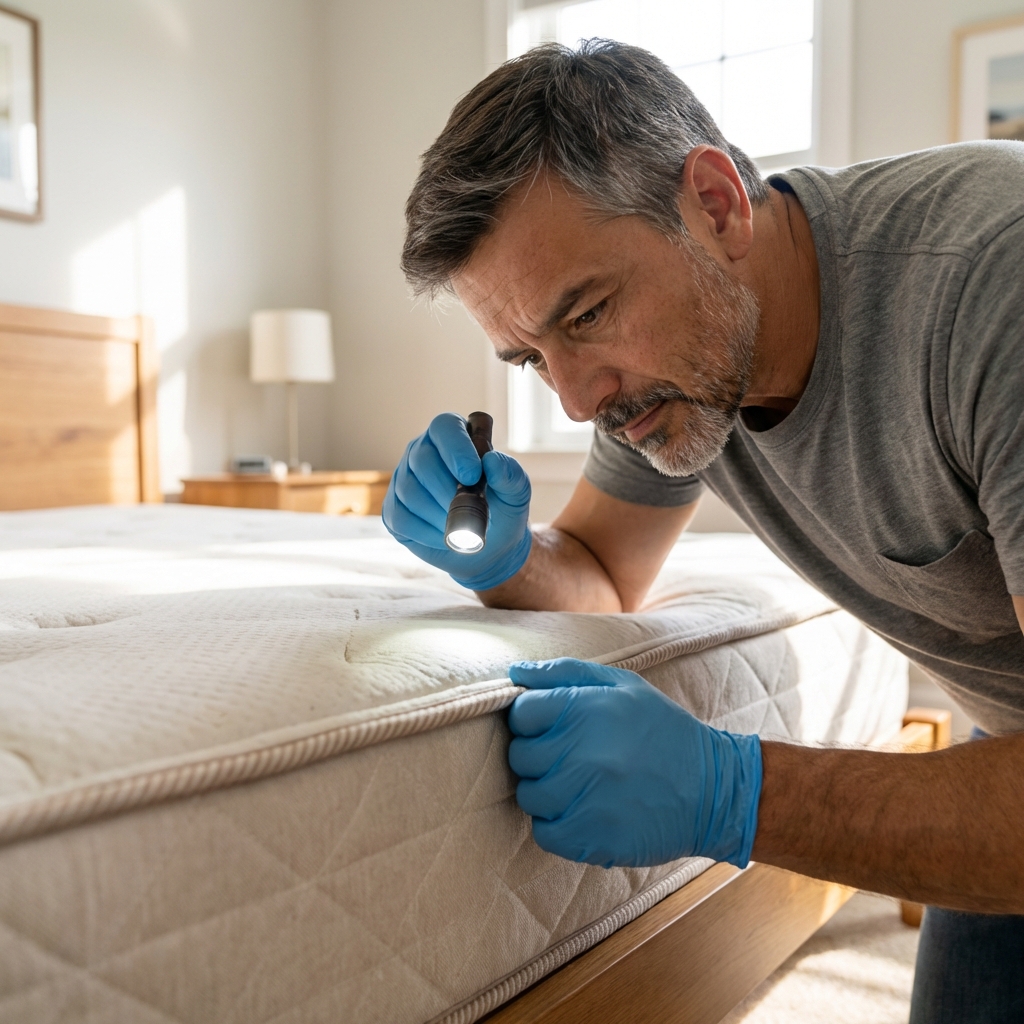
What bed bugs look like
When you are searching in daylight, you are usually not finding a “walking bug” first. You are finding evidence. Here is what to know:
- Adult bed bugs: flat, oval, reddish-brown, about the size of an apple seed.
- Nymphs (young bed bugs): smaller and paler, sometimes almost translucent until they feed.
- Eggs: tiny, white, about 1 mm (pinhead-sized). They are often cemented into cracks and creases and may be clustered. Think more like grains of salt than grains of rice.
- Shed skins: light brown, papery shells they leave behind as they grow.
- Fecal spots: tiny black dots that can smear when you wipe with a damp paper towel or cloth.
If you only remember one thing: bed bugs love tight seams and protected edges. That is where to focus your effort.
Why daytime searches still work
Bed bugs hide near where people rest and usually feed at night. They are more active in the dark, but they do not vanish during the day. You can often find them:
- When an infestation is moderate to heavy and hiding spots are crowded
- In deep seams, cracks, and behind objects that stay dark all day
- In clutter where they are protected from light and movement
Daytime checks are especially effective if you are systematic and you use a bright light to “open up” hiding spots.
Tools that make this much easier
You do not need fancy gear. A few basics help you avoid guessing:
- Bright flashlight (phone light works, but a small LED flashlight is better)
- Old credit card or plastic scraper to run along seams
- Disposable gloves
- Clear tape or a small jar to capture a sample if you find one
- Magnifying glass (optional, helpful for eggs and tiny nymphs)
- Damp paper towel or cloth to test suspicious spots (the smear test needs moisture)
Skip aerosol sprays during inspection. Sprays can drive bed bugs deeper into hiding and make it harder to confirm what you are dealing with.
Where to look first
If you only have 15 minutes, spend it here. These are the most common daytime hiding areas:
Mattress seams and tags
Use your flashlight and slowly inspect:
- Piping and seams around the edges
- Under the mattress tag area
- Any small tears or fabric folds
Box spring edges and underside
This is a big one. Bed bugs love the dark, stapled fabric underneath box springs.
- Check the plastic corner guards
- Inspect the wooden frame joints
- Look along staples and fabric folds
Bed frame and headboard
Headboards can host bed bugs even when the mattress looks clean.
- Look behind the headboard, especially near wall contact points
- Check screw holes, joints, and cracks
- Inspect slats and support rails
Nightstands and nearby clutter
Anything close to the bed is fair game.
- Check drawer corners and underside edges
- Look behind and under the nightstand
- Inspect books, storage bins, and piles of clothing
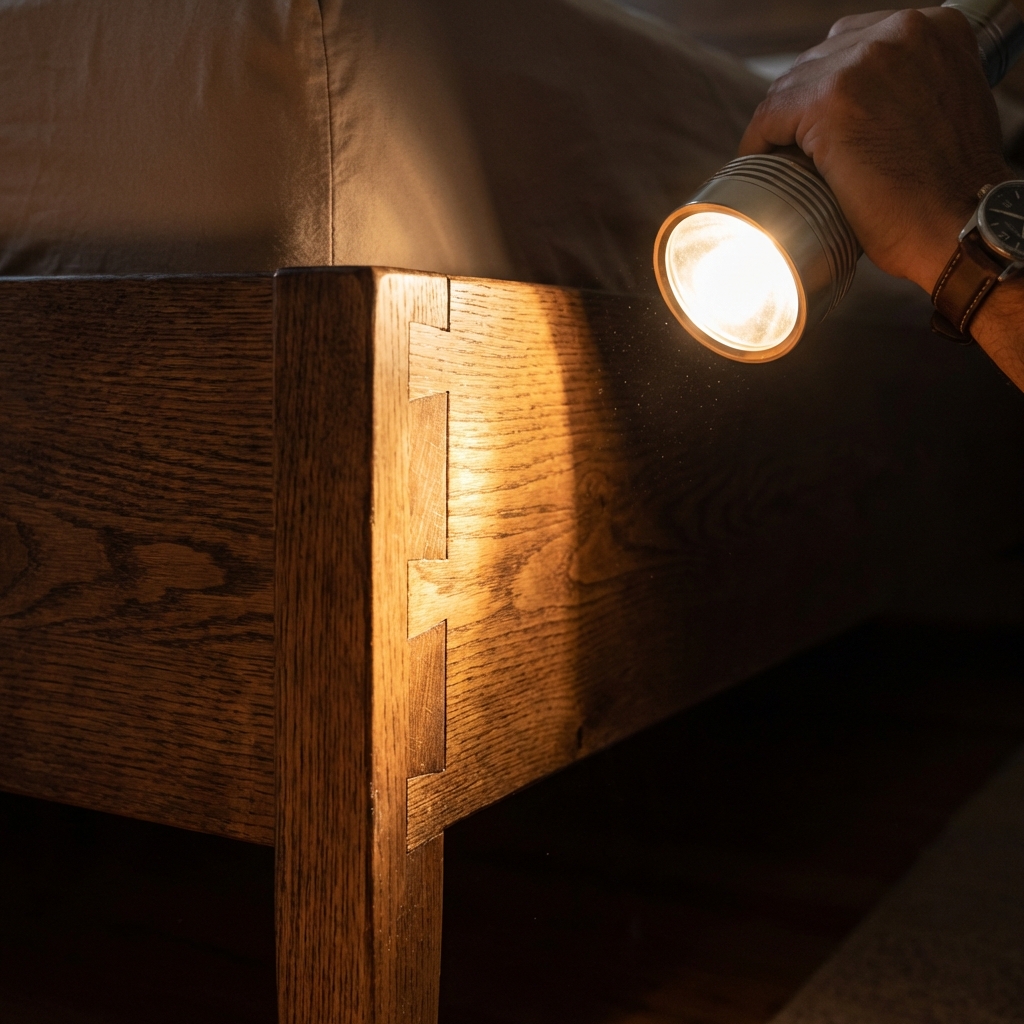
A simple daytime inspection routine
This is my go-to order because it keeps you from bouncing around and missing the obvious:
- Strip bedding and bag it immediately if you suspect bed bugs. Seal the bag before moving it through the house.
- Start at the mattress. Use the card to run along seams while shining your flashlight.
- Move to the box spring. Pay extra attention to the underside fabric and frame edges.
- Check the frame and headboard. Look at joints, screw holes, cracks, and wall-facing surfaces.
- Inspect the “quick zone” around the bed first (about 3 feet): nightstands, baseboards, outlet covers, picture frames.
- Expand outward (up to 5 to 8 feet, and anywhere people sit or nap) if you find signs or if the room is cluttered.
If you find a live bug, capture it with tape or a jar so you can confirm identification. A clear photo can help too, but a sample is best.
Easy signs people confuse
A quick reality check helps you avoid chasing the wrong pest:
- Flea dirt: usually on pets and pet bedding, not concentrated in mattress seams.
- Carpet beetle larvae: fuzzy, worm-like, often found near natural fibers and lint, not hiding in bed frame joints.
- Mosquito bites: can show as random clusters but do not come with black ink-like spots in seams.
- Spider bites: often blamed, but spiders do not leave fecal spotting along mattress piping.
Bites alone are not a reliable way to confirm bed bugs. Focus on physical evidence.
Gardening insights: how bed bugs hitchhike
Bed bugs are not outdoor garden pests like aphids or squash bugs. They do not live on plants and they are not eating your tomatoes. But they can move around with people and belongings. The garden connection is usually about porches, patios, and storage.
Common outdoor-to-indoor hitchhike situations
- Bringing in patio cushions to store for winter or before a storm
- Thrifted outdoor furniture or “free curb” finds
- Moving blankets used for hauling soil, pots, or furniture that later go indoors
- Guest items set on a bench, couch, or spare bed after time outside
- Sheds and garages where upholstered items are stored
If an item was exposed to bed bugs (from a visitor, a prior owner, shared moving supplies, or other close contact with an infested space), they can ride along on soft items and settle anywhere people sit or rest.
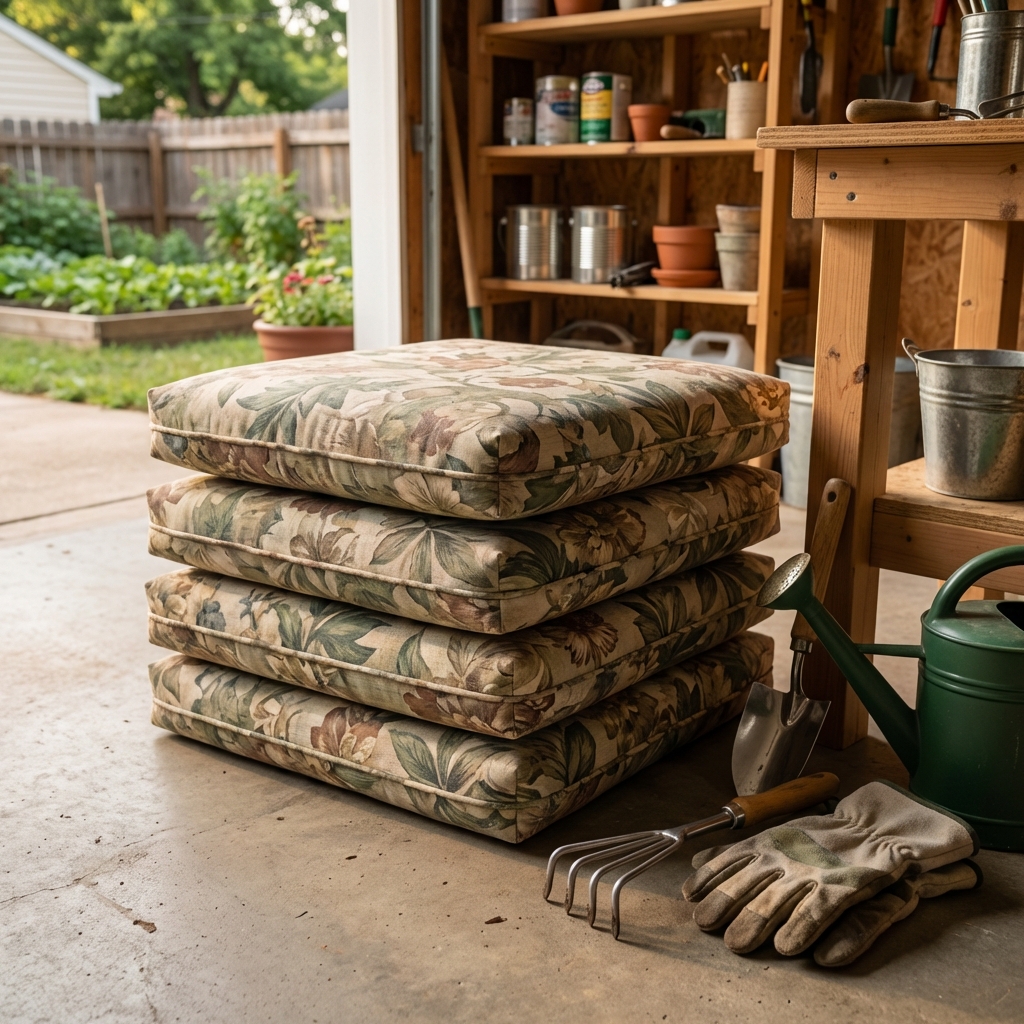
Quick checks for outdoor cushions
If you regularly bring cushions inside or store them in a garage, do this quick inspection in daylight:
- Check zipper seams and piping, especially corners
- Look under buttons, tufts, and welting
- Inspect folds where fabric layers overlap
- Look for black specks on light fabric and along stitching
- Smell test: a heavy infestation can have a musty, sweet (sometimes coriander-like) odor, but do not rely on smell alone
If you are unsure, keep the item sealed in a contractor bag until you can confirm what you are seeing.
If you find bed bugs
Finding bed bugs during the day is a sign you should move quickly and carefully. Here is a sensible next step list:
Do right away
- Reduce clutter near sleeping areas so there are fewer hiding spots.
- Launder and heat-dry bedding and clothing on high heat when fabric allows. Heat is your friend.
- Vacuum thoroughly along seams, bed frame joints, and baseboards. A HEPA vacuum is helpful if you have one. Empty the canister or remove the bag outdoors if possible, seal debris in a bag, and clean vacuum tools after.
- Use encasements for mattress and box spring to trap bugs and simplify future checks. They help with monitoring and control, but they are not an instant cure. Leave them on long-term (often up to a year) and pair them with other steps.
- Consider monitors like bed leg interceptors or passive monitors. They are a simple, daytime-friendly way to confirm activity and track progress.
Do not do
- Do not move items room-to-room without bagging them first.
- Do not rely on “bug bombs” or foggers. They often make the problem harder.
- Do not spray random insecticides or essential oil mixes around the bed. Misuse can repel bed bugs into deeper hiding spots. Always follow label directions if you use any product.
- Do not assume one cleaned mattress means the home is clear.
When to call a professional
If you find multiple live bugs, eggs, or widespread spotting, professional treatment is usually the fastest path to control. Ask specifically about their bed bug process, follow-up schedule, and whether they use heat, targeted insecticides, or a combination.
Prevention habits for gardeners
These are simple habits that work well if you are in and out of the house, the garage, and the yard:
- Keep upholstered items out of sheds when possible. Store cushions in sealed plastic bins.
- Quarantine secondhand finds in a garage or outdoors in sealed bags until inspected.
- Use a “mudroom rule”: bags, jackets, and hats go on hooks or in a bin, not on beds or couches.
- Inspect guest spaces occasionally if you host visitors and store spare bedding in sealed totes.
- Be cautious with moving textiles like tarps and moving blankets used for garden hauling.
Just like garden pests, the earlier you spot the issue, the easier it is to manage. A five-minute check beats a months-long headache.
Daytime bed bug checklist
- Flashlight, gloves, tape or jar ready
- Damp paper towel or cloth ready for spot checks
- Mattress seams and tags checked
- Box spring underside and frame joints checked
- Headboard and wall-facing surfaces checked
- Nightstand drawers and undersides checked
- Quick zone checked, then expand up to 5 to 8 feet if needed
- Black spots, eggs, shed skins noted
- Outdoor cushions and stored upholstered items inspected if relevant
If you want, tell me what you are inspecting (bed, couch, RV, patio cushions, shed storage) and what signs you are seeing, and I can help you narrow down the most likely hiding spots.

Jose Brito
I’m Jose Britto, the writer behind The Country Store Farm Website. I share practical, down-to-earth gardening advice for home growers—whether you’re starting your first raised bed, troubleshooting pests, improving soil, or figuring out what to plant next. My focus is simple: clear tips you can actually use, realistic expectations, and methods that work in real backyards (not just in perfect conditions). If you like straightforward guidance and learning as you go, you’re in the right place.