Fire ant bites feel personal. One minute you are watering tomatoes, the next you have a line of burning stings and an itch that wants to take over your whole day. Quick note on wording: most people say “bites,” but fire ants sting. They may bite to hang on, then sting repeatedly.
The good news is most fire ant stings can be handled at home with basic first aid and a few smart choices that keep you from making the reaction worse.
This guide is written for beginners, with simple steps, realistic expectations, and the big red flags to watch for.
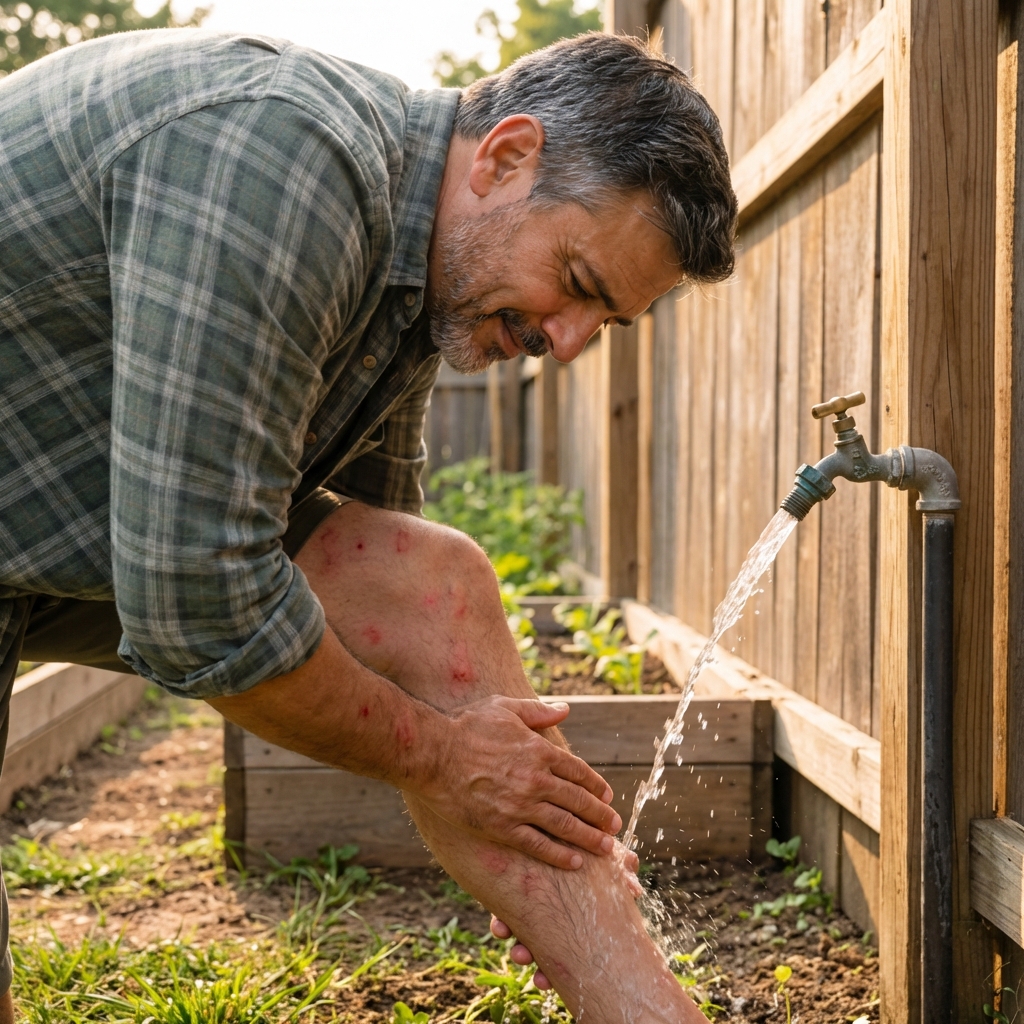
First: Is it fire ants?
Fire ant stings usually show up as:
- Instant burning or stinging, often in clusters.
- Red bumps that turn into small white pustules (tiny “whiteheads”) within 6 to 24 hours.
- Lots of itch that can last several days.
Those white pustules are common with fire ants and can look alarming. They are often initially sterile, but they can become infected if opened or scratched. The goal is to protect them.
Quick first aid in the first 10 minutes
1) Get away and remove ants
Fire ants can bite to hold on, then sting repeatedly. Brush them off fast and move away from the mound. If ants are in your socks or pant legs, take them off and shake them out.
2) Wash the area
Use soap and cool water. Washing helps remove ants, dirt, and any irritants left on the skin surface, and it lowers the risk of infection later.
3) Cool it down
Apply a cold pack or a bag of ice wrapped in a thin towel for 10 to 15 minutes at a time. Repeat as needed. Cooling helps with swelling and that hot, burning feeling.
4) Elevate if you can
If stings are on the foot or ankle, prop the leg up. Less swelling often means less itching later.
Beginner home remedies that help itching
There is no single “best” remedy for everyone, but these are the most reliable, beginner-safe options.
Top options (pick one or two)
- 1% hydrocortisone cream: Thin layer 2 to 3 times daily for itch and inflammation. Avoid using on broken skin.
- Oral antihistamine: Cetirizine or loratadine can help daytime itching. Diphenhydramine can help at night but may cause drowsiness. Follow the label, especially for kids.
- Calamine lotion: Good for drying and soothing, especially once bumps appear.
- Baking soda paste: Mix baking soda with a little water to make a paste, apply 10 to 15 minutes, then rinse. Helpful for some people and generally low risk.
- Oatmeal soak: If you have multiple stings, a lukewarm bath with colloidal oatmeal can calm widespread itch.
Avoid topical antihistamines (like topical diphenhydramine) on stings. Some people develop a rash or irritation from them, and they are not a must-have for healing.
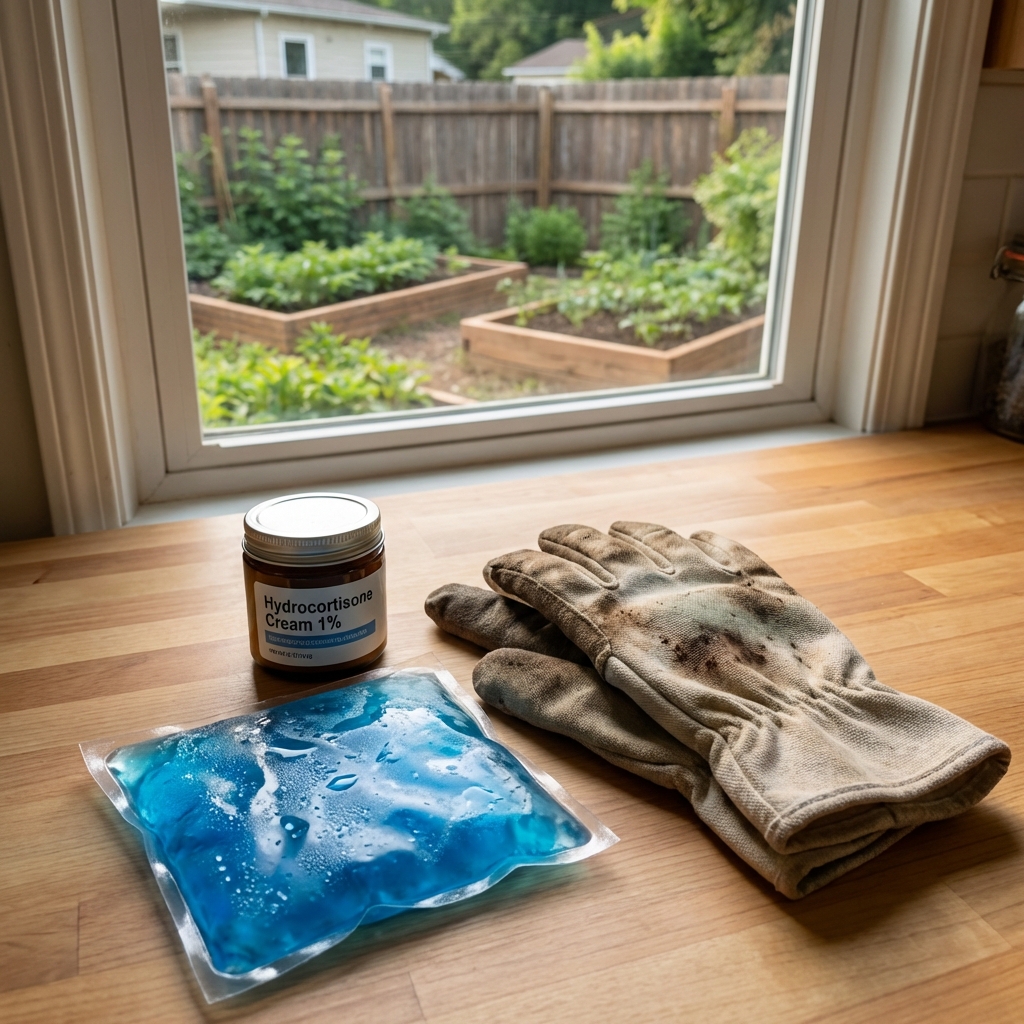
What about vinegar, alcohol, or bleach?
Skip harsh stuff. Vinegar and rubbing alcohol can irritate already inflamed skin. Bleach is unsafe on skin and can cause chemical burns. If a remedy stings more than the sting, it is not helping.
Do not pop the white pustules
Fire ant stings often form a white pustule within a day. It is tempting to treat it like a pimple, but popping it raises your risk of infection and scarring.
Simple pustule care
- Wash gently once or twice daily with soap and water.
- Leave it intact. Let it dry and heal on its own.
- Cover if it rubs: Use a small bandage if socks, shoes, or clothing will irritate the spot.
- If it opens accidentally: Rinse, pat dry, apply a thin layer of petroleum jelly, and cover with a clean bandage. Change daily.
About topical antibiotics: For most minor, clean stings, you usually do not need an antibiotic ointment. Some people develop contact dermatitis from these products. If a clinician tells you to use one, follow their advice.
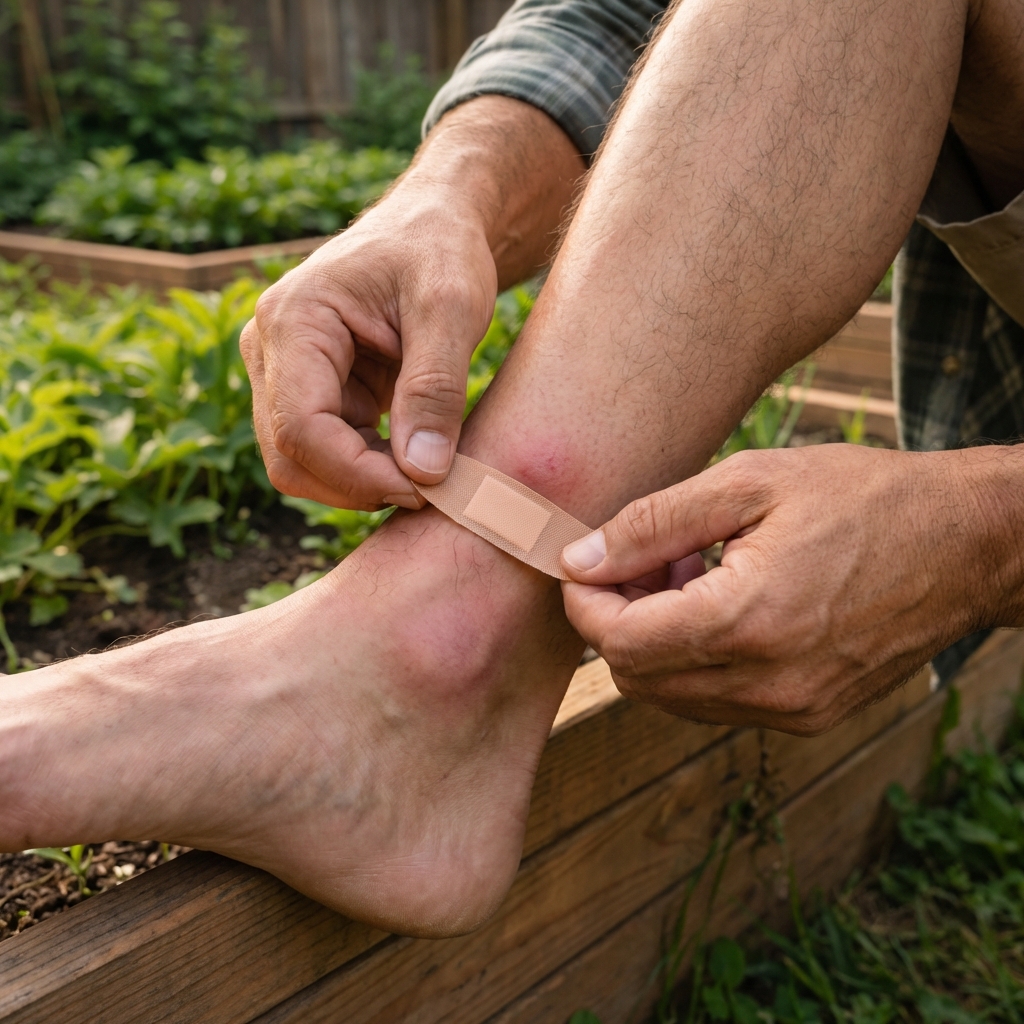
How long does it take to heal?
- Burning: often improves within a few hours.
- Itching: often peaks at 24 to 48 hours, then gradually fades over several days.
- Pustules: commonly last 3 to 8 days, sometimes longer.
If you are still itchy after a week, you are not broken. Some people react longer, especially with multiple stings. The goal is to prevent scratching and infection while your skin calms down.
Big swelling: what it means
Some people get a large local reaction, meaning swelling and redness that spreads beyond the sting sites and builds over 24 to 48 hours. It can look dramatic and still be non-emergency. Cold packs, elevation, hydrocortisone, and an oral antihistamine can help.
Call a clinician for advice if the swelling keeps expanding, becomes very painful or hot, affects a joint’s movement, or you are unsure whether it is allergy versus infection.
When to get medical help
Most stings are minor. A small number are serious. Use this as your safety checklist.
Call emergency services right away for anaphylaxis
- Trouble breathing, wheezing, or throat tightness
- Swelling of the lips, tongue, face, or throat
- Hives spreading beyond the sting area
- Dizziness, fainting, confusion
- Vomiting or severe abdominal cramping soon after the sting
If you have an epinephrine auto-injector prescribed for allergies, use it right away at the first sign of anaphylaxis, then call emergency services. You still need urgent medical evaluation after using epinephrine.
Call a clinician soon (same day if possible) if you notice
- Rapidly worsening redness, warmth, or swelling after 24 to 48 hours
- Pus that looks yellow or green, or a bad smell
- Fever, chills, or red streaks moving away from the stings
- Stings on the eye area or inside the mouth
- Many stings on a child, an older adult, or anyone with significant health issues
If you were stung many times
Do not tough it out if you took dozens of stings, especially if you are a child, older adult, or have heart or lung disease. A high number of stings can rarely cause a more serious whole-body reaction even without classic allergy symptoms. If you feel weak, nauseated, unusually sleepy, short of breath, or generally unwell after many stings, get medical help.
If you have had a serious allergic reaction to insect stings before, talk with your clinician about carrying epinephrine.
Common mistakes that make stings worse
- Scratching: It breaks the skin and invites infection. Keep nails short and consider a bandage at night if you scratch in your sleep.
- Hot showers: Heat can ramp up itching. Use cool or lukewarm water for a day or two.
- Overdoing creams: More product is not always better. A thin layer works.
- Trying to “drain” pustules: This is the fastest way to turn a sting into a skin problem.
Kids and pets
For kids
- Use cool compresses first. It is simple and surprisingly effective.
- For antihistamines, follow age and weight dosing on the label and check with a clinician if you are unsure.
- Keep stings covered if your child cannot stop scratching.
For pets
Pets can be stung around paws, belly, or muzzle. If you suspect stings in the mouth or you see facial swelling, contact a veterinarian quickly. Do not use human medications on pets unless a vet tells you to.
Preventing fire ant stings in the garden
If you garden regularly, prevention saves you a lot of miserable afternoons.
- Watch your step: Fire ant mounds can be subtle in turf and mulched beds.
- Wear socks and closed shoes when working near edges, compost, or mulch.
- Shake out gloves, boots, and kneeling pads before using them.
- Deal with mounds strategically: Use labeled fire ant bait when ants are actively foraging and follow product directions. For big infestations, consider a pro, especially if kids play in the yard.
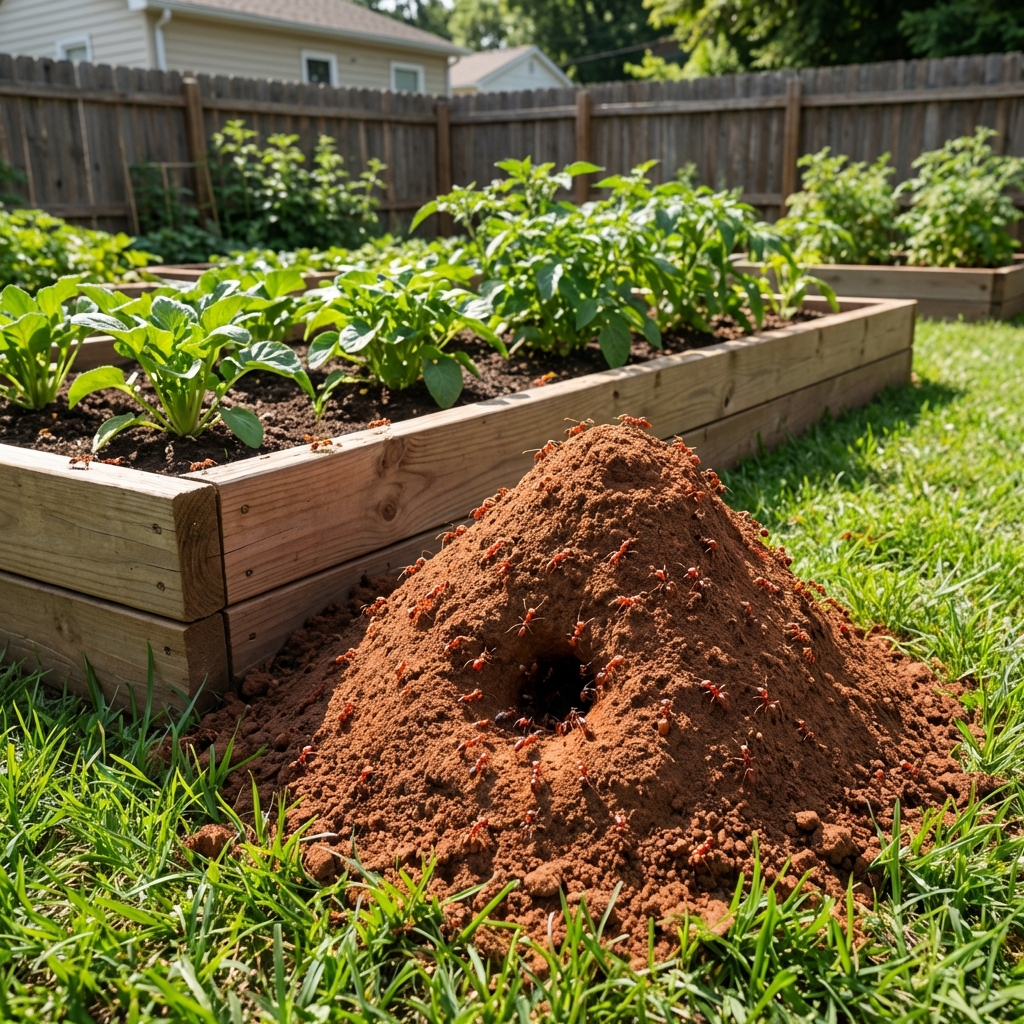
At-a-glance care checklist
- Brush off ants and move away
- Wash with soap and cool water
- Cold pack 10 to 15 minutes at a time
- Use hydrocortisone or calamine for itch
- Consider an oral antihistamine for itching
- Do not pop pustules
- Watch for allergy or infection warning signs
If you do those basics, most fire ant stings settle down without drama. And if you are like me, you will still garden tomorrow, just with a little more respect for what is under the mulch.
Note: This article is general information and not a substitute for medical advice. If you are worried about your symptoms, call a clinician.

Jose Brito
I’m Jose Britto, the writer behind The Country Store Farm Website. I share practical, down-to-earth gardening advice for home growers—whether you’re starting your first raised bed, troubleshooting pests, improving soil, or figuring out what to plant next. My focus is simple: clear tips you can actually use, realistic expectations, and methods that work in real backyards (not just in perfect conditions). If you like straightforward guidance and learning as you go, you’re in the right place.