Bed bugs are not a garden pest in the usual sense. They do not feed on plants, they do not live in soil like grubs, and they are not coming from your tomato bed. But your response to bed bugs can absolutely spill into your outdoor space if you start dragging infested items through the yard, “airing things out” on patio furniture, or dumping questionable stuff into compost.
This guide keeps the focus on what actually works for bed bugs and how to do it in a way that is friendly to your garden and the beneficial life around your home.
First, a quick reality check
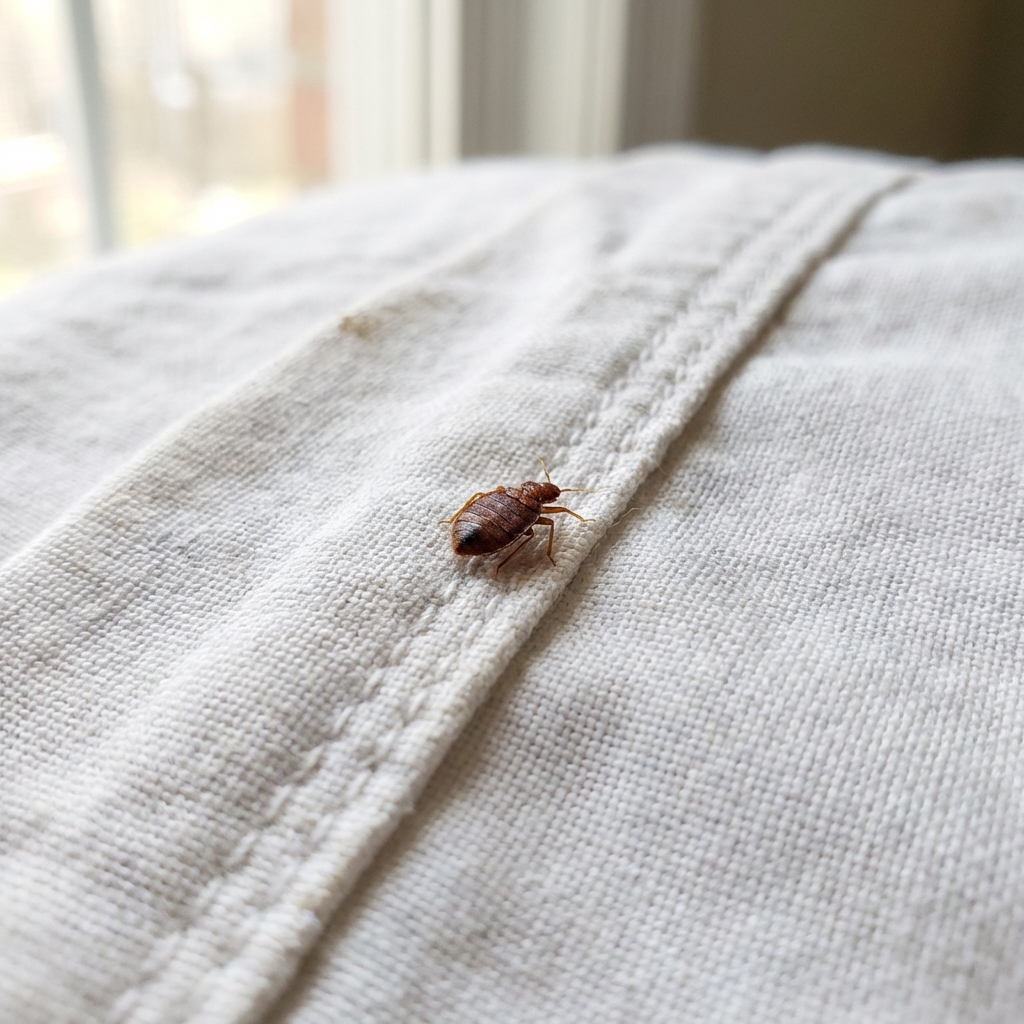
Bed bugs are small, flat insects that feed on human blood. They hide in seams, cracks, and clutter near where people sleep. They can hitchhike on luggage, used furniture, and even a visitor’s coat.
- They do not come from garden soil.
- They do not live on plants.
- Leaving items outside rarely “kills them off.” Extreme heat or cold can kill bed bugs, but only with sustained, verified exposure. Outdoor conditions swing, and bugs hide in insulated, shaded crevices.
If you want a garden-friendly approach, the goal is simple: treat the problem indoors with proven methods and prevent accidental spread into outdoor living spaces.
Confirm you are dealing with bed bugs
Before you treat anything, make sure the pest is really bed bugs. Misidentification leads to wasted effort and unnecessary pesticide use.
Common signs
- Live bugs in mattress seams, bed frame cracks, behind headboards, or along baseboards
- Black specks (fecal spots) that look like marker dots on fabric or wood
- Shed skins (pale, papery shells)
- Small eggs (pearl-white, about the size of a pinhead) tucked into crevices
If you can, capture one in clear tape or a small container for identification. Many local extension offices and pest professionals can confirm what you are seeing.
Garden-friendly principles that still beat bed bugs
When people panic, they often reach for “yard-style” solutions: broadcast sprays, foggers, or treating everything outside. Those choices can hurt pollinators, contaminate soil, and still fail to solve the infestation.
A garden-friendly bed bug plan uses:
- Heat (laundry and controlled treatments)
- Physical removal (vacuuming, encasements, interceptors)
- Targeted, indoor-only products where appropriate
- Containment so bugs are not spread to the patio, garage, shed, or compost area
Step-by-step treatment you can actually do
1) Contain first (this prevents spreading)
Before you start moving laundry baskets around, set up containment.
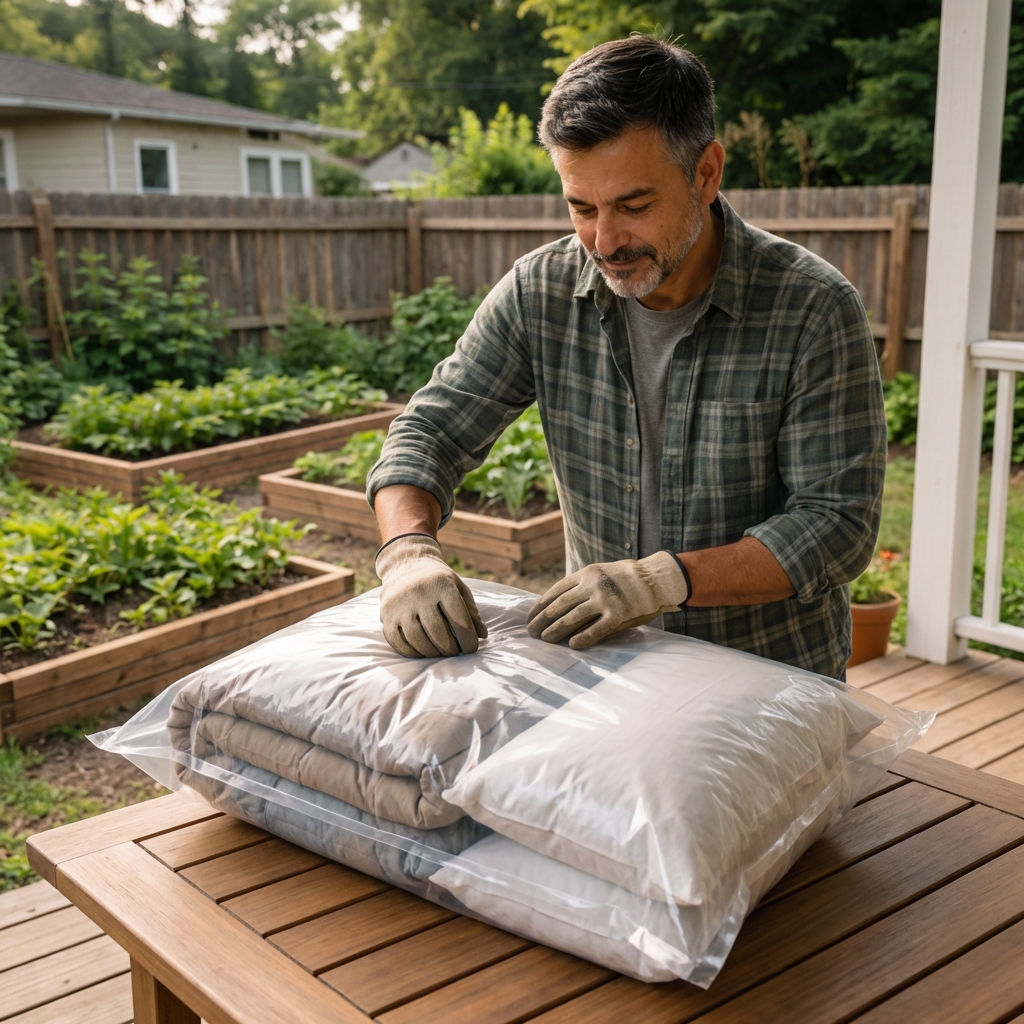
- Put a large trash bag or dissolvable laundry bag near the bed.
- Bag bedding, clothes, and soft items before carrying them through the house.
- Seal bags tightly. If you are using standard bags, empty them directly into the washer and discard the bag into a sealed outdoor trash bin immediately.
Garden-friendly tip: Do not set bagged items on the lawn, on a deck chair, or near planters while you “get ready.” Keep everything on a hard, easy-to-clean surface indoors.
2) Heat-treat what you can in the laundry
Heat is one of the most reliable tools. Run items through a hot dryer cycle. For many households, the dryer is the workhorse.
- Wash if needed, but remember: the dryer heat is often the key step.
- Dry on the hottest setting the fabric can safely handle. A common minimum is around 30 minutes on high heat after items are fully hot, but thicker loads and bulky items may need longer.
- After drying, put items into a clean bag or sealed bin so they do not get reinfested.
If you have delicate items you cannot dry on high, keep them sealed until you can use an appropriate heat method or professional treatment. Do not keep reopening the bag to “check on them.”
3) Vacuum thoroughly, then dispose of the vacuum contents safely
Vacuuming removes live bugs and can pick up some eggs, especially around bed frames and room edges. Use a crevice tool and go slow.
- Focus on mattress seams, box spring edges, bed frame joints, baseboards, and cracks.
- Immediately empty the canister into a bag, seal it, and take it to an outdoor trash bin.
- If you use a bagged vacuum, remove the bag, seal it in another bag, and discard.
Important: Vacuuming alone will not solve bed bugs. It is a removal step to pair with heat, encasements, interceptors, and follow-up.
Also important: Do not empty vacuum dust into compost. Compost piles are not a reliable kill step, and you risk spreading bugs to an area you work in regularly.
4) Use mattress and box spring encasements
Bed bug-proof encasements trap any bugs already inside and remove hiding places. This is one of those unglamorous steps that makes everything easier.
- Buy encasements designed specifically for bed bugs (zipper protection matters).
- Keep them on for the recommended time frame. Many products and programs advise 6 to 12 months, and some situations call for up to a year.
5) Install bed interceptors and reduce bridging
Interceptors go under bed legs and catch bugs trying to climb up or down. Pair that with a few simple “don’t give them a ladder” habits:
- Pull the bed a few inches away from the wall.
- Keep blankets from touching the floor.
- Reduce clutter around the bed.
Check interceptors weekly and keep simple notes (date, which leg, what you found). This helps you see whether the problem is improving or spreading.
One common mistake is moving to a different room to sleep. That can spread bed bugs. If you can, keep sleeping in the same room while you treat and focus on isolating the bed properly.
6) Tighten up hiding spots
Bed bugs love cracks and loosened surfaces. A little repair work reduces harborage and makes other steps more effective.
- Seal cracks and gaps along baseboards and around trim where practical.
- Reattach peeling wallpaper and tighten loose outlet or switch plates (turn off power where appropriate).
- Tighten bed frame joints and reduce wobbly, layered hiding spots.
7) Consider indoor-only, targeted dusts carefully
Some people reach for diatomaceous earth because it feels “natural.” It can help when used correctly, but it is not a quick fix and it must be applied safely.
- Use a product labeled for indoor insect control, not pool-grade material.
- Apply a thin layer in cracks and voids, not a thick pile.
- Avoid creating airborne dust. Keep away from kids and pets.
- Do not apply it in garden beds expecting bed bug control. Outdoors it is far less effective and can impact beneficial insects.
If you choose to use any pesticide product, follow the label exactly. The label is the law.
What not to do (especially if you care about your garden)
Do not use bug bombs or foggers
Foggers can scatter bed bugs into deeper cracks and furniture and add unnecessary chemical exposure with poor results.
Do not drag furniture outside to “let the sun kill them”
Moving infested couches, mattresses, or rugs outdoors can spread bed bugs into vehicles, sheds, garages, and outdoor seating. Sunlight is unreliable because bugs hide in shaded seams and internal layers.
Do not treat your yard
Broadcast yard insecticides will not solve a bed bug infestation, and they can harm pollinators and beneficial predators you actually want around your garden.
Do not put suspect items into compost or yard waste piles
Even hot compost is not a controlled, verified kill step for bed bugs. Keep disposal simple and contained: sealed bags to the trash where allowed.
Do not “store it in the garage for now”
Garages and sheds often become holding zones for bagged clothes, spare bedding, and used furniture. That can turn an indoor problem into a whole-property problem. Keep suspect items sealed and treated, not staged.
Keeping bed bugs from spreading to outdoor spaces
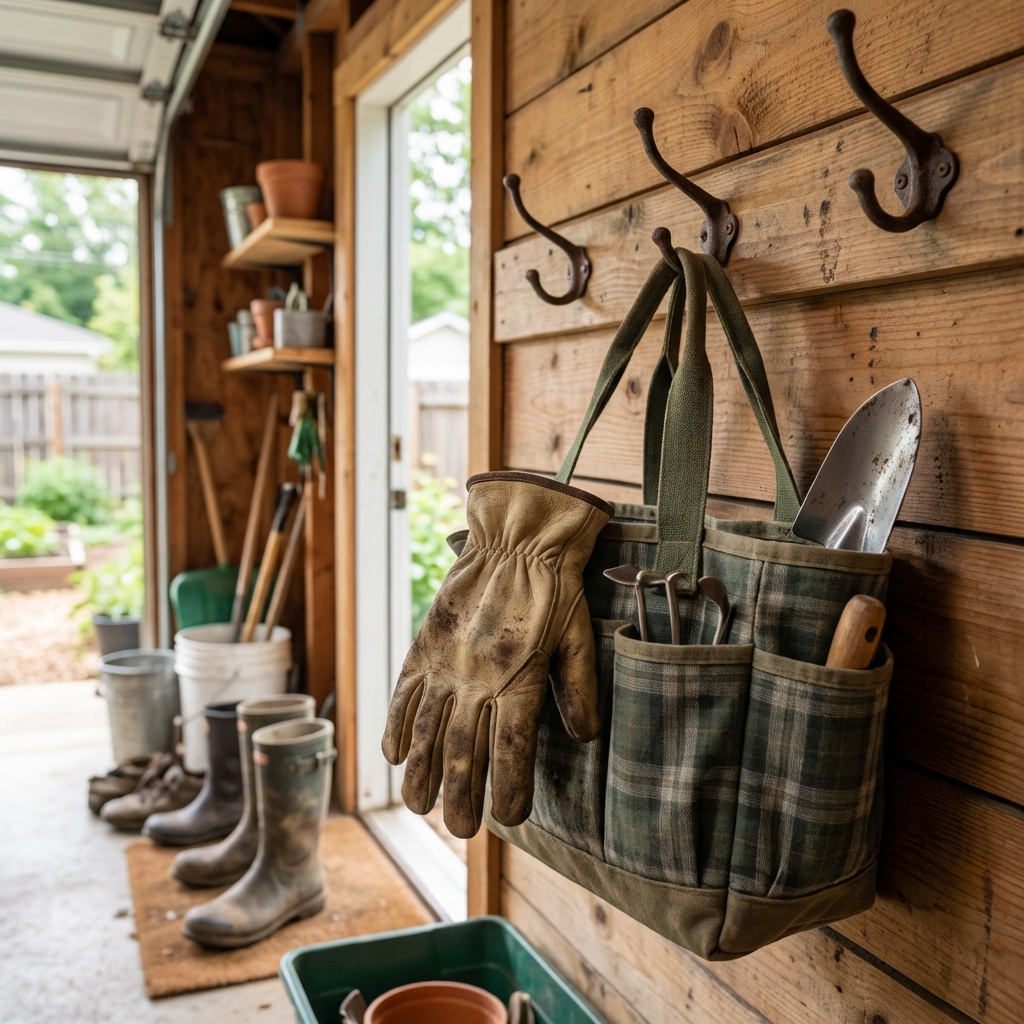
If you garden regularly, you already have routines that can accidentally move pests: gloves, knee pads, canvas totes, seed boxes, and trips in and out of the house.
Practical prevention habits
- Keep “bedroom items” out of the garden zone. Do not bring pillows, blankets, or bedroom throws outside.
- Use a dedicated garden tote that does not go into bedrooms.
- Be careful with porch furniture. Avoid placing laundry baskets or bags on outdoor cushions.
- After treatment work, change clothes and put them straight into the dryer if you were handling infested items.
When to call a professional
Bed bugs can be beaten DIY in some cases, especially when caught early. But if any of the points below apply, professional help is usually the faster and cheaper route in the long run:
- You see bugs in multiple rooms.
- Bites and sightings continue after consistent cleaning and heat steps.
- You live in a multi-unit building where bugs can move between units.
- You cannot safely lift, move, or access the areas that need treatment.
Ask a pest control company specifically about their bed bug process. The strongest programs combine inspection, targeted treatment, and follow-up visits. If they promise a one-and-done fogging, keep calling.
FAQ
Can bed bugs live in my garden beds?
They are not adapted to live in soil like garden pests. They prefer indoor hiding spots near a host. The bigger risk is accidentally moving them outdoors on items.
Will cold weather kill bed bugs if I leave items outside?
Cold can kill them, but it is not reliable without sustained, verified temperatures for long enough. Outdoor temperatures fluctuate, and bugs hide in insulated layers. Use controlled methods like a dryer or professional heat treatment.
Is “natural” always safer for my garden?
Not automatically. Even low-toxicity products can harm beneficial insects if misused. The most garden-friendly approach is containment, heat, vacuuming, and targeted indoor control rather than outdoor spraying.
A simple plan you can follow today
- Confirm bed bugs.
- Contain everything you move in sealed bags.
- Heat treat clothing and bedding in the dryer and store clean items sealed.
- Vacuum cracks and seams, then dispose of contents sealed.
- Encasements + interceptors to reduce hiding and track activity. Check interceptors weekly.
- Reduce hiding by sealing cracks and tightening loose areas.
- Avoid yard sprays and outdoor “airing out.”
- Call a pro if it is spreading or not improving.
If you treat bed bugs like an indoor, targeted problem, you protect your home and you avoid turning your porch, shed, or garden routines into an accidental transport system.

Jose Brito
I’m Jose Britto, the writer behind The Country Store Farm Website. I share practical, down-to-earth gardening advice for home growers—whether you’re starting your first raised bed, troubleshooting pests, improving soil, or figuring out what to plant next. My focus is simple: clear tips you can actually use, realistic expectations, and methods that work in real backyards (not just in perfect conditions). If you like straightforward guidance and learning as you go, you’re in the right place.