Rats do not usually show up because your garden is “dirty.” They show up because your yard is offering three things they need: easy food, reliable water, and safe cover. Natural repellents can help at the edges, but if you do not fix the attractants, the rats will keep testing your space.
This guide focuses on garden-friendly, lower-toxicity options and the practical yard changes that make repellents work better.
First, confirm you are dealing with rats
Before you start sprinkling strong-smelling stuff everywhere, take five minutes to confirm the pest. Mice and rats behave differently, and the best prevention steps can change based on what is actually visiting.
Common rat signs in gardens
- Droppings: Generally larger than mouse droppings. Norway rat droppings are often around 3/4 inch (18 to 20 mm) and blunt-ended. Roof rat droppings tend to be smaller (around 1/2 inch, 12 to 14 mm) and more pointed.
- Burrows: Holes near compost piles, sheds, thick groundcover, or under slabs. Openings are often around 2 to 4 inches wide, but size varies by soil and species. Multiple openings and packed, worn soil can be good clues.
- Runways: Narrow paths in grass or along fences where vegetation looks worn down.
- Gnaw marks: On irrigation lines, wood, or fruit.
- Night activity: Rustling near compost or fruit trees after dusk.
Quick context: Norway rats are more likely to burrow and stay low. Roof rats are better climbers and often show up around fruit trees, dense vines, and rooflines. The basics in this guide still apply, but this can help you focus your effort.
If you find a burrow near a foundation, see rats indoors, or notice frequent daytime activity, consider contacting a local wildlife or pest professional. Outdoor garden fixes still matter, but you may need a bigger plan.
What natural repellent can and cannot do
Most natural repellents work in one of two ways: they smell unpleasant to a rat or they make an area feel exposed and unsafe. The catch is that rats are practical. If the food reward is high, they will tolerate a lot.
Use repellents as a support tool
- Best use: After you remove food and cover, repellents can discourage re-entry and help train rats to avoid certain spots.
- Weak use: Trying to repel rats while leaving bird seed, fallen fruit, or an open compost buffet.
Think of repellents as the finish work, not the foundation.
Garden-friendly repellents that may help
There is no single scent that reliably clears rats from every yard. But a few approaches can help when used correctly and refreshed regularly.
Peppermint oil (best for small zones)
Peppermint oil is popular because it is strong-smelling and easy to apply. Research results are inconsistent, so treat it as a temporary, supplemental tactic, not a stand-alone fix.
- Where to use: Along fence lines, around sheds, near suspected entry points, and near compost bin edges (not inside compost).
- How to apply: Put a few drops on cotton balls and place them in small vented containers or under cover so rain does not wash them out.
- Refresh: Every few days, and always after heavy rain.
Safety note: Concentrated essential oils can irritate pets and people, and they can damage some plastics. Keep them away from curious kids and animals.
Garlic and hot pepper sprays (good for edges and hard surfaces)
Garlic and capsaicin sprays are better thought of as “make this area unpleasant” tools. They can help discourage sniffing and lingering along borders, especially on hard surfaces like patio edges or along a fence base.
- Where to use: Perimeters, undersides of raised bed edges, and around trash can pads.
- Avoid: Spraying directly on leafy greens right before harvest. It can be hard to wash off and may irritate skin and eyes.
- Refresh: After irrigation or rain.
If you make your own, keep it mild at first. Strong pepper solutions can burn plants and can make gardening miserable for you, too.
Predator scent products (use carefully)
You will see “predator urine” and scent granules marketed for rodents. Results are mixed. If you try them, use them in a strategic, rotating way along known travel routes rather than broadcasting them across the whole garden.
- Best use: Around the outer boundary where rats travel, not where you work with your hands daily.
- Reality check: Rats can habituate, especially if food remains available.
- Extra caution: Product quality can vary, and the smell can be strong. Some pets may investigate the scent, so place it where animals cannot reach it.
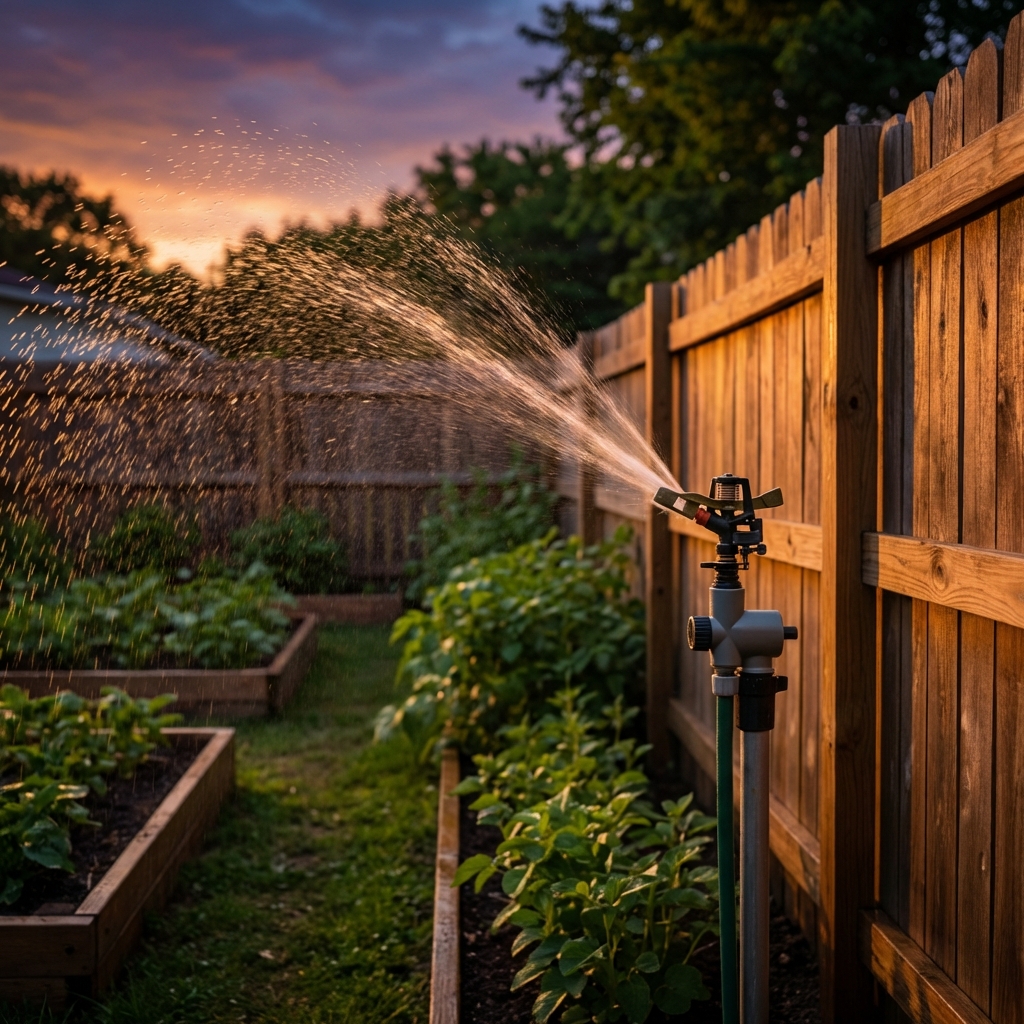
Motion-activated sprinklers and lights (often more effective)
This is not a “natural ingredient,” but it is a non-poison, garden-friendly deterrent that often outperforms oils and sprays. Rats prefer predictable, quiet routes. Sudden water and light can disrupt that. Like any deterrent, effectiveness varies and rats can get used to it, so it works best alongside food and cover control.
- Where to aim: Compost area, fruit tree drip line, chicken feed storage area, or the fence run they use.
- Tip: Move the device occasionally and adjust the angle so they do not get comfortable.
What to avoid
Mothballs
Mothballs are not a garden solution. They contain pesticides and can be harmful to people, pets, and wildlife. They are also not labeled for outdoor rodent control in many places.
Ultrasonic plug-ins (for outdoor gardens)
Outdoors, sound disperses and barriers block it. Results are typically disappointing, and rats may ignore it once they realize nothing actually happens.
Loose poison or homemade toxic baits
Even if something is “natural,” it can still be dangerous. Loose baits risk harming birds, pets, and beneficial wildlife. If you ever need rodenticide, that is a separate conversation and should be done with strict safety measures and local guidance.
The real secret: remove what attracts them
If you do only one thing, do this section. A repellent works best when rats are already unsure your yard is worth it.
Lock down food sources
- Fallen fruit and nuts: Pick up daily during peak drop. This alone can make a noticeable difference.
- Bird feeders: Use catch trays, feed less, or pause feeding if you have active rat signs.
- Pet food: Do not leave bowls outside overnight.
- Chicken feed: Store in metal cans with tight lids. Clean spill zones.
- Vegetables: Harvest ripe produce promptly, especially corn, melons, and squash.
Reduce easy water
If food is available, water can be the deciding factor that makes rats settle in.
- Fix leaks: Repair dripping spigots, hoses, and irrigation connections.
- Check drip lines: Look for slow leaks that keep soil constantly damp under mulch.
- Standing water: Empty saucers, buckets, and low spots that hold water.
- Pet water: Bring bowls in at night if possible, or place them in a more open, well-lit area and refresh daily.
Make compost less inviting
Compost is a top rat magnet when it includes easy calories and cozy cover.
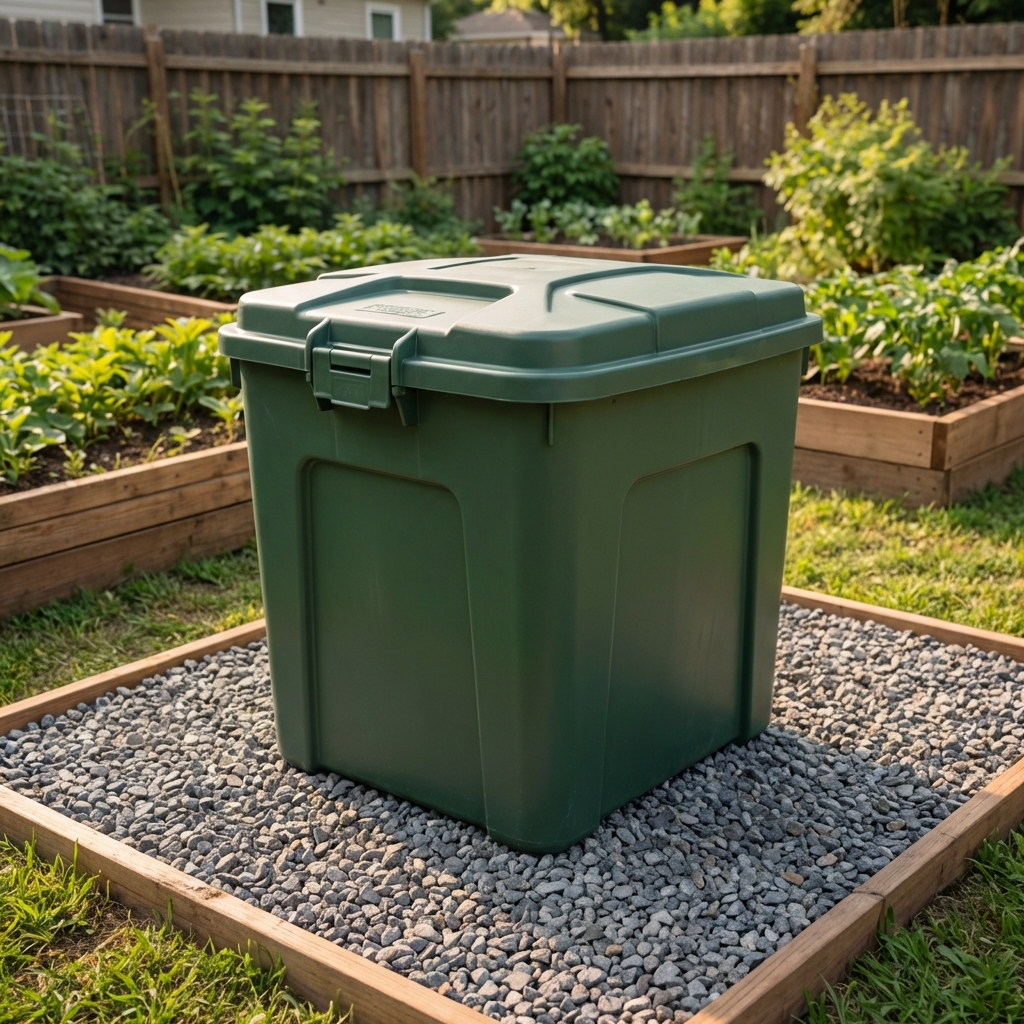
- Use a closed bin with a lid, not an open heap.
- Avoid: Meat, oily foods, and large amounts of grains.
- Bury scraps in the center of the pile and cover with browns.
- Turn regularly to disrupt nesting.
Remove cover and nesting spots
- Trim dense groundcover and weeds along fences.
- Raise wood piles off the ground and keep them away from the garden.
- Clear clutter behind sheds and around stored pots.
- Keep mulch reasonable near structures. Thick mulch tight to a shed can be prime cover.
Block access
Rats squeeze through surprisingly small gaps, and they can enlarge weak materials over time.
- Seal gaps under sheds and decks with 1/4-inch hardware cloth (metal mesh), not plastic.
- Repair vents and doors: Patch broken vents with metal mesh and add a snug door sweep to shed doors if light shows underneath.
- Check gates and fences for holes at ground level.
- Protect beds if needed with buried hardware cloth skirts along the edges to deter burrowing.
Cleanup safety when you find droppings
Rodents can carry germs and parasites. When cleaning droppings or nesting material, take basic precautions.
- Wear gloves and, if you are in a dusty area, a well-fitting mask.
- Do not dry sweep: Lightly mist droppings with disinfectant or a bleach solution (follow label directions), let it sit, then wipe up with paper towels.
- Bag and dispose: Seal waste in a bag, then wash hands well.
How to use repellents in a simple plan
Here is a realistic, backyard-friendly approach that does not rely on one magic product.
Step 1: Do a 20-minute yard audit
- Walk the boundary and look for runways and burrows.
- Identify the main food source. It is usually fallen fruit, bird seed, or compost.
- Find the best cover. Think ivy, stacked boards, or dense weeds.
Step 2: Remove the attractant for 7 to 10 days
- Pick up fruit daily.
- Secure feed and trash.
- Switch compost to a lidded bin or pause adding kitchen scraps temporarily.
- Fix obvious water sources like drips and standing water.
Step 3: Add targeted deterrents
- Use peppermint oil cotton balls in protected containers along runway edges.
- Place a motion sprinkler where activity is highest and reposition it occasionally.
- Use garlic or pepper sprays on border zones, not on edible leaves right before harvest.
Step 4: Monitor and escalate if needed
Recheck signs weekly. If you still see fresh droppings and active burrows after you remove attractants, you may need a more direct control method like snap traps in secure, tamper-resistant boxes, or professional help. Repellents alone are often not enough once a colony is established.
Good to know: Relocating rats is often illegal, usually ineffective, and can spread the problem. If you escalate, check local regulations and prioritize methods that reduce risk to kids, pets, and wildlife.
Plant choices people ask about
You will hear that certain plants “repel rats,” like mint, lavender, and alliums. These plants can be part of a less inviting landscape, but do not expect them to protect a buffet.
Helpful, but not magic
- Mint: Strong scent, but it spreads aggressively. Grow it in pots.
- Garlic, chives, onions: Worth growing anyway, and they may slightly discourage browsing.
- Lavender, rosemary: Aromatic borders can help, especially in dry climates.
If rats are already comfortable, they will run right past these plants to get to what they want.
Kids, pets, and pollinators
- Avoid loose powders where kids and pets play. Even natural irritants can cause eye and skin problems.
- Keep essential oils contained and out of reach. Do not soak soil with them.
- Spray at the right time: If using garlic or pepper sprays, avoid spraying open blooms when bees are active.
- Use physical prevention first: Sealed bins, metal storage, and habitat cleanup are the safest long-term moves.
Quick checklist
- Pick up fallen fruit and remove easy food.
- Reduce water: fix leaks, eliminate standing water, bring pet bowls in at night if possible.
- Secure compost in a lidded bin and turn it regularly.
- Cut back dense cover and clean up cluttered storage areas.
- Block gaps under sheds and along fence bases with 1/4-inch hardware cloth.
- Add targeted deterrents like peppermint oil (protected from rain) or border sprays.
- Consider motion sprinklers for a strong, non-poison deterrent, and reposition them occasionally.
- Monitor weekly and escalate safely if signs stay active.
When you combine prevention with targeted deterrents, you get the best of both worlds: a garden that is less attractive to rats, and a repellent strategy that actually has a chance to stick.

Jose Brito
I’m Jose Britto, the writer behind The Country Store Farm Website. I share practical, down-to-earth gardening advice for home growers—whether you’re starting your first raised bed, troubleshooting pests, improving soil, or figuring out what to plant next. My focus is simple: clear tips you can actually use, realistic expectations, and methods that work in real backyards (not just in perfect conditions). If you like straightforward guidance and learning as you go, you’re in the right place.