Mold on clothes happens fast in real life. A damp towel left in a hamper, a load forgotten overnight, a jacket stored before it fully dried. The good news is you can usually improve it with a few common household ingredients and a little patience. Below are practical methods for everyday fabrics, plus tips to avoid damaging your clothes while you clean.
Quick note on wording: People often say “mold” and “mildew” interchangeably for musty fungal growth on fabric. This guide uses both terms as shorthand, but the cleanup steps are similar.
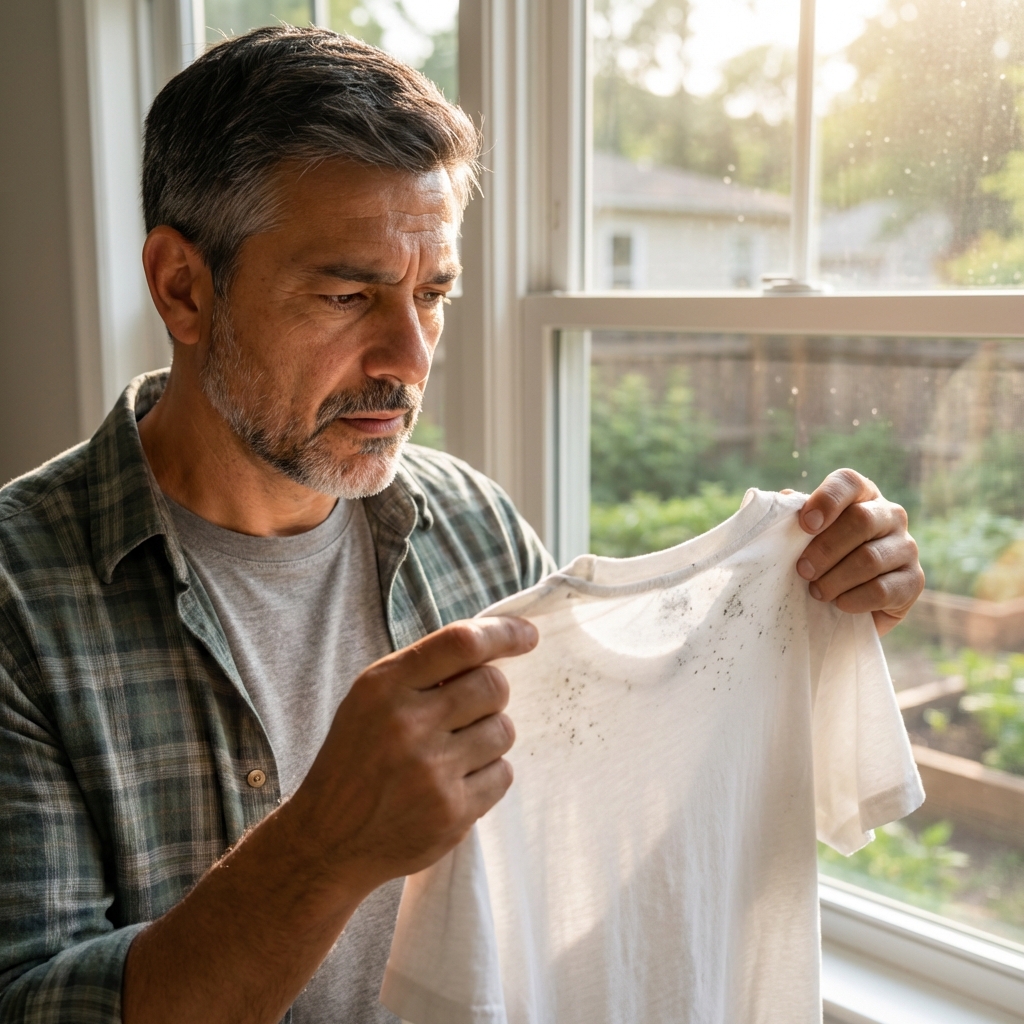
Before you start: safety and fabric checks
- Take the item outside first. Brushing or shaking indoors can spread spores around your home.
- Wear gloves if you have sensitive skin and consider a mask if the mold is heavy or you have allergies or asthma.
- Extra caution: If you are immunocompromised, or the item is heavily moldy, it may be safer to discard it or have it handled professionally.
- Check the care label. Hot water, vigorous scrubbing, and some treatments are not great for wool, silk, leather, or “dry clean only” items.
- Do a quick color test. Dab the solution on an inside seam and wait 5 to 10 minutes before going all in.
- Do not mix chemicals. In particular, never mix bleach with vinegar or ammonia. It can create dangerous fumes.
Tip: If the fabric is rotting, tearing easily, or the mold has been sitting for months in a humid space, the safest option might be to discard it. No remedy can reverse fiber damage.
Step 1: remove loose mold with less spread
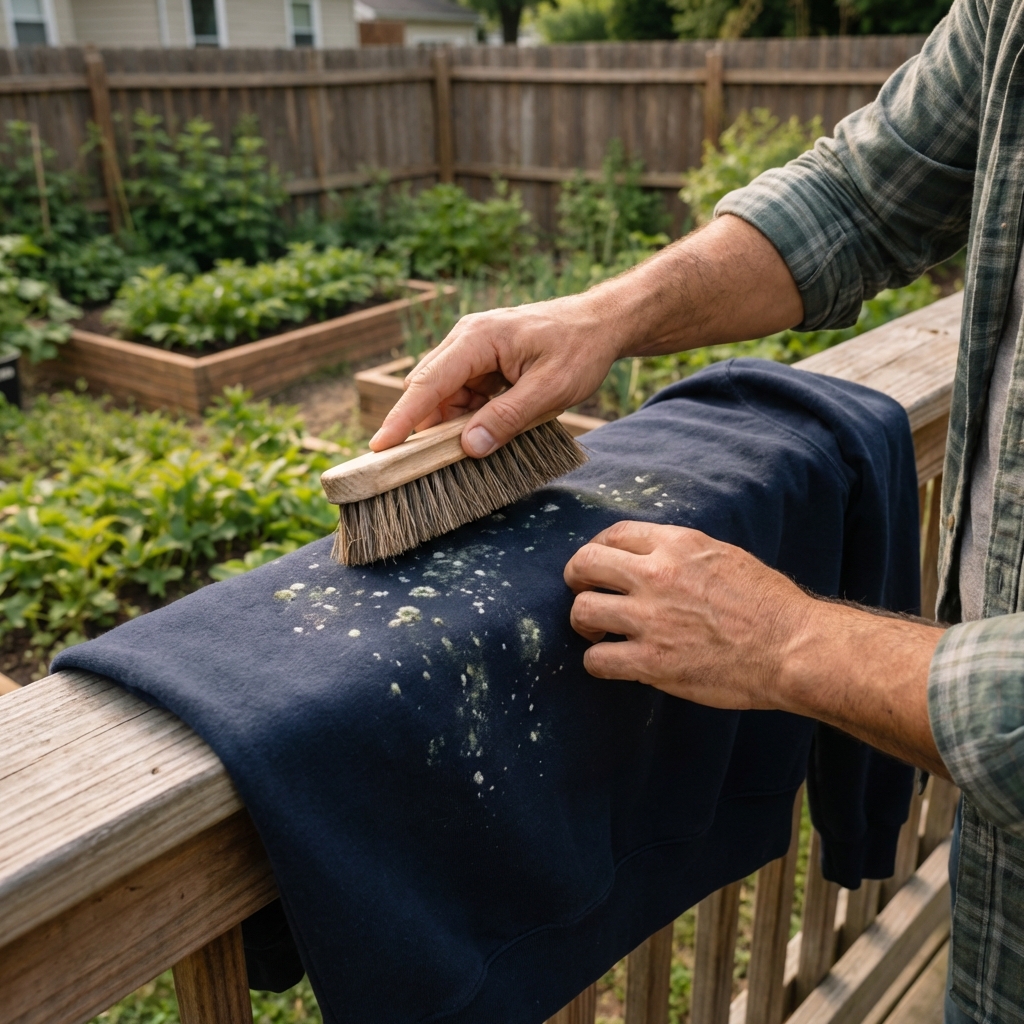
If the mold is dry, it often brushes off more easily than when it is wet. Outside, gently brush the spots with a soft brush or old toothbrush. Avoid vigorous scrubbing, which can kick spores into the air. If you have one, a quick pass with a HEPA vacuum outdoors can help capture loose debris.
Then rinse with cool water (or run cool water from the back of the fabric through the area) to flush away remaining residue before you treat it. Cool water is a safe default because it is less likely to set certain stains or affect delicate fibers.
Household and low-tox options that work
You do not need to use every method. Pick one based on what you have and the fabric type, then repeat if needed.
1) White vinegar soak (best all-around start)
White vinegar can help reduce odor and can help kill or inhibit some common household molds. Results can vary by mold type, fabric, and contact time.
- Start with a mix of 1 part white vinegar and 3 parts warm water in a bucket or sink.
- Soak the clothing for 30 to 60 minutes. If the smell or spotting is mild, start closer to 30 minutes.
- Wash as usual with your regular detergent.
- Air dry in sun if possible, or dry completely indoors with good airflow.
Helpful drying tip: If you still see staining or smell mustiness after washing, avoid the dryer until the issue is resolved. Heat can make lingering residues and odors harder to remove later.
When to avoid: Vinegar may degrade elastic or trims with repeated long soaks. It is also not ideal for certain decorative elements. For delicates, do a shorter soak, skip scrubbing, and test first.
2) Baking soda wash booster (great for odor)
Baking soda helps neutralize odors and can gently lift residue that mildew can feed on.
- Add 1/2 cup baking soda directly into the wash drum with your clothes.
- Wash in the warmest water the fabric allows.
- If smell lingers, run a second rinse cycle.
Simple combo: Use a vinegar soak first, then do a baking soda wash. Just do not mix vinegar and baking soda in the same container expecting “extra power.” They neutralize each other.
3) Hydrogen peroxide spot treatment (for pale fabrics)
Hydrogen peroxide (3%) can help fade mold staining on lighter fabrics, but it can lighten dyes.
- Spot test on a hidden seam.
- Apply 3% hydrogen peroxide to the stain with a cloth or cotton pad.
- Let sit 10 minutes, then rinse well.
- Wash normally and dry fully.
4) Oxygen bleach (non-chlorine) for stubborn stains
If the stain is set in, oxygen bleach (often sodium percarbonate) is a strong, non-chlorine option for many washable items.
- Dissolve the product in warm water following package directions.
- Soak 1 to 6 hours depending on severity.
- Wash normally.
Note: This is not the same as chlorine bleach. Oxygen bleach is generally safer for colors, but always test first.
5) Sunlight and fresh air (underrated and free)
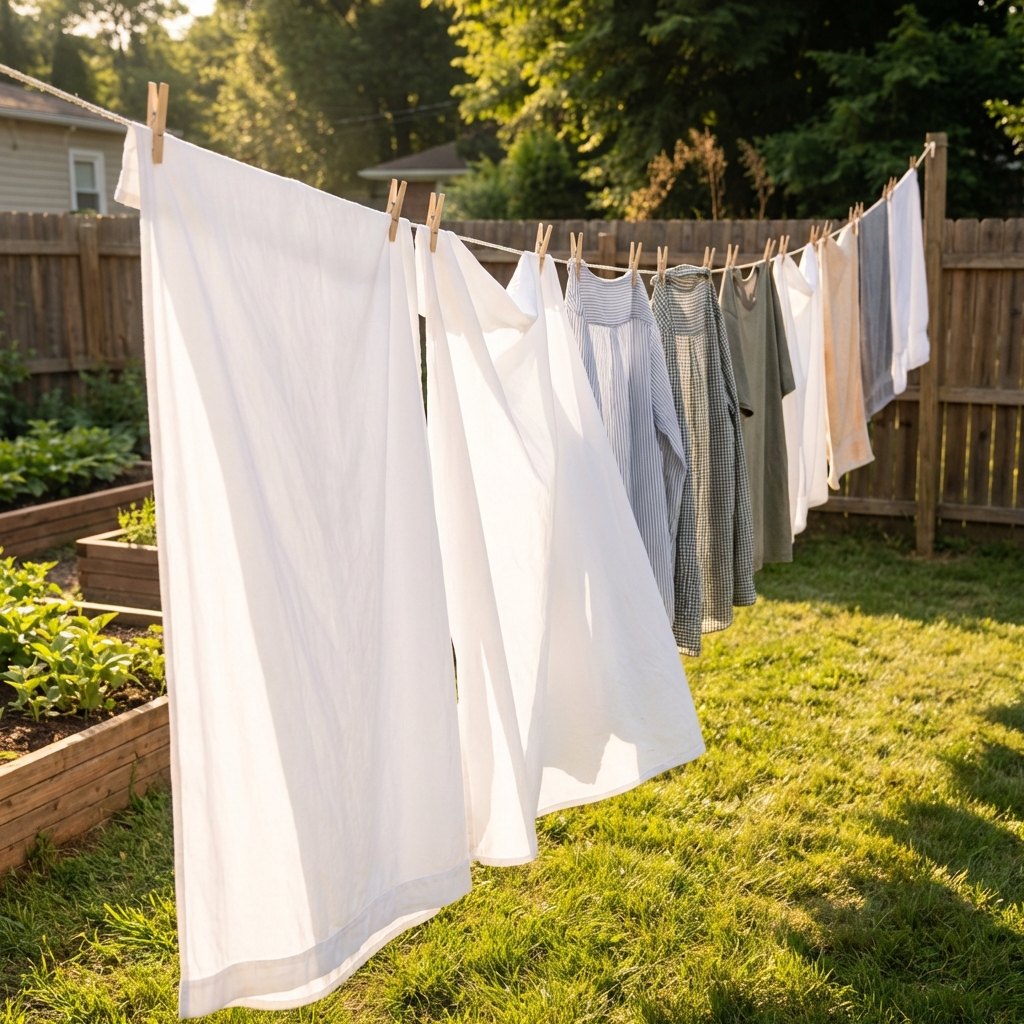
Direct sun helps dry fabric quickly and can reduce musty odor. After washing, hang clothes outside in direct sunlight if you can.
6) Chlorine bleach (last resort for whites only)
If you are dealing with sturdy white cotton and nothing else has worked, chlorine bleach can remove stubborn staining. It is harsh, can weaken fibers, and can damage colors and many blends, so treat it as a last resort.
- Follow the care label and the bleach label directions carefully.
- Use good ventilation and gloves.
- Never mix bleach with vinegar, ammonia, or other cleaners.
How to treat mold by fabric type
Cotton, linen, and sturdy blends
These usually handle vinegar soaks, warm washes, and oxygen bleach well. Use the warmest water the label allows, and prioritize thorough drying.
Synthetics and athletic wear
Synthetics can trap odor. Use a vinegar soak, then wash with detergent plus baking soda. Avoid high heat drying if the label warns against it. Heat can make lingering odor and residue harder to remove if the mildew is not fully gone.
Wool and silk
Skip long soaks and aggressive scrubbing. Use a short, diluted vinegar rinse (spot test), then gently hand wash with a mild detergent. Dry flat with airflow. If the item is valuable or “dry clean only,” professional cleaning is safer.
Dry clean only items
Do not soak or machine wash. Take the item to a cleaner and tell them it has mold or mildew so they can handle it appropriately.
Towels and bedding
Towels can hide mildew deep in the pile. Vinegar soak, then a hot wash (if allowed), and dry completely. If your towels smell musty even when clean, they may need a deep clean cycle with oxygen bleach.
Remove musty smell (when stains are gone but odor stays)
- Rewash with baking soda: 1/2 cup in the drum.
- Extra rinse: detergent residue can hold odor, so rinse well.
- Sun dry: a few hours outside can make a noticeable difference.
- Do not store until fully dry: even slightly damp fabric can re-mildew in a closet.
When these methods are not enough
If mold keeps coming back after proper cleaning, the problem is usually the environment, not the clothing. A damp closet, a humid basement, a washer that stays closed, or a slow-drying laundry area can keep reinfecting fabrics.
Also consider replacing items if:
- The fabric has a persistent sour smell after multiple treatments and full drying.
- You see widespread black spotting across seams and inner layers.
- The clothing has visible fiber breakdown or tears around the mold.
- The item was exposed to contaminated water (for example, sewage). In that case, replacement is often the safest choice.
Prevent mold on clothes
This is the part that saves you the most time.
- Dry fast: hang damp items immediately, especially towels and gym clothes.
- Do not overfill your washer: cramped loads rinse poorly and stay damp longer.
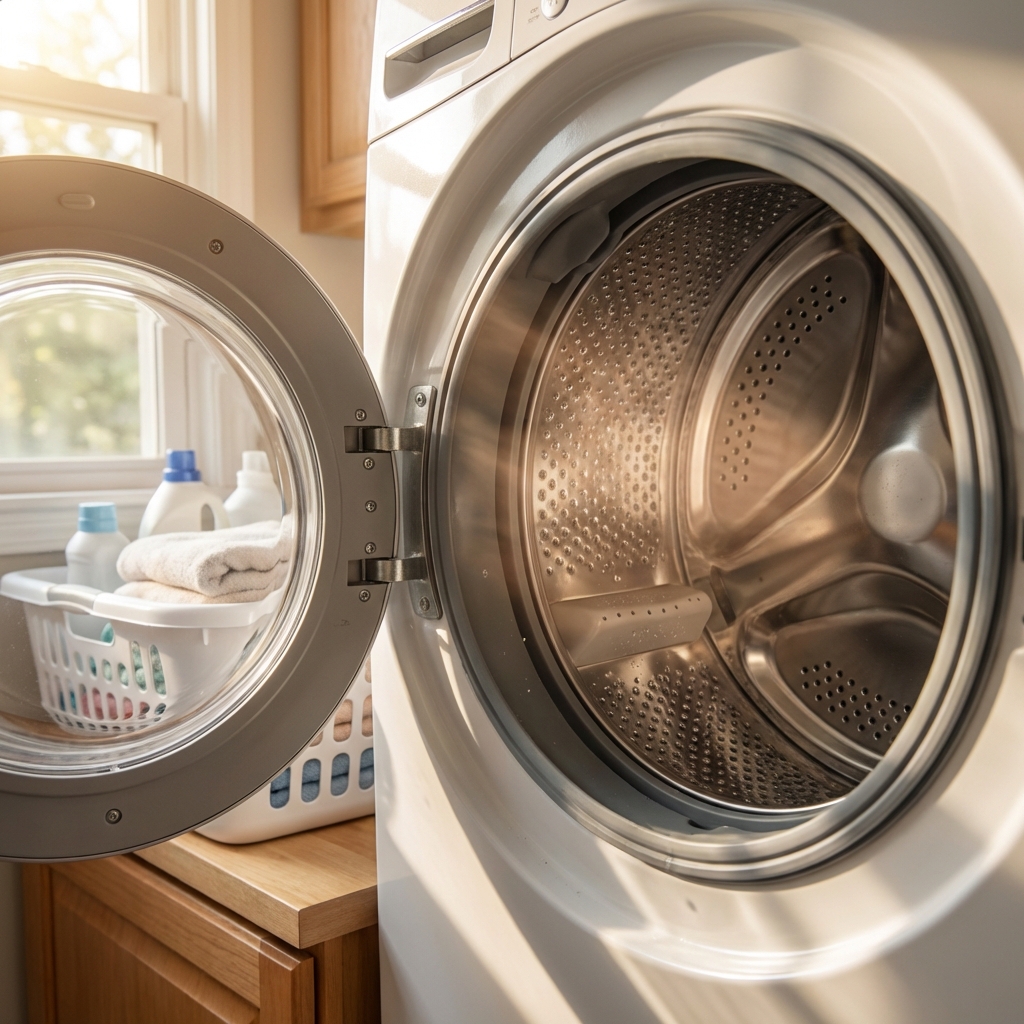
- Leave the washer door open: let the drum dry between loads.
- Use airflow in closets: avoid cramming clothes, and consider a small dehumidifier in humid rooms.
- Store only clean, fully dry clothes: body oils and residue give mildew something to feed on.
- Check forgotten spots: laundry baskets, gym bags, and hampers can hold moisture and transfer odor back to clean clothing.
Washer upkeep helps more than people think: Run an occasional hot empty cycle with a washer cleaner or oxygen bleach (follow the product directions), wipe the door gasket, clean the detergent drawer, and leave the door ajar so the drum can dry out.
Quick method cheat sheet
- Mild mildew smell, no stains: baking soda in wash, sun dry.
- Visible mold spots: brush outside gently, cool rinse, vinegar soak, wash warm, sun dry.
- Stains on light fabric: peroxide spot treat or oxygen bleach soak, then wash.
- Repeated problem: fix humidity and drying habits, clean the washer, improve airflow.
If you want one “do-this-first” approach, start with the vinegar soak and sunlight. It is simple, inexpensive, and it solves many everyday mold and musty odor issues without harsh chemicals.

Jose Brito
I’m Jose Britto, the writer behind The Country Store Farm Website. I share practical, down-to-earth gardening advice for home growers—whether you’re starting your first raised bed, troubleshooting pests, improving soil, or figuring out what to plant next. My focus is simple: clear tips you can actually use, realistic expectations, and methods that work in real backyards (not just in perfect conditions). If you like straightforward guidance and learning as you go, you’re in the right place.