Fleas are one of those problems that feel mysterious until you realize what they tend to thrive in: shade, moisture, and animals passing through. In most yards, fleas are not evenly spread out. They stack up in specific “hangout” zones like under decks, along fence lines, in damp lawn edges, and under shrubs where pets nap.
This page is about practical flea control you can actually do with normal home-garden tools. The goal is not perfection overnight. It is to break the flea life cycle and make your yard less welcoming so the population collapses and stays low.
First, find the flea hotspots
Before you treat anything, do a quick check so you are not wasting time and money on areas that do not need it.
Common outdoor flea zones
- Under decks and porches where it stays cool and protected
- Under shrubs and low hedges, especially where pets rest
- Along fences where wildlife travels
- Damp lawn edges near sprinklers, downspouts, or shaded sides of the house
- Dog runs and kennels, plus any sandy soil where animals roll
Quick “white sock” test
Pull on tall white socks, walk slowly through suspected areas, and pause. Fleas can jump onto light fabric and are easier to spot. Look for tiny dark insects that move fast or jump. If you find fleas in one corner and not another, that is normal. Treat the problem areas first.
Understand the flea life cycle
Most of the flea population is often not on your pet at any given moment. It is in the environment as eggs, larvae, and pupae. That is why one spray, one bath, or one yard treatment often disappoints.
- Eggs drop off animals into soil, mulch, and lawn thatch
- Larvae hide from light and feed in organic debris, including flea dirt (adult flea droppings)
- Pupae can wait and then “wake up” when vibration, warmth, and even carbon dioxide signal a host
- Adults jump and bite when conditions are right
Practical takeaway: plan on multiple passes over 2 to 6 weeks, and sometimes longer in cool or protected spots where pupae can hang on.
Yard cleanup that reduces fleas
Fleas thrive where there is protection and damp organic matter. Your job is to remove the cover they rely on.
Do these first
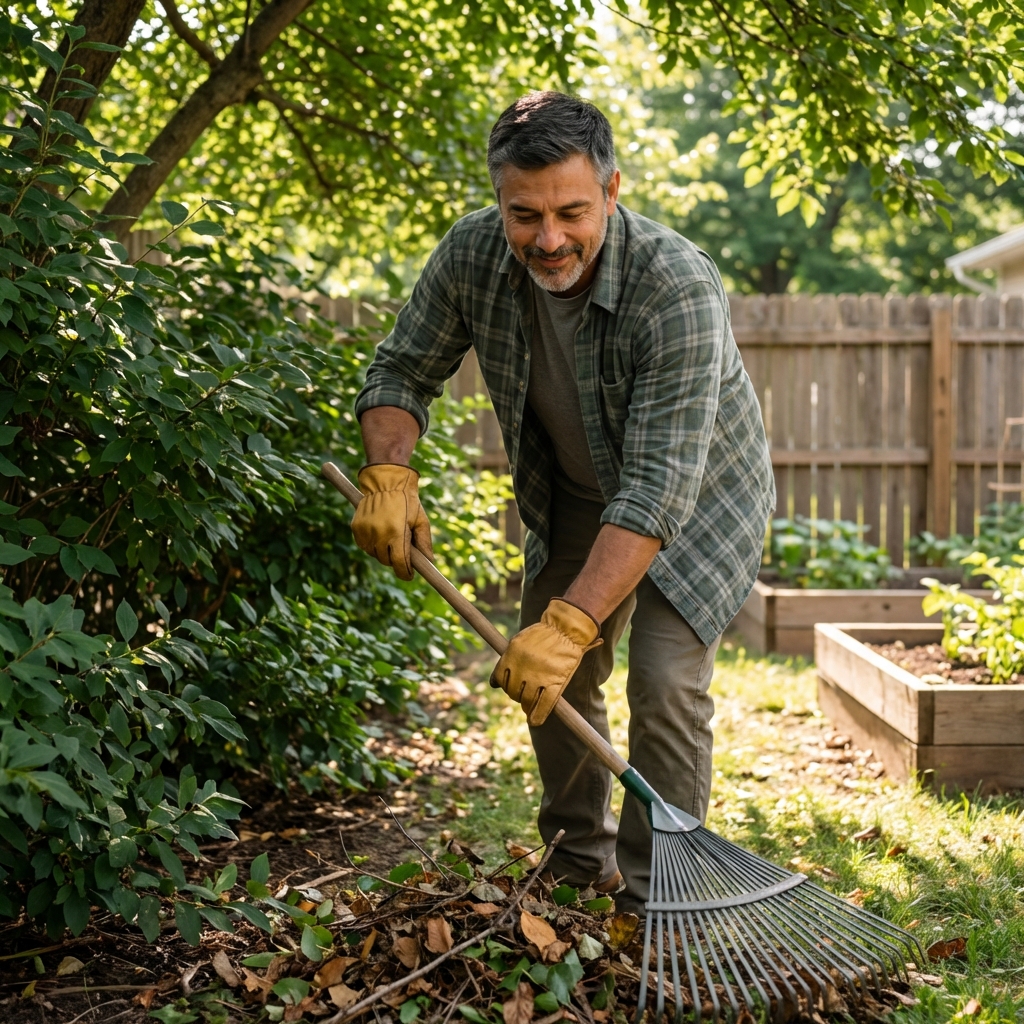
- Rake out leaf piles under shrubs, along fences, and behind sheds
- Thin dense groundcover where air does not move
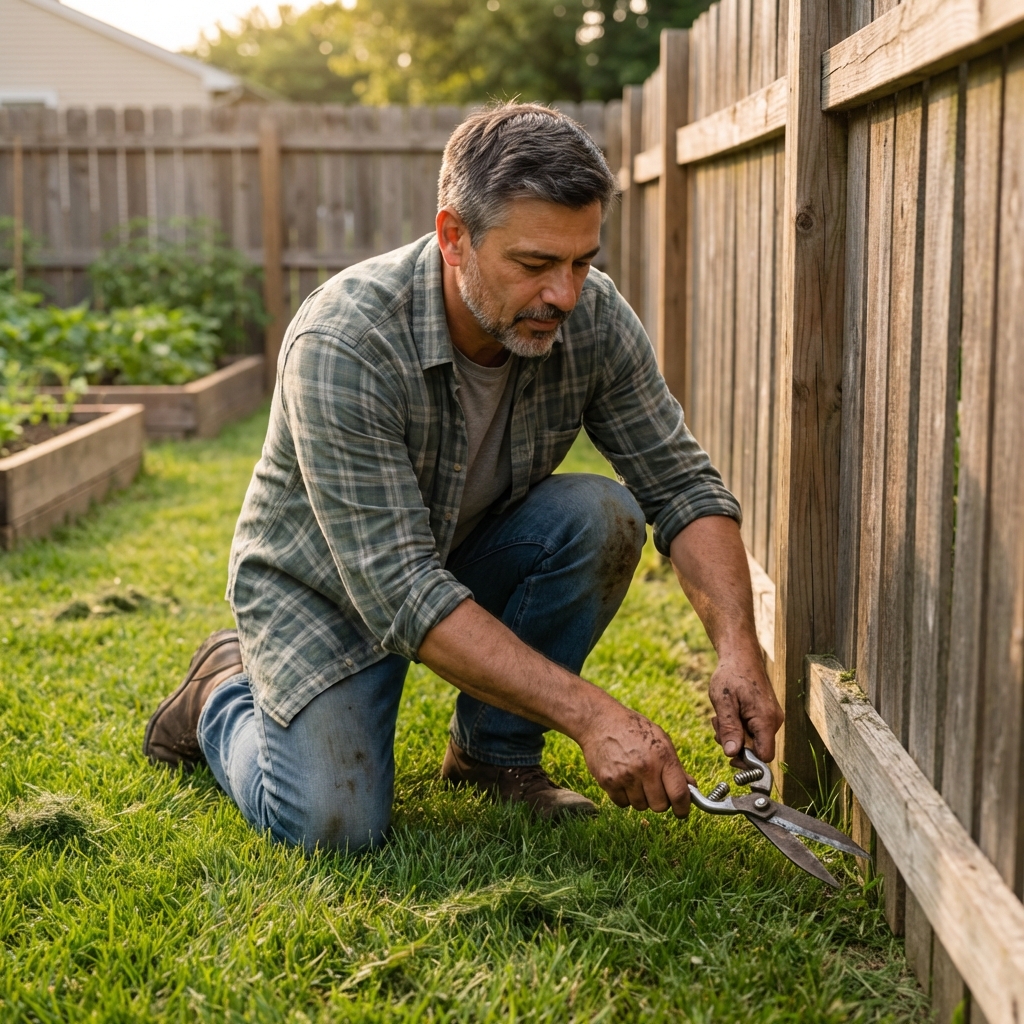
- Mow regularly and keep grass from getting tall and floppy
- Edge weedy borders and clear tall weeds around patios and play areas
- Clean pet lounging spots (wash bedding, pick up hair, remove old straw)
If you only do one “gardening” step, do this one: remove moist, shady debris. It is where larvae and pupae hide.
Watering and shade tweaks
In many yards, flea problems get worse when the soil surface stays damp. You do not need to turn your garden into a desert, but you can stop creating a flea-friendly microclimate.
Try these adjustments
- Fix splash zones from downspouts. Add an extension or a splash block.
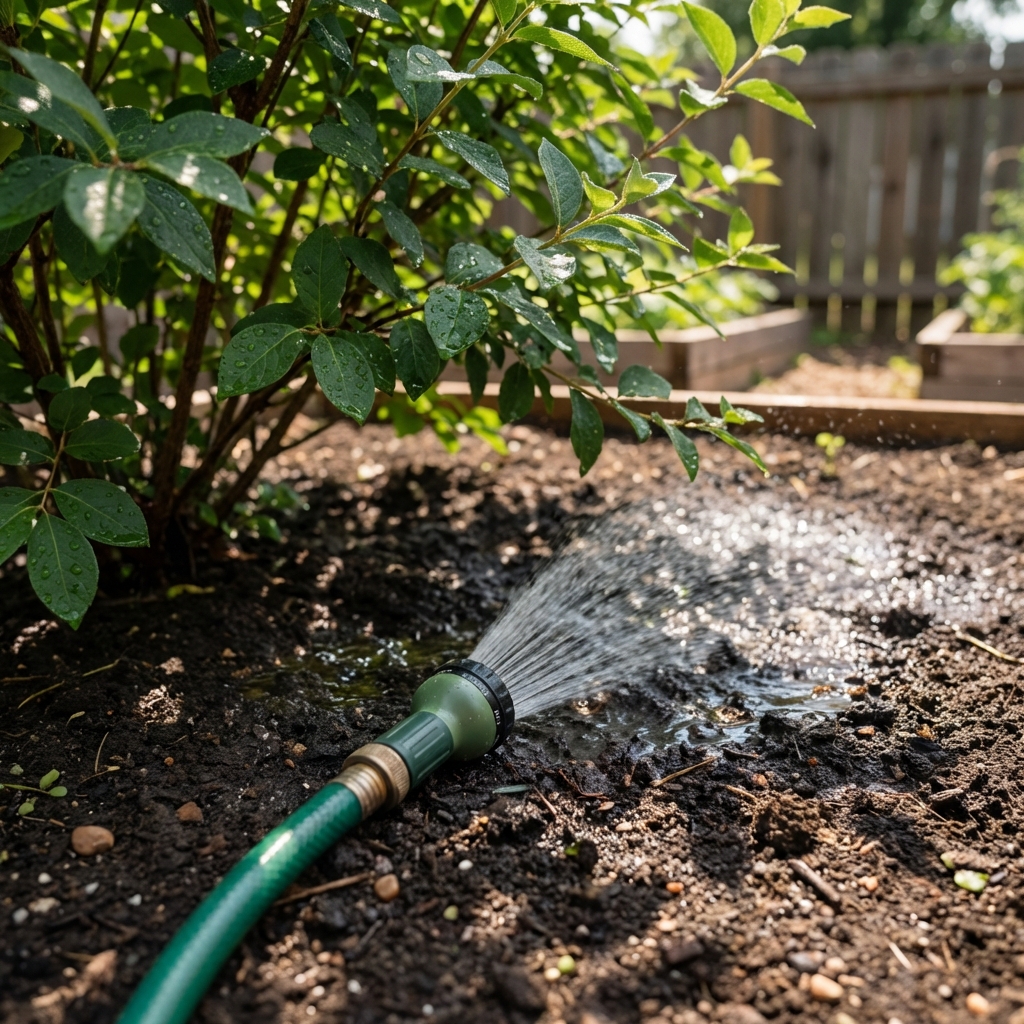
- Water early so the surface dries faster during the day.
- Avoid daily light watering that keeps the top layer moist. Water deeper, less often when possible.
- Prune lower branches to increase airflow under shrubs.
Fleas like it protected. Sun and airflow are not magic, but they are steady pressure in your favor.
Season and timing
In many regions, outdoor flea pressure ramps up from late spring through fall. In mild or coastal climates, fleas can be a year-round issue, especially in shaded, irrigated yards. If you time cleanup and treatments early in the season, you usually have an easier time keeping numbers down.
Beneficial nematodes
If you want a low-toxicity tool that targets flea larvae in the soil, beneficial nematodes are worth knowing. These are microscopic organisms that hunt soil-dwelling pests. Results can vary, and success depends heavily on moisture and temperature.
How to use nematodes for fleas
- Buy nematodes labeled for fleas, often Steinernema carpocapsae or Steinernema feltiae.
- Apply in the evening or on a cloudy day. UV light and heat can reduce success.
- Water the area first, apply nematodes, then water again to wash them into the top layer of soil.
- Keep soil lightly moist for about a week so they can work.
Best targets: shady soil under shrubs, under decks, dog runs, and lawn edges where you found fleas. Do not bother treating dry sunny areas that do not show activity.
Diatomaceous earth
Food-grade diatomaceous earth (DE) can help in very specific situations, mainly where you can keep it dry. It works by scratching and drying out insects by damaging their protective outer layer.
Where DE makes sense
- Cracks and dry edges of patios
- Dry soil under covered areas (like under a roofed porch)
- Dry kennel floors where it will not blow into faces
Important cautions
- Use food-grade only.
- Apply a thin dusting, not piles.
- Avoid breathing the dust. A mask is smart during application.
- DE is not selective. It can harm beneficial insects if you dust it around flowers and pollinator areas.
- If it gets wet, it stops working until it dries again.
Targeted yard treatments
If fleas are heavy and you need a faster reduction, a highly effective approach is still spot-treating hotspots rather than blanketing the whole yard. That protects beneficial insects and keeps the job manageable. In severe infestations, broader treatments may be recommended by a professional, but you can still start by focusing on the zones where fleas develop.
Practical rules for outdoor treatments
- Treat where fleas are: cool, shaded resting zones, pet rest areas, and damp edges.
- Follow the label exactly. More is not better.
- Time it: plan on a second application based on label instructions to catch newly emerged adults.
- Keep pets and kids off treated areas until fully dry and label re-entry times are met.
- Keep treatments away from water: ponds, drains, and runoff pathways. Follow local restrictions when they apply.
If you are trying to keep things as pollinator-friendly as possible, avoid spraying flowering plants. Focus on non-blooming ground zones where fleas develop.
A note on IGR products
Some yard products include an IGR (insect growth regulator) to interrupt development. This can support the “break the life cycle” goal, especially when used with cleanup and pet protection. Use only as directed on the label.
Do not skip the pet side
Yard control helps, but fleas often ride in on pets and wildlife. If pets are not protected, they keep reseeding the yard and the house.
Basic checklist
- Talk to your vet about an effective flea preventative for your pet and your area.
- Wash pet bedding weekly in hot water during an active outbreak.
- Vacuum indoor floors often, especially near pet sleep areas. Empty the vacuum outside.
- Limit pets from hanging out in the worst yard hotspot until you get it under control.
Wildlife pressure
If fleas keep coming back, wildlife may be part of the loop. Simple steps help: secure trash, clean up fallen fruit, and block access to crawlspaces or under-deck hiding spots when possible. You do not have to eliminate wildlife, just reduce the places they bed down close to the house.
A simple 2-week kickoff plan
If you want a straightforward plan you can follow without overthinking it, start here. This is a kickoff. Expect to continue for 2 to 6 weeks or more depending on weather, shade, and how long pupae have been protected.
Days 1 to 3
- Find hotspots with the white sock test.
- Rake debris, mow, trim borders, and open up airflow under shrubs.
- Fix easy moisture problems (downspouts and overwatering).
Days 4 to 7
- Apply beneficial nematodes to hotspots if conditions fit (shady, not scorching hot, soil can be kept lightly moist).
- Use DE only in dry, covered zones where it will stay put.
Week 2
- Re-test hotspots.
- Repeat spot treatments as needed based on the product label or nematode guidance.
- Keep mowing and removing debris. Consistency matters more than intensity.
Common questions
Will fleas die off in winter?
Cold helps, but it depends on your climate. Pupae can survive for a while in protected spots. If you have mild winters, fleas can persist year-round.
Does lime get rid of fleas?
Garden lime is for adjusting soil pH. It is not a reliable flea control method, and overuse can harm plants and soil biology.
What about cedar chips?
Cedar can be mildly repellent in some settings, but it is not a stand-alone fix outdoors. If you like cedar mulch for garden reasons, use it, but still do cleanup and targeted control.
When to call a pro
If you have heavy flea pressure from wildlife, multiple pets, or a yard with lots of shaded damp areas you cannot change, a professional can help. Ask for a plan that focuses on hotspot treatments and life cycle timing, not just blanket spraying.

Jose Brito
I’m Jose Britto, the writer behind The Country Store Farm Website. I share practical, down-to-earth gardening advice for home growers—whether you’re starting your first raised bed, troubleshooting pests, improving soil, or figuring out what to plant next. My focus is simple: clear tips you can actually use, realistic expectations, and methods that work in real backyards (not just in perfect conditions). If you like straightforward guidance and learning as you go, you’re in the right place.