Roaches are not just a dirty-house problem. They are a food, water, and hiding-spots problem. If you want natural roach control that lasts, the goal is simple: make your home a terrible place for them to eat, drink, and reproduce, then use targeted natural treatments where they travel.
This page focuses on realistic home steps, not perfect-lab advice. You probably do not need a shelf full of sprays. You need a plan you can stick to.
First, know what you are dealing with
Different roaches behave differently. Your approach stays mostly the same, but expectations change depending on the species.
- German roaches (small, tan, fast, often in kitchens and bathrooms): the most common indoor problem in many homes, especially in multi-unit housing. They multiply quickly, so you need consistent baiting and deep cleaning.
- American roaches (large, reddish brown): often come from sewer and drain lines, basements, crawl spaces, garages, and other damp utility areas. Moisture control matters a lot.
- Smokybrown roaches (dark brown to black): typically outdoor roaches that move in when conditions are right, especially around wood piles, leaf litter, and damp areas.
Quick ID tip: If you see roaches mostly at night and find droppings in drawer corners or under the sink, treat it as active indoor activity and start with sanitation plus baits or dusts. Droppings vary by species: small roaches often leave pepper-like specks, while larger roaches can leave larger, darker droppings.
Note: Some species look similar (and names get mixed up). If you can, confirm the ID so you are not guessing the source.
Natural roach control in 3 steps
Step 1: Cut off food and water (this is where most natural plans fail)
Roaches can survive surprisingly long without food, but they cannot do well without water. Your best natural spray is removing what they need.
- Nightly reset: wipe counters, sweep crumbs, rinse the sink, and dry it out.
- Lock up food: move pantry staples into sealed containers. Cardboard and thin plastic bags are not barriers.
- Pet food rule: pick up bowls at night or store food in a sealed bin.
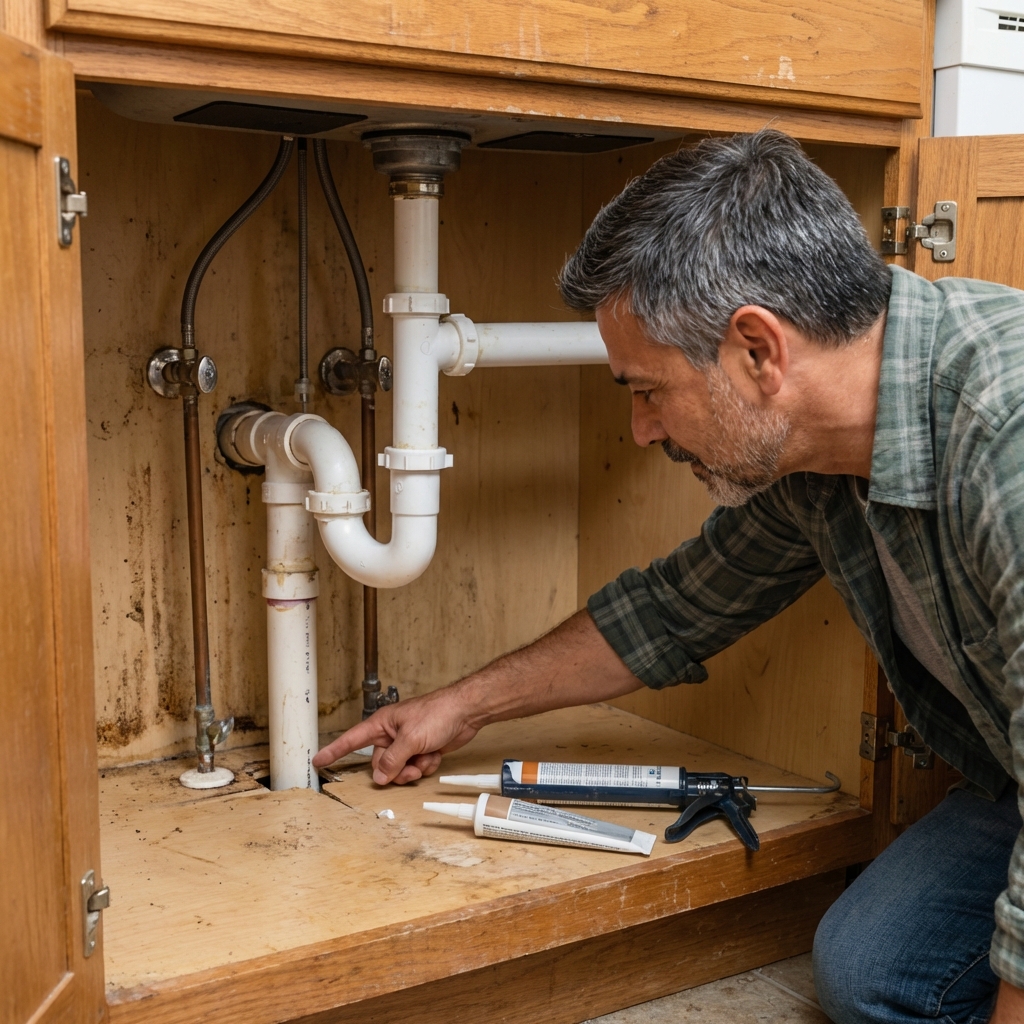
- Fix moisture: repair drips under sinks, around toilets, and behind the fridge water line if you have one.
- Take out trash: especially food waste. Clean the bin itself with soapy water.
Step 2: Remove hiding spots and block entry points
Roaches love tight spaces near warmth and moisture. That means under sinks, behind appliances, and along baseboards.
- Declutter cabinets and pantries so you can clean and treat edges.
- Vacuum cracks and corners, then empty the vacuum outside.
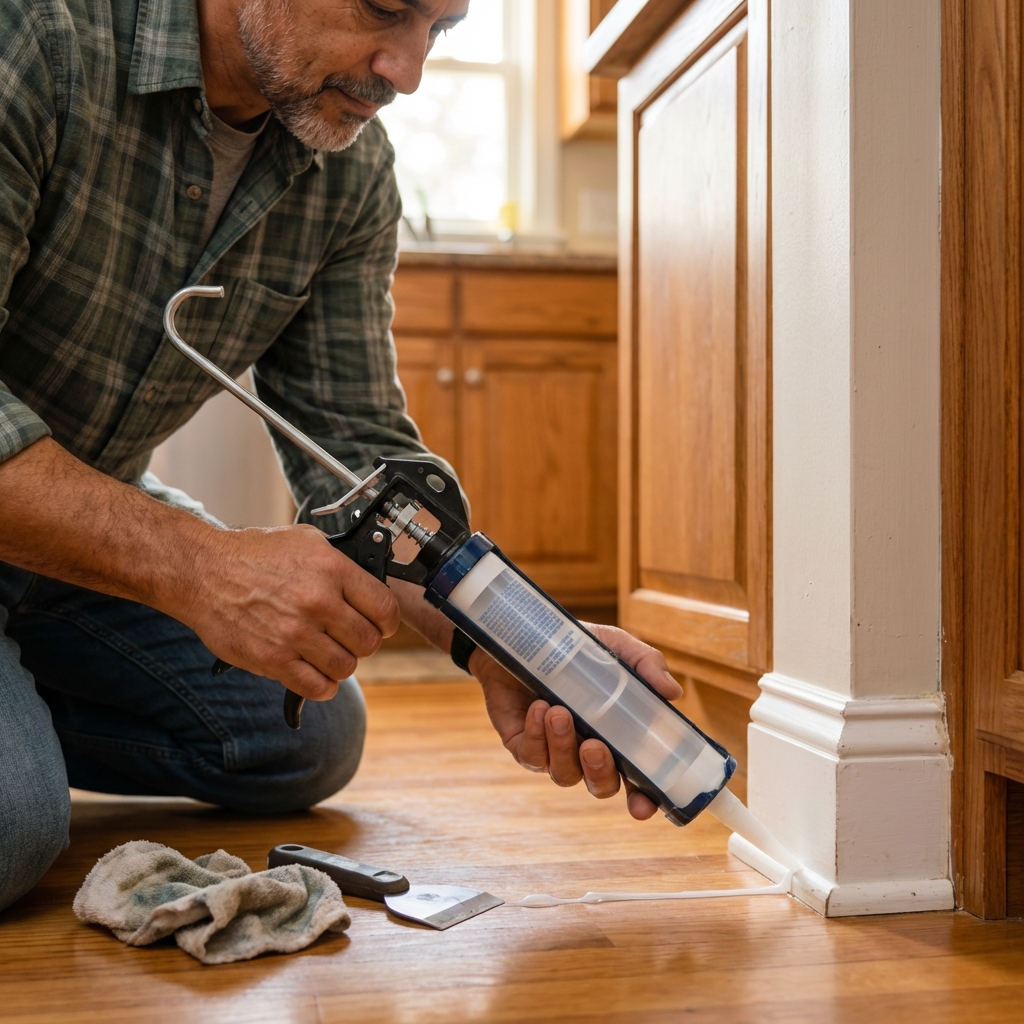
- Seal gaps with caulk where baseboards meet walls, and around plumbing penetrations.
- Add door sweeps if you have daylight under exterior doors.
Step 3: Use targeted natural treatments that actually kill
Many essential oil sprays smell nice but do not solve an infestation. The natural options with the best track record are powders and carefully placed baits, used correctly.
Natural remedies that work (and how to use them safely)
Diatomaceous earth (food grade)
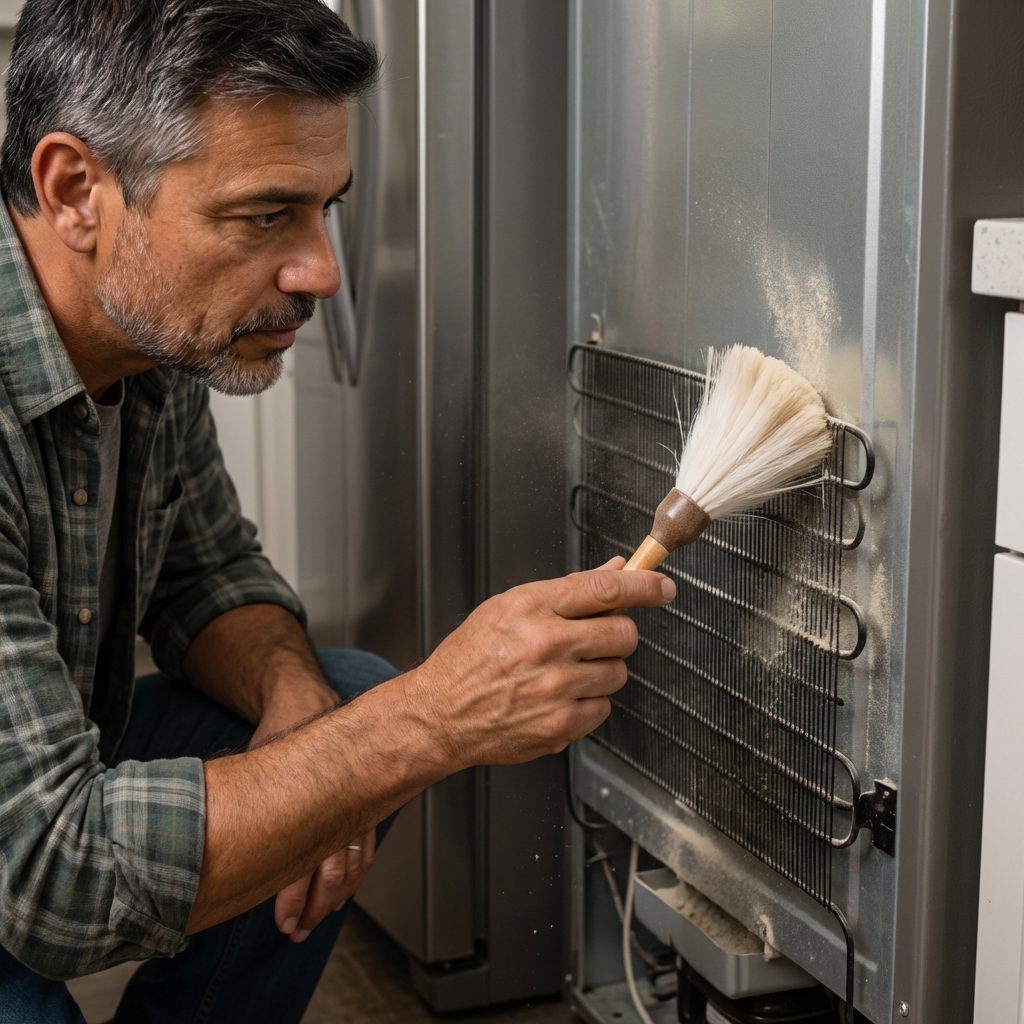
Food-grade diatomaceous earth (DE) is a fine powder that can damage insects’ protective outer layer. It works best when applied as a thin, barely visible dusting. If you see piles, roaches will often avoid it.
- Where to apply: behind the fridge, under the stove, under the sink (away from wet areas), along baseboard cracks, and behind the trash can.
- Keep it dry: DE does not work well when damp.
- Safety: avoid creating airborne dust. Wear a mask during application and keep it away from kids, infants, and pets’ breathing zones.
Boric acid (low-odor, effective when used correctly)
Boric acid is mineral-based and widely used for roaches. It is effective, but it needs careful placement. It is not a sprinkle-everywhere product.
- Use tiny amounts: a light dusting in cracks, wall voids, behind appliances, and under cabinets.
- Do not contaminate surfaces: keep it away from countertops, dishes, and food prep areas.
- Keep away from children and pets: place in inaccessible cracks and voids, not open floors.
Important: Many DIY roach ball recipes use too much boric acid. If roaches taste a harsh powdery mix, they may avoid it. Less is usually better.
Baking soda and sugar (an optional, variable DIY bait)
This is a common home remedy, but results are inconsistent and it is not considered a reliable substitute for proven baits and dusts. If you want to try it for light activity, treat it as a minor, anecdotal option and refresh it often.
- Mix: 1 part baking soda + 1 part sugar.
- Place: in shallow bottle caps or small trays under the sink, behind the stove, and in cabinet corners.
- Refresh: every few days, especially if it gets damp.
Glue traps (easy, non-toxic monitoring)
Commercial sticky traps are one of the simplest, most reliable ways to find hotspots and measure progress. They are not a cure by themselves, but they make your plan smarter.
- Place: along walls, under the sink, behind the fridge, and near the stove.
- Check weekly: track counts. The goal is a steady drop over time.
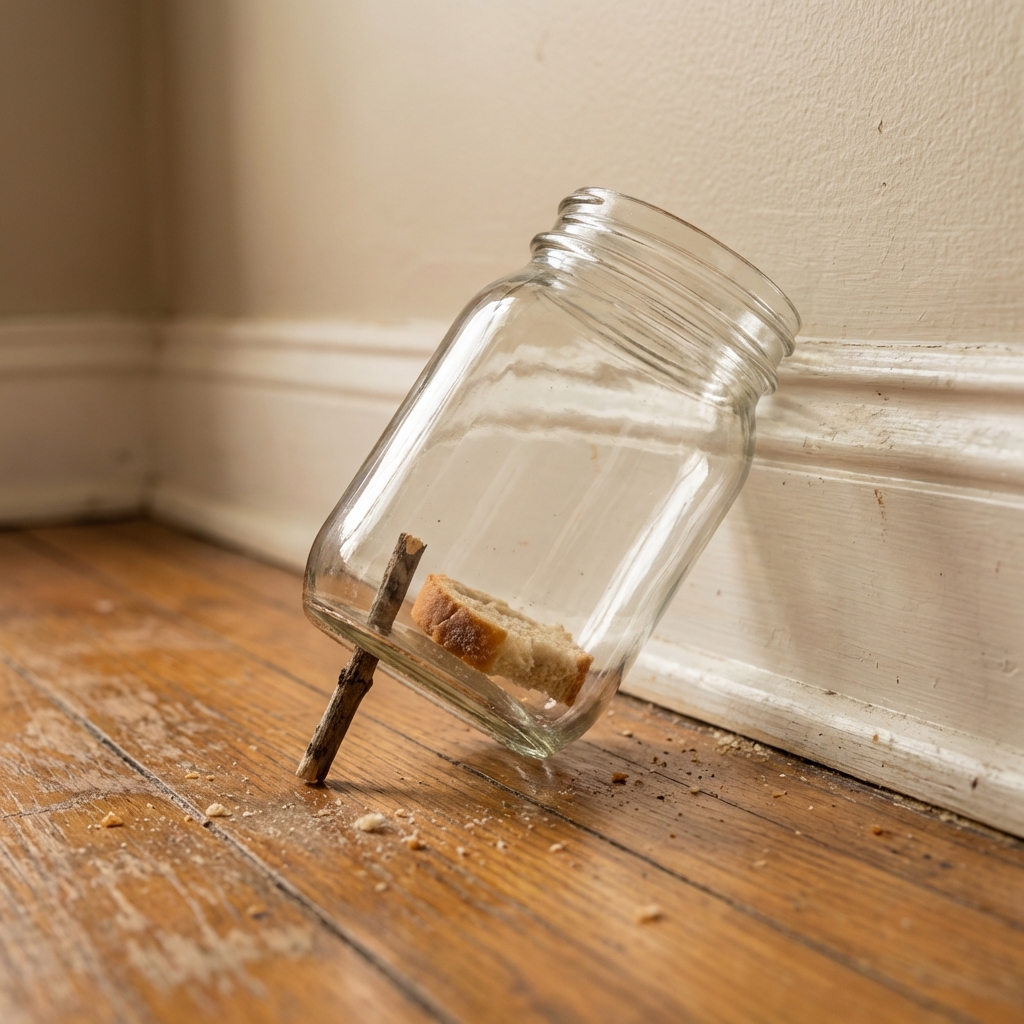
Jar trap (simple monitoring tool that also catches roaches)
Jar traps work too, especially if you do not have glue traps on hand.
- Use: a glass jar with a smear of petroleum jelly around the inside top rim.
- Bait: a small piece of bread soaked with beer, or a bit of banana peel.
- Place: along walls where you suspect activity at night.
Soap and water (for instant kill, not long-term control)
If you spot a roach and want a fast, low-tox option, a little dish soap in water can help on direct contact. Surfactants can interfere with breathing openings, but it depends on coverage and contact time. It is fine for occasional sightings, but it does not fix the source.
Essential oils (repellent, not a main solution)
Peppermint, tea tree, eucalyptus, and cedar are commonly mentioned. They can discourage roaches in small areas, but they rarely eliminate infestations by themselves. If you use them:
- Use as a short-term repellent after you have cleaned and sealed cracks.
- Avoid atomizing oils in enclosed spaces. Many are irritants for people and pets.
- Do not spray where pets can lick. Cats in particular can be sensitive to certain essential oils.
Label and safety note
Even natural products can be harmful if misused. Keep powders away from food, dishes, and play areas. Avoid airborne dust. Follow label directions for any product you buy.
Where to treat for the biggest payoff
Roaches travel along edges and hide in tight spaces. Focus on lines and voids instead of open floors.
- Kitchen: behind the fridge, under the stove, cabinet toe-kicks, under-sink plumbing holes, pantry corners.
- Bathroom: behind the toilet, under the vanity, around pipe penetrations, and near wall gaps.
- Laundry area: behind washer and dryer, near drain lines, and around water hookups.
- Entry points: door thresholds, garage entry doors, and anywhere pipes enter walls.
A realistic 14-day natural roach plan
Days 1 to 2: Deep clean and remove the easy wins
- Pull the fridge and stove out if possible and vacuum the edges and floor.
- Clean grease. Roaches love it. Degrease the stove sides, backsplash area, and cabinet fronts.
- Fix leaks and dry sinks at night.
- Reduce clutter in cabinets so treatments can reach the edges.
Days 3 to 5: Seal and dust
- Caulk baseboard gaps and cabinet seams.
- Use food-grade DE or boric acid as a light dusting in cracks and behind appliances.
- Set glue traps or jar traps to identify hotspots before you add more products.
Days 6 to 14: Monitor and refresh
- Check traps weekly and move them to the highest-activity edges.
- Refresh DIY baits if you are using them.
- Keep up the nightly kitchen reset. Consistency is what breaks the cycle.
What to expect
If you have German roaches, you may still see activity during the first week. You can also see a short-term bump after deep cleaning, moving appliances, or sealing gaps. Disturbing hiding spots can push roaches into the open before the numbers drop.
Success looks like trap counts trending down week to week, fewer sightings at night, and fewer small nymphs over time. Established infestations often take 3 to 6 weeks of steady cleanup and treatment, especially in apartments or attached homes.
Common mistakes that keep roaches coming back
- Overapplying powders: thick layers make roaches avoid the area. Dust lightly.
- Skipping moisture fixes: a tiny drip under the sink can support a lot of roaches.
- Only treating what you can see: you need to treat travel routes behind appliances and inside voids.
- Using strong-smelling sprays everywhere: heavy repellents can push roaches deeper into walls and spread the problem.
- Not cleaning grease: crumbs are one thing, but grease is long-lasting fuel.
When natural remedies are not enough
If you are seeing roaches during the day, finding many small nymphs, or noticing activity spreading to multiple rooms, you likely have a large infestation. You can still start naturally, but consider adding:
- Professional-grade gel baits (many are low-odor and used in tiny amounts). They are often the most effective indoor tool for German roaches.
- IGRs (insect growth regulators). They are not a home remedy, but they are low-odor, low-exposure add-ons that help stop reproduction when natural steps stall.
- A licensed pest professional if you live in a multi-unit building, because roaches can move between units through shared walls and plumbing.
Multi-unit tip: Notify your landlord or property management early. Sealing shared utility penetrations and coordinating treatment is often what prevents the problem from cycling back.
Natural steps still matter even if you escalate. Cleaning, sealing, and moisture control are what make any approach stick.
Quick FAQ
Is vinegar a good roach killer?
Vinegar is fine as a cleaner, but it is not a reliable roach killer and it will not solve an infestation. Use it to remove food residue and scents, then use targeted powders and baits.
What smells do roaches hate?
Many people report peppermint, eucalyptus, and cedar as repellents. Repelling does not equal eliminating. Use scents as a finishing touch after you have removed food and water and treated hiding areas.
How long until roaches are gone?
Light problems can improve in a week or two. Established German roach infestations often take 3 to 6 weeks of consistent cleanup and treatment, especially if you cannot treat wall voids or neighboring units.
The bottom line
If you want to get rid of roaches naturally, focus on the basics first: remove water, remove food, and seal the gaps. Then use proven natural tools like food-grade diatomaceous earth, careful boric acid dusting, and traps to monitor progress. Keep it steady for a few weeks and you should see the numbers trend down.

Jose Brito
I’m Jose Britto, the writer behind The Country Store Farm Website. I share practical, down-to-earth gardening advice for home growers—whether you’re starting your first raised bed, troubleshooting pests, improving soil, or figuring out what to plant next. My focus is simple: clear tips you can actually use, realistic expectations, and methods that work in real backyards (not just in perfect conditions). If you like straightforward guidance and learning as you go, you’re in the right place.