Skunk smell is not just “stinky air.” It is oily, sulfur-containing compounds (thiols and related compounds, including thioacetates) that cling to surfaces, soak into fabrics, and can spread through your HVAC if the system runs. The good news is you can beat it with the right approach: contain, vent, then oxidize and remove. Masking with candles or sprays usually makes the house smell like skunk plus perfume.
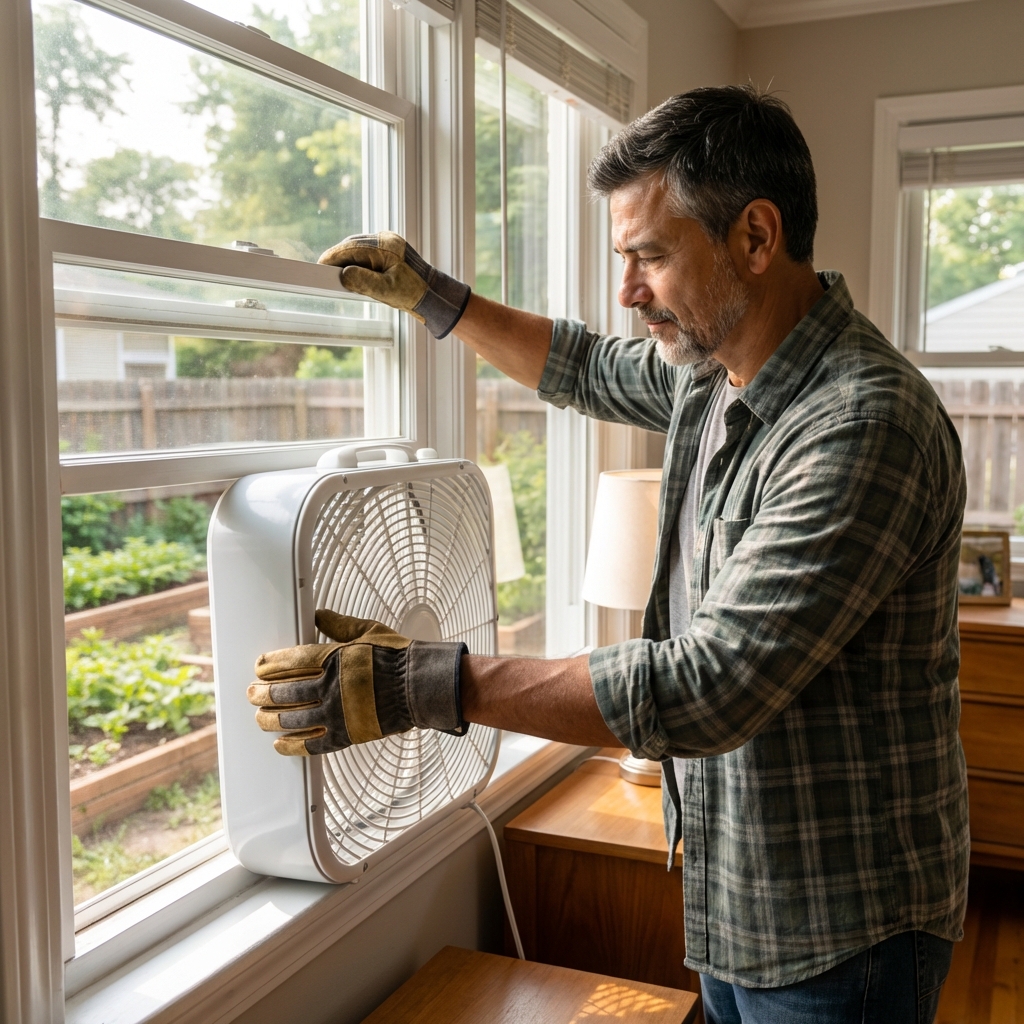
First 10 minutes: contain and ventilate
Before you start scrubbing, stop the odor from traveling.
- Open windows and set fans to exhaust. Put a box fan in a window blowing out to push odor outside. If you can, open a window on the opposite side of the house for fresh air intake.
- Turn off your HVAC for now. Running heat or AC can pull skunk odor into ductwork and distribute it through the whole house.
- Close interior doors. Isolate the smelliest rooms.
- Remove the source. If it is on shoes, a jacket, a dog bed, or a doormat, bag it and take it outside.
Safety note: If anyone has asthma or breathing trouble, prioritize ventilation and consider leaving the home while you work.
Find the source first
You will save a lot of time if you identify where the spray actually landed. Skunk odor keeps “coming back” when the oily residue is still sitting somewhere.
- Check the obvious: entryway rugs, shoes, pet fur, collars, dog beds, and the door threshold.
- Look low: baseboards, lower cabinet faces, and the bottom edge of curtains.
- If the smell spikes when air is moving, check returns and nearby walls.
Handling tip: Double-bag contaminated items, tie it off tight, and keep it outside until you can clean or discard them.
What works (and why)
Skunk odor comes from sulfur-based oils. The most reliable DIY approach is oxidation, which changes the smelly compounds into less smelly ones. That is why peroxide-based solutions and certain commercial odor oxidizers are so effective.
Best options for most homes
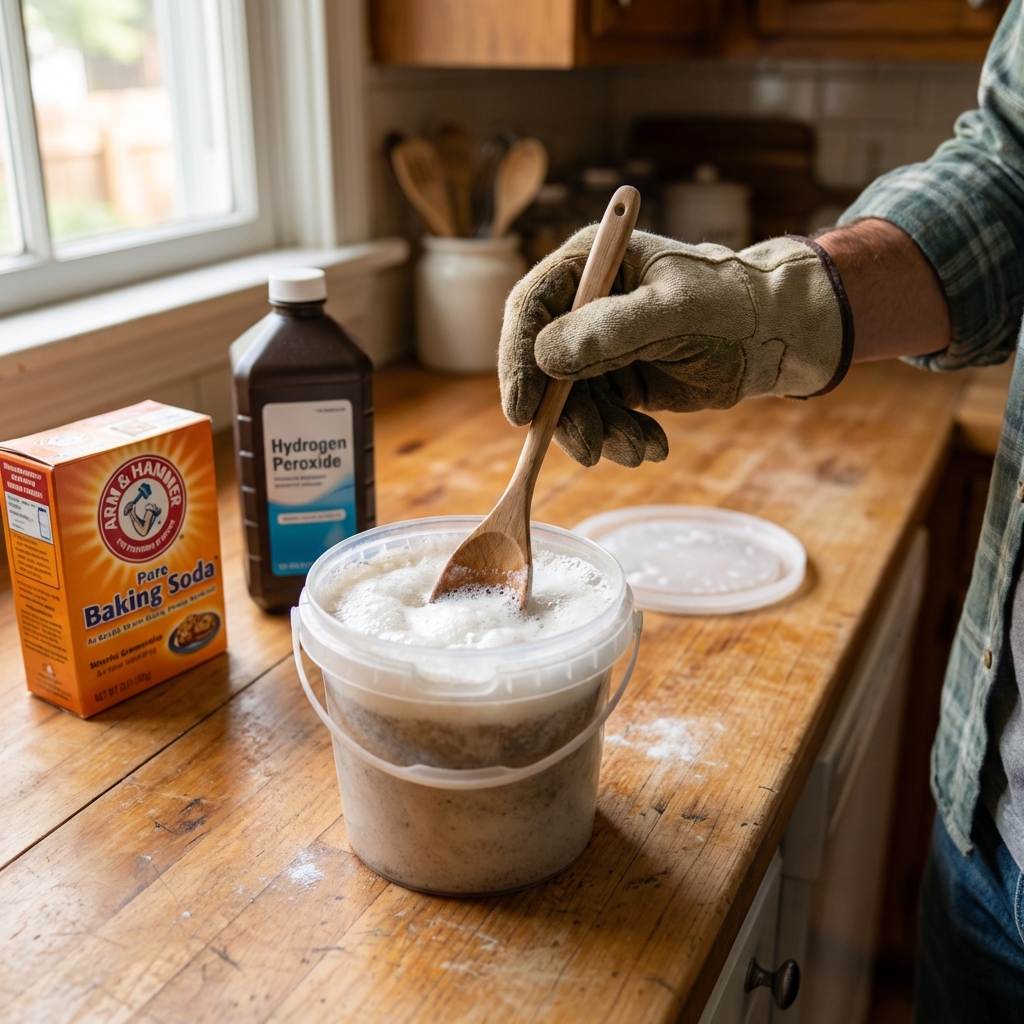
- Hydrogen peroxide + baking soda + dish soap for many hard surfaces and some washable items.
- Enzyme-based odor removers as a helpful option for porous materials where oils linger, with mixed results depending on the product and material.
- Activated carbon and HEPA/carbon air purifiers to reduce lingering odor in the air (best as a follow-up after cleaning).
What usually does not work
- Tomato juice, vinegar bowls, coffee grounds are mostly masking or mild absorption. They can help a little after cleaning, but they will not solve a real skunk hit.
- Burning candles or using strong fragrance often makes it worse and can irritate lungs.
The go-to DIY deodorizing mix
This is a widely used, effective mix for skunk odor on many surfaces. It is especially helpful on non-porous and lightly porous materials.
Recipe
- 1 quart (4 cups) 3% hydrogen peroxide
- 1/4 cup baking soda
- 1 teaspoon liquid dish soap (regular hand-washing dish soap, not dishwasher detergent)
How to use it
- Mix in an open bucket (not a sealed container).
- Use fresh. It loses strength as it sits.
- Test a small hidden spot first. Peroxide can lighten some dyes and finishes.
Important safety warnings
- Do not store this mixture in a bottle or sealed sprayer. It can build pressure.
- Do not mix with bleach or ammonia-based cleaners.
- Wear gloves and avoid splashing into eyes.
Step-by-step: cleaning by area
1) Air and lingering odor
- Ventilate aggressively for several hours. Keep fans exhausting outward.
- Run an air purifier with activated carbon if you have one.
- Use activated carbon, not regular charcoal. Activated carbon (sometimes sold as odor-absorbing carbon) works better and is more consistent than grilling briquettes, which can vary by brand and additives.
If the odor is strong after cleaning surfaces, it is usually coming from soft materials or ductwork.
2) Hard surfaces (tile, sealed wood, painted walls, counters)
- Wash with warm water and a degreasing dish soap first.
- Wipe with the peroxide mix using a sponge or cloth.
- Let it sit 5 to 10 minutes, then rinse with clean water and dry.
Painted walls tip: Use a lightly damp cloth, not a dripping one. If odor persists, a second pass helps more than scrubbing harder.
3) Delicate or porous surfaces (unfinished wood, leather, natural stone)
Be careful here because peroxide can discolor, dull, or etch. For these, start with:
- A gentle wash: warm water + a few drops of dish soap
- Rinse and dry immediately
- Then use an enzyme-based odor remover that is labeled safe for that material (leather, stone, or wood). Spot test first and follow the product directions.
4) Upholstery and mattresses
These act like giant sponges for skunk oils, so focus on controlled cleaning, not soaking.
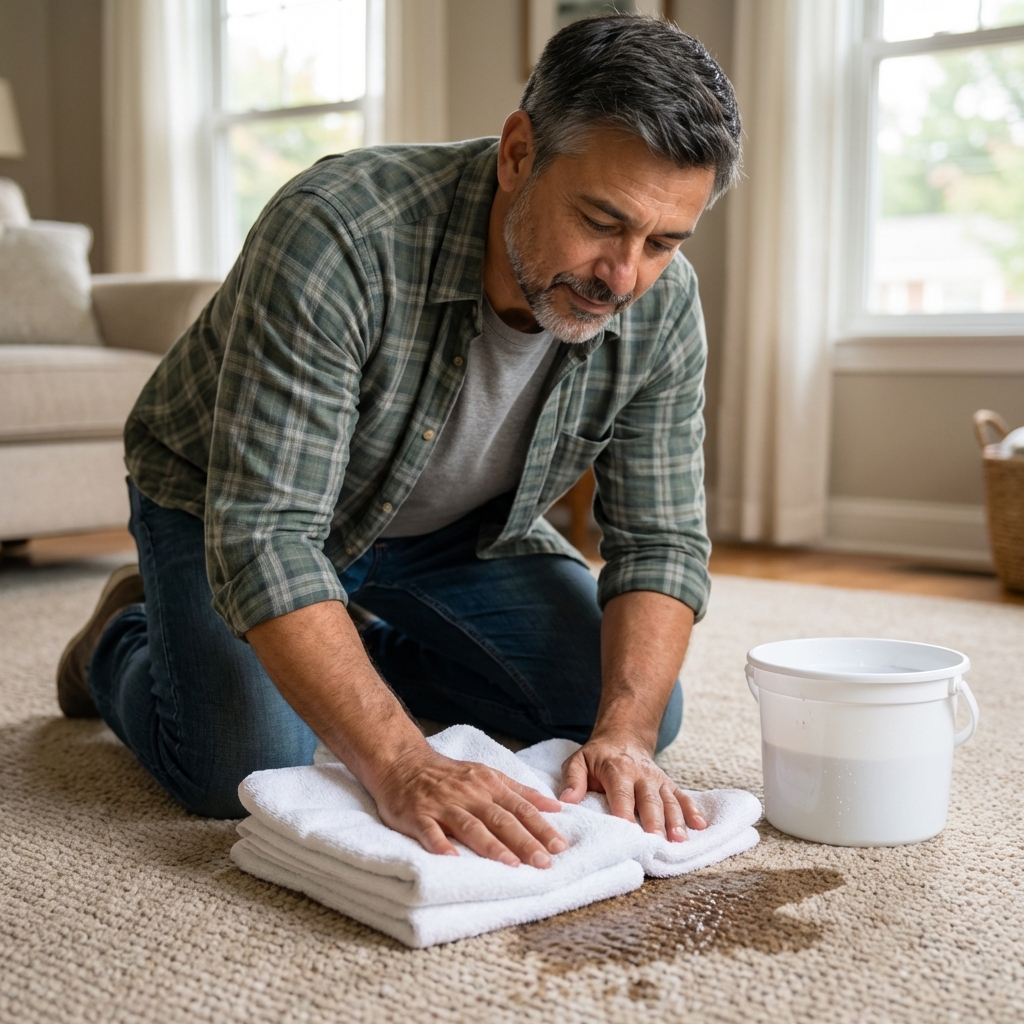
- Blot first if anything is wet. Do not rub.
- Spot test the peroxide mix in an inconspicuous area for colorfastness.
- Lightly apply to the affected area (mist or dab, do not drench).
- Let sit 5 to 10 minutes, then blot with clean towels.
- Rinse by blotting with plain water, then blot dry.
- Dry fast with airflow (fans). Over-wetting can lead to mildew or water marks.
5) Carpets and rugs
Carpet holds skunk oils deep in the fibers and pad. This is where people get stuck.
- Blot first if anything is wet. Do not rub.
- Colorfastness warning: Peroxide can bleach carpet. Test a small hidden spot and wait a few minutes before treating a larger area.
- Lightly apply the peroxide mix to the affected spot (avoid soaking the pad).
- Let sit 10 minutes, then blot with clean towels.
- Rinse by blotting with plain water, then blot dry.
- Once dry, sprinkle baking soda, let sit overnight, and vacuum.
If odor is still strong: You likely need hot water extraction (carpet cleaner). In severe cases, the pad may be contaminated and need replacement.
Fabrics: clothes, curtains, bedding
Get washable fabrics out of the house first so you are not spreading odor indoors.
For machine-washable items
- Rinse or pre-soak in cool water.
- Wash with your regular detergent.
- Add 1/2 cup baking soda to the wash.
- Air dry first. Heat from the dryer can “set” odor if it is not fully gone.
Skip chlorine bleach unless the fabric label allows it, and never mix bleach with other cleaners.
For dry clean only
- Seal in a bag and take to a cleaner.
- Tell them it is skunk odor so they treat it appropriately.
If your dog brought it inside
Most indoor skunk incidents start with a pet. If your dog got sprayed, bathe the dog before letting them roam the house again.
Do not use tomato juice. It mostly masks odor and you will still have skunk oils on the coat.
Pet-safe approach
- Use a skunk odor shampoo made for pets, or ask your vet for a recommendation.
- If you use the peroxide mix, be extremely cautious. Avoid eyes, nose, mouth, and sensitive skin. Many owners choose commercial pet formulas for safety.
- Wash collars, leashes, and bedding separately.
If the spray hit your dog’s eyes or they are squinting, drooling, or pawing at the face, call a veterinarian.
HVAC and whole-house odor
If the smell seems to be everywhere, your system may have pulled odor through the return air.
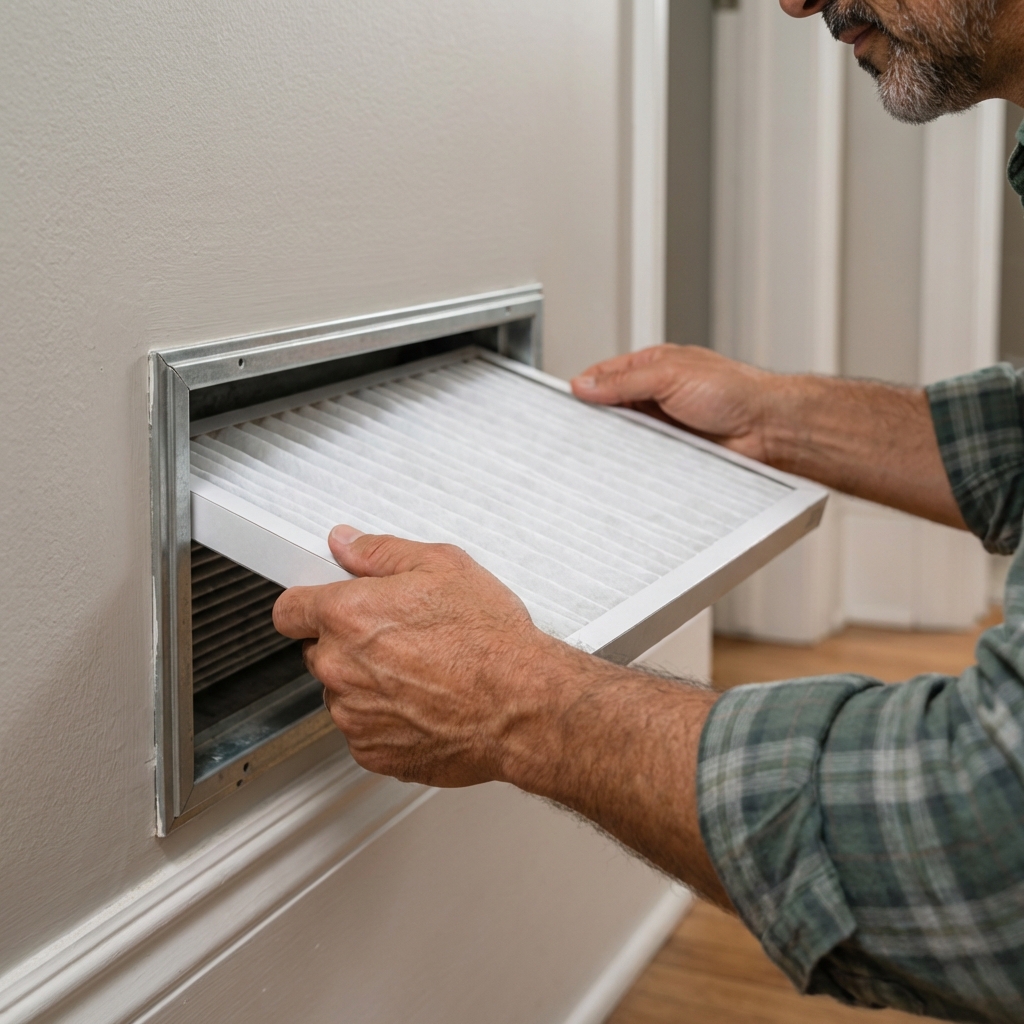
- Replace the HVAC filter right away. Use a quality pleated filter, and consider one with odor control if compatible with your system.
- Wipe return vents and nearby walls with mild soap and water, then the peroxide mix if safe for the finish.
- Run the system later only after cleaning and filter replacement. If you run it, ventilate at the same time if weather allows.
If odor persists for more than a few days and seems strongest when the system runs, a professional duct inspection and cleaning may be worth it.
What not to do
- Do not use bleach on skunk odor thinking stronger is better. It can damage surfaces and create dangerous fumes if mixed with other cleaners.
- Do not steam clean first before neutralizing. Heat can drive oils deeper into carpet and upholstery.
- Do not seal the home up with air fresheners. Ventilation is your friend.
- Do not store peroxide mixtures in closed containers or sprayers.
When to call a professional
DIY works for many situations, but bring in pros if:
- The skunk sprayed inside the house or in a crawlspace.
- Odor is in ductwork and keeps returning.
- Carpet pad or insulation seems contaminated.
- You have small children, elderly family, or respiratory conditions and need fast, thorough remediation.
Look for restoration or odor remediation services that use oxidation methods (such as ozone or hydroxyl treatments) and ask how they protect pets, plants, and people during treatment.
Ozone safety note: Ozone can be hazardous to breathe and can degrade rubber and some plastics. It should only be used by trained providers with the home unoccupied (people, pets, and plants out) and proper re-entry ventilation afterward.
Quick FAQ
How long does skunk smell last?
Light exposure can fade in a few days with ventilation and cleaning. Heavier contamination in carpet, upholstery, or HVAC can linger for weeks if not treated.
Is hydrogen peroxide safe indoors?
3% peroxide is commonly used for household cleaning, but it can discolor some fabrics and finishes. Spot test, ventilate, and never mix with bleach.
Will vinegar remove skunk odor?
Vinegar can reduce some odors, but it is usually not strong enough to neutralize skunk oils on its own. It can be a helpful follow-up wipe after the main cleaning in some cases.
Simple checklist
- Find where the spray landed
- Ventilate with fans exhausting outside
- Turn off HVAC and isolate rooms
- Remove, double-bag, and take the source outside
- Clean hard surfaces with degreaser, then peroxide mix
- Treat soft materials (carpet, upholstery, bedding)
- Replace HVAC filter if odor spread
- Use activated carbon or a carbon purifier for lingering smell
If you want the most “real backyard” advice I can give, it is this: go after the oily residue first. Once the oils are gone, the smell stops coming back.

Jose Brito
I’m Jose Britto, the writer behind The Country Store Farm Website. I share practical, down-to-earth gardening advice for home growers—whether you’re starting your first raised bed, troubleshooting pests, improving soil, or figuring out what to plant next. My focus is simple: clear tips you can actually use, realistic expectations, and methods that work in real backyards (not just in perfect conditions). If you like straightforward guidance and learning as you go, you’re in the right place.