Fleas are one of those problems that feel personal because they bite, they spread fast, and they do not care how clean your house is. The good news is you can beat them. The trick is doing the right steps in the right order and sticking with it long enough to break the flea life cycle.
This guide walks you through a complete plan for pets, indoors, and outdoors, plus practical tips that prevent the “they came back” situation.
Know what you are fighting: the flea life cycle
If you only kill the fleas you see, you are usually only hitting a small part of the problem. Fleas have four stages: egg, larva, pupa, and adult. Adults live on your pet and bite. Eggs fall off into bedding, rugs, and cracks. Larvae hide in darker spots and feed on debris. Pupae can sit protected for weeks to months and then “wake up” when they sense movement, warmth, and carbon dioxide.
What this means in real life: you need a plan that targets adults on the pet and also eggs, larvae, and pupae in the home. Many homes see major improvement fast, but environmental control can take several weeks (often 3 to 8) depending on carpet, humidity, and whether you use an IGR.
- Fast relief: treat the pet for adult fleas.
- Lasting results: clean and treat the home repeatedly.
- Prevention: keep pets protected so new fleas cannot restart the cycle.
Step 1: Treat your pet first (or you will keep losing)
Pets are usually the main “flea bus” bringing adults into the house and feeding them. Start here, the same day you begin cleaning.
Pick a flea treatment that actually works
Talk with your vet, especially for kittens, puppies, seniors, or pets with health issues. Many over-the-counter products are hit-or-miss, and some dog products are dangerous for cats. Treat all pets in the home with a species-appropriate product, even the one that “never itches.”
- Vet-recommended options: oral tablets or topical treatments that kill adult fleas fast.
- Flea collars: some work well, but only if they are a reputable brand and fitted properly.
- Flea shampoo: can help short-term, but it rarely solves an infestation by itself.
Important: some products kill adults but not eggs. That is why the cleaning and IGR parts matter so much.
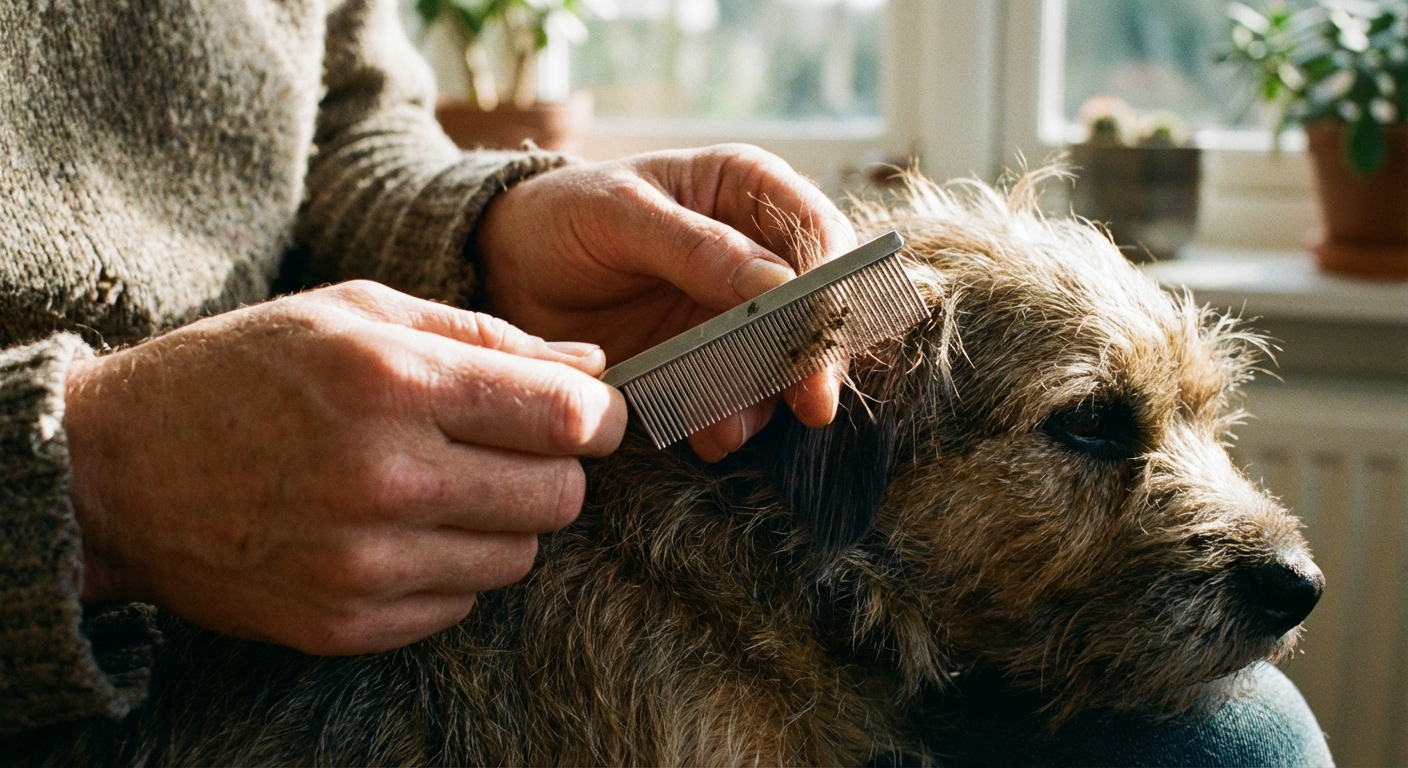
Use a flea comb as a reality check
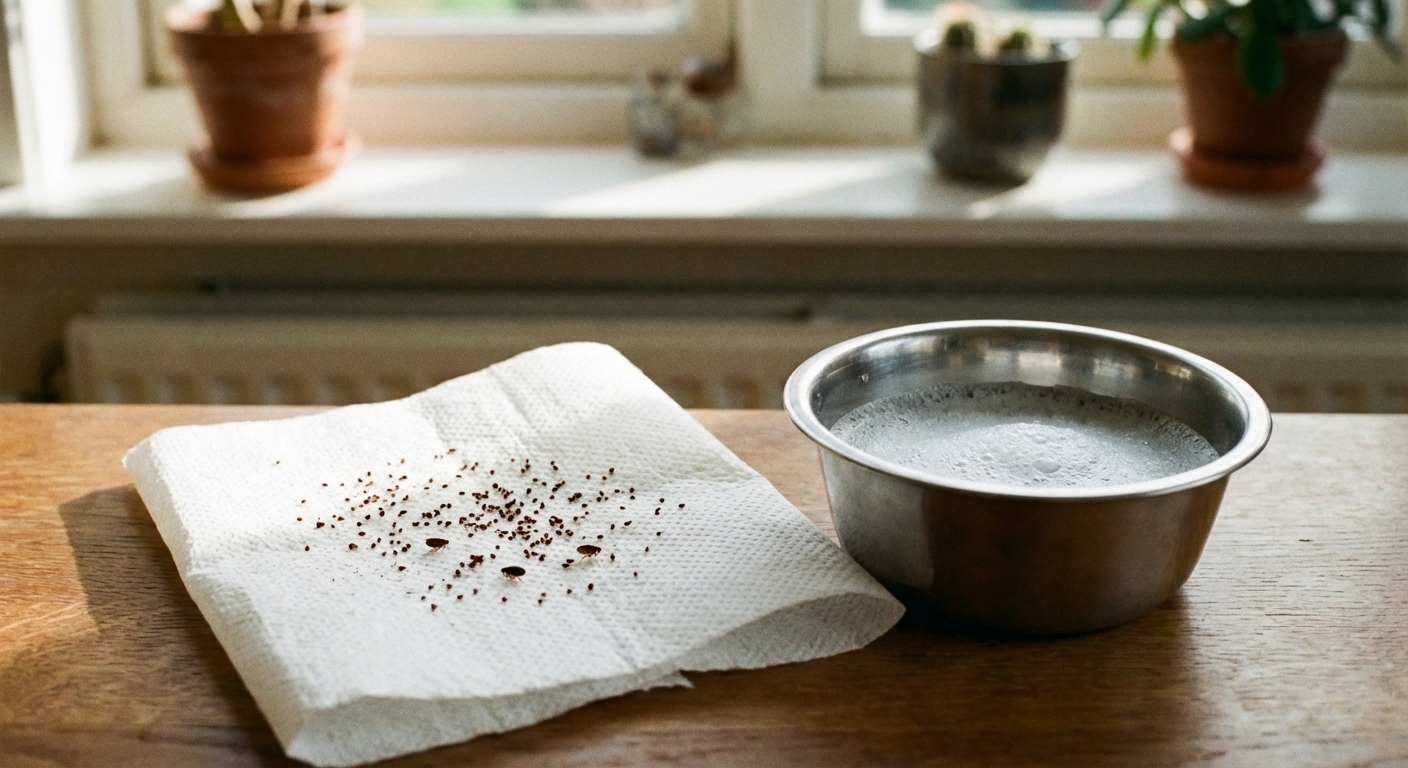
Comb your pet over a light towel. Dip the comb in soapy water as you go. If you see black specks that turn reddish when wet, that is “flea dirt” and you have an active problem.
Wash pet bedding and soft items
Anything your pet sleeps on needs hot washing and high heat drying if the fabric allows. Use the hottest settings the material can handle. In many cases, the dryer heat is what does the real killing.
If an item cannot be washed, run it through a high-heat dryer cycle if safe, or seal it in a bag for 2 to 6 weeks (or until the infestation is clearly under control) while you treat the rest.
Step 2: Hit the house hard (vacuuming matters)
This is where most flea battles are won. Your goal is to remove eggs, larvae, and the dust larvae feed on, plus trigger pupae to emerge so they can be killed by treatments.
Vacuum like you mean it
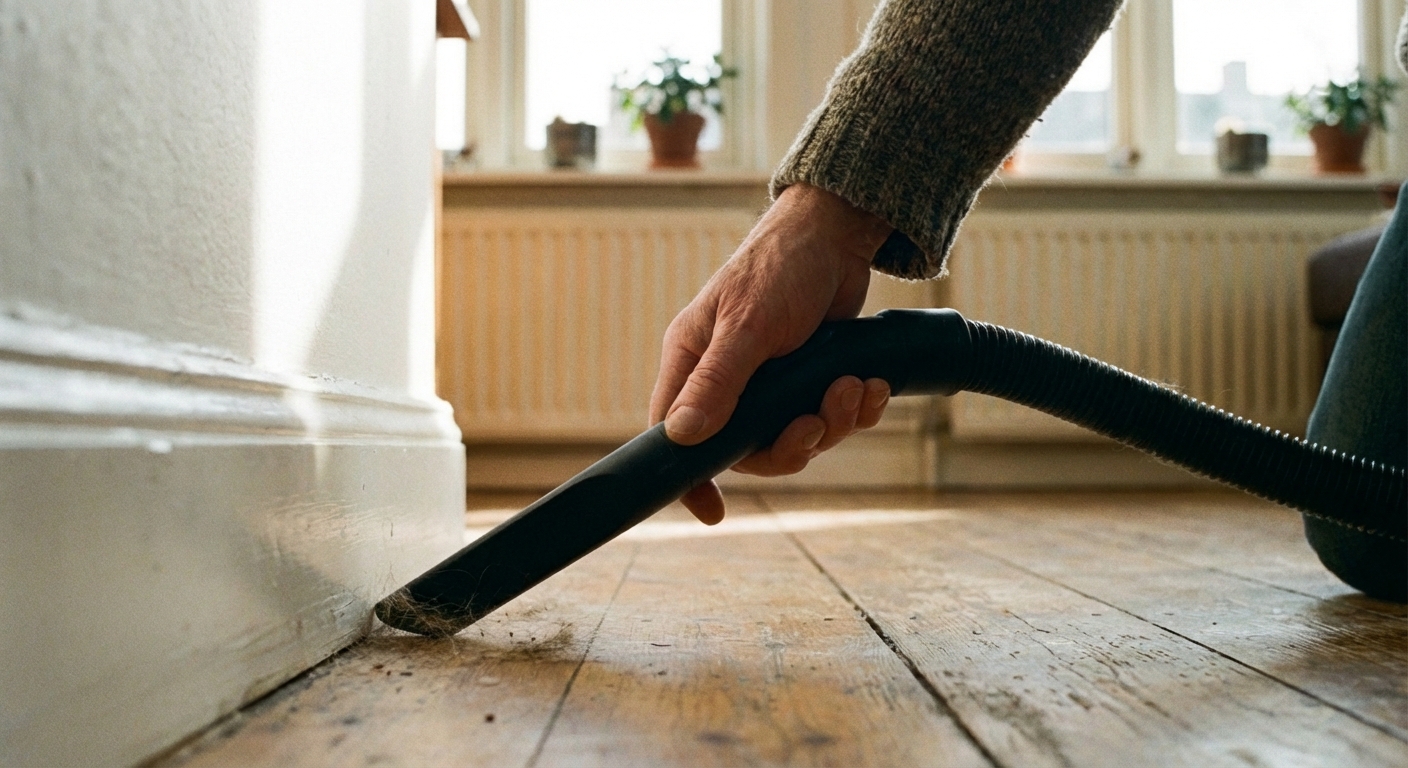
- Vacuum carpets, rugs, baseboards, under furniture, and along pet “traffic lanes.”
- Use a crevice tool for cracks and edges.
- Frequency: daily for the first 7 to 10 days if you can, then every other day for another week or two.
- Empty the canister outside, or remove the bag and seal it in a trash bag immediately.
If you have hard floors, vacuum first, then mop. Flea eggs can sit in dust and corners, so do not skip edges.
Wash what you can, heat what you cannot
Focus on items that touch people and pets.
- Sheets, blankets, throws, washable pillow covers
- Pet blankets and bed covers
- Small rugs and removable couch covers
Heat is your friend. High heat drying is often more lethal than washing, but “hot” varies by machine. Use the hottest settings the fabric allows.
Choose an indoor treatment carefully
If fleas are established in carpeted areas, cleaning alone may not be enough. Many households get the best results from an indoor product that includes an IGR (insect growth regulator). IGRs prevent eggs and larvae from developing into biting adults.
- Look for: a product labeled for indoor flea control that includes an IGR such as methoprene or pyriproxyfen.
- Apply to: carpets, rugs, cracks, and pet resting spots, following the label exactly.
- Do not overdo it: more is not better. The label is the plan.
- Safety basics: put away pet toys and food bowls, cover aquariums if required, and keep people and pets out until the product is dry and the area is ventilated.
If you prefer to avoid sprays, you can still make progress with vacuuming and heat, but be prepared to stay consistent longer.
Foggers are usually not the best tool
Bug bombs often miss under furniture and in cracks where fleas hang out. They also do nothing for fleas on pets. If you use one, it should be part of a bigger plan, not the whole plan.
Step 3: Do not ignore the yard
If your pet goes outside, your yard can keep reinfecting your home. Fleas like shaded, humid areas where pets rest: under decks, along fences, under shrubs, and in dog run corners. They can also persist in other protected micro-spots, especially where animals pass through.
Make the yard less flea-friendly
- Mow regularly and keep grass from getting tall and damp.
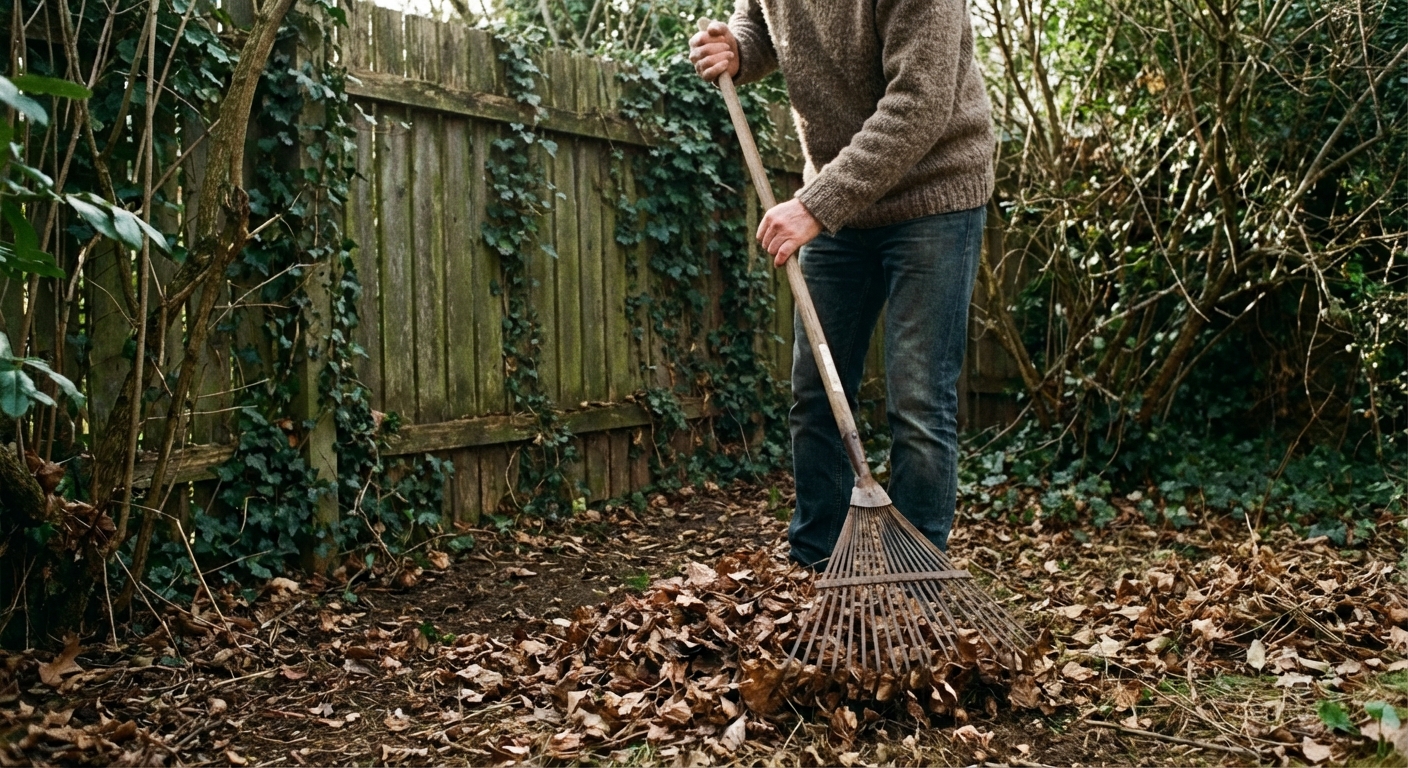
- Rake up leaves and remove brush piles.
- Trim back dense shrubs to let sunlight in.
- Limit wildlife visitors where possible, since they can drop fleas.
Targeted yard treatments
Rather than treating the entire yard, focus on the places pets actually hang out and the perimeter paths they use. For yard products, many homeowners have the best luck with treatments that include an IGR.
- Treat resting areas, under porches, and along the perimeter.
- Water in only if the label instructs it.
- Reapply based on label timing, especially after heavy rain if recommended.
If you garden, be mindful about where you apply anything. Keep treatments away from vegetable beds and pollinator-heavy areas unless the label explicitly says it is safe for that use.
A simple 14-day flea knockout schedule
If you like checklists, here is a realistic starter schedule that matches how fleas hatch and re-emerge. For many infestations, you will keep some version of this going beyond two weeks.
Day 1
- Treat all pets in the home.
- Wash and dry pet bedding and throws.
- Vacuum thoroughly, especially edges and under furniture.
- Apply an indoor flea product with IGR if needed, following label directions.
Days 2 to 7
- Vacuum daily if possible.
- Flea-comb pets every day or two to monitor progress.
- Wash pet bedding again mid-week.
Days 8 to 14
- Vacuum every other day.
- Spot treat problem areas if the label allows it.
- Do a yard cleanup and targeted yard treatment if outdoor exposure is likely.
You might still see fleas during this time. That does not always mean failure. Pupae can emerge in waves for weeks. Consistency is what closes the loop.
Natural and low-tox options: what helps and what does not
Many people want a lower-chemical approach. Some options can help, but it is important to know their limits.
Helpful
- Heat and washing: hot drying and hot washing are simple and effective. Use the hottest settings the fabric allows.
- Vacuuming: reduces eggs and larvae and pushes pupae to emerge.
- Flea combing: good for monitoring and small infestations.
Use with caution
- Diatomaceous earth (food grade): can damage insect exoskeletons, but it is dusty and can irritate lungs. If used indoors, apply lightly in cracks, avoid creating airborne dust, and keep kids and pets away until settled. It is also less effective once damp, so it is not a magic fix in humid areas. Do not use pool grade.
- Essential oils: some are toxic to cats and dogs and can cause reactions. I do not recommend DIY oil sprays on pets.
Usually not worth it
- Garlic, brewer’s yeast, and home remedies fed to pets: inconsistent results and potential risks.
- Ultrasonic devices: no reliable evidence they control fleas.
Signs it is working
- You find fewer live fleas and less flea dirt during comb checks.
- Your pet scratches less and you see fewer new bites.
- Vacuuming pulls up fewer “pepper-like” specks over time.
A random flea sighting during the first few weeks can still be normal. The trend is what matters.
Why fleas keep coming back (and how to stop that)
Most repeat infestations come down to one of these issues.
- Pets are not on ongoing prevention: if your pet goes outside or meets other animals, monthly prevention is often the difference between “once and done” and “every season.”
- Only one pet was treated: treat all pets in the home, even the one that “never itches.”
- Cleaning stopped too soon: pupae can hatch later. Keep vacuuming for several weeks if you are still seeing activity.
- Wildlife pressure: raccoons, feral cats, and squirrels can re-seed fleas in shaded areas.
- Indoor hotspots were missed: under couches, behind pet crates, in closets where pets nap, and along baseboards.
- Product mix-ups: bathing too soon after a topical, stacking multiple flea products without vet guidance, or using dog products on cats.
When to call the vet or a pro
Call your vet if
- Your pet is very young, pregnant, or has health issues and you are unsure what is safe.
- You see hair loss, scabs, hot spots, or signs of skin infection.
- Your pet seems weak or pale, especially small pets that could become anemic.
Call a pest professional if
- You have tried a full plan for 3 to 4 weeks and fleas are still active.
- You have a large home with heavy carpet and multiple pets.
- You suspect rodents or wildlife are nesting in the structure.
Quick FAQ
How long does it take to get rid of fleas?
Many homes feel relief in a few days, and the infestation often drops sharply within 2 to 3 weeks if you treat pets and stay consistent with cleaning. But complete “done for good” control can take 3 to 8 weeks (sometimes longer) because pupae are tough and can emerge late.
To truly close the book, keep your pet on a vet-approved preventative for at least 3 months. That coverage helps catch any late hatchers and prevents a rebound.
Do I need to leave the house during indoor treatment?
Follow the product label. Many sprays require keeping people and pets out until dry. Ventilate well afterward.
Can fleas live in the garden or vegetable beds?
Fleas prefer shaded, protected areas and places pets rest, but they can survive in other sheltered spots outdoors. Focus yard control on pet zones and protected edges rather than blanket treating the entire garden.
The bottom line
Getting rid of fleas is rarely one magic product. It is a short, focused campaign: treat the pet, clean the home aggressively, and address the yard if your pets go outside. Start with two solid weeks of consistency, then keep pets on prevention and keep up light vacuuming until you are no longer seeing signs.
If you are putting together your plan, prioritize the biggest flea “real estate” first: pet sleeping spots, carpets and rugs, and the shaded outdoor areas where your pet hangs out.

Jose Brito
I’m Jose Britto, the writer behind The Country Store Farm Website. I share practical, down-to-earth gardening advice for home growers—whether you’re starting your first raised bed, troubleshooting pests, improving soil, or figuring out what to plant next. My focus is simple: clear tips you can actually use, realistic expectations, and methods that work in real backyards (not just in perfect conditions). If you like straightforward guidance and learning as you go, you’re in the right place.