Silverfish are one of those pests that make you feel like your home has a secret life at night. The good news is they are more nuisance than danger, and you can usually get control without doing anything extreme. The key is to stop treating the symptom and fix the conditions they need most: excess moisture, hiding places, and easy snacks.
This guide walks you through a simple, realistic approach for a typical home. Start with identification, then move into a step-by-step plan you can follow over the next 2 to 4 weeks.
How to tell if it is silverfish
Silverfish are small, fast insects that look like a shiny teardrop with antennae and three tail-like bristles. They usually show up in humid spots and dart away when you turn on the light.
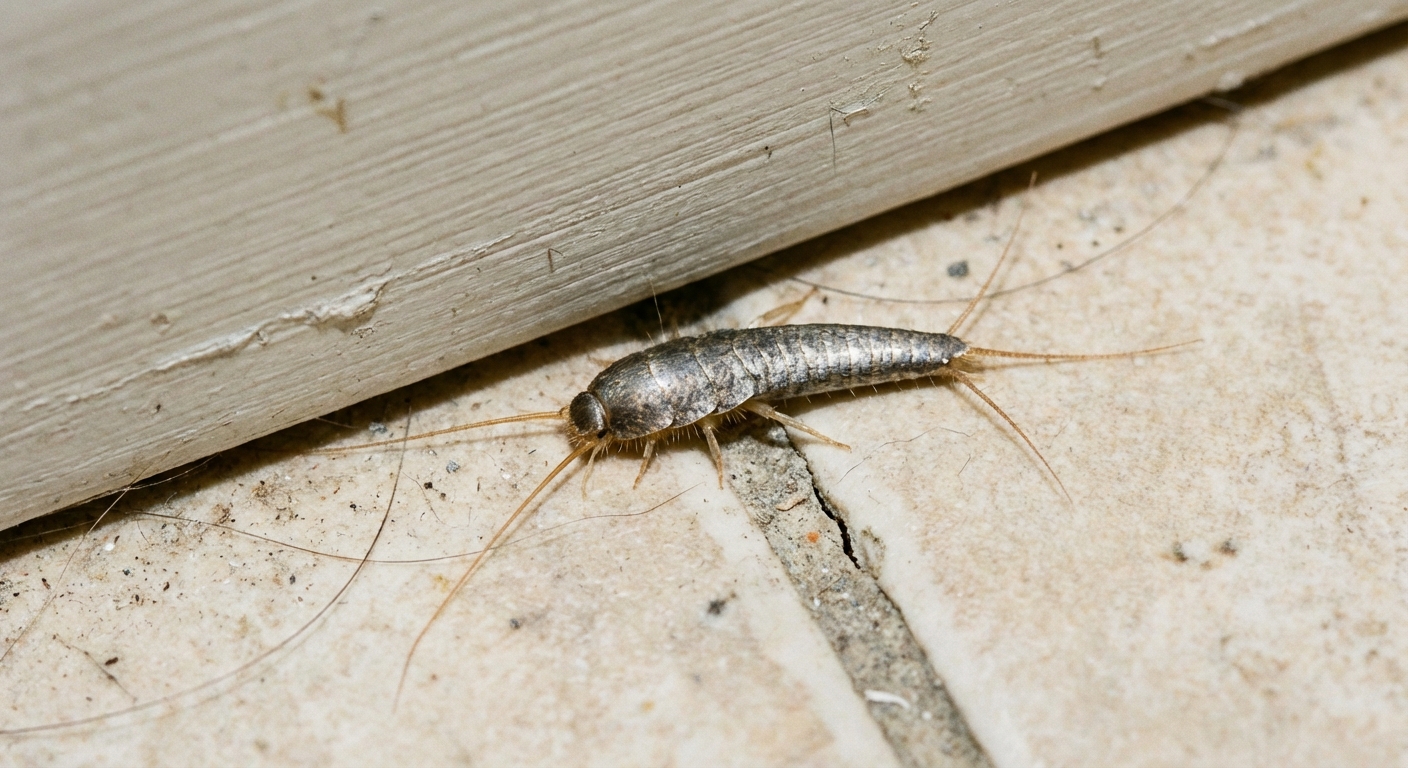
- Size: Usually 1/2 to 1 inch long.
- Color: Silvery gray, sometimes brownish.
- Movement: Quick, fish-like wiggle.
- Where you see them: Bathrooms, basements, laundry rooms, under sinks, closets, and around cardboard boxes or storage.
Common signs: tiny black specks (pepper-like droppings), yellowish stains on paper or fabric, and irregular holes in paper products, wallpaper, or pantry packaging.
Common lookalikes
- Firebrats: Very similar shape, but they prefer warmer areas (often near ovens, furnaces, and hot water heaters) and can look more mottled.
- Carpet beetle larvae: Small, slow, and usually look fuzzy or bristly, not sleek and silver. They are more often found in fabrics, rugs, and along edges of rooms.
Are silverfish harmful?
Silverfish do not typically bite, and they are not known as significant disease spreaders. Most of the “damage” is to stuff you store: books, cardboard, paper, wallpaper paste, and sometimes natural fabrics. If you have allergies or asthma, any indoor pest can add to irritation because of shed skins and dust. But for most households, the main issue is that silverfish are a sign you have moisture and clutter somewhere that needs attention.
What attracts silverfish
Once you know what they are after, the solution gets a lot clearer.
- Humidity and dampness: Silverfish do best when humidity stays high, often above about 60 percent, especially in consistently damp areas.
- Food sources: Starches and sugars like flour dust, cereal crumbs, paper, book glue, wallpaper paste, and even pet food.
- Hiding spots: Cracks, gaps under baseboards, cardboard boxes, piles of paper, and storage that stays undisturbed.
- Warmth and darkness: They avoid light and tend to move around at night.
If you only spray and do not fix moisture, they often come right back.
First steps: confirm where they are coming from
Before you treat, do a quick 10-minute inspection. You are looking for the dampest, quietest, least-disturbed areas.
Where to check
- Under bathroom and kitchen sinks
- Behind toilets and around tub or shower edges
- Basement corners, sump pump area, water heater area
- Laundry room behind the washer
- Closets with exterior walls
- Cardboard storage, books, old papers
Easy DIY monitoring
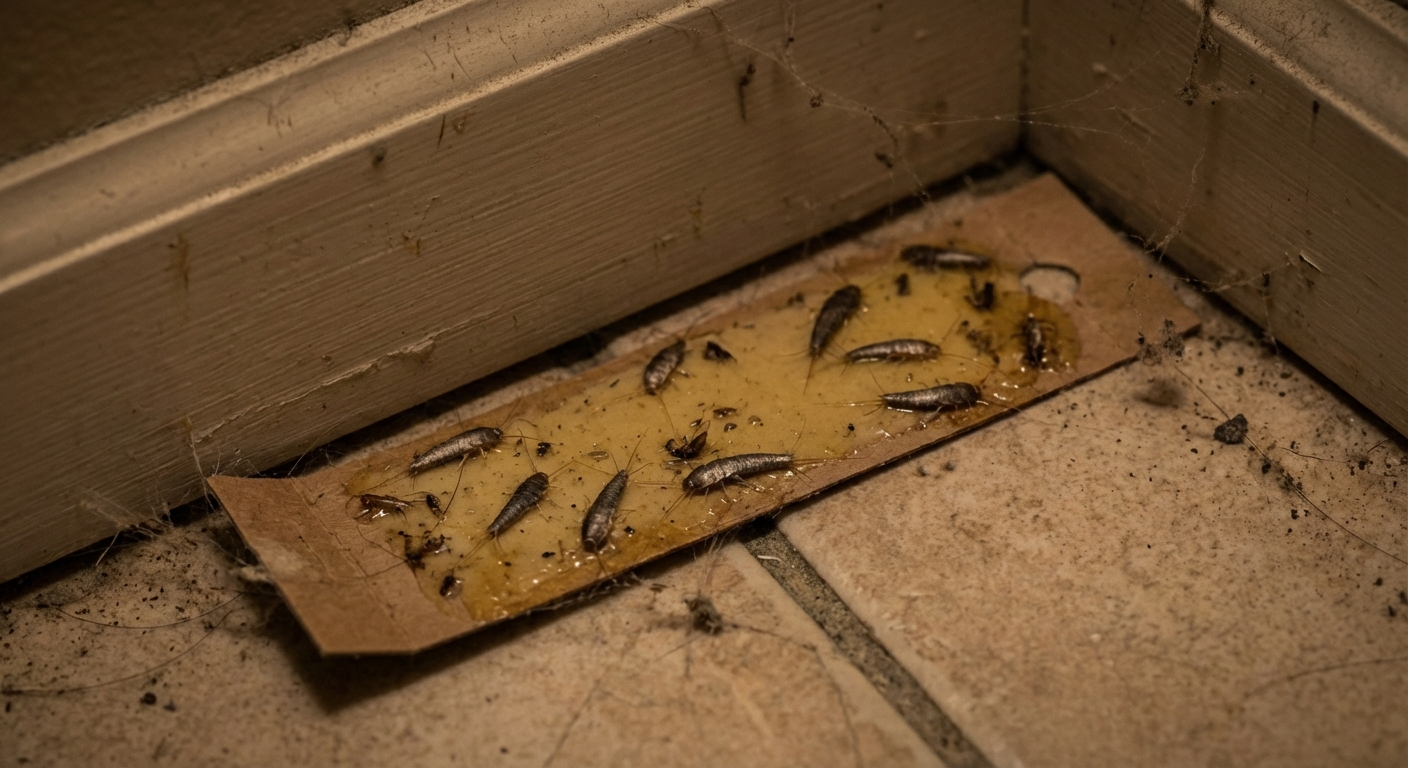
Place a few sticky traps along walls in dark areas where you suspect activity. Check them after 3 to 7 days. Traps are not just for catching. They tell you which room is the “hot spot.”
The beginner plan to get rid of silverfish
Think in layers. The more layers you use, the faster you get results and the less you rely on chemicals.
Step 1: Lower humidity
This is the biggest lever you have. Aim for under 50 percent indoor humidity, and ideally 40 to 50 percent in problem rooms.
- Run a dehumidifier in basements and damp rooms. Empty it daily at first, or set up a drain hose if possible.
- Use bathroom fans during showers and for 20 to 30 minutes after.
- Fix obvious leaks under sinks, around toilets, and at supply lines.
- Increase airflow by pulling items a few inches away from walls, especially in closets.
Tip: A cheap humidity meter takes the guesswork out. If the number is high, silverfish will keep trying.
Step 2: Remove food and hiding places
- Vacuum baseboards, corners, and under appliances. Focus on crumbs and flour dust in kitchens.
- Store pantry items in airtight containers, especially flour, cereal, and pet food.
- Replace cardboard storage with plastic bins with lids.
- Reduce paper piles and keep books off basement floors.
Step 3: Seal the easy entry and harborage gaps
You do not need to make your home airtight. Just hit the obvious gaps where they hide and travel.
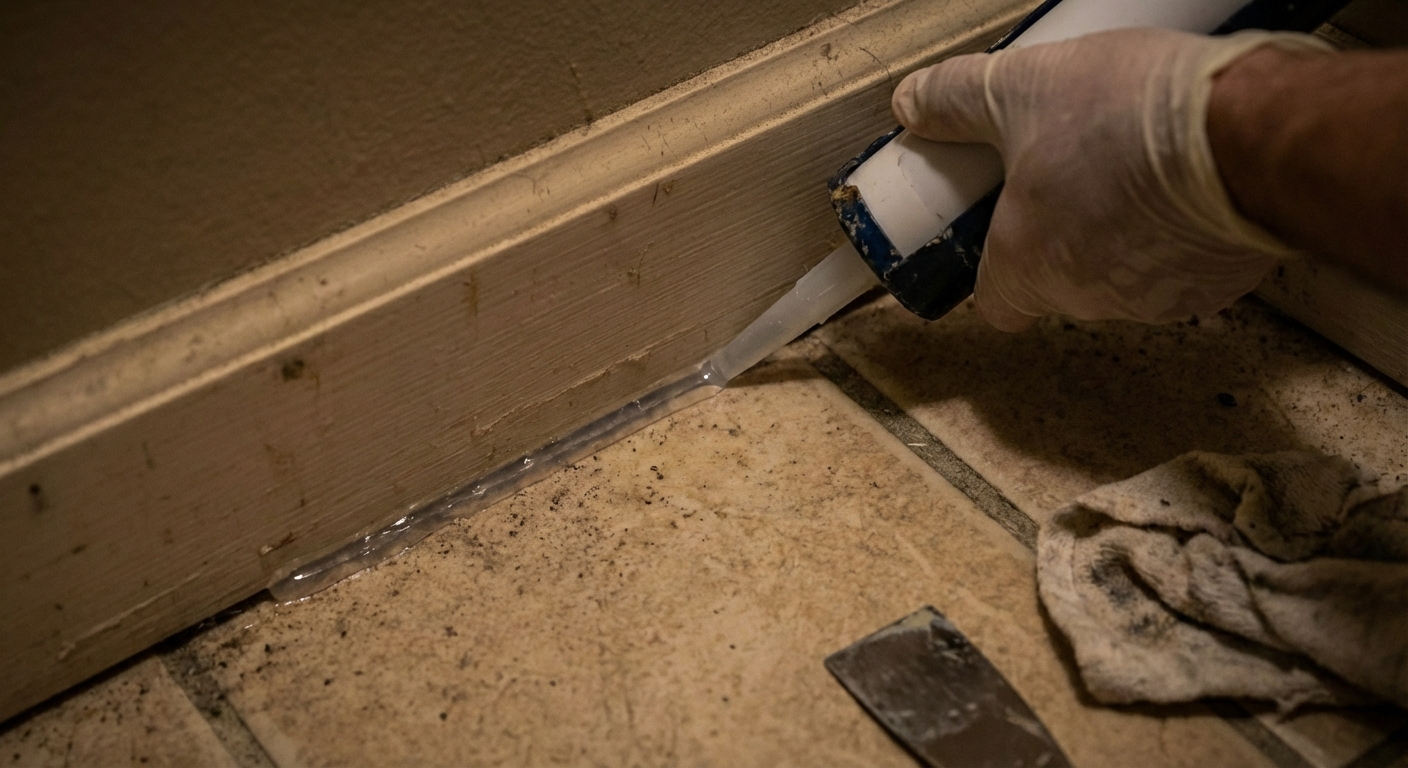
- Caulk along baseboards and around plumbing penetrations under sinks.
- Patch cracks around window frames and door trim.
- Install door sweeps if you have gaps at the bottom of exterior doors.
Step 4: Use traps to reduce adults and confirm progress
Sticky traps placed along walls and in corners are simple and low-risk. Put them where you have seen activity and where it stays dark.
- Place traps flush to baseboards, not in the middle of the floor.
- Use multiple traps. One trap is rarely enough to learn anything.
- Replace every 2 to 4 weeks or sooner if dusty.
Step 5: Targeted treatments (choose one)
If humidity and cleaning are in place but you still see silverfish weekly, add a targeted product. Use the least you can, exactly where it helps.
Boric acid (effective but use carefully)
- Works as a poison and can also damage insects through contact, especially when they groom themselves after walking through it.
- Apply a thin, barely visible dusting in cracks and voids, not open surfaces.
- Keep away from kids and pets. Do not use where pets can lick or where food is prepared.
Diatomaceous earth (DE), food grade
- Works by damaging the insect’s outer layer, causing it to dehydrate. Best in dry areas.
- Apply lightly to cracks, behind appliances, under sinks, and along baseboards.
- Wear a dust mask during application. Avoid creating airborne dust.
Residual insecticide labeled for silverfish (fastest knockdown)
- Choose a product specifically labeled for indoor silverfish control.
- Apply to baseboards, cracks, and crevices according to the label.
- Do not spray toys, bedding, or food-contact surfaces.
Important: More product is not better. Overapplying can be unsafe and does not fix moisture. Keep dust products out of HVAC returns and other places where airflow can kick particles back into the room.
Room-by-room tips
Bathroom
- Run the fan longer and wipe down wet surfaces after showers.
- Check caulk around the tub and toilet base for gaps.
- Store extra toilet paper and towels in sealed bins if you have an active problem.
Kitchen
- Vacuum under the stove and fridge. Flour dust and crumbs are a buffet.
- Fix slow leaks under the sink and dry the cabinet base.
- Use airtight containers for dry goods.
Basement
- Dehumidifier first, then storage upgrades.
- Keep boxes off the floor and away from walls.
- Address foundation dampness if you see water staining or a persistent musty smell.
Closets and book storage
- Do not store books or paper goods directly on the floor.
- Improve airflow and avoid overstuffing.
- Use bins for seasonal items, especially in closets on exterior walls.
How long does it take to get rid of silverfish?
Most homes see noticeable improvement in 1 to 3 weeks once humidity is lowered and hiding places are removed. Full control often takes 4 to 8 weeks because silverfish can hide deep in cracks, and eggs hatch over time. Bigger infestations or ongoing moisture problems can take longer.
- If traps go from several per week to none: keep prevention going for another month.
- If activity stays the same: you likely still have a moisture source or a hidden harborage zone.
Prevention checklist
- Keep humidity under 50 percent in problem areas.
- Vent bathrooms and laundry rooms consistently.
- Store paper goods, pet food, and pantry items in sealed containers.
- Reduce cardboard and clutter, especially in basements.
- Seal gaps around plumbing and baseboards.
- Do a quick vacuum of baseboards and corners every couple of weeks.
When to call a pro
If you are seeing silverfish daily in multiple rooms, or if you cannot keep humidity down because of water intrusion, it is time to bring in help. A pest pro can identify hidden moisture issues and apply professional-grade crack and crevice treatments safely. If you suspect mold, rotting wood, or a plumbing leak inside a wall, prioritize fixing that first since silverfish will follow the dampness.
If moisture keeps coming back, also look outside: clogged gutters, poor drainage or grading, damp crawl spaces, and foundation seepage can keep indoor humidity high.
Quick FAQs
Do silverfish mean my house is dirty?
Not necessarily. They are more about moisture and hiding spots than general cleanliness. Even clean homes can get them if humidity is high.
Will one treatment get rid of them?
Usually no. The winning combo is drying the space, reducing food and clutter, then trapping and treating cracks.
Are silverfish coming from outside?
They can, but most indoor problems are from populations that thrive inside damp areas and spread room to room through gaps.

Jose Brito
I’m Jose Britto, the writer behind The Country Store Farm Website. I share practical, down-to-earth gardening advice for home growers—whether you’re starting your first raised bed, troubleshooting pests, improving soil, or figuring out what to plant next. My focus is simple: clear tips you can actually use, realistic expectations, and methods that work in real backyards (not just in perfect conditions). If you like straightforward guidance and learning as you go, you’re in the right place.