When people say “gnats,” they usually mean one of a few small flying pests. The good news is that the fix is mostly about finding the breeding spot and drying it out or treating it. Sprays alone rarely work because the adults you see are only the tip of the problem.
Below is a quick way to identify what you are dealing with, then a step-by-step plan to get your home back to normal.
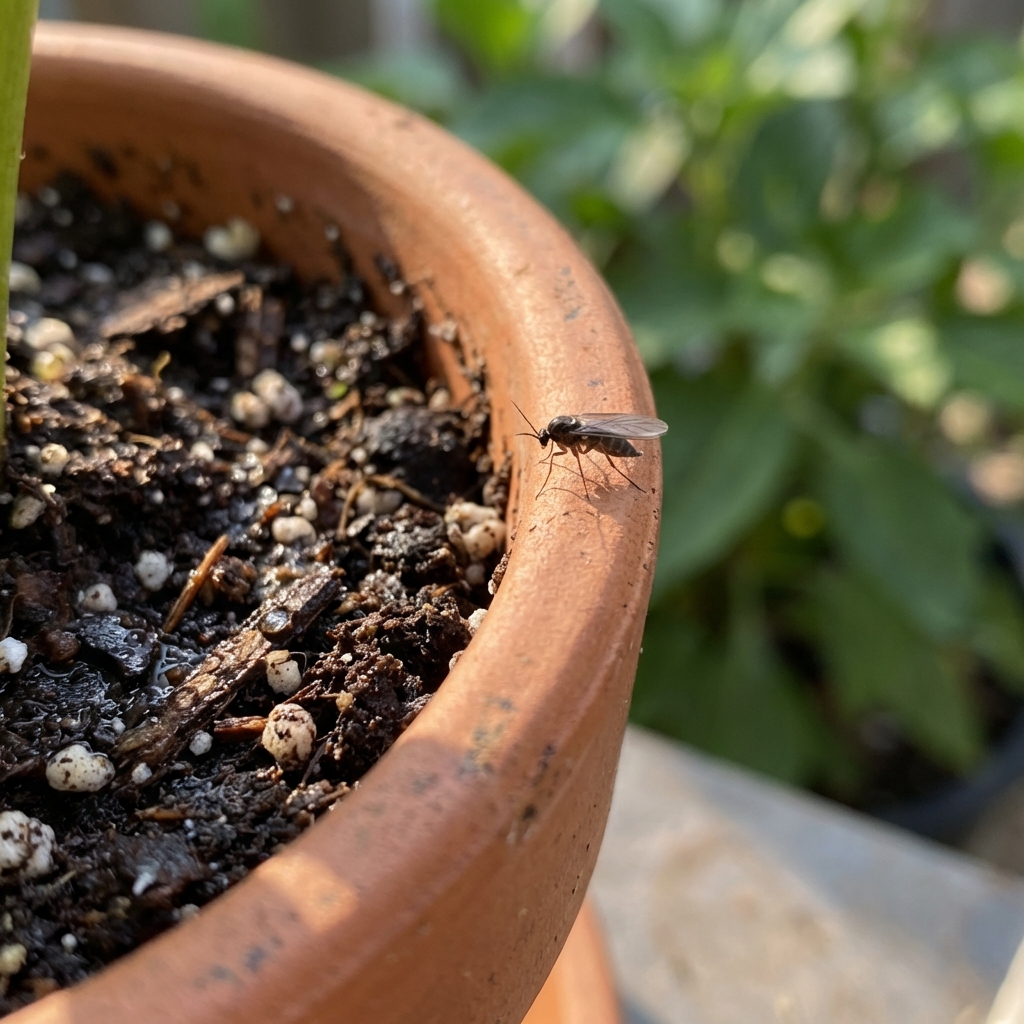
First: which “gnat” is it?
Use these quick clues. Accurate ID saves a lot of time.
Fungus gnats (common with houseplants and potting soil)
- Where you see them: hovering near houseplants, windows, or crawling on the soil surface
- What they want: damp potting mix and decaying organic matter
- Look: slender, dark, mosquito-like body with long legs and antennae; weak fluttery flight
Fruit flies (more common with produce and kitchen mess)
- Where you see them: around fruit bowls, recycling, trash, compost, and sticky spills
- What they want: fermenting fruit sugars, beer, wine, juice, and residue in containers
- Look: smaller and more stout than fungus gnats; often tan to brown, sometimes with noticeable red eyes; more purposeful flight
Drain flies (common with sinks and floor drains)
- Where you see them: bathrooms, laundry rooms, kitchen sinks, near drains
- What they want: slime and organic buildup inside pipes
- Look: fuzzy, moth-like wings; often resting on walls near drains
Quick lookalike: phorid flies
- Where you see them: near trash, recycling, drains, and sometimes potted plants
- Look: small hump-backed fly that runs in quick, jerky bursts instead of hovering; can show up when something organic is rotting or stuck in a drain line
If you are noticing them mostly around plants and you recently brought potting mix indoors or repotted, fungus gnats are the most likely culprit. If they are clustering in the kitchen or near drains, check those areas too.
Find the source fast
You do not need fancy tools. You just need to narrow it down.
Do the sticky card test
Place yellow sticky cards at soil level in a couple of suspect pots and one near the kitchen fruit bowl. You can narrow suspects quickly, then confirm by checking after 24 hours.
- Mostly on plant cards: fungus gnats.
- Mostly near fruit or recycling: fruit flies.
- Mostly near sinks or tubs: drain flies (or phorid flies).
Check the “wet spots” list
- Overwatered houseplants or trays holding runoff
- New bag of potting soil left open indoors
- Kitchen compost pail, recycling with sticky cans
- Forgotten onions or potatoes in a pantry
- Pet water bowls and damp mats (less common, but possible)
- Basement floor drain, sump area, or a slow sink
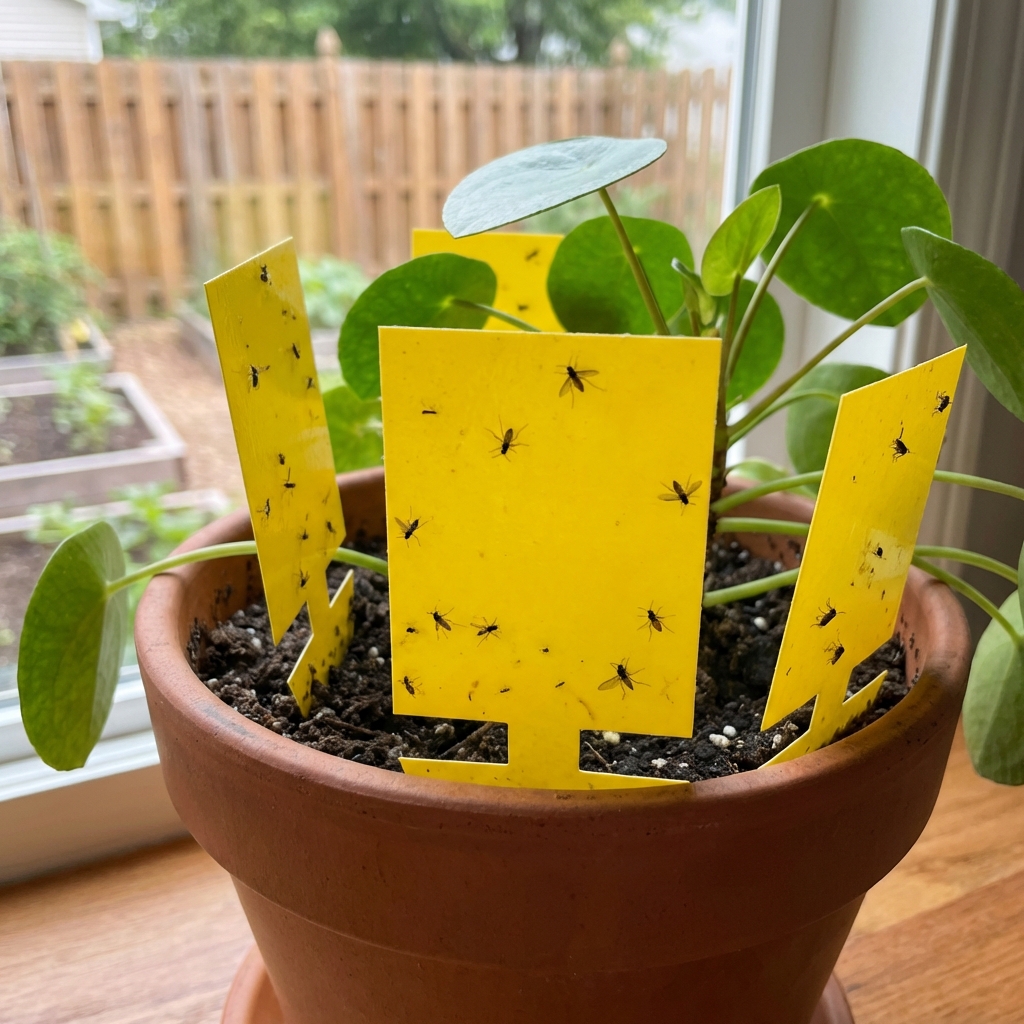
Once you identify the hotspot, focus 90 percent of your effort there. That is what ends the cycle.
If they are fungus gnats: the plan that works
Fungus gnats lay eggs in moist soil. The larvae live in the top layer of potting mix, feeding on fungi and decaying matter. The goal is to dry the top layer and kill larvae so new adults stop emerging.
Step 1: Change how you water (biggest impact)
- Let the top 1 to 2 inches of potting mix dry before watering again. For larger pots, it might be 2 to 3 inches.
- Empty saucers after watering so the pot does not sit in water.
- Water in the morning so the surface dries faster.
- Remove fallen leaves and other organic debris from the soil surface. That extra decay helps keep the cycle going.
Step 2: Trap the adults
- Use yellow sticky cards at soil level. Replace when covered with dust or bugs.
- Vacuum up flyers near windows. It is oddly effective for quick relief (and yes, they often end up at windows).
Step 3: Treat the larvae (choose one proven option)
Pick the approach that fits your comfort level and how many plants you have.
- BTI (Mosquito Bits or dunks): Use as directed on the label. A common method is to soak bits in water, strain, then water plants with the BTI water. Repeat weekly for 3 to 4 weeks, or per label. This targets larvae and is widely used for fungus gnat control.
- Beneficial nematodes (Steinernema feltiae): Apply as a soil drench per label directions. Works best when soil is lightly moist (not soggy) and temperatures are in the recommended range.
- Dry top dressing (optional): Add about 1 inch of a gritty, fast-drying material like horticultural sand, pumice, or fine gravel with larger particles. It can help keep the surface less inviting, but it is supplemental and only works if watering habits change. Very fine layers can sometimes hold moisture if the soil stays wet underneath.
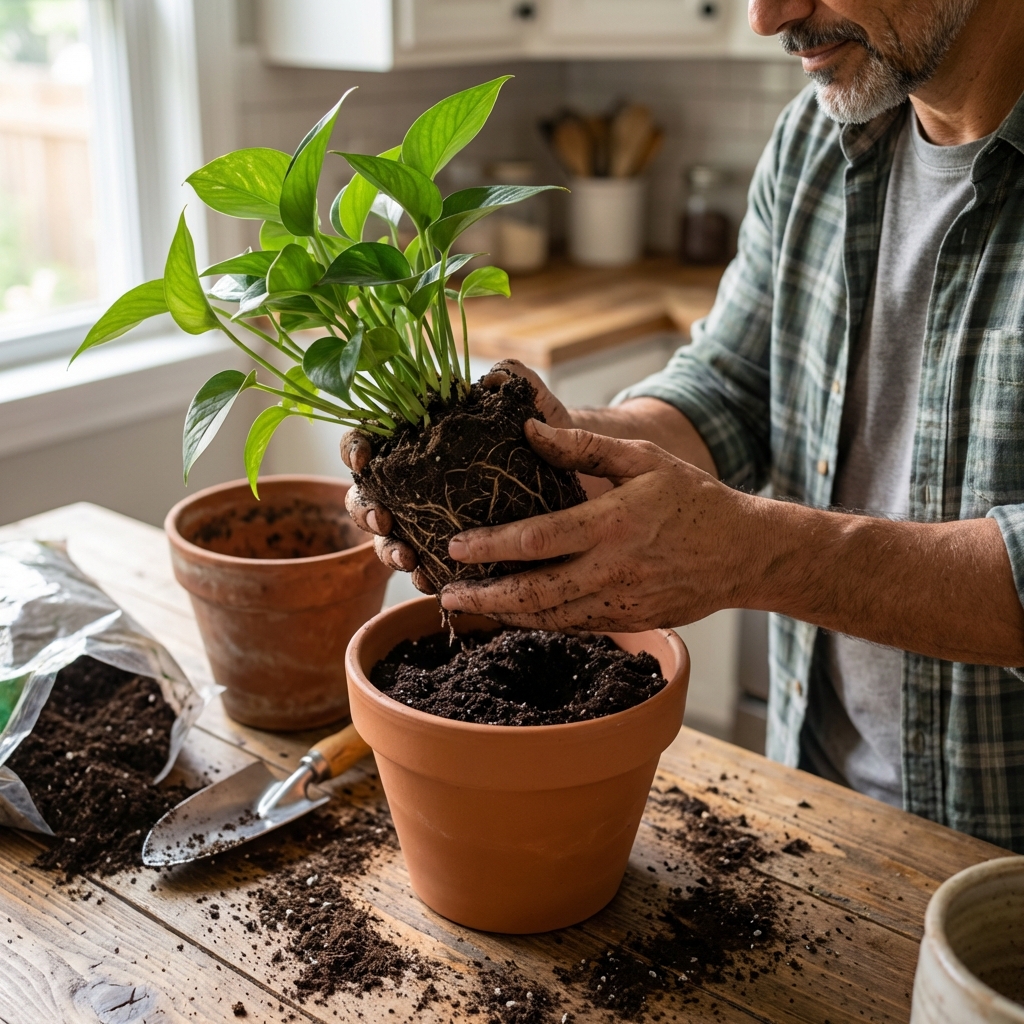
Step 4: Consider a soil reset if the infestation is heavy
If a plant is severely infested, you can repot into fresh mix. When repotting:
- Discard the old potting mix in a sealed bag.
- Wash the pot with soapy water.
- Remove mushy roots and any rotting organic debris.
- Use a well-draining mix and avoid keeping it constantly wet.
Timeline to expect: adults can keep showing for 1 to 2 weeks because existing pupae are still developing. With consistent treatment, you should see a sharp drop by week 2 and near-zero by week 4.
If they are fruit flies: clean and remove the ferment
Fruit flies are less about soil and more about tiny food sources you do not notice until they are everywhere.
What to do today
- Move fruit to the fridge or rinse it and store in sealed containers.
- Empty trash and recycling. Rinse bottles and cans.
- Wipe under appliances and clean sticky spots on counters.
- Check for a hidden source: an overripe onion, potatoes starting to rot, or a forgotten lunch bag.
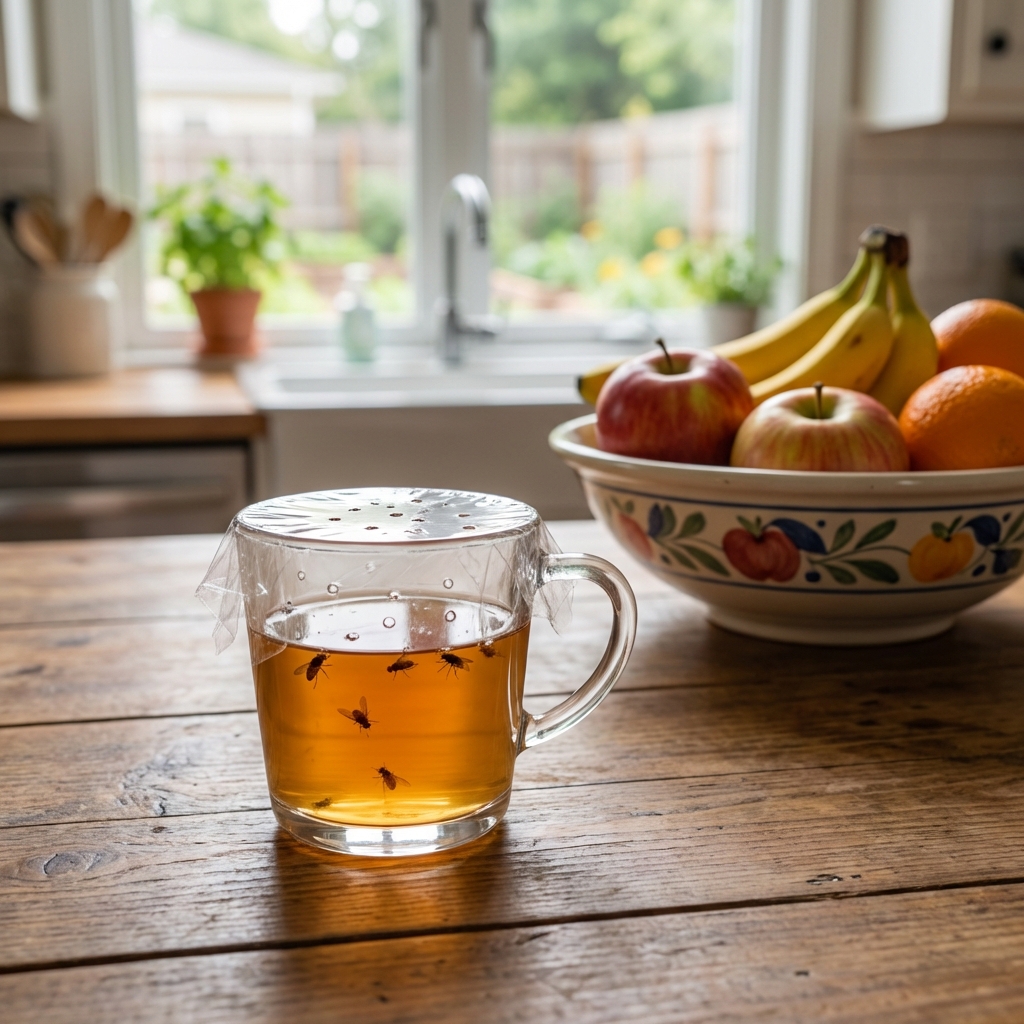
Simple trap that helps
Set out a small cup with apple cider vinegar plus a drop of dish soap. It will not solve the problem by itself, but it will reduce the flying adults while you remove the breeding sources.
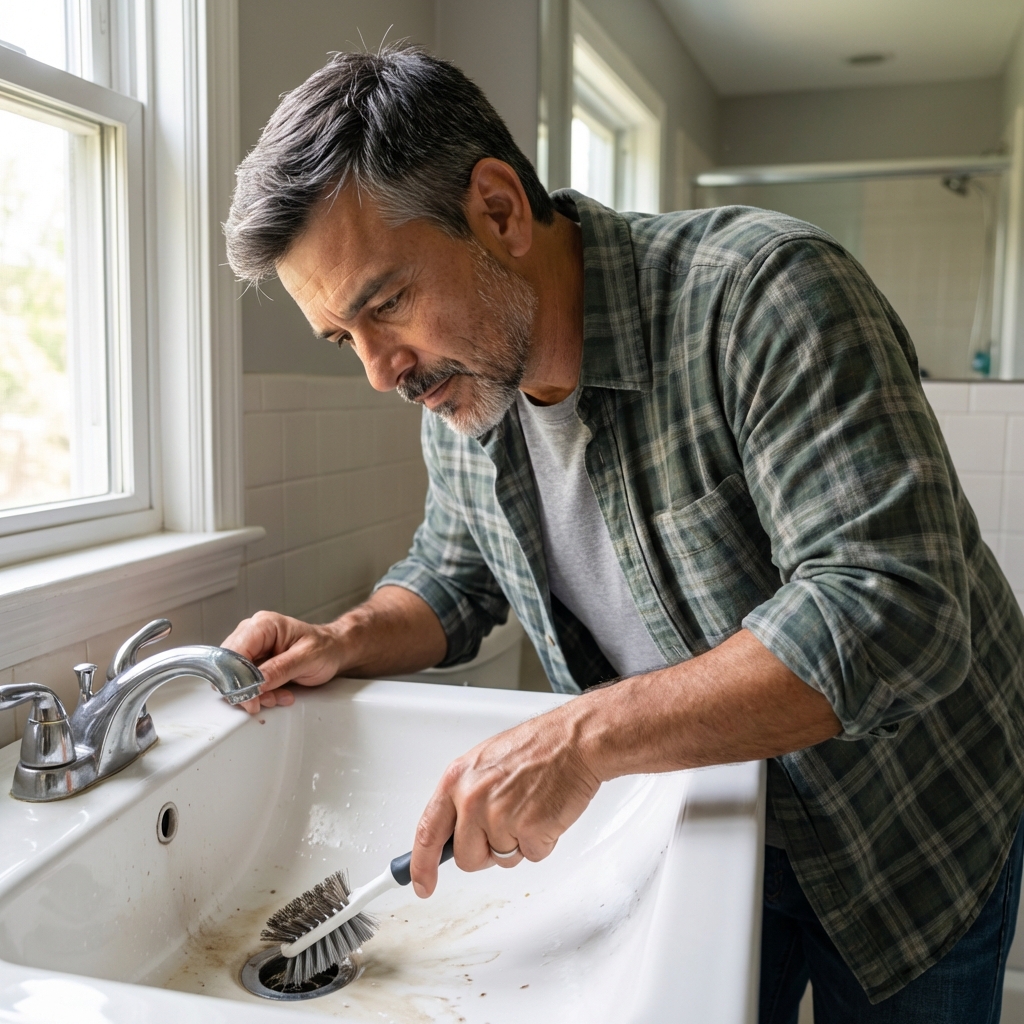
If they are drain flies: scrub the drain, not the air
Drain flies breed in the gunk inside pipes. Killing adults does nothing if the drain is still coated.
- Use a drain brush to scrub the inside of the drain and overflow openings.
- Clean sink stoppers and any slime around them.
- Follow with hot tap water. (Avoid pouring boiling water into PVC if you are not sure your plumbing can handle it.)
- If buildup is stubborn, use an enzyme or foaming drain gel made for biofilm, following label directions. Scrub again the next day. A few days in a row is often what finally clears the breeding layer.
- Fix slow drains and leaks that keep areas damp.
If you have a rarely used basement floor drain, run water occasionally to keep traps filled and reduce odor and buildup.
Habits that prevent gnats from coming back
These are the boring steps that save you the next round.
For indoor plants
- Quarantine new plants for 1 to 2 weeks and use a sticky card to monitor.
- Do not store open potting soil indoors. Keep bags sealed in a bin.
- Upgrade drainage: pots need holes, and saucers should not stay full.
- Water by need, not schedule. Most houseplants prefer a partial dry-down.
From the garden into the house
- Shake off soil from harvested produce outside.
- Do not bring in damp garden soil or compost for top dressing houseplants. Use sterile potting mix.
- Check seed starting trays. Constant moisture plus organic mixes can be fungus gnat heaven. Bottom water when possible and let surfaces dry between waterings.
Kitchen and utility areas
- Rinse recycling and take it out regularly.
- Keep compost sealed or empty it often.
- Run and clean drains weekly if you have recurring issues.
When gnats point to a bigger plant problem
Fungus gnats love wet soil. If you are seeing lots of them, take it as a hint to check plant health.
- Root rot risk: constantly wet pots can suffocate roots and invite disease.
- Soil structure: old potting mix can break down and hold too much water. A refresh with perlite or bark can help.
- Over-fertilizing: excess organic “food” can feed fungi and keep the cycle going.
If your plant looks wilted even though the soil is wet, pause watering and inspect roots. Healthy roots are firm and light-colored, not brown and mushy.
Quick FAQ
Will cinnamon, peroxide, or neem oil get rid of fungus gnats?
They might reduce fungus or knock back some larvae, but they are inconsistent in real homes. If you want the most reliable approach, use better watering habits plus BTI or nematodes, and sticky cards for adults.
Are gnats harmful to people?
They are mostly a nuisance indoors. Fungus gnats do not bite. The bigger issue is what they indicate: too much moisture, decaying food, or dirty drains.
How long until they are gone?
With source control, usually 2 to 4 weeks. If you only trap adults and do not treat the breeding area, they can keep coming indefinitely.
Any safety tips?
Use any product (including BTI, nematodes, and drain cleaners) per label directions. Keep sticky traps where kids and pets cannot reach them. Also, do not mix different drain chemicals together.
Do this first checklist
- Put sticky cards at soil level in suspect pots (and one near fruit or recycling).
- Let pots dry between waterings and dump saucers.
- Start BTI watering weekly for 3 to 4 weeks (or use nematodes), following label directions.
- Clean up fruit, recycling, and drains to rule out other sources.
- Seal potting soil bags and quarantine new plants.
If you tell me where you see the gnats most, your plant types, and how often you water, I can help you pinpoint the most likely source and the fastest fix.

Jose Brito
I’m Jose Britto, the writer behind The Country Store Farm Website. I share practical, down-to-earth gardening advice for home growers—whether you’re starting your first raised bed, troubleshooting pests, improving soil, or figuring out what to plant next. My focus is simple: clear tips you can actually use, realistic expectations, and methods that work in real backyards (not just in perfect conditions). If you like straightforward guidance and learning as you go, you’re in the right place.