Ants are tiny, organized, and stubborn. The good news is you do not need a shelf full of harsh sprays to get them under control. Most ant problems come down to three things: food, water, and easy access. Take those away and use the right home remedy for the job, and you can often break the cycle in several days to a couple of weeks, depending on the species and where the nest is.
This page walks you through practical home remedies for ants indoors and outdoors, with realistic expectations and simple steps you can follow today.
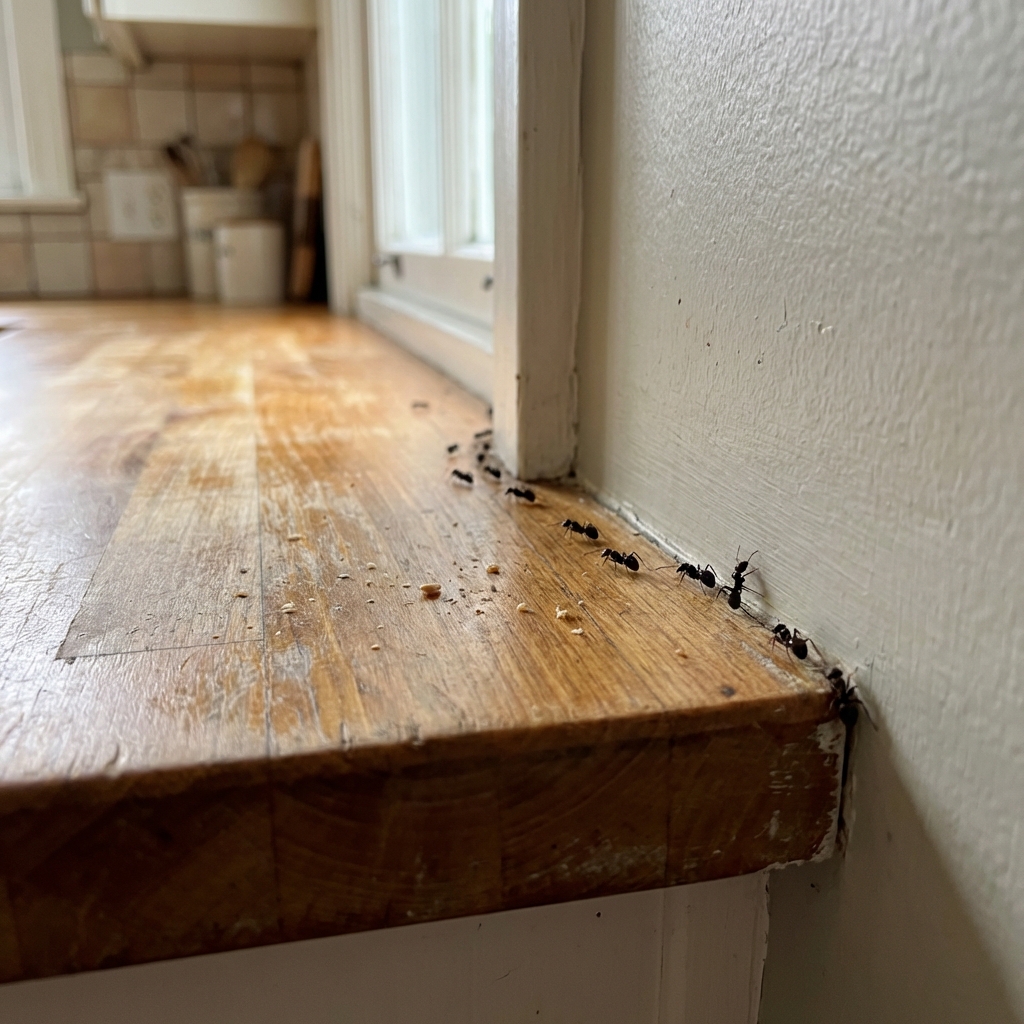
Before you treat: identify what kind of ant problem you have
Different remedies work better depending on what the ants are doing. Take two minutes to observe.
- Single ants wandering: usually scouts. Clean and block entry points and you may not need much else.
- A clear trail: they have a food or water source. You need to erase the trail and remove the attractant.
- Ants in potted plants: often after moisture, or drawn by honeydew-producing pests like aphids, mealybugs, or scale on nearby plants (indoors or outdoors).
- Ants near wood, windows, or damp areas: can signal moisture issues. Carpenter ants prefer damp or rotting wood. If you see sawdust-like frass or hear rustling in walls, consider professional help.
If you can, follow the trail to where they are entering. That determines whether you focus on baits, barriers, or both.
Quick ant ID note (helps you choose bait)
You do not need to become an entomologist, but a little context helps:
- Carpenter ants: larger ants, often near damp wood. Focus on moisture fixes and consider a pro if they are inside structural wood.
- Odorous house ants: small ants that may smell like rotten coconut when crushed. They often respond well to sweet baits, but colony control can take longer and may involve multiple nests.
- Pavement ants: small dark ants near driveways and foundations. They may take sweets at times, but can also go for greasy foods.
- Fire ants (regional): painful stings, outdoor mounds. DIY home remedies are limited. Use caution and consider region-specific controls.
Bottom line: if ants ignore a sugar bait, they may be in a protein or grease phase. In that case, switching to a protein or grease-based bait (often easiest as a commercial ant bait) can work better than doubling down on sugar.
Step 1: remove the attractant
Home remedies work best when ants do not have an all-you-can-eat buffet.
Kitchen and pantry cleanup checklist
- Wipe counters with warm soapy water, especially around the stove and trash can.
- Store sugar, cereal, pet food, and snacks in sealed containers.
- Rinse recyclables and take out trash frequently.
- Do a quick sweep under toaster, coffee maker, and pet bowls.
- Fix drips under sinks and wipe standing water at night.
Outside quick wins
- Pick up fallen fruit and rinse sticky spills on patios.
- Trim plants touching the house. Ants use them like bridges.
- Keep mulch and soil a few inches below siding so ants have less cover near entry points.
Step 2: erase ant trails
Ants lay scent trails. If you only kill the ants you see, the trail keeps pulling in new workers. Trail removal is where simple household cleaners shine.
Soap and water (my go-to for indoor trails)
How to use: Mix a few drops of dish soap in a bowl of warm water. Wipe the trail thoroughly, then rinse with clean water and dry.
Why it helps: Soap removes the scent trail and breaks down residue that attracts them.
Vinegar spray for hard surfaces
Mix: 1:1 white vinegar and water in a spray bottle.
Use: Spray along baseboards, entry points, and active trails, then wipe. Reapply daily while activity is high.
Note: Avoid using vinegar on natural stone, especially marble, limestone, and travertine. Some granite and sealers can also be affected. If you are not sure the surface is acid-safe and well-sealed, use soapy water instead.
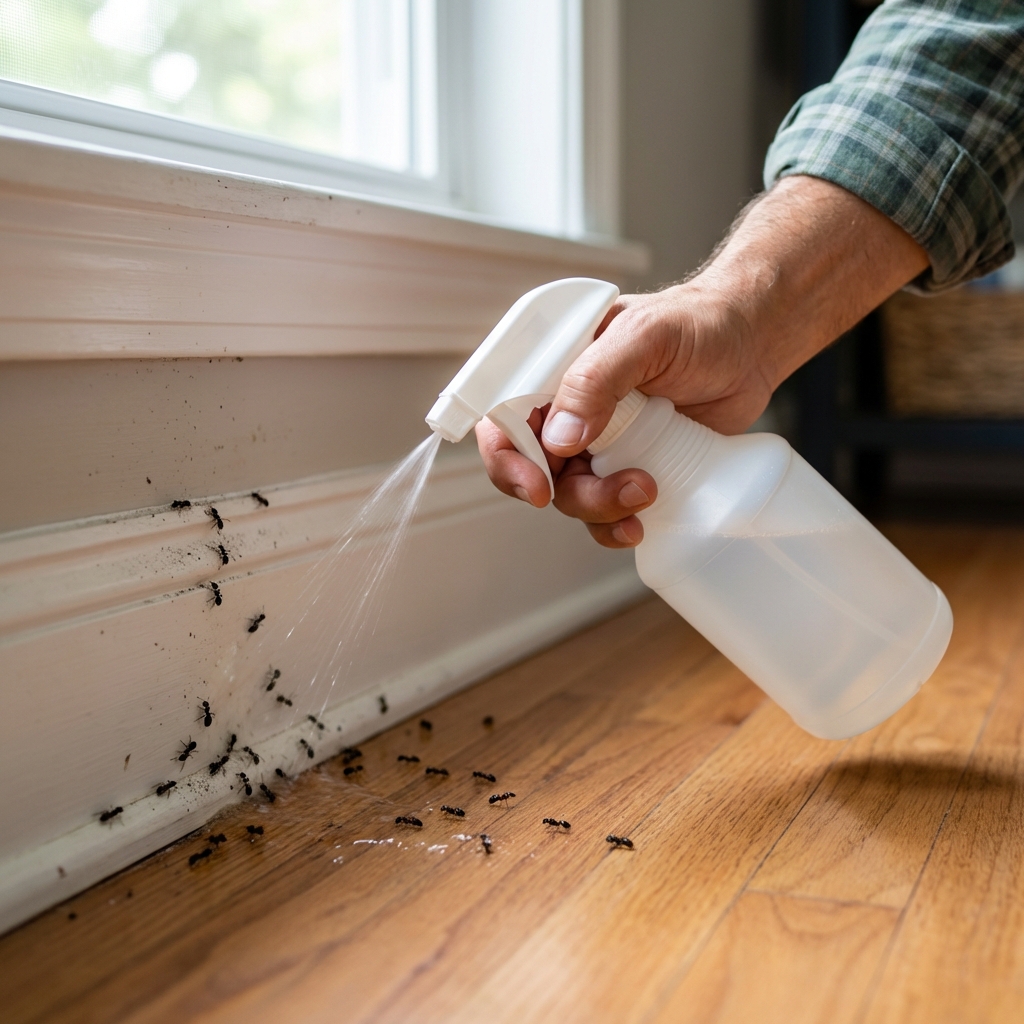
Best home remedies for ants
Think in two categories: fast knockdown for what you see, and colony control so they stop coming back.
1) Borax or boric acid sugar bait (best for getting the colony)
If ants are consistently coming back, baits are usually the most effective home option because workers carry the bait back to the nest.
Simple bait recipe:
- 1/2 cup warm water
- 1 to 2 tablespoons sugar
- 1/2 teaspoon borax (or boric acid)
Stir until dissolved. Soak cotton balls and place them in shallow lids near trails, out of reach of kids and pets.
How long it takes: You may see more ants at first. That is normal. Expect improvement in a few days and a big reduction within 1 to 2 weeks if the nest is accessible. Some infestations take longer, especially if there are multiple nests or the ants are nesting outdoors and entering in several places.
If they ignore it: Some ants are not in a sugar mood. If you see them going after grease, meat, or pet food, switch to a protein or grease-based bait (a commercial bait is usually the simplest option).
Important safety note: Borax and boric acid can be harmful if ingested. Use enclosed bait stations if you have pets or small children, or skip this method entirely.
2) Baking soda and sugar (lower-tox option, limited evidence)
This is popular online. In real backyards and real kitchens, results are inconsistent and the commonly cited mechanism is not well-supported. Consider it a “might help” option for light activity, not a reliable colony solution.
How to try it: Mix equal parts powdered sugar and baking soda. Place small amounts in lids near trails and keep it dry.
When it helps: Light infestations, or as a stopgap while you focus on cleaning and sealing.
3) Diatomaceous earth (DE) for cracks and dry areas
Food-grade diatomaceous earth is a mechanical control. It damages the waxy coating on insects and they dehydrate. It works best when kept dry.
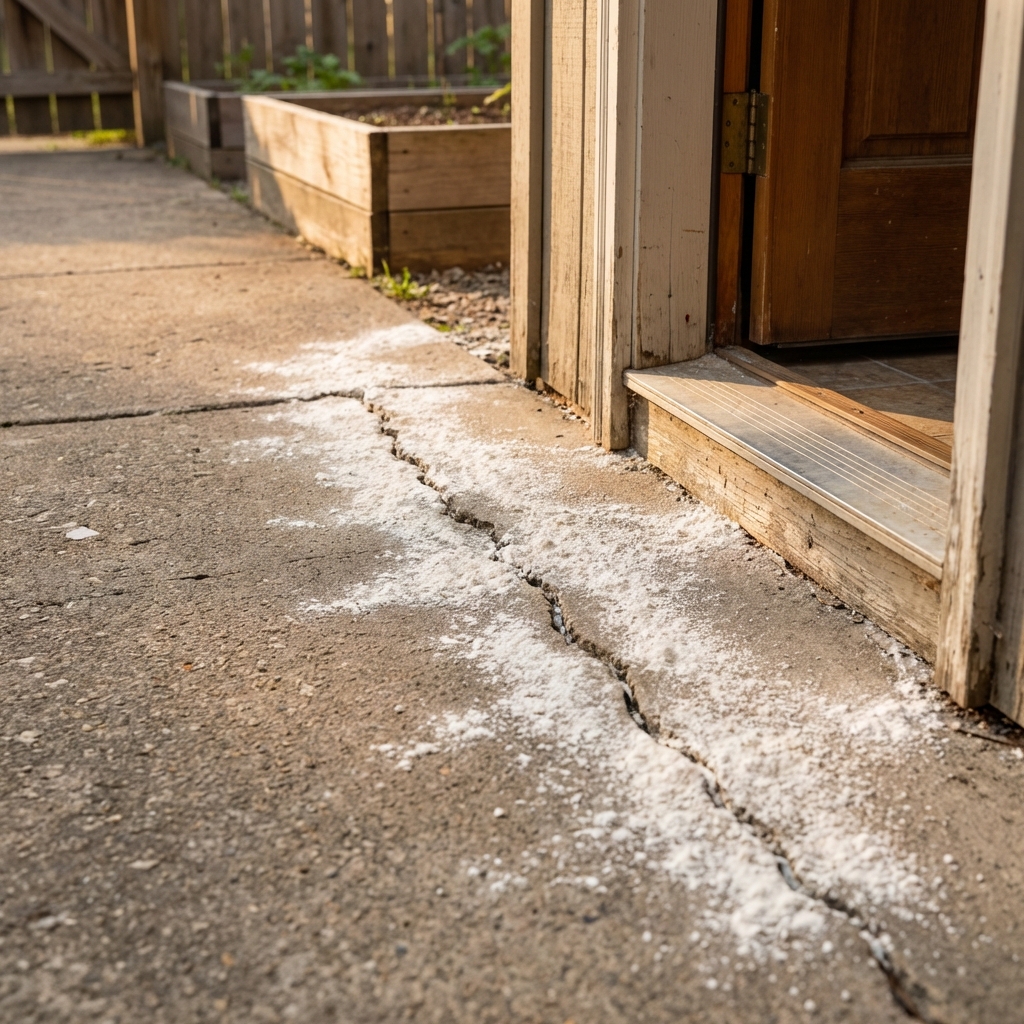
How to use: Dust a very thin layer along baseboards, behind appliances, under sinks, and at entry points. Outside, apply around door thresholds, along foundation cracks, and near nests you can reach.
Tips:
- Less is more. A heavy pile makes ants go around it.
- Reapply after rain or if it gets damp.
- Wear a mask to avoid breathing dust while applying.
- Use food-grade only. Do not use pool-grade DE. Keep dust out of the air and away from kids and pets’ faces.
4) Dish soap spray for instant control
Mix: 1 teaspoon dish soap in 2 cups water.
Use: Spray directly on ants and wipe up. Follow with trail removal using soap and water.
Where it fits: Great for quick cleanup, but it does not eliminate the colony by itself.
5) Lemon juice or citrus peel (mostly a deterrent)
Citrus can help disrupt trails and discourage ants for short periods.
How to use: Wipe entry areas with lemon juice diluted 1:1 with water. Replace citrus peels in problem spots daily.
Reality check: Use it as a backup deterrent, not your main strategy.
6) Peppermint oil (deterrent with strong cautions)
Peppermint oil smells strong and can temporarily discourage ants.
Mix: 10 to 15 drops peppermint essential oil in 1 cup water with a small drop of dish soap to help it mix. Shake well.
Caution: Essential oils can be irritating or toxic to pets, especially cats. Do not diffuse essential oils in homes with cats, and do not use them where pets can lick, inhale closely, or have skin contact. Essential oils can also damage some finishes. Test a small hidden spot first.
Outdoor ant problems
Outside, ants are not always the enemy. They aerate soil and clean up crumbs. The goal is usually control near living areas or protect plants, not wipe them out everywhere.
Ants in garden beds
- Check for aphids: If you see aphids on new growth, ants may be protecting them for honeydew. Treat the aphids and ant activity often drops.
- Water deeply: Some ants nest in dry soil. A deep soak can make the area less attractive.
- DE barrier: Use food-grade DE in dry weather around the bed edge or near a specific mound.
Ant hills in lawns
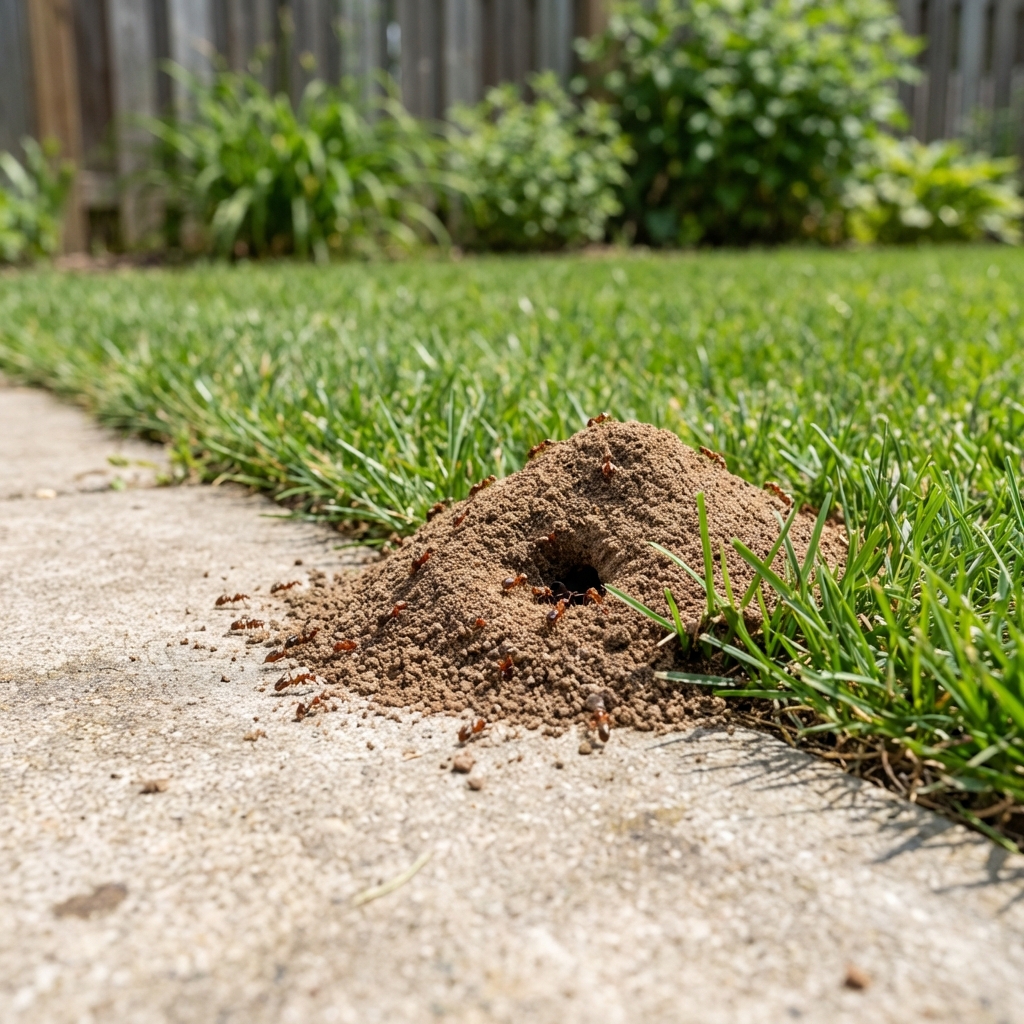
If they are small and not near walkways, you can often ignore them. For nuisance mounds:
- Pour boiling water directly into the mound when you see the most activity, often early morning or evening. You may need repeats, and it may not eliminate deep or branched colonies.
- Use DE on dry days around the mound and entry holes.
Caution: Boiling water can damage turf and nearby plant roots. Keep it targeted and avoid garden beds.
Seal entry points so ants cannot return
Once you reduce the active trail, block their preferred routes. This is the step that turns a short-term win into a long-term fix.
Where to look
- Gaps around window frames and door thresholds
- Cracks where baseboards meet flooring
- Pipe openings under sinks
- Utility lines entering the house
Simple fixes
- Use silicone caulk for cracks and small gaps.
- Add door sweeps if you can see light under the door.
- Seal around pipes with caulk or expanding foam (use foam carefully and sparingly).
Baiting best practices
If you use bait, a few small choices make a big difference.
- Place several small bait stations near trails and entry points, not just one.
- Do not spray repellents near the bait. Strong-smelling deterrents can push ants away from the bait you need them to take.
- Refresh bait if it dries out, gets dusty, or gets ignored after a few days.
- Keep other food sources low so the bait is the easiest meal option.
- Be patient. More ants at first can be a good sign.
What not to do
- Do not just spray and walk away. Killing visible ants without removing trails and food sources rarely solves the problem.
- Do not place bait and then keep wiping it away. If you use bait, let ants feed. Clean elsewhere, not right on the bait path.
- Do not mix too many repellents with baits. Strong-smelling deterrents (like peppermint) can push ants away from the bait you need them to take.
- Do not use DE in wet spots. It stops working when damp.
Quick plan
If ants are in the kitchen
- Clean with soapy water, then wipe trails with vinegar or soap.
- Set a borax bait near the trail (safely placed), or use a commercial bait station if you need a more secure option.
- Seal obvious gaps after activity drops.
If ants are coming in from a door or window
- Wipe the trail and threshold.
- Dust a thin line of food-grade DE in dry cracks.
- Install or replace weather stripping or a door sweep.
If ants are in the garden and protecting aphids
- Blast aphids off plants with water or use insecticidal soap.
- Control ants near the plant base with DE in dry weather.
- Reduce honeydew sources and the ants usually move on.
When to call a pro
Home remedies handle most small-to-medium ant issues, but get help if:
- You suspect carpenter ants (large ants, frass, damp wood, ongoing activity indoors).
- Ants are nesting inside walls or ceilings and you cannot locate an entry point.
- You have repeated outbreaks despite cleanup, sealing, and baiting.
FAQs
How long do home remedies take to work?
Trail removal and soap sprays work right away for the ants you see. Colony control with bait usually takes several days to two weeks. Some situations take longer, especially with multiple nests, outdoor colonies, or species that are harder to fully bait.
Why do I see more ants after setting bait?
That is common. You are seeing recruitment. If the bait is working, activity should peak and then start dropping within a few days.
What is the safest option with pets?
Focus on cleaning, sealing entry points, and using soapy water for trails. If you use any bait or powders, place them where pets cannot reach and avoid creating airborne dust. When in doubt, skip borax-based baits and use enclosed commercial bait stations designed for safety.

Jose Brito
I’m Jose Britto, the writer behind The Country Store Farm Website. I share practical, down-to-earth gardening advice for home growers—whether you’re starting your first raised bed, troubleshooting pests, improving soil, or figuring out what to plant next. My focus is simple: clear tips you can actually use, realistic expectations, and methods that work in real backyards (not just in perfect conditions). If you like straightforward guidance and learning as you go, you’re in the right place.