Ants are one of those garden problems that can be harmless one week and a full-blown headache the next. A few ants cruising around your beds is normal. But when you see steady trails up your raised bed, ants farming aphids on your peppers, or mounds popping up in every open spot, it is time to step in.
Below are home remedies that actually work in real backyards. I will also point out what to avoid so you do not accidentally burn plants, wipe out beneficial insects, or make the problem worse.
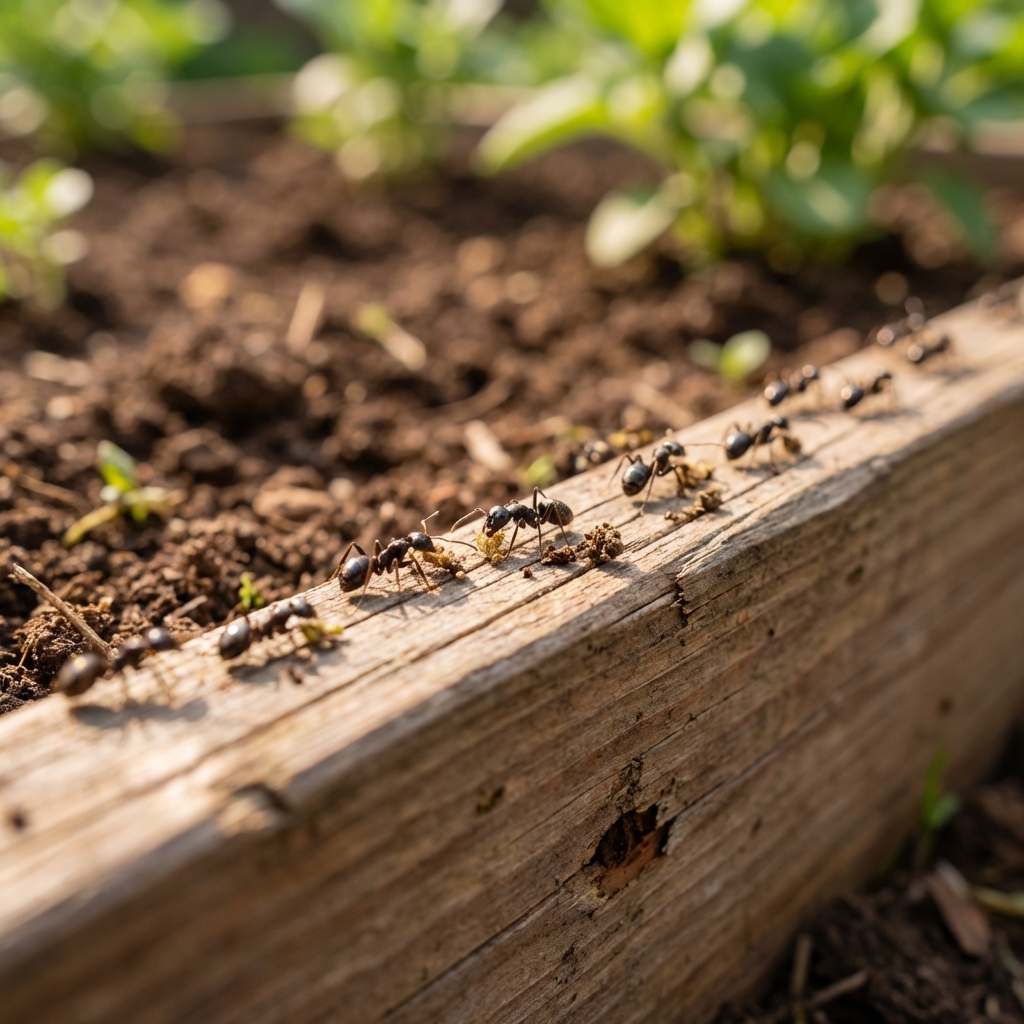
First, figure out what the ants are doing
Different ant situations call for different fixes. Take 2 minutes to watch them.
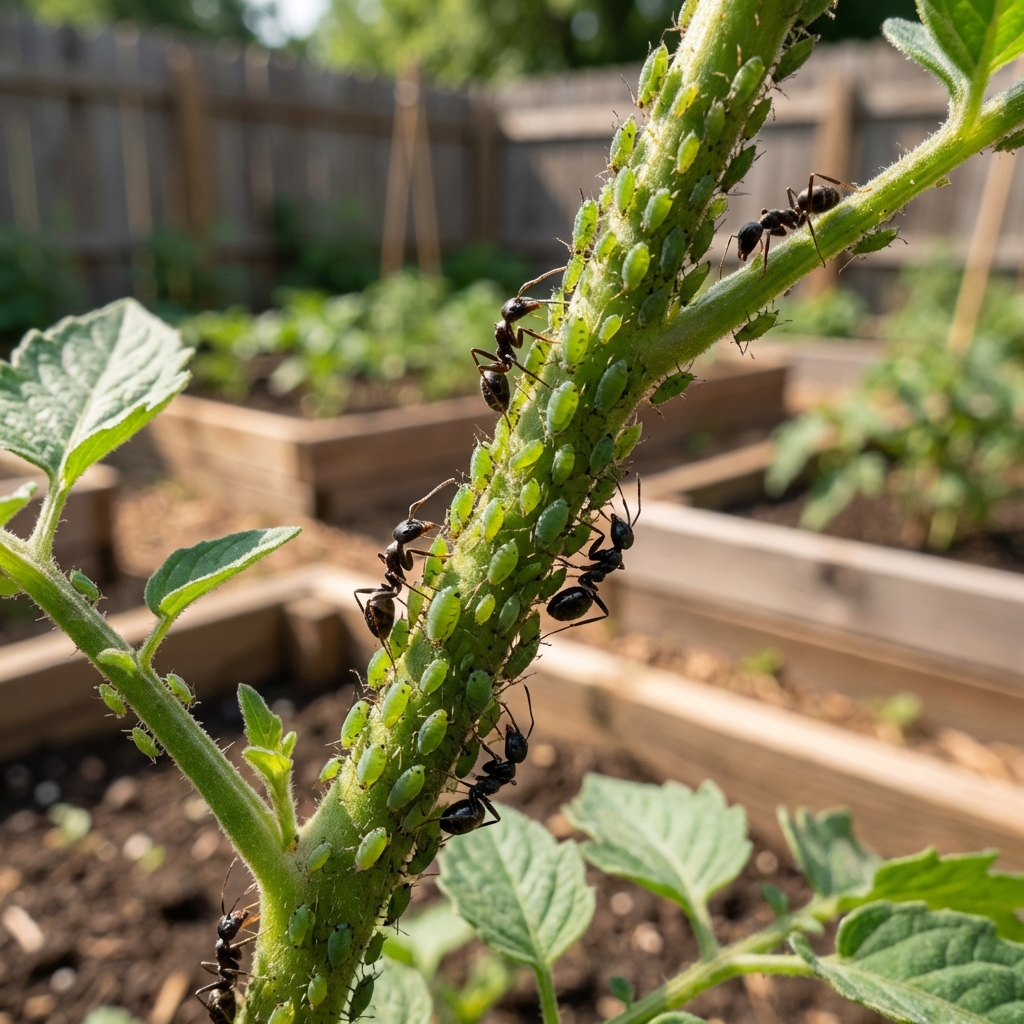
- Trail to a plant: Often means ants are protecting aphids, mealybugs, or scale for the sweet honeydew.
- Trail to compost or fallen fruit: They are foraging. Clean-up and barriers can solve most of it.
- Ant mound in soil or mulch: You need to treat the nest, not just the trail.
- Ants in pots: Usually they are nesting in dry potting mix or hanging around sap-sucking pests on the plant.
Quick tip: If you see sticky residue on stems or clusters of tiny green or black bugs, treat the pest too. If you only kill ants, new ants often replace them because the food source is still there.
The most effective home remedy: sugar and borax bait
If you want a home remedy that consistently knocks back a colony, bait is usually your best tool. Sprays kill what you see. Baits kill what you do not see.
Why it works: Worker ants carry the sweet bait back to the nest and share it. That is what reaches the queen and larvae.
Simple borax bait recipe (syrupy and slow-acting)
- 1 cup warm water
- 1/2 cup sugar
- 1 1/2 teaspoons borax (laundry aisle)
Stir until dissolved. You are aiming for a sweet mix that ants will choose over other food sources, with a borax level that works as a slower kill so they have time to bring it back to the nest. Soak cotton balls and place them in a shallow lid or bottle cap.
How to place bait in the garden
- Place bait right beside active ant trails, not in the middle of your beds.
- Use multiple bait stations, especially near mounds, bed edges, and patio cracks.
- Refresh every 1 to 2 days or after rain.
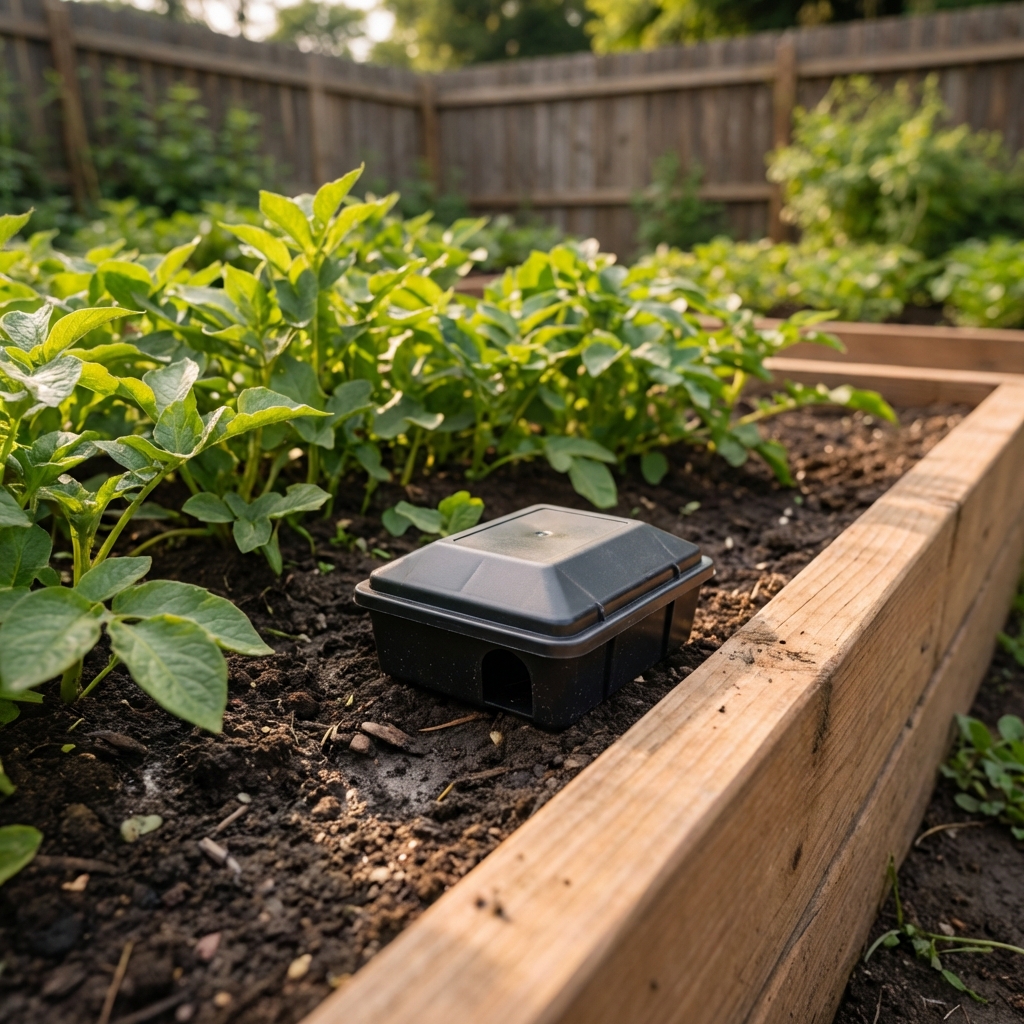
Important safety note: Borax is lower-risk than many pesticides, but it is still toxic if eaten. Keep bait out of reach of kids and pets. Use covered bait stations, such as a small plastic container with tiny entry holes, or tuck bait under an inverted pot with a small gap.
Fast knockdown: soapy water for trails and clusters
When you need immediate relief on a path, soapy water is a solid home option. It breaks the ants’ protective coating and also disrupts scent trails.
Mix
- 1 quart water
- 1 teaspoon mild dish soap (plain, not antibacterial, not heavy degreasers)
Use
- Spray directly on ants and along the trail.
- Reapply as needed. Trails may re-form until the nest is addressed.
Plant caution: Do not soak tender foliage in midday sun. Test on a small area first, especially on seedlings.
Kill the nest with boiling water (best for mounds away from roots)
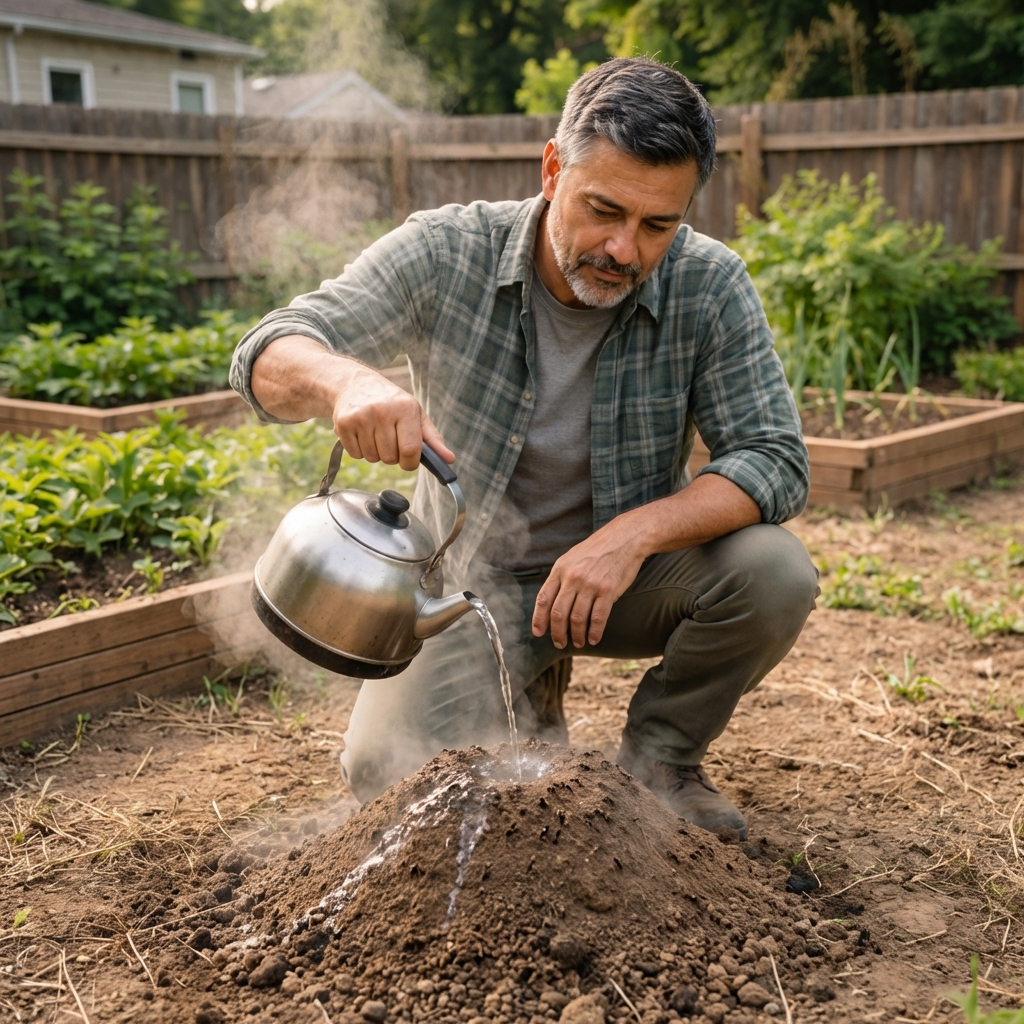
If you have a visible mound in a path, driveway edge, or open area of lawn, boiling water is a clean, chemical-free way to collapse a nest quickly.
How to do it
- Boil 1 to 2 gallons of water.
- Pour slowly and carefully directly into the mound opening and surrounding area.
- Repeat the next day if you still see activity.
Do not do this: Right next to vegetables, perennials, or tree roots. Boiling water does not know the difference between an ant nest and your plant’s feeder roots.
Diatomaceous earth as a dry barrier
Food-grade diatomaceous earth works best as a barrier in dry weather. It is a fine powder that scratches and dries out insects that crawl through it.
Where it works well
- Along the outer edge of raised beds
- Around pot bases
- Along entry points near foundations or pavers
How to apply
- Dust a thin, even line where ants travel.
- Keep it dry. Reapply after rain or heavy dew.
Reality check: DE is not a great nest killer outdoors during wet periods. Think of it as a border patrol, not a one-and-done solution.
Vinegar spray for scent trails (not for plants)
White vinegar is excellent at wiping out the scent trail ants follow. It is not a great garden spray around foliage because it can burn leaves and change soil pH right where you spray heavily.
Mix for hard surfaces
- 1 part white vinegar
- 1 part water
Use it on patios, bed frames, walkways, and the outside of pots. Avoid spraying directly onto soil in your growing area and avoid contact with plant leaves.
If ants are farming aphids, handle the aphids first
This is the common garden pattern: you kill ants, they return, because the aphid buffet is still open.
Simple, plant-friendly steps
- Blast aphids off with a strong stream of water.
- Use insecticidal soap or a mild soapy water spray focused on aphid clusters.
- Encourage beneficials like lady beetles by avoiding broad spraying.
Once aphids drop, ant traffic often drops with them.
Prevention that keeps ants from coming back
Ant control is easier when you make your beds less attractive.
Do these regularly
- Remove fallen fruit and spilled birdseed nearby.
- Fix irrigation issues that create alternating soggy and bone-dry zones. Many ants love dry pockets in mulch.
- Top-dress with compost and keep soil structure healthy. Compacted, dusty soil invites nesting.
- Use physical barriers around pots like a ring of diatomaceous earth or a sticky barrier tape on the pot rim (not on plant stems).
Mulch tip
Mulch is great for moisture, but thick, dry mulch can hide nests. Keep mulch a few inches away from plant crowns and check under it if you see heavy ant traffic.
What to avoid in the garden
- Baking soda and sugar: Popular online, inconsistent in real-world garden settings.
- Cornmeal: Not reliable for colony control.
- Straight vinegar or salt in beds: Can damage plants and soil. Salt especially can linger and cause long-term issues.
- Overusing essential oils: Some can burn foliage and harm beneficial insects. They also break down fast outdoors.
Quick plan: choose the right remedy
- Ant trail on a walkway or bed frame: Vinegar and water on hard surfaces, then set bait nearby.
- Ants climbing plants: Treat aphids, then use borax bait away from the plant base.
- Visible mound in a safe spot: Boiling water, repeat if needed.
- Ants around pots: Check for pests, let the top inch dry slightly between waterings, add a dry DE barrier.
If you only do one thing, do bait. It is the home remedy most likely to actually shrink the colony instead of just killing the scouts.
When it is time to escalate
If ants are undermining pavers, invading the home, or you are dealing with aggressive species that bite, you may need a targeted commercial bait or professional help. In the garden, I still recommend starting with bait and source control first because it is the most effective with the least disruption to your beds.
If this is your situation, leave a note in the comments with where you are seeing ants (raised bed, fruit tree, pots, patio edge) and what you have tried so far, and I will point you toward the best option and placement.

Jose Brito
I’m Jose Britto, the writer behind The Country Store Farm Website. I share practical, down-to-earth gardening advice for home growers—whether you’re starting your first raised bed, troubleshooting pests, improving soil, or figuring out what to plant next. My focus is simple: clear tips you can actually use, realistic expectations, and methods that work in real backyards (not just in perfect conditions). If you like straightforward guidance and learning as you go, you’re in the right place.