Roaches are not picky. If your home, shed, garage, or greenhouse gives them food, water, and hiding spots, they will move in. Gardeners often notice them more because we store potting mix, keep watering cans around, bring in produce, and sometimes deal with damp corners near patios and hoses.
The good news is you can do a lot with basic home remedies when you combine them with the boring but essential step most people skip: removing what attracts roaches first. This guide walks you through practical, low-drama fixes that work in real backyards and real houses.
Quick safety note: Powders and baits still carry risk. Keep them away from kids and pets, avoid food prep surfaces, and follow label directions for any store-bought products.
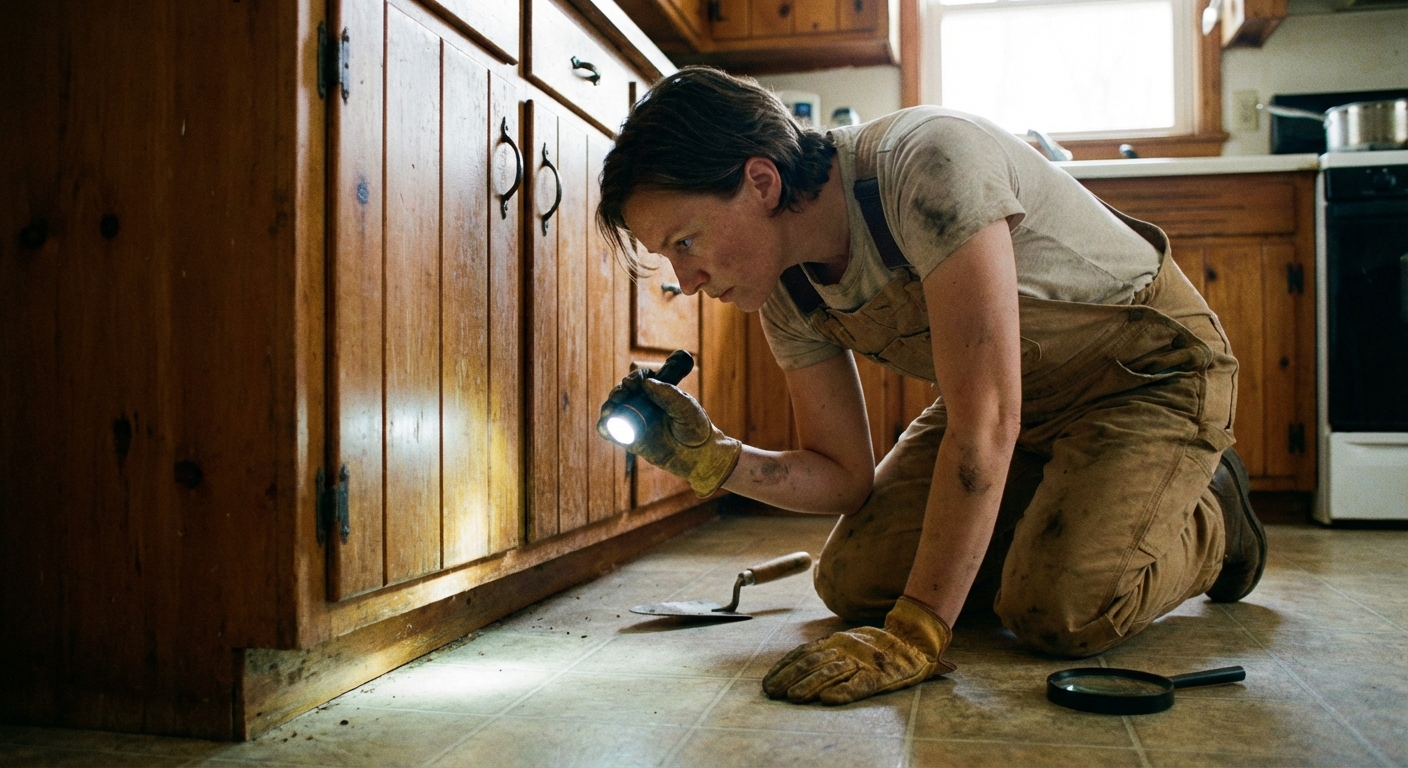
Roach type matters
Different roaches behave differently. Your remedy works best when you know where they live and what they are feeding on.
- German roaches: Small, tan, fast. Usually indoors, especially kitchens and bathrooms. These are the ones that multiply quickly.
- American roaches: Larger, reddish-brown. Often come from garages, basements, sewers, crawlspaces, and mulch beds near the foundation.
- Smokybrown roaches: Dark and shiny. Common in humid outdoor areas, leaf litter, and woodpiles (especially in some warmer, more humid regions). They wander inside.
Expectations tip: German roaches usually mean an indoor infestation that needs tight sanitation plus baiting. American and smokybrown roaches are often occasional invaders, so exclusion and reducing outdoor pressure matters more.
If you see roaches during the day, that often means the population is bigger or their hiding spots are getting crowded.
Signs to look for
Use these clues to confirm where activity is strongest before you treat.
- Droppings: German roaches leave pepper-like specks or smears in corners and along cabinet edges. Larger roaches leave bigger, darker pellets.
- Egg cases: Small, brown capsules tucked into cracks, drawer slides, and hidden corners.
- Grease marks: Dark rub lines along baseboards and wall edges where they travel.
- Odor: Heavy infestations can smell musty or oily.
First: remove the buffet
Home remedies work best when you make roaches hungry and thirsty. Do these steps first, especially if you are baiting.
Quick cleanup that helps fast
- Food: Store pet food and bird seed in sealed containers. Wipe counters and stove edges nightly. Do not leave compost caddies uncovered indoors.
- Water: Fix drips, dry the sink at night, and do not leave wet sponges out. Empty plant saucers indoors and avoid standing water in trays.
- Clutter: Reduce cardboard in garages and sheds. Cardboard holds moisture, provides hiding spots, and can be a minor food source (starches and adhesives).
- Outdoor pressure: Create a clear, drier gap between heavy mulch or leaf litter and the foundation. A good rule of thumb is at least 6 inches when possible.
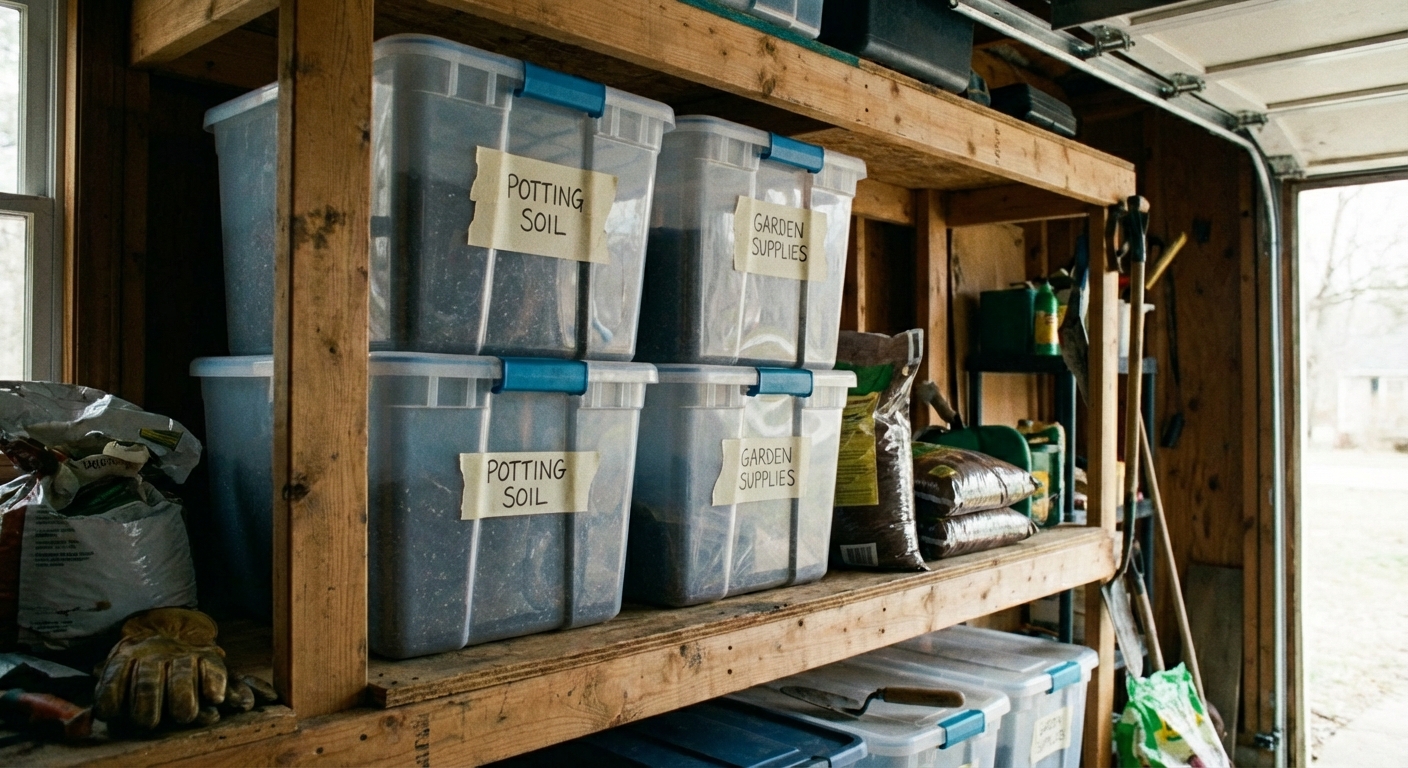
Gardener tip: Store potting soil, compost, and amendments in lidded bins. Open bags in a damp corner invite roaches (and other pests).
Home remedies that help
These DIY options tend to perform best in real homes when used strategically. For placement, use the Where to put treatments section below as your map.
1) Boric acid (light dusting)
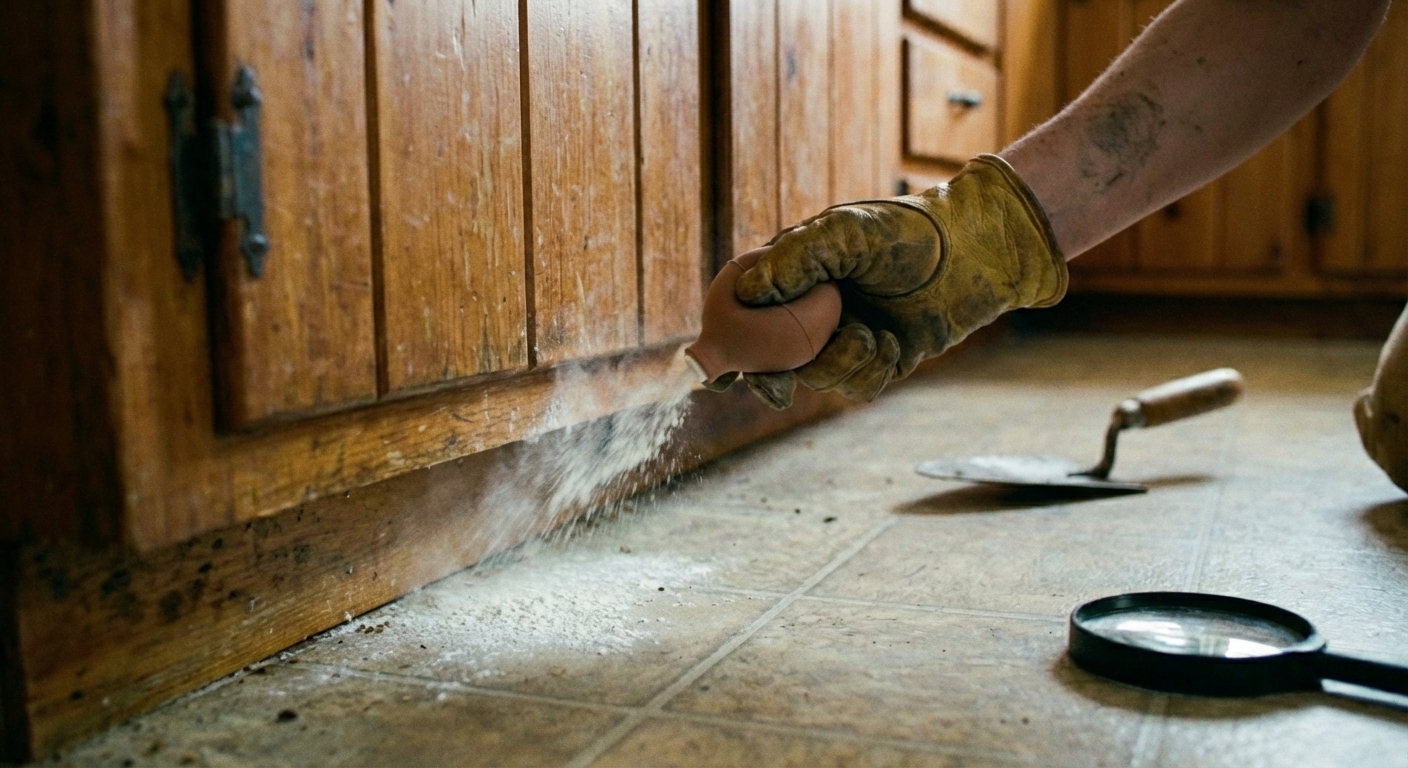
Boric acid is one of the most reliable low-cost tools. Roaches pick it up on their bodies and ingest it while grooming. It works best as a light dusting, not a pile.
- Apply a thin, barely visible layer in cracks, along edges, and in hidden voids where roaches travel.
- Keep it dry. Moisture reduces performance.
- Do not dust open surfaces where kids or pets can contact it, or where it could contaminate food areas.
Important: Boric acid is lower-toxicity than many pesticides, but it is still harmful if swallowed. Use caution around children, pets, and food prep areas.
2) Diatomaceous earth (food grade)
Food-grade diatomaceous earth (DE) works mechanically by damaging the roach’s protective coating. It works best when roaches cross a very light, dry layer. In humid or damp spots, it is much less effective.
- Use a duster to apply a fine film in cracks, gaps around pipes, and dry voids.
- Reapply after cleaning or if it gets damp.
- Avoid breathing the dust. Wear a simple mask when applying.
Where gardeners like DE: Along the garage threshold, near patio doors, and in dry corners where roaches slip in from outdoor beds.
3) Baking soda bait (mixed results)
Baking soda bait is popular and low-cost, but results are mixed. It may help in light activity, but it is generally less reliable than boric acid or quality gel baits.
- Mix equal parts baking soda and powdered sugar.
- Place small amounts in bottle caps or shallow lids in protected, hidden areas.
- Replace every few days and keep it dry.
Safety: Treat this like any bait. Keep it away from kids and pets, and do not place it where it could spill onto food surfaces.
4) Boric acid bait dough
If roaches are hiding deep in cracks, a bait can reach them better than an exposed dusting.
- Mix 1 part boric acid with 3 parts a food base (peanut butter, flour and sugar paste, or mashed potato).
- Use pea-sized amounts and place them in hidden, dry spots.
- For extra safety, put bait inside tamper-resistant bait stations or a simple covered container with small entry holes.
Use small baits, not big globs. Roaches prefer feeding in tight areas where they feel safe.
5) Soapy water spray (quick knockdown)
If you need immediate relief while you work the longer game, a simple soap spray can immobilize and sometimes kill roaches on contact when they are thoroughly sprayed.
- In a spray bottle: 1 to 2 teaspoons mild dish soap per quart of water.
- Spray directly on the roach and wipe up afterward.
- This is not long-term control, but it is handy when you spot one.
6) Sticky traps (find hot spots)
Traps are not just for catching. They show you where to focus baiting and sealing. Put a few down for a week.
- Place traps along walls and edges in kitchens, bathrooms, and garages.
- Check them every few days. A cluster in one area usually means a travel lane or nest nearby.
Garden sources
If roaches keep showing up even when your kitchen is clean, the pressure may be coming from outside. This is common for gardeners.
Mulch and leaf litter near the foundation
- Keep a drier buffer strip between heavy mulch and the house whenever you can.
- Do not let leaves pile up against the wall for long periods.
- Avoid overwatering foundation beds. Moist soil near the house increases roach activity.
Compost bins and worm bins
- Keep compost moist like a wrung-out sponge, not soggy.
- Do not add greasy kitchen scraps outdoors.
- Place bins a bit farther from doors and vents if roaches are active.
Stored harvest
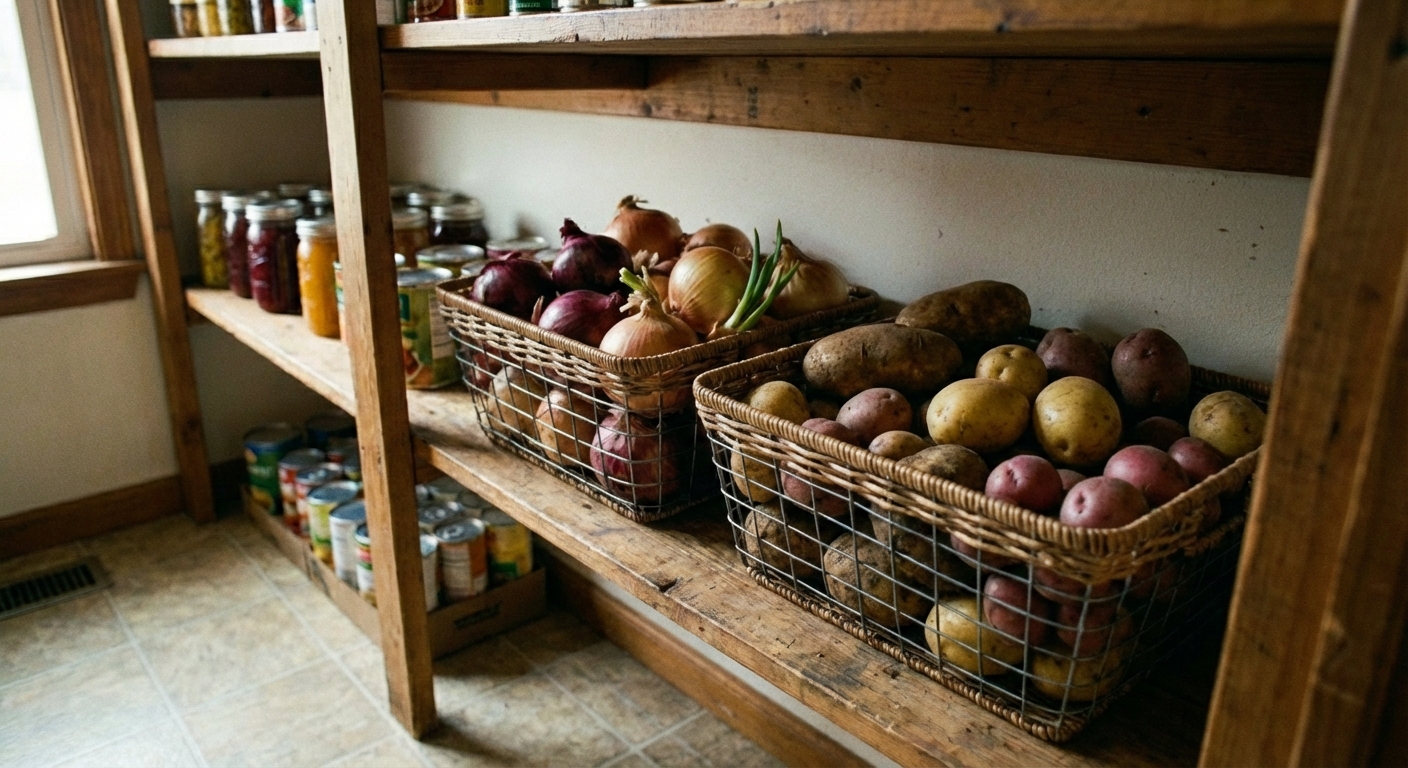
Basements and pantries can become roach-friendly when produce sits too long. Check storage weekly and remove soft spots fast.
Where to put treatments
Roaches prefer edges, darkness, and tight spaces. Place powders, baits, and traps where you see droppings, shed skins, or grease marks.
- Kitchen: Behind the fridge and stove, under the sink, inside cabinet corners, near the dishwasher.
- Bathroom: Behind the toilet, under the vanity, around pipe penetrations.
- Laundry: Behind the washer, near a floor drain, along wall edges.
- Garage: Along wall bases, near door thresholds, around stored clutter, near water heaters if present.
Avoid: placing powders or baits where you will mop, spray cleaners, or soak the area. You want treatments to stay put and stay dry.
Seal entry points
Home remedies reduce numbers, but sealing stops the cycle.
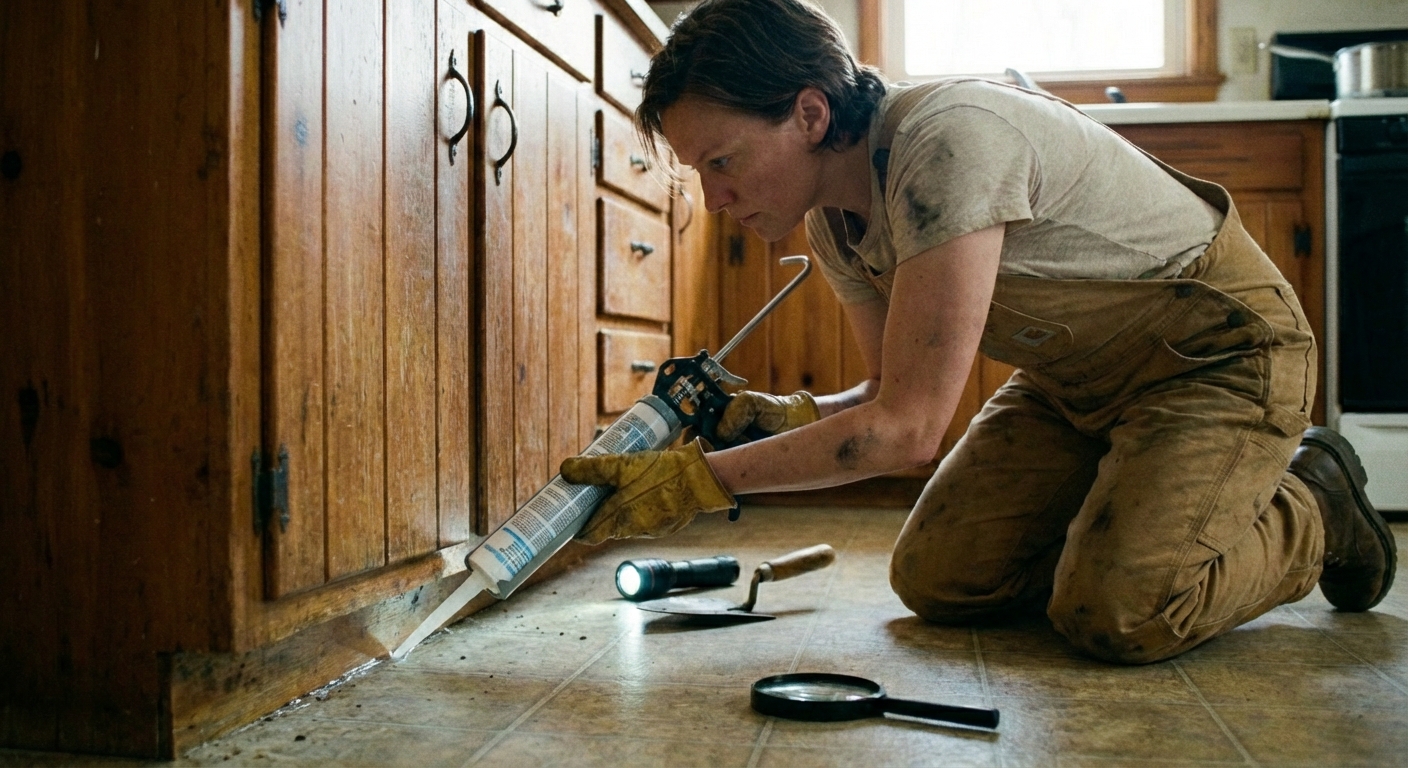
- Use silicone caulk for gaps along baseboards, under sinks, and around backsplash seams.
- Use steel wool plus caulk for larger holes around pipes and wall penetrations.
- Add or replace door sweeps and fix torn weatherstripping.
- Screen vents and repair window screens, especially near porch lights.
DIY mistakes to avoid
- Too much powder: Piles of boric acid or DE can make roaches avoid the area. Thin is better.
- Strong cleaners near bait: Bleach and heavy sprays can reduce feeding.
- Repellents only: Strong-smelling remedies can push roaches deeper into walls instead of reducing them.
- Skipping moisture fixes: If there is a steady water source, roaches keep thriving.
When to skip DIY
Sometimes the best move is calling a pro sooner, not later.
- Heavy German roach activity: Daily sightings, lots of tiny roaches, or egg cases.
- Apartments or shared walls: If they are coming from another unit, you need building-wide coordination.
- Allergies or asthma: Roaches can worsen symptoms. Faster control can matter.
- Homes with toddlers or curious pets: Powders and baits require extra caution and careful placement.
If remedies are not enough
If you are seeing lots of small roaches (especially German roaches), egg cases, or daily sightings, you may need to step up to an integrated approach:
- Gel baits placed as many small dots in hidden areas
- Insect growth regulators (IGRs) to stop reproduction
- Professional help if the issue is in shared walls (apartments) or deep structural voids
Even if you go that route, sanitation and sealing still do most of the heavy lifting long-term.
7-day action plan
Day 1 to 2: Confirm and clean
- Place sticky traps in the kitchen, bathroom, and garage along edges.
- Deep clean crumbs and grease, dry sinks nightly, fix obvious leaks.
Day 3 to 4: Treat travel lanes
- Apply a light dusting of boric acid or food-grade DE in cracks and hidden edges.
- Set small baits in protected spots (covered stations are best for safety).
Day 5 to 7: Seal and reduce outdoor pressure
- Caulk gaps, add a door sweep, seal pipe openings.
- Pull mulch and leaf litter back from the foundation and tidy damp hiding spots.
FAQ
Are these remedies safe around vegetable gardens?
For outdoor areas, focus on habitat changes first: reduce damp hiding spots and keep mulch back from the foundation. If you use DE, choose food-grade and apply lightly in dry, protected locations. Keep powders and baits away from beds where you harvest and away from pollinator activity.
How long does it take to see results?
With powders and baits, expect a noticeable drop in activity in 1 to 2 weeks if placement is good and moisture and food are controlled. If you are still seeing heavy activity after two weeks, you likely have a bigger nesting source or an entry problem that is not sealed.
Why do I keep seeing roaches after I clean?
Cleaning removes food, but roaches may already be established in wall voids, under cabinets, or in garage clutter. You usually need cleaning + targeted treatment + sealing for lasting control.

Jose Brito
I’m Jose Britto, the writer behind The Country Store Farm Website. I share practical, down-to-earth gardening advice for home growers—whether you’re starting your first raised bed, troubleshooting pests, improving soil, or figuring out what to plant next. My focus is simple: clear tips you can actually use, realistic expectations, and methods that work in real backyards (not just in perfect conditions). If you like straightforward guidance and learning as you go, you’re in the right place.