Fleas are tiny, stubborn, and very good at hiding. The biggest mistake people make is treating only the pet (or only the house). To actually win, you usually need to break the flea life cycle in two to three places at the same time: your pet, your floors and furniture, and (when fleas are coming from outside) the outdoor spots where your pet hangs out.
This guide sticks to practical home steps you can do right now, plus a realistic timeline so you know what “working” looks like.
Know what you are fighting (quick flea life cycle)
When you see fleas, you are usually seeing only a small part of the problem. Fleas go through four stages:
- Adult fleas live on pets and bite.
- Eggs fall off into carpets, cracks, and bedding.
- Larvae hide deep in carpet fibers and dusty corners.
- Pupae (cocoons) can sit protected for weeks to months (sometimes longer) and then hatch when they sense movement, warmth, and carbon dioxide.
That cocoon stage is why you may still see “new” fleas even after you clean. The goal is to keep steady pressure on the problem for several weeks so newly hatched fleas cannot build the population back up.
Start here: a 24-hour kick-start plan
This is the fastest way to start reducing fleas today. It will not finish an infestation in one day, but it puts you on the right track.
1) Treat your pet safely first
If fleas are on your pet, they will keep dropping eggs into your home. Start with the safest, most effective option you can manage.
- Best move: call your vet and ask what flea product fits your pet’s age, weight, and health. This matters a lot for cats and small dogs.
- Treat every pet: if you have multiple pets, treat all of them on the same schedule, even indoor-only pets. Otherwise, fleas will keep bouncing between animals.
- Quick overview (so you can ask better questions):
- Oral meds (tablets or chews) are often fast and effective for dogs.
- Topical meds (spot-ons) can work well, but correct dosing matters.
- Flea collars vary a lot by brand and active ingredient. Ask your vet what is actually effective and safe for your pet.
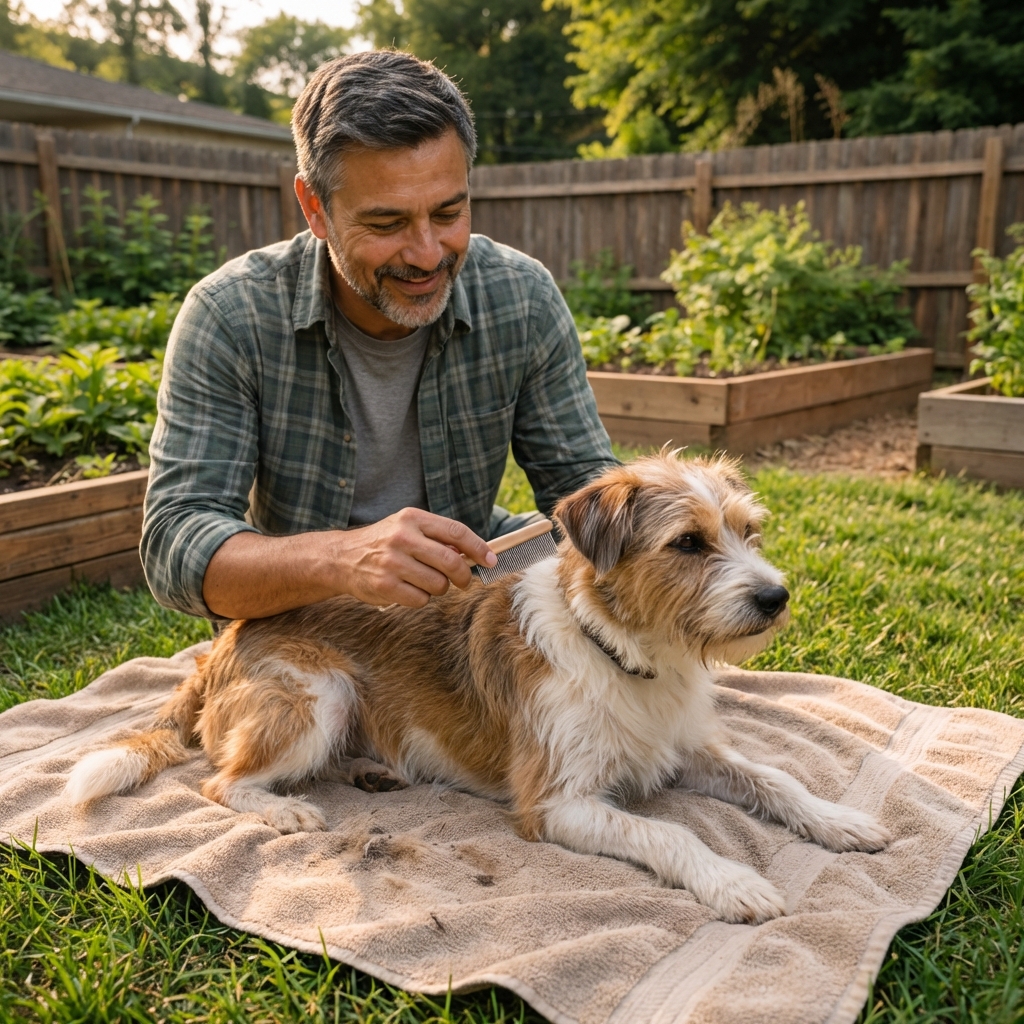
- Comb now: use a flea comb and a bowl of warm water with a drop of dish soap. Comb slowly around the neck, tail base, and belly. Dunk the comb often.
- Bathe if appropriate: a gentle pet shampoo bath can remove many adult fleas. For cats, only bathe if your cat tolerates it and you know how to do it safely.
Important: do not apply essential oils to pets. Tea tree oil, peppermint, clove, eucalyptus, and citrus oils can be toxic, especially to cats.
Health note: if your pet is scratching nonstop, has scabs, hair loss, “hot spots,” or seems tired and pale (especially kittens and small puppies), call your vet. Flea allergy dermatitis is common, and heavy flea loads can contribute to anemia in young or small animals.
2) Wash and hot-dry anything your pet touches
Bag it, carry it straight to the washer, and go hot where fabrics allow:
- Pet bedding, blankets, crate pads
- Your bedding if your pet sleeps with you
- Throw blankets, removable couch covers, small rugs
Heat is your friend. A hot dryer cycle (check fabric labels) is one of the simplest, most reliable “home remedies” for killing fleas and eggs on washable items.
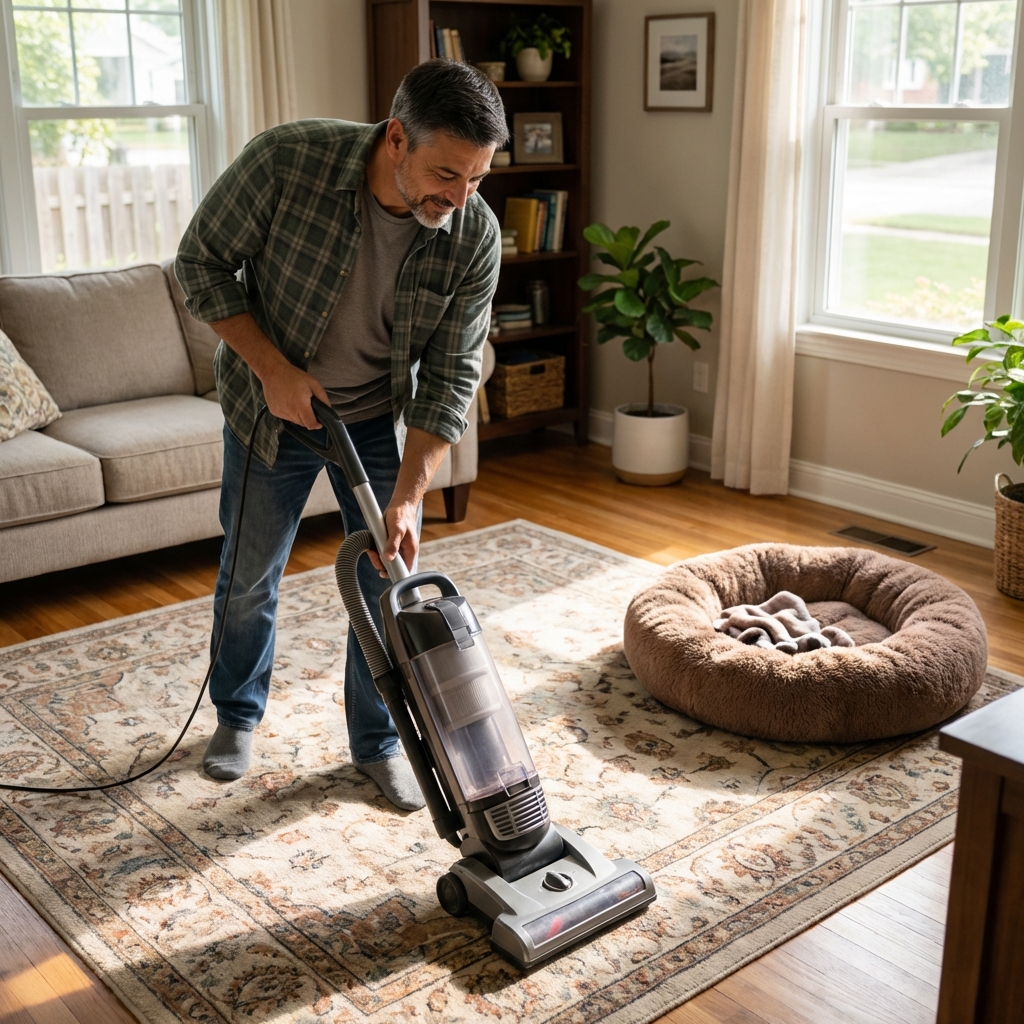
3) Vacuum like you mean it (then dispose of debris correctly)
Vacuuming is not just “cleaning.” It physically removes eggs and larvae, and it can help stimulate some pupae to hatch so they can be removed on the next vacuum cycle.
- Go slow on carpets and rugs, especially along edges and under furniture.
- Use the beater bar on carpets if your vacuum has one and your flooring allows it.
- Hit baseboards, cracks, and pet resting spots.
- Vacuum upholstered furniture, pet beds, and beneath cushions (seams matter).
After vacuuming:
- If you have a bagged vacuum, remove the bag, seal it in a plastic bag, and take it outside immediately.
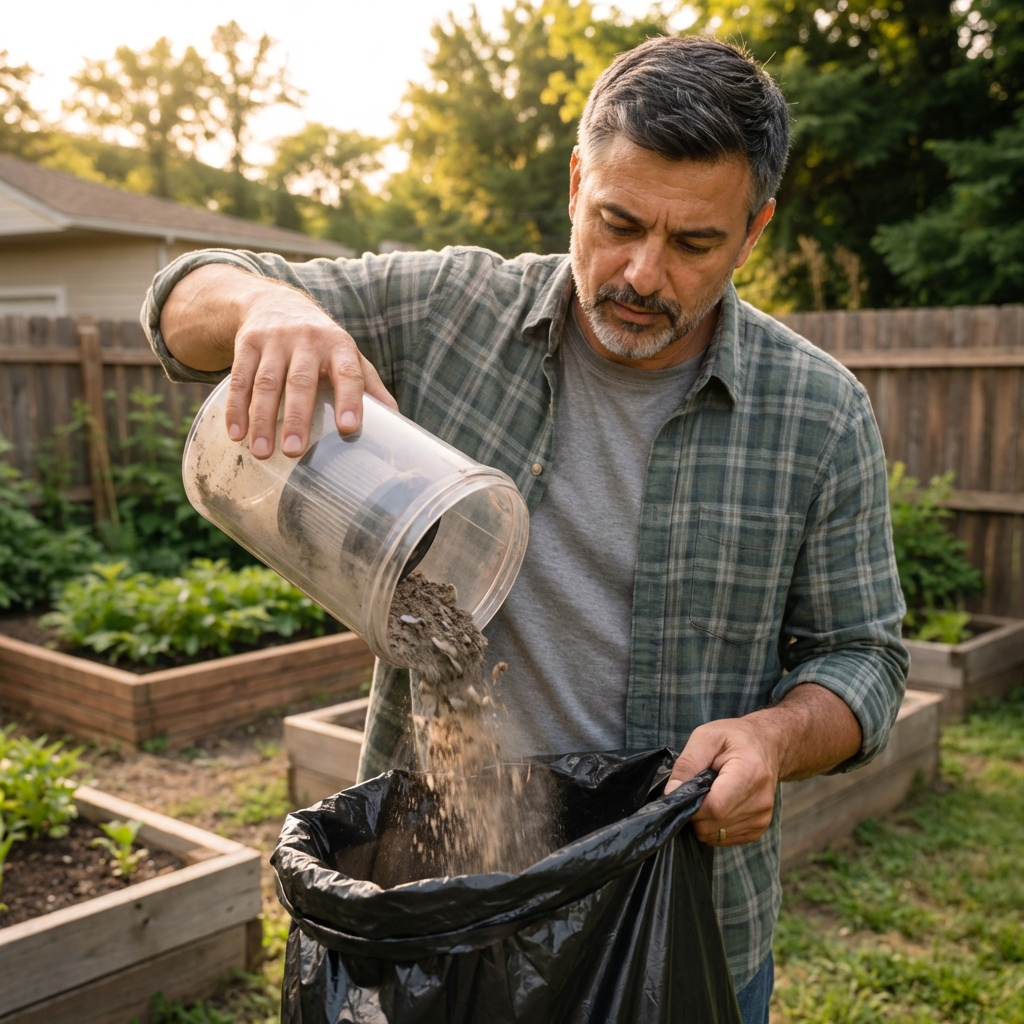
- If bagless, empty the canister into a bag outside, seal it, and wash the canister with hot soapy water.
Home remedies that actually help (and how to use them)
Food-grade diatomaceous earth (DE) for cracks and edges
Food-grade DE is a fine powder that can help dry out insects. It is not an instant kill, and results can be variable in thick carpeting. It tends to work best when it stays dry and is applied lightly in cracks and low-traffic areas.
- Where to use: along baseboards, into floor cracks, under furniture, and in low-traffic carpet edges.
- How to apply: a thin dusting. More is not better.
- Leave time: 24 to 48 hours, then vacuum thoroughly.
Safety: use food-grade only. Any fine dust can irritate lungs (even food-grade). Avoid creating dust clouds, keep kids and pets away until the dust settles, and skip it if anyone in the home has asthma or lung sensitivity. Do not use DE on pets.
Baking soda or salt (limited help, but can support vacuuming)
You will see advice to use baking soda or salt to “dehydrate” fleas. In real homes, results are mixed. If you use these, treat them as a helper step, not the main plan.
- Sprinkle lightly into carpet, work it in with a broom, leave overnight, then vacuum extremely well.
- Repeat every few days during the first two weeks.
Tip: fine powders can bother lungs and may not be ideal for homes with crawling babies, heavy pet traffic, or respiratory issues.
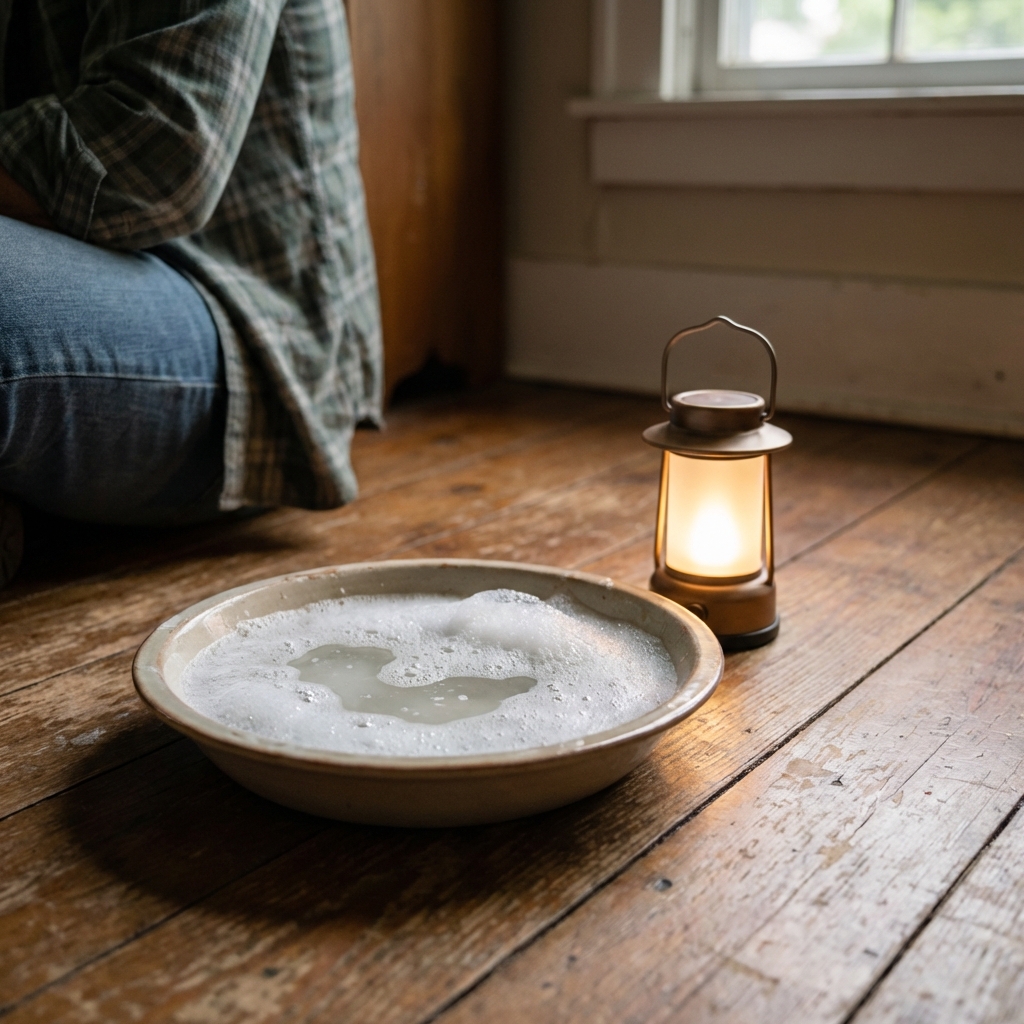
Soap-and-water trap (for monitoring, not elimination)
This is a simple way to confirm flea activity in a room and find hotspots.
- Place a shallow dish of warm water with a drop of dish soap on the floor.
- Place a small light very close to the dish so it shines directly onto the water at night.
- Check in the morning for fleas.
This does not solve an infestation by itself, and it may miss very low-level activity, but it helps you track progress and target your cleaning.
If you need stronger help: an IGR option
If you are doing the basics (pet treatment, vacuuming, laundry) and fleas are still popping up, consider an EPA-registered indoor flea product that includes an IGR (insect growth regulator). IGRs help stop eggs and larvae from developing into biting adults, which is often what breaks the cycle in carpets and cracks.
- Common IGRs: methoprene or pyriproxyfen.
- How to use safely: follow the label exactly, ventilate well, keep people and pets out during application, and do not re-enter until the label says it is safe.
- Where it matters most: pet resting zones, carpet edges, baseboards, and under furniture.
What to avoid (common “remedies” that backfire)
- Essential oils on pets or heavy indoor diffusing: can be toxic, especially for cats. Also, strong smells do not break the flea cycle.
- Vinegar sprays as a main treatment: may repel some fleas on contact but does not reliably kill eggs, larvae, or pupae in carpet.
- Foggers (“bug bombs”): often miss the places fleas hide (under furniture, deep carpet, cracks). They can also create exposure risks and still leave you with the life cycle problem.
- Overusing powders: thick layers can be messy, harder to vacuum, and irritating to lungs.
Whole-house checklist (room by room)
Living room and bedrooms
- Vacuum rugs, carpet edges, under couches, and under beds.
- Wash and hot-dry throw blankets and pet-soft items weekly for 3 to 4 weeks.
- Vacuum upholstered furniture, including seams and cushion gaps.
Hard floors
- Vacuum first to get dust and eggs out of cracks.
- Mop afterward, paying attention to corners and baseboards.
Pet zones
- Wash and hot-dry pet beds often, or rotate with a second bed so one is always clean.
- Vacuum around food bowls, crates, and favorite nap corners.
Yard tips (simple outdoor moves that help)
Some flea problems have an outdoor “seed source,” especially shady, damp spots where pets rest. If your pet spends time outside, these steps can help.
- Mow and trim: keep grass shorter and reduce dense shade where fleas thrive.
- Rake and remove debris: leaf litter and thick thatch hold moisture.
- Target pet hangouts: focus on areas under decks, along fences, and under shrubs.
- Water wisely: avoid overwatering shady lawn areas during an infestation.
If you want a low-toxicity option, you can look into beneficial nematodes (species used for flea larvae control, applied to moist soil). They work best when timed and applied correctly, and they are not instant. Follow product directions closely for your region and temperatures.
Also check for wildlife: raccoons, opossums, stray cats, and feral animals can “reseed” fleas under decks, in crawlspaces, or near porches. If you suspect that, block access (safely and legally), clean up attractants, and consider calling local wildlife control.

Timeline: what to do for the next 2 to 8 weeks
Days 1 to 3
- Treat pet (vet-approved option if possible) and treat all pets in the household.
- Wash and hot-dry fabrics.
- Vacuum daily, especially hotspots, and dispose of debris right away.
Week 1
- Keep vacuuming every day or every other day.
- Repeat laundry mid-week.
- Use DE in cracks and edges if you choose, then vacuum it up after 24 to 48 hours.
- If you are using an indoor flea spray, prioritize one with an IGR and follow the label.
Weeks 2 to 4
- Vacuum 2 to 3 times per week.
- Wash and hot-dry pet bedding weekly (more if your pet is heavily infested).
- Continue the pet treatment schedule exactly as directed.
Weeks 5 to 8 (for heavier infestations)
- Keep up pet prevention monthly or as directed.
- Continue vacuuming at least weekly, more if you still see activity.
- Recheck common hotspots (under furniture, pet zones, carpet edges).
Realistic expectation: many households see major improvement in 2 to 4 weeks. Heavy infestations, lots of carpet, or missed pet treatment doses can push the timeline to 6 to 8 weeks. If bites and sightings are not trending down by week 3, it is time to reassess your pet treatment and hotspots.
When to call a pro (or your vet)
Home steps can handle many mild to moderate infestations, but get help if any of these are true:
- Your pet is very young, elderly, pregnant, or has health conditions and you are unsure what is safe.
- You are seeing fleas after 6 to 8 weeks of consistent cleaning and treatment.
- Someone in the home has severe reactions to bites or skin infections from scratching.
- You have multiple pets and the infestation keeps bouncing back.
- You suspect wildlife is maintaining the problem under a deck, porch, or crawlspace.
A good vet plan plus targeted professional treatment (if needed) is often cheaper than months of “almost working” DIY attempts.
Quick FAQ
Do home remedies kill flea eggs?
Most “kitchen cabinet” remedies are unreliable on eggs. Heat (hot dryer cycle) and physical removal (vacuuming) are your best home-based tools. An IGR can help stop immature stages from turning into biting adults.
Can fleas live in my bed?
They can end up there if pets sleep with you or fleas are widespread. Wash bedding on hot (if fabric allows) and vacuum around the bed frame, baseboards, and under-bed area.
What is the fastest way to get relief?
Same-day relief usually comes from treating the pet, vacuuming thoroughly, and washing and hot-drying fabrics. Then keep up the routine for weeks so the life cycle cannot restart.

Jose Brito
I’m Jose Britto, the writer behind The Country Store Farm Website. I share practical, down-to-earth gardening advice for home growers—whether you’re starting your first raised bed, troubleshooting pests, improving soil, or figuring out what to plant next. My focus is simple: clear tips you can actually use, realistic expectations, and methods that work in real backyards (not just in perfect conditions). If you like straightforward guidance and learning as you go, you’re in the right place.