Bed bugs are one of those problems that can feel personal, even though it is usually just bad luck and timing. The key thing to know is this: bed bugs do not travel long distances on their own, especially outdoors. Most of the time, they get into your home by hitchhiking on something you carried in. Once they are inside, they can wander short distances (room to room, or between units) as an infestation grows.
This guide breaks down the most common ways bed bugs get inside, what signs to look for, and practical prevention steps that actually fit into real life.
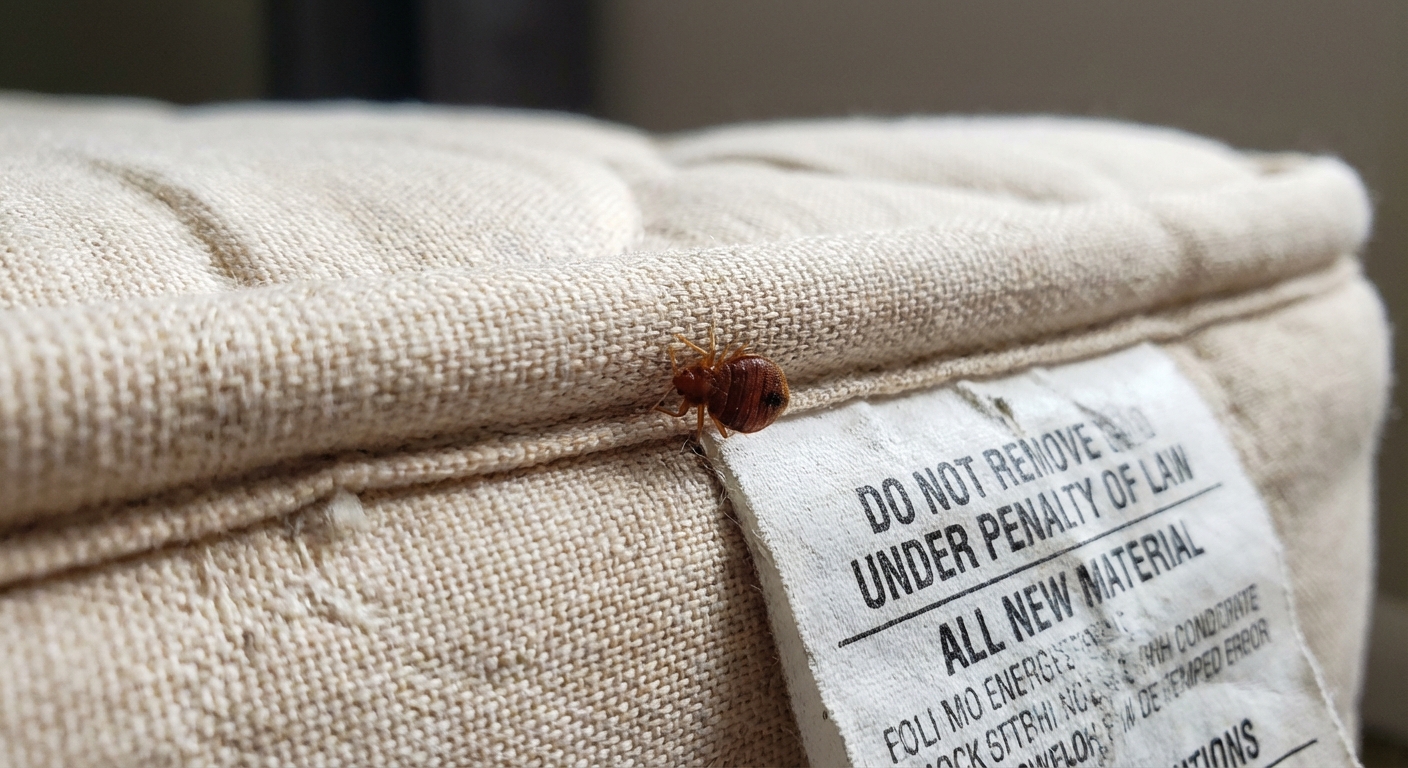
The short answer: they hitchhike
Bed bugs (Cimex lectularius) are flat, secretive, and built to hide in seams and cracks. They are not attracted to dirt. They are attracted to people because they feed on blood, and they get around by riding along on:
- luggage and travel bags
- used furniture and mattresses
- clothing, coats, and backpacks
- packages stored or delivered into infested rooms or buildings
- items moved between apartments, dorms, or hotel rooms
Once inside, they settle near where people rest. Beds are common, but so are couches, recliners, and guest rooms.
Most common ways bed bugs get into a home
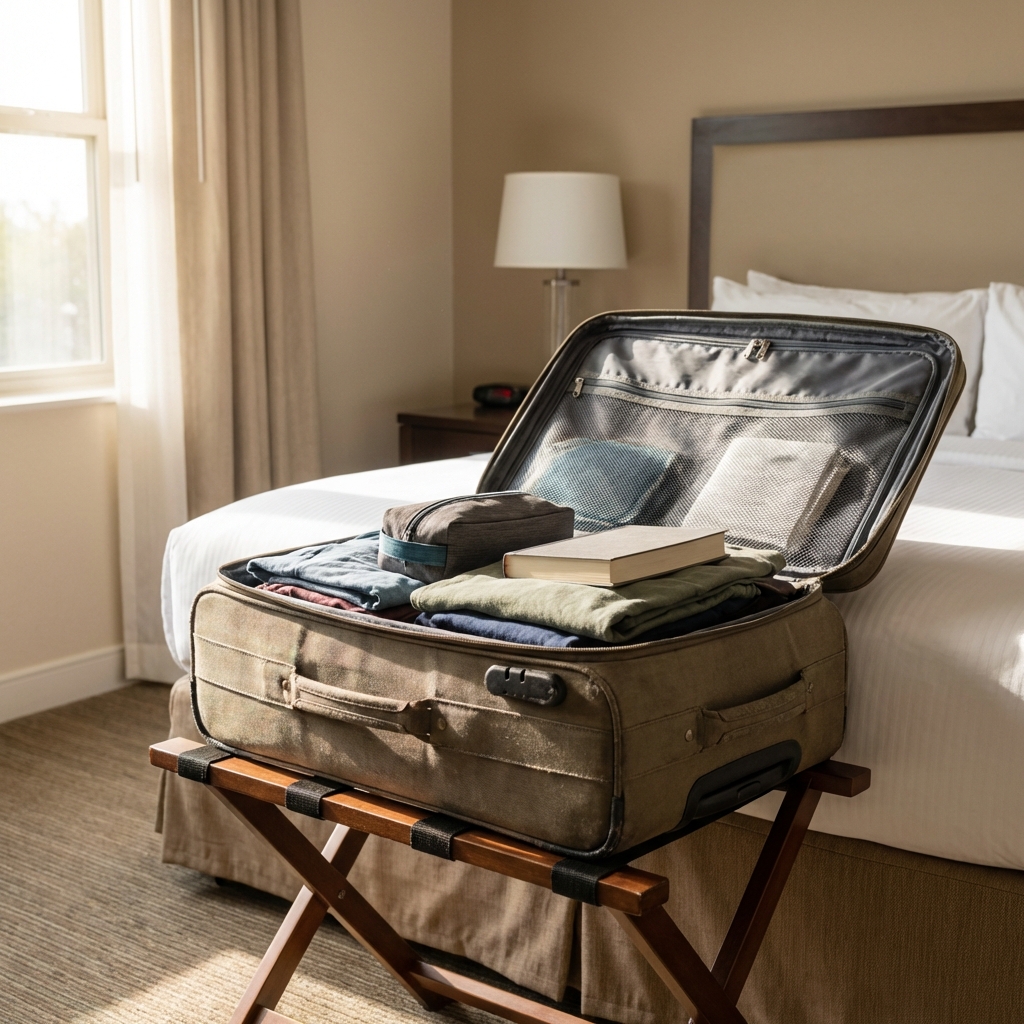
1) Travel: hotels, rentals, and public transit
Travel is one of the top ways people pick up bed bugs. You do not have to stay in a dirty place. Bed bugs can show up in high-end hotels, vacation rentals, cruise cabins, and even airport seating.
Typical scenario: a bug crawls into your suitcase seam, a zipper track, a folded jacket, or a toiletry bag. Then it rides home with you.
- Higher-risk items: soft-sided suitcases, backpacks, purses, and clothes worn repeatedly on a trip
- Higher-risk spots: luggage racks, beds pushed against walls, upholstered chairs
2) Used furniture and secondhand items
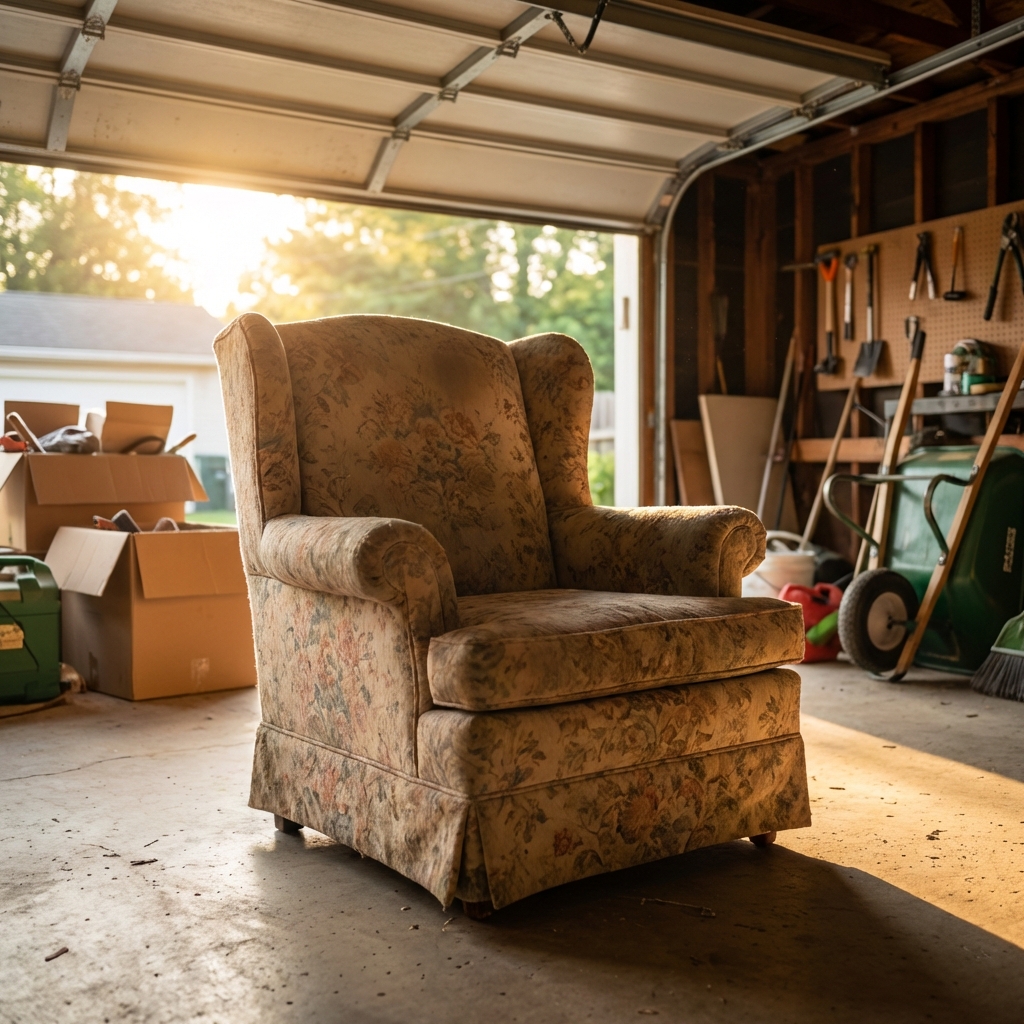
Secondhand deals are great until they are not. Mattresses, box springs, bed frames, upholstered chairs, and couches are the biggest risk because bed bugs love fabric seams and hidden wood joints.
Typical scenario: a few hidden bugs or eggs survive in seams, screw holes, or underneath dust covers and come alive once the item is in your living space.
- Avoid picking up mattresses and upholstered furniture off the curb.
- Be cautious with thrifted linens and pillows if you cannot wash and dry on high heat right away.
3) Visitors, overnight guests, and shared spaces
Bed bugs can come in on a guest’s bag, coat, or folded blanket. This is not about blame. If someone is dealing with bed bugs, they may not know yet. Early infestations can be easy to miss.
Typical scenario: one pregnant female or a few nymphs hitch a ride on personal items, then hide close to where the guest sleeps or sits.
And sometimes, there is no clear “patient zero.” In buildings where lots of people share hallways, laundry rooms, or seating, bed bugs can move around in small, frustrating ways.
4) Multi-unit buildings: apartments, condos, dorms
If you share walls with neighbors, bed bugs can spread between units, especially when an infestation grows. They can travel through tiny gaps around:
- baseboards and trim
- pipe penetrations under sinks
- electrical outlets and wall voids
- shared laundry rooms and trash areas
Even in multi-unit buildings, a common trigger is still movement of items, like furniture being swapped, laundry carts, or people visiting between units.
5) Moving: trucks, storage units, and cardboard boxes
Moves create the perfect storm: lots of items piled together, lots of hiding spots, and lots of new places to settle. Bed bugs can hide in the folds of moving blankets, seams of fabric bins, and creases of boxes.
Typical scenario: items pick them up from an infested location (a previous tenant, a storage facility, or a shared moving truck) and carry them into your new space.
6) Workplace, school, and other soft seating
It is less common than travel and used furniture, but bed bugs can be picked up in offices, libraries, and classrooms if there is upholstered seating and high turnover.
Typical scenario: a bug crawls into a bag or coat hung near an infested chair.
Can bed bugs come in from outside?
Usually, no. Bed bugs are not like ticks that live in grass or mosquitoes that fly in. They prefer indoor environments near humans. They can survive for a while without feeding, but they are not typically coming from your yard or garden.
What can happen: if you live in an apartment or row home, they might enter from a neighboring unit through gaps. That can feel like “outside,” but it is really spread within the building.
Early signs that bed bugs may have arrived
If you catch bed bugs early, the problem is easier and cheaper to solve. The trick is knowing what to look for.
- Bites: itchy welts, often in a line or cluster, but bites alone are not proof because reactions vary.
- Fecal spots: tiny dark dots that look like ink specks on sheets, mattress seams, or couch cushions.
- Shed skins: pale, papery shells near hiding spots.
- Eggs: tiny, pearly white, about 1 mm (closer to a grain of salt than a grain of rice), tucked into cracks and seams.
- Live bugs: flat, reddish-brown insects, often found along seams, tags, or crevices.

Where to check first
When people panic, they often start dragging furniture around and spreading items from room to room. That can make things worse. Start with a calm, targeted check.
In a bedroom
- mattress seams and piping, especially near the head of the bed
- box spring edges and the underside (if you can safely look)
- headboard joints and mounting points
- bed frame cracks, screw holes, and slats
- nightstand corners and drawer joints
In a living room
- couch cushion seams and zipper areas
- under cushions where fabric folds
- recliner mechanisms and stitching lines
- baseboards behind the couch
Prevention steps that work
You do not need to live in fear, but a few habits cut your risk a lot.
After travel
- Unpack in a hard-surface area if possible, not on the bed.
- Dry travel clothes on the hottest setting the fabric allows. Run the dryer long enough for items to reach lethal heat, which often means 30 to 60+ minutes depending on the load and dryer.
- Vacuum suitcase seams and pockets. Empty contents into a sealed bag and dispose of it right away (doing this outdoors helps reduce the chance of any escapees).
- Store suitcases away from bedrooms if you can.
Before bringing used items indoors
- Inspect seams, undersides, and joints with a flashlight.
- For washable items: wash and then dry on high heat.
- For non-washables: consider a sealed container or bag and monitor, or skip the item.
In apartments and shared buildings
- Reduce clutter around beds and sofas so inspections are easier.
- Use mattress and box spring encasements designed for bed bugs.
- Seal obvious gaps around pipes and baseboards where appropriate.
- Be careful with items left in shared hallways, laundry rooms, or by dumpsters.
If you think bed bugs got in
Acting quickly matters, but the goal is to contain, confirm, and then treat with a plan.
- Do not move items room to room. This is how small problems become whole-house problems.
- Reduce sleeping locations. Try to keep people sleeping in one area until you know what you are dealing with.
- Bag and heat-treat fabrics. Dry on high heat, then store clean items in sealed bags or bins.
- Vacuum carefully. Focus on seams and cracks. Empty contents into a sealed bag, seal it, and dispose of it immediately.
- Confirm identification. If you can, capture a specimen in clear tape or a sealed container for a pro to identify. You can also use bed leg interceptors or passive monitors to help confirm activity over time.
- Call a reputable pest management professional. Bed bugs are notoriously tough, and DIY-only approaches often miss eggs and hidden harborages.
What not to do
- Do not use total-release foggers (bug bombs). They are generally not effective for bed bugs and can scatter them into deeper hiding spots.
- Do not spray random insecticides on mattresses or sofas. Misuse can be unsafe and often does not reach where bugs hide.
- Do not throw out furniture without sealing and labeling it. This can spread bed bugs through hallways, trucks, or the curb pickup area.
Evidence-based treatment usually looks like an integrated approach: targeted applications by a professional, careful laundering and drying, vacuuming and steam in the right spots, encasements, and monitors or interceptors to track progress. Some homes also use professional heat treatment as part of the plan.
If you live in a multi-unit building, notify management quickly. Coordinated treatment is often necessary to stop reinfestation from adjacent units. Avoid self-treating in ways that could push bugs into neighboring units. Follow building policy and professional guidance.
Common myths that waste time
- Myth: Bed bugs mean a house is dirty. Reality: They are about access to hosts, not cleanliness.
- Myth: You will always feel them bite. Reality: Many people do not react, especially at first.
- Myth: Throwing out the mattress solves it. Reality: Bugs often live in bed frames, baseboards, couches, and nearby cracks too.
- Myth: Foggers fix bed bugs. Reality: Total-release foggers usually do not reach hiding spots and may disperse bed bugs into wall voids or other rooms.
Quick takeaway
Bed bugs usually get in because they hitched a ride on luggage, used furniture, clothing, or items moving between places. If you focus on the most common entry points and build a simple routine after travel or secondhand purchases, you can cut your risk dramatically. And if you suspect they are already inside, contain first, confirm second, then treat with a clear plan.

Jose Brito
I’m Jose Britto, the writer behind The Country Store Farm Website. I share practical, down-to-earth gardening advice for home growers—whether you’re starting your first raised bed, troubleshooting pests, improving soil, or figuring out what to plant next. My focus is simple: clear tips you can actually use, realistic expectations, and methods that work in real backyards (not just in perfect conditions). If you like straightforward guidance and learning as you go, you’re in the right place.