Cockroaches are experts at finding tiny openings and steady resources. If your home gives them three things, food, water, and hiding spots, they will keep trying to get in. The good news is you can often stop most of the problem with simple DIY checks and a few targeted fixes.
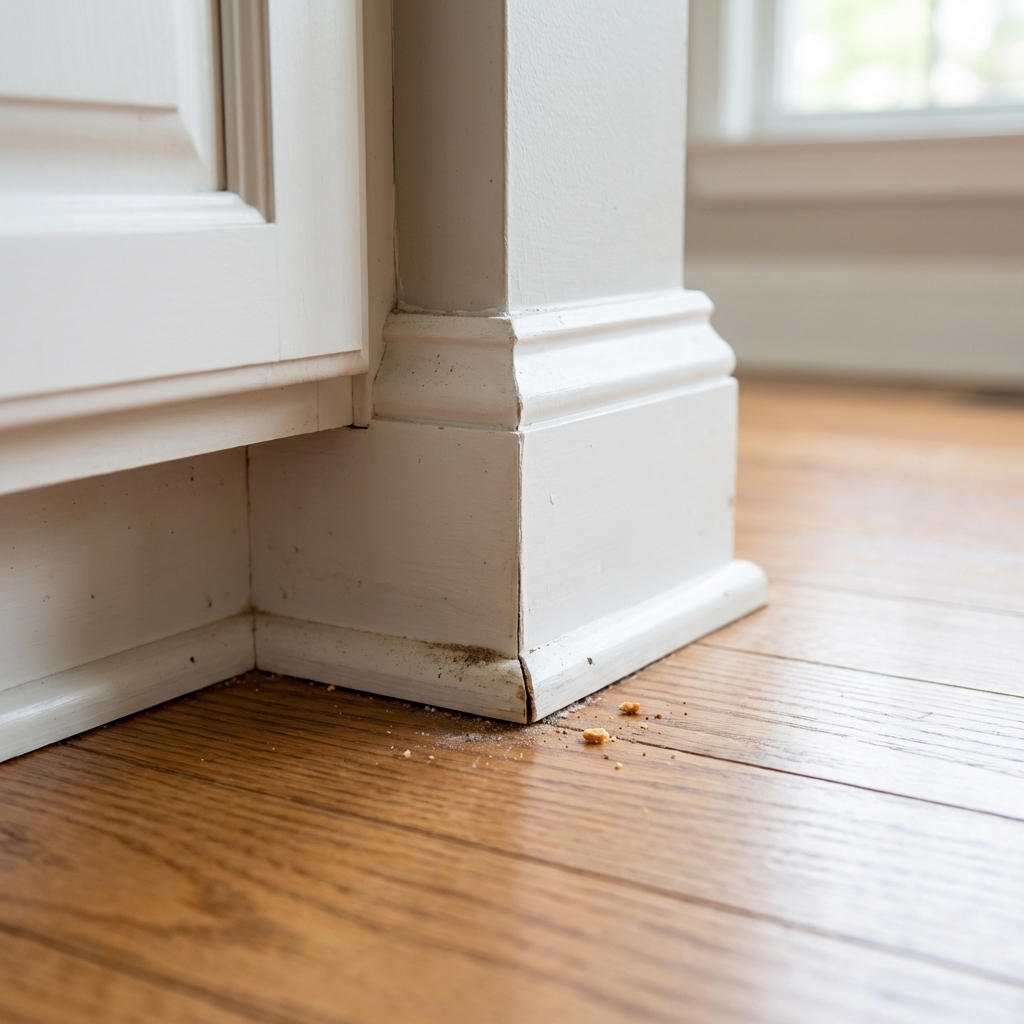
The short answer
Cockroaches get into houses in a few most common ways:
- Through gaps and cracks around doors, windows, siding, and foundations
- Through plumbing openings like wall and floor penetrations around drain and supply lines
- By hitchhiking in boxes, grocery bags, used furniture, and appliances
- From shared walls in apartments, townhomes, and duplexes
Once inside, they settle near moisture and warmth, which is why kitchens, bathrooms, laundry rooms, and basements are common hotspots.
Why roaches want to be inside
Roaches are not looking for a “dirty” house. They are looking for predictable resources. Even clean homes can have what they need.
What attracts them most
- Water: leaky traps, dripping faucets, condensation under fridges, wet sponges, pet water bowls overnight
- Food: crumbs, grease film on stoves, open cereal boxes, trash, compost pails, dirty dishes left out
- Shelter: clutter, cardboard, gaps behind cabinets, warm motor areas in appliances
If you fix entry points but leave moisture and easy food behind, you can still end up with roaches surviving indoors and reproducing.
Common ways cockroaches get in (with beginner checks)
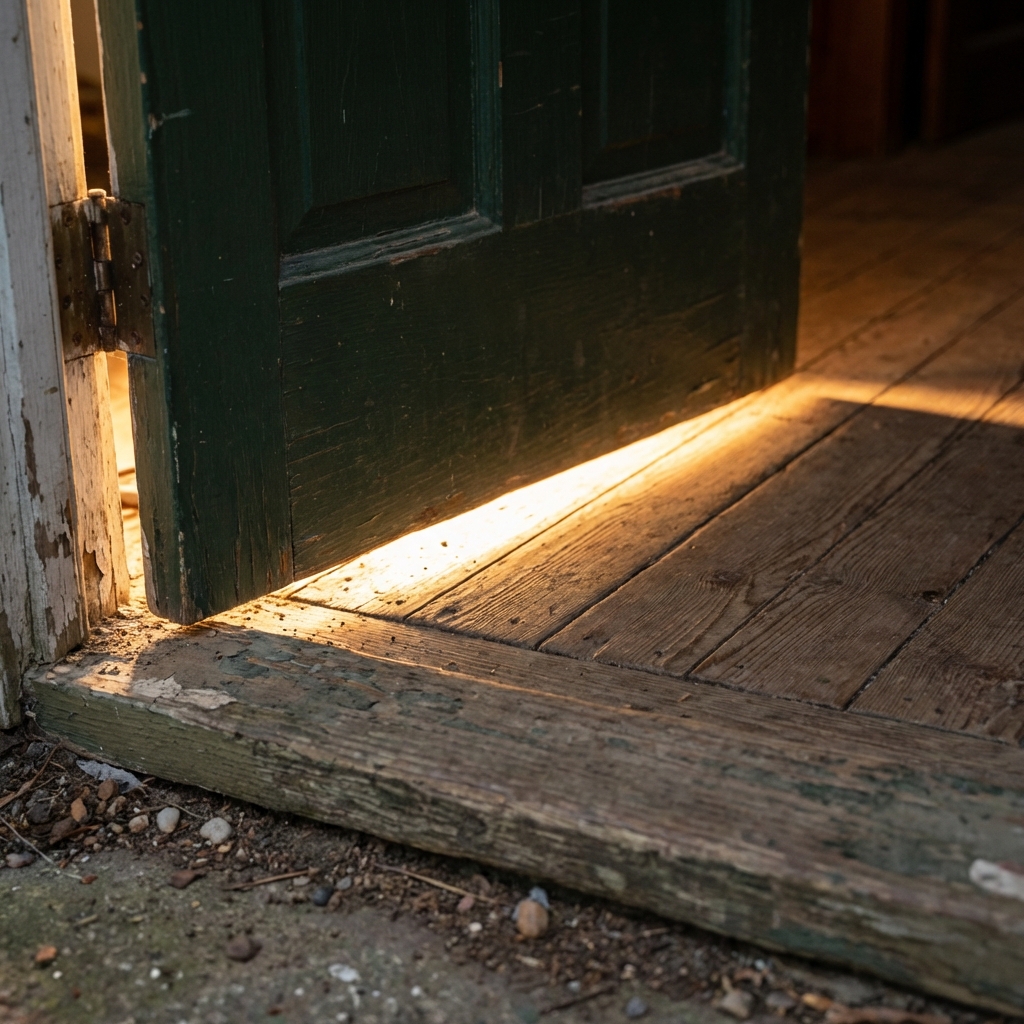
1) Under exterior doors and garage doors
A thin gap under a door is basically a welcome mat. Roaches can squeeze through surprisingly small spaces, especially smaller species and young roaches.
- Check door sweeps for daylight showing through.
- Look at the garage door corners and bottom seal.
- Pay attention to doors near trash bins, compost, and outdoor pet food.
2) Cracks in foundations, siding, and around utility lines
Where pipes, cables, and AC lines enter the home, there are often unsealed gaps. Roaches use those same shortcuts that ants and mice love.
- Walk the exterior and look for holes around hose bibs, AC line sets, dryer vents, and cable entries.
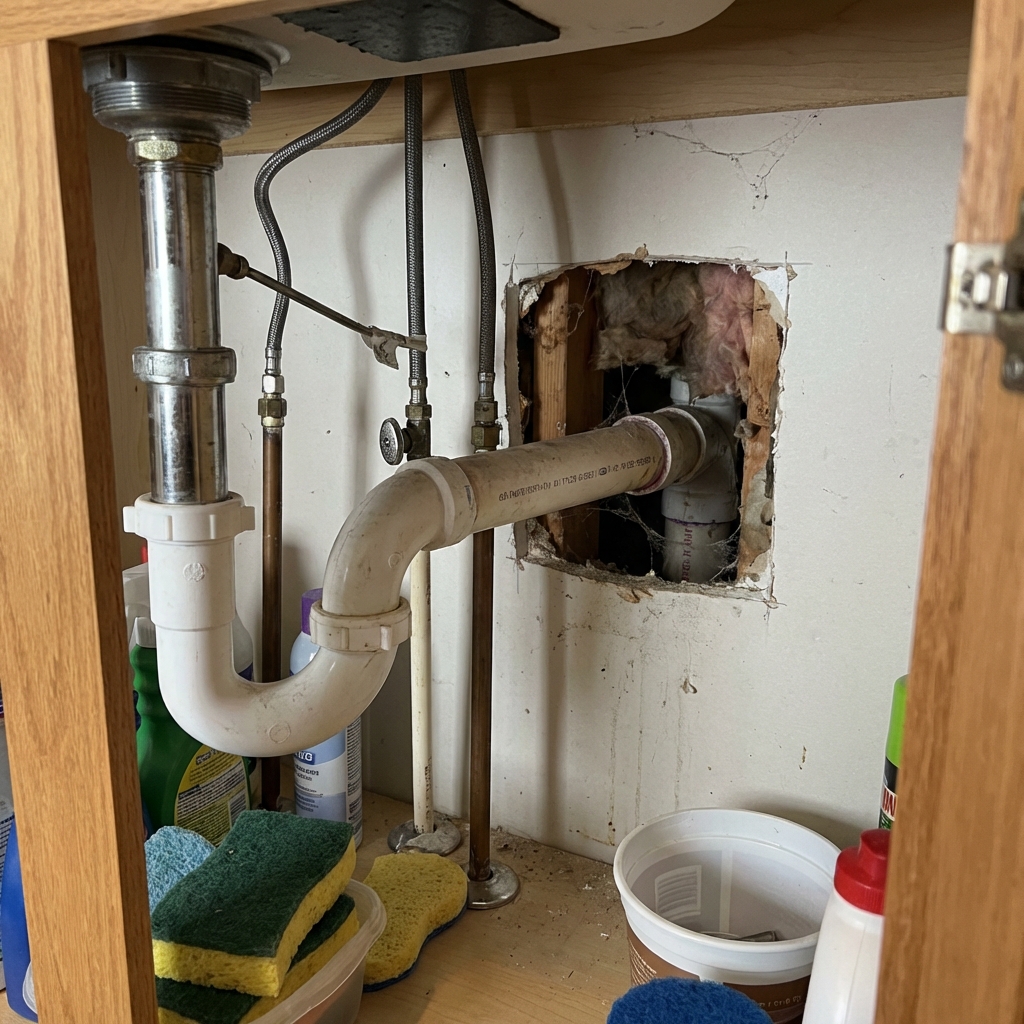
- Inside, check under sinks where pipes disappear into the wall or floor.
3) Windows, screens, and weep holes
Damaged screens and loose window tracks can be entry points. Weep holes (small openings that let water drain from window frames or brick) can also provide access to wall voids, especially if the surrounding areas are not well sealed.
- Repair torn screens and make sure screens sit tight in the frame.
- Vacuum window tracks and check for gaps at corners.
4) Plumbing openings and under-sink gaps
Even if roaches are not “coming up the drain,” the space around plumbing is a common highway into cabinets and walls.
- Check the holes around hot and cold water lines under sinks.
- Inspect the gap where the dishwasher line or disposal wiring passes through cabinets.
5) Floor drains and sewer connections (toilets are uncommon)
This is less common in many single-family homes, but it can happen, especially with older plumbing, dry traps, or buildings with drain and sewer issues. If toilets are involved, it is usually through sewer and drain pathways or gaps around the toilet base, not literally through standing water in the bowl.
- If a floor drain is rarely used, the trap can dry out and let pests through.
- Basements and laundry rooms with drains are worth checking if you see roaches there.
- Check the toilet base for signs of gaps or moisture issues.
6) Attics and roofline gaps
Some roaches prefer higher, warmer areas and can enter through roofline openings, soffit gaps, and attic vents.
- Look for damaged vent screens.
- Check soffits and fascia for rot or openings.
7) Hitchhiking in deliveries, groceries, and cardboard
This one surprises people. Roaches and egg cases can come home in corrugated boxes, paper bags, and used items.
- Open packages over a hard floor, not over the couch or bed.
- Recycle cardboard quickly, especially from food deliveries.
- Inspect used appliances and furniture before bringing them inside.
8) From neighbors in multi-unit buildings
If you share walls, ceilings, plumbing chases, or hallways, roaches can move unit to unit. You can do everything “right” and still see activity if the building has a wider issue.
- Focus on shared penetrations like pipe chases, under-sink openings, and gaps around baseboards on shared walls.
- Keep bait placements consistent so roaches pick it up as they travel.
- Report issues early to management and ask about coordinated treatment for adjacent units.
Which roach you have matters
Not all roaches behave the same. If you can identify the type, you can focus your effort where it matters.
German cockroach
- Most common indoors. Often spreads via used appliances, grocery bags, and neighbor-to-neighbor travel in apartments.
- Usually found in kitchens and bathrooms, tight to water and food.
American cockroach
- Often tied to basements, sewer systems, crawl spaces, and damp utility areas.
- More likely to be associated with drains, mechanical rooms, and lower levels.
Smokybrown cockroach
- Common in warmer, humid regions.
- Often comes from outdoors and enters around doors, attic areas, soffits, and vents.
Wood roaches
- Often wander in from mulch, firewood, leaf litter.
- Usually do not set up heavy indoor infestations, but they can still be a nuisance.
15-minute DIY inspection
Grab a flashlight and check these spots first. This is where beginners get the fastest wins.
- Kitchen: under sink, behind trash can, behind fridge, under stove, inside cabinet corners
- Bathroom: vanity pipes, around toilet base, tub access panel, behind the toilet
- Laundry: behind washer, dryer vent area, floor drain if present
- Entry points: door sweeps, weather stripping, garage corners
- Exterior: utility line penetrations, gaps in siding, vents, damaged screens
What you are looking for: live roaches at night, pepper-like droppings, a musty odor in cabinets, shed skins, and tiny dark smears near hiding spots.
How to keep cockroaches out
Start with exterior exclusion
- Add or replace a door sweep and tighten weather stripping.
- Seal exterior gaps around utility lines, vents, and siding openings.
- Repair screens and cover vents with appropriate pest-rated screening where allowed.
Cut off water first
If you only do one thing this week, do this. Water keeps roaches alive even when food is scarce.
- Fix drips and slow leaks, even small ones under sinks.
- Dry sinks at night and wring out sponges.
- Empty the drip tray under the fridge if it is accessible and safe to do so.
Reduce easy food
- Store pantry items in sealed containers.
- Wipe grease film from stovetops and backsplash areas.
- Take out trash regularly and rinse recyclables.
- Feed pets on a schedule and remove bowls at night if possible.
Reduce outdoor pressure
- Trim vegetation so it is not touching the house.
- Clear leaf litter and avoid piling mulch right against the foundation.
- Store firewood away from the home and off the ground.
Swap cardboard for bins
Cardboard is a favorite hiding material. If you store things long-term, use plastic totes with lids.
Use monitoring to confirm progress
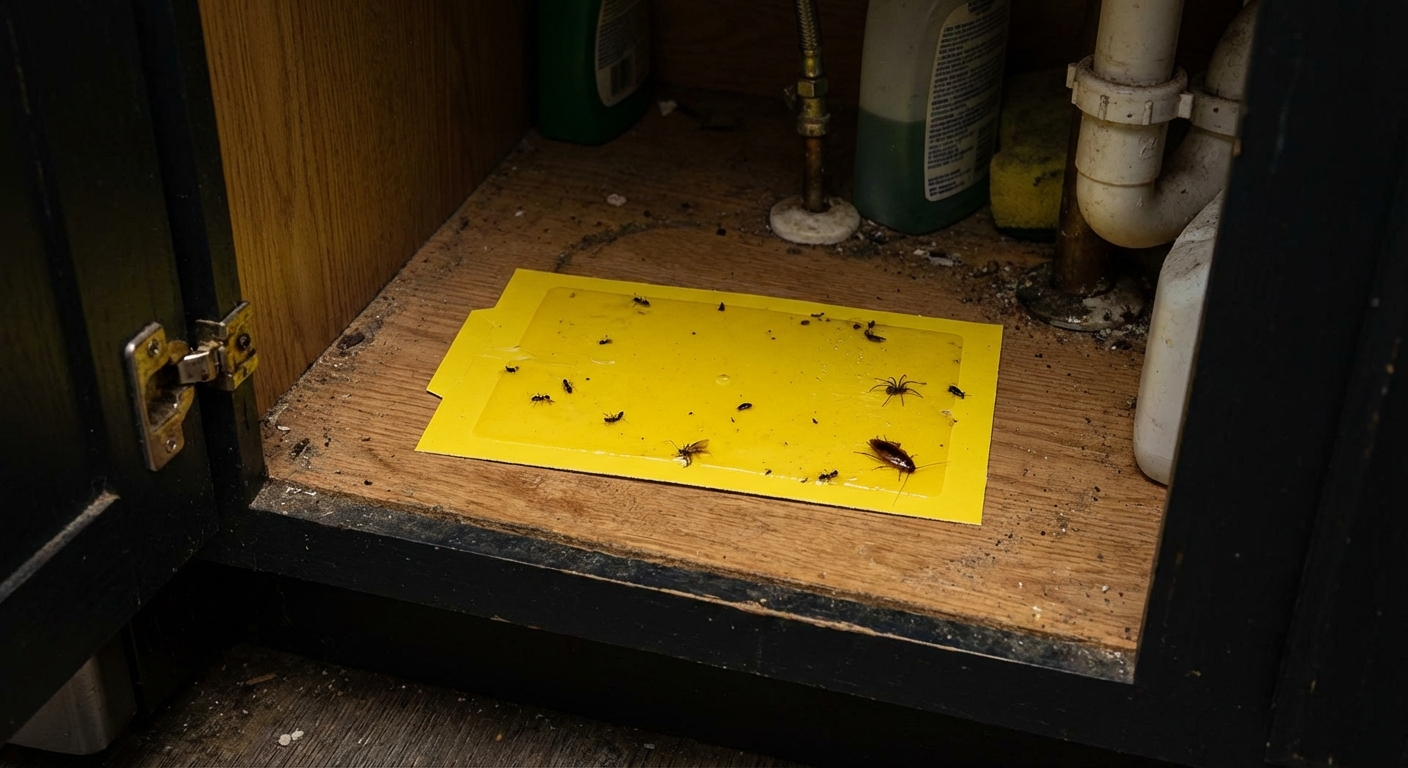
Sticky traps are simple and effective for beginners because they tell you where activity is, not where you hope it is.
- Place traps along edges and corners, under sinks, behind the fridge, and along cabinet kick plates.
- Check weekly and move traps to the hottest spot.
If you already have roaches
If you are seeing roaches regularly, focus on a three-part approach: sanitation, exclusion, and targeted control.
1) Clean tight to their hiding zones
- Vacuum crumbs and debris along edges and under appliances if you can safely reach.
- Degrease the stove area and cabinet handles.
- Do not leave dishes overnight during the first couple of weeks of control if possible.
2) Use baits correctly
For many indoor infestations, gel baits and bait stations can be more effective than constant spraying because roaches carry the bait back to hidden areas.
- Place small amounts near cracks and corners where you see activity, not in the middle of open floors.
- Avoid spraying harsh cleaners or repellents right next to bait placements, since that can reduce feeding.
- Refresh bait as it dries out or gets dusty.
3) Light dusting in voids when appropriate
In some situations, a light application of insecticidal dust in wall voids and behind appliances can help. The key is light, not piles. Always follow the product label and keep treatments away from kids, pets, and food contact areas. If you are unsure, stick to monitoring and baits or consult a pro.
Beginner mistakes
- Only spraying what you see. Most roaches are hidden. Sprays can miss the nest and sometimes push roaches deeper into walls.
- Sealing interior hiding spots too early. Seal exterior entry points right away, but go slower on sealing interior cracks in cabinets, baseboards, and wall void edges if an infestation is active. If you close off interior harborages before baiting and monitoring are working, you can make roaches harder to track and reduce bait pickup. A good order is: bait and monitor first, then seal interior gaps as activity drops.
- Ignoring moisture. A small leak under a sink can defeat a lot of cleaning.
- Keeping cardboard “just in case.” Especially in kitchens, garages, and basements.
- Not tracking results. Traps show whether your plan is working.
When to call a professional
DIY goes a long way, but it is smart to bring in help if:
- You are seeing roaches in daylight frequently.
- You have tried baiting and sanitation for 2 to 3 weeks with no improvement.
- You live in a multi-unit building and activity continues despite sealing and cleanup.
- You suspect the problem is tied to sewers, crawl spaces, or a large structural entry you cannot access.
Quick recap
- Roaches get in through gaps, plumbing openings, doors, and by hitchhiking.
- They stay because of water first, then food and shelter.
- Your best DIY plan is: seal exterior entry points, remove moisture, tighten food storage, and monitor with traps.
If you want the fastest next step, do this tonight: turn on a kitchen light 1 to 2 hours after dark and check behind the trash and under the sink with a flashlight. Wherever you see them, that is where you focus first.

Jose Brito
I’m Jose Britto, the writer behind The Country Store Farm Website. I share practical, down-to-earth gardening advice for home growers—whether you’re starting your first raised bed, troubleshooting pests, improving soil, or figuring out what to plant next. My focus is simple: clear tips you can actually use, realistic expectations, and methods that work in real backyards (not just in perfect conditions). If you like straightforward guidance and learning as you go, you’re in the right place.